Top 12 AI Resume Assessment Tools to Streamline Hiring in 2026

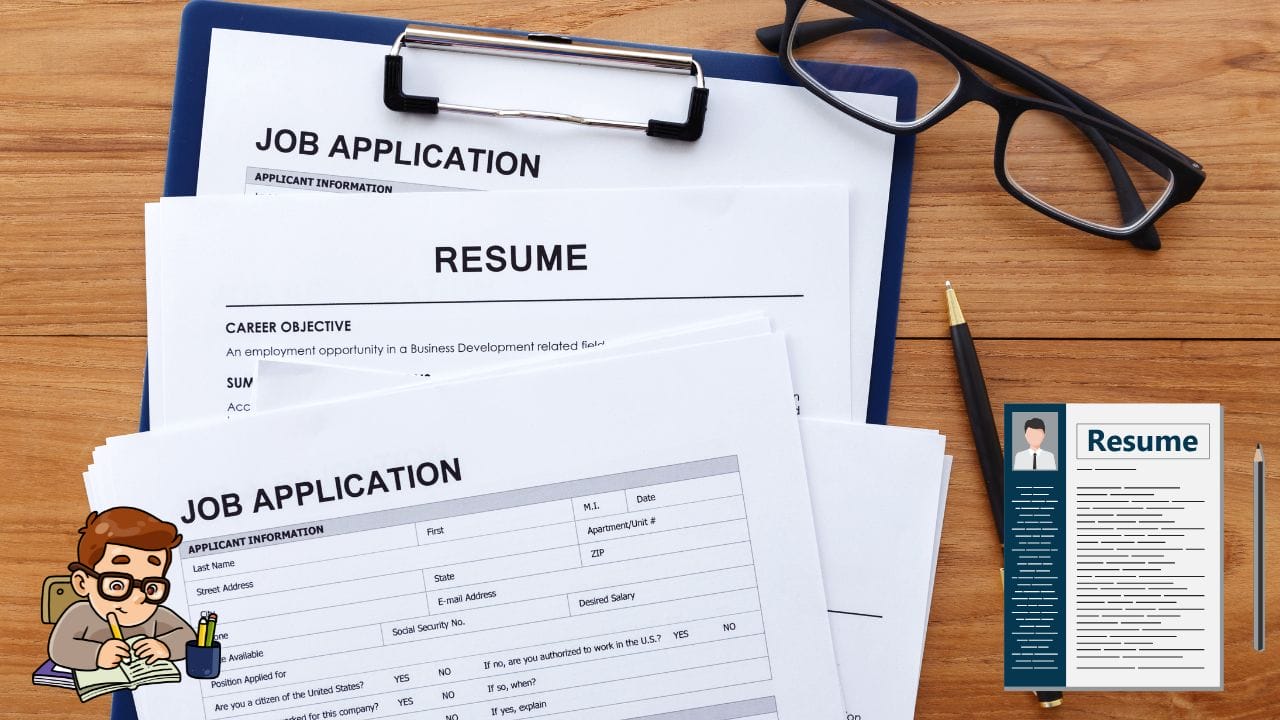
Recruitment has evolved dramatically with the rise of artificial intelligence (AI), transforming how organizations attract, assess, and hire top talent. The days of manual resume screening, endless shortlisting, and subjective hiring decisions are quickly fading. Traditional methods not only consume valuable time and resources but also increase the risk of overlooking qualified candidates due to human bias or inefficiency.
Enter AI resume assessment tools—a smarter, data-driven solution that’s redefining modern hiring. Powered by machine learning, natural language processing (NLP), and predictive analytics, these tools can evaluate thousands of resumes in seconds, identifying the best-fit candidates based on skills, experience, and job relevance. They go beyond keyword matching to understand context, career progression, and even soft skills, helping recruiters make more informed and equitable decisions.
What Are AI Resume Assessment Tools?
AI resume assessment tools are software solutions that utilize machine learning and natural language processing to analyze resumes. These tools are designed to evaluate resumes for key skills, experiences, and qualifications that match job descriptions.
Key Features:
- Keyword Matching: Identifies relevant terms from job descriptions.
- Skill Analysis: Evaluates hard and soft skills based on provided data.
- Candidate Ranking: Scores resumes based on relevance to the role.
Benefits for Recruiters and Job Seekers:
- Recruiters: Faster resume screening, reduced bias, and better job-candidate matching.
- Job Seekers: Improved chances of being noticed for relevant skills and qualifications.
Key Features to Look for in an AI Resume Assessment Tool
When selecting an AI resume assessment tool, consider the following features:
- Accurate Parsing: Ability to extract and analyze data accurately.
- Customizable Criteria: Adaptability to specific job requirements.
- Integration with ATS: Seamless compatibility with recruitment platforms.
- Reporting Capabilities: Provides insights and analytics for better decision-making.
Top 10 AI Resume Assessment Tools
1. HireVue
When I tested HireVue, I was honestly impressed by how advanced it has become. It’s not just another video interview tool—it’s a full-blown AI-powered hiring assistant. The platform doesn’t stop at recording interviews; it actually analyzes how candidates respond, including their tone, facial expressions, and speech patterns, to gauge fit for a role. I found that especially useful for quickly screening large candidate pools when you need insights beyond what’s written on a resume.
What I liked most about HireVue is how much time it saves recruiters. Instead of manually reviewing every application, you get automated reports highlighting candidates’ soft skills, communication abilities, and cultural fit. It also does a great job at filtering through hundreds of resumes within minutes—something that would take a human hours or even days.
Pros:
-
- Automated screening saves time for recruiters.
- Provides detailed insights on soft skills and cultural fit.
- Can analyze large volumes of resumes quickly.
Cons:
-
- Might overlook nuanced human factors.
- Risk of bias if not properly configured.
- The reliance on video may alienate some candidates.
2. Pymetrics
I also tested Pymetrics, and it was easily one of the most unique hiring tools I’ve ever tried. Instead of relying on resumes or interview questions, it uses a series of neuroscience-based games to assess candidates. The AI then evaluates their cognitive and emotional traits, like attention, risk tolerance, and decision-making style. At first, I was skeptical about how “games” could predict job performance—but after trying it, I was pleasantly surprised.
What I loved about Pymetrics is that it feels fresh and bias-free. The assessments are built on solid science, and they’re surprisingly engaging. I could see how this approach helps companies match candidates to roles based on natural strengths rather than traditional qualifications. The platform also allows for customized assessments for different job types, which is great if you’re hiring across multiple departments or levels.
Pros:
-
- Bias-free and scientifically grounded approach.
- Customizable assessments for different roles.
- Helps companies evaluate personality traits along with technical skills.
Cons:
-
- Some candidates may find the games unappealing.
- Limited to companies that can integrate AI-based game results.
- It may not work well for roles requiring a strong portfolio.
3. XOR.ai
I tried XOR.ai, what immediately stood out was how conversational it felt. It’s like having an AI-powered recruiting assistant that never sleeps. The platform uses chatbots to handle initial screenings, interview scheduling, and resume sorting, and it does all this 24/7. During my test, I noticed how smoothly the chatbot interacted with candidates—it asked screening questions, collected responses, and even followed up automatically. For recruiters juggling multiple roles, this level of automation can be a game-changer.
One of the things I really liked about XOR.ai is its integration flexibility. It works with most ATS (Applicant Tracking Systems) and recruiting platforms, which makes it easy to plug into your existing workflow. Plus, the ability to engage candidates anytime, even after office hours, ensures no opportunity slips through the cracks.
Pros:
-
- Great for automating initial conversations and screening.
- Can integrate with multiple recruiting platforms.
- 24/7 candidate engagement.
Cons:
-
- May struggle with more complex or nuanced questions.
- The bot could create a less personal experience for candidates.
- May need substantial training to reduce errors.
4. Jobvite
I’ve used Jobvite before, and it’s one of those platforms that really makes you feel like you’re working with the future of recruiting. The AI behind Jobvite doesn’t just help you screen resumes—it also ranks candidates and even predicts who’s most likely to thrive in a role based on your past hiring data. During my test, I loved how intuitive the system was; within minutes, it gave me a ranked shortlist of top candidates for a marketing role I used as a test case.
What impressed me most was how customizable Jobvite is. You can tweak the filters and scoring models for different roles, ensuring the AI focuses on what truly matters for each position. The built-in analytics and predictive insights also give hiring managers a data-driven edge—you can literally see patterns in hiring success over time. The dashboard is clean and user-friendly, even for teams that aren’t super tech-savvy.
Pros:
-
- Highly customizable for different job positions.
- Provides rich analytics and predictive hiring.
- User-friendly dashboard for HR teams.
Cons:
-
- Expensive for small businesses.
- It can sometimes lead to overreliance on data-driven decisions.
- May miss candidates with non-traditional backgrounds.
5. Rezi
I tested Rezi, I immediately understood why it’s become such a popular AI resume tool among both job seekers and recruiters. It’s not just a resume builder—it’s a smart resume optimization system that uses AI and NLP to ensure your resume passes through ATS (Applicant Tracking Systems) without a hitch. I uploaded a few sample resumes, and Rezi instantly analyzed them against specific job descriptions, suggesting real-time keyword improvements and phrasing tweaks.
What really stood out to me was how intuitive and beginner-friendly Rezi is. You don’t need to be a tech expert or have a design background—it practically walks you through every section. The AI-driven feedback feature is particularly useful, pointing out missing skills, weak verbs, or low-impact phrasing. For recruiters, Rezi’s AI assessment system also helps quickly identify strong candidates based on resume quality and relevance, which can save hours of manual screening.
Pros:
- Offers real-time suggestions to improve keyword relevance.
- Provides AI assessment to help recruiters identify strong candidates efficiently.
- User-friendly interface, suitable for both candidates and HR professionals.
Cons:
- Advanced customization options may be limited for highly specialized resumes.
- AI feedback may occasionally overlook subtle role-specific nuances.
- Keyword focus may not capture every unique experience fully.
6. Modern Hire
Modern Hire felt like stepping into the future of recruiting when I tested it. This platform combines AI-powered assessments with video interviewing technology, allowing recruiters to evaluate both resumes and recorded interview responses. I especially liked how it analyzes speech patterns, facial expressions, and content depth to predict a candidate’s likelihood of success in a role. It’s not just about what a candidate says—it’s about how they say it.
The integration with ATS systems worked flawlessly during my test, and I appreciated the flexibility of on-demand interviews, where candidates can record responses at their convenience. This makes it easier for global teams to manage interviews across time zones. The AI also evaluates soft skills—a huge plus for roles that require communication or leadership abilities.
Pros:
-
- Helps assess both hard and soft skills.
- Integrates well with applicant tracking systems (ATS).
- Allows for pre-recorded, on-demand interviews.
Cons:
-
- Initial setup and training can be time-consuming.
- Some candidates may feel uncomfortable with automated interviews.
- The risk of bias if AI models aren’t trained inclusively.
7. AIApply
When I gave AIApply a spin, it reminded me a lot of Rezi—but with a slightly more polished approach to machine learning–based resume optimization. The tool’s mission is simple: help you build a recruiter-approved, ATS-optimized resume that stands out. I loved how easy it was to get started—the guided resume builder takes you step by step, offering real-time keyword suggestions that match your target job descriptions.
What I appreciated most was the balance between simplicity and intelligence. The interface is extremely user-friendly, and within minutes, I had a refined resume that aligned perfectly with a job listing I tested. The ATS-optimized formatting ensures your document passes through screening bots smoothly, which is a huge advantage for job seekers who often get filtered out before a human even looks at their application.
Pros:
- User-friendly interface with guided resume building.
- ATS-optimized formatting increases visibility with employers.
- Real-time keyword suggestions improve job match potential.
Cons:
- Limited customization for advanced users.
- Some features may require a subscription.
- May not fully replace professional resume review for executive roles.
8. Ascendify
I tested Ascendify, I immediately noticed its focus on strategic, skills-based, and diversity-driven hiring. This platform goes beyond basic resume screening—it’s designed to help companies identify not just who can do the job, but who’s the best cultural and long-term fit. It uses AI and predictive analytics to evaluate resumes and candidate profiles, helping recruiters make smarter, data-backed hiring decisions.
One thing I really liked about Ascendify is how customizable it is. You can tailor the AI’s evaluation criteria based on industry, role type, or even company culture. The platform also puts a strong emphasis on diversity and inclusion, ensuring that hiring decisions go beyond traditional metrics to create more balanced and equitable workplaces. For organizations focused on building diverse teams, this feature alone makes Ascendify stand out.
Pros:
-
- Emphasizes diversity in hiring decisions.
- Provides predictive analytics for hiring success.
- Customizable to different industries and roles.
Cons:
-
- Requires significant input to get the best results.
- Some candidates might not fit into the data-driven model.
- The system could make it difficult for candidates with non-traditional backgrounds to be noticed.
9. Vervoe
Testing Vervoe felt like working with a recruiter who actually watches how candidates perform rather than just reading their resumes. What sets this tool apart is its AI-powered skill assessments, which go beyond simple keyword matching. I created a few custom assessments during my test, and Vervoe impressed me with how precisely it evaluated real-world skills—from technical problem-solving to communication ability.
Vervoe’s ability to combine resume screening, video interviews, and practical skill tests makes it ideal for companies hiring remotely or across borders. The AI scores candidates based on actual performance, allowing you to quickly filter out those who lack key competencies while spotlighting the ones who truly excel.
Pros:
-
- Customizable tests for assessing skills specific to the job.
- Can filter out candidates who lack key competencies.
- Makes it easy to assess remote or global candidates.
Cons:
-
- Might not be suitable for roles that require subjective or soft skills.
- Users may experience a learning curve when creating tests.
- Candidates may feel the process is overly mechanized.
10. Hiretual
I’ve been really impressed by Hiretual (now part of SeekOut) for its power in sourcing passive candidates—those who aren’t actively applying but could be the perfect fit. When I tested it, the platform used AI-driven sourcing and matching to scan multiple databases and social profiles, surfacing candidates who matched the role’s technical and experiential criteria.
What I loved most was how much time it saved. Hiretual automates resume parsing, scoring, and ranking, integrating directly with ATS systems to streamline recruitment workflows. It’s particularly strong for technical and niche roles, where finding the right candidate often requires digging beyond standard job boards.
That said, the tool’s heavy reliance on algorithms means it might miss subtle qualities like creativity, leadership potential, or adaptability. It also takes some configuration and training to tailor the results perfectly to your hiring criteria.
Pros:
-
- Helps find passive candidates who may not have applied.
- Offers a high level of automation.
- Integrates with multiple ATS systems.
Cons:
-
- May not fully capture a candidate’s potential.
- Reliance on algorithms could result in overlooking important personal traits.
- Requires a high level of configuration for optimal performance.
11. Recruitee
Using Recruitee felt refreshingly collaborative. Unlike many AI tools that focus solely on automation, this platform emphasizes team-based recruitment—making it ideal for organizations where multiple people are involved in hiring decisions. When I tested it, I appreciated how seamlessly it integrated AI-driven candidate screening with tools for team communication, feedback, and decision tracking.
The interface is modern and easy to navigate, and I particularly liked the reporting features. You can generate detailed analytics showing candidate fit scores, recruitment funnel progress, and even time-to-hire insights. Plus, its integration with popular HR tools and ATS systems makes it easy to fold into existing workflows.
However, there are a few caveats. Recruitee can be pricey for smaller companies, and it takes a bit of time to fine-tune its AI filters to your specific job criteria. While it handles technical and measurable skills quite well, it doesn’t always capture softer, qualitative attributes that might make a candidate exceptional.
Pros:
-
- Offers collaborative recruitment features for teams.
- Provides detailed reports on candidate suitability.
- Integrates seamlessly with other HR tools.
Cons:
-
- It can be expensive for smaller teams.
- May take some time to fine-tune the AI algorithms.
- Might struggle to assess soft skills effectively.
12. Taleo
Tested Oracle Taleo, I quickly realized it’s built for enterprise-level recruiting power. This isn’t your average plug-and-play hiring tool—it’s a full-fledged AI-driven talent management system designed for large organizations that want total control over their hiring process. Taleo uses AI to screen resumes, rank candidates, and apply predictive analytics to identify top performers before they’re even interviewed.
What stood out most to me was how deeply integrated it is with Oracle’s broader suite of enterprise software. If your company already uses Oracle for HR, payroll, or performance management, Taleo fits in seamlessly, creating a unified ecosystem for tracking employees from recruitment to retention. I also found the reporting and analytics dashboard incredibly detailed—it lets you dive deep into performance data, hiring efficiency, and even diversity metrics. For compliance-driven organizations, Taleo’s robust data security and audit capabilities are a big win.
Pros:
-
- Powerful integration with Oracle’s enterprise software suite.
- Comprehensive reporting and analytics tools.
- Strong focus on compliance and data security.
Cons:
-
- The complexity of the system may require significant training.
- The platform might be overwhelming for smaller companies.
- It can be more costly than some other tools.
These tools leverage AI to streamline the hiring process, but they also come with challenges, particularly in terms of bias and complexity.
How AI Resume Assessment Tools Enhance Hiring Processes
AI resume assessment tools are revolutionizing the hiring landscape by automating and optimizing the recruitment process. These tools not only save time but also improve the quality of hiring decisions. Here’s a detailed look at how AI tools enhance the hiring process:
1. Faster Screening
AI resume assessment tools have revolutionized how recruiters screen applicants. Traditional resume screening often requires hours of manual effort as recruiters sift through hundreds of resumes to find suitable candidates. This process is not only tedious but also slows down the hiring cycle.
- How AI Helps: AI-powered screening tools can analyze thousands of resumes in just minutes using Natural Language Processing (NLP) and machine learning algorithms. They automatically extract key details—such as skills, qualifications, and work experience—and rank candidates based on how well they match the job requirements.
- Impact: This automation significantly reduces time-to-hire and allows recruiters to focus on engaging top-tier candidates instead of spending hours sorting through resumes. It’s especially beneficial for organizations handling high-volume hiring or seasonal recruitment drives.
2. Smarter Candidate Matching
AI-based tools go beyond simple keyword matching. They leverage data-driven insights to evaluate hard and soft skills, education, experience, and performance indicators to predict which candidates will succeed in a role.
- How AI Helps: AI systems analyze historical hiring data to identify patterns that led to successful hires in the past. For instance, when hiring for a sales role, the AI might prioritize applicants with proven sales achievements, strong communication skills, and experience in target-driven environments.
- Impact: This smarter matching approach improves hiring accuracy and minimizes the risk of a poor fit. Companies benefit from higher retention rates and better-performing employees, as recruiters can confidently shortlist candidates who align with both the job requirements and company culture.
3. Reduced Hiring Bias
Unconscious bias in hiring has long been a challenge, often leading to missed opportunities for talented candidates from underrepresented groups. AI-driven resume tools are helping to change that.
- How AI Helps: Modern AI resume screening systems focus solely on objective data—skills, experience, and achievements—rather than personal identifiers like names, photos, or addresses. Many platforms use blind recruitment algorithms that remove demographic details altogether, ensuring a fairer evaluation process.
- Impact: By minimizing human bias, these tools promote diversity and inclusion in hiring. Diverse teams bring broader perspectives, foster innovation, and improve company performance—making AI a valuable ally in building equitable workplaces.
4. Streamlined Recruitment Efficiency
AI tools not only enhance accuracy but also improve overall recruitment efficiency. They automate repetitive administrative tasks across multiple stages—from sourcing candidates to scheduling interviews and sending follow-up emails.
- How AI Helps: AI-driven systems can integrate with Applicant Tracking Systems (ATS) to automatically parse resumes, rank candidates, and communicate updates. AI chatbots can even conduct preliminary interviews or answer candidate queries 24/7, freeing up recruiters’ time.
- Impact: By automating these processes, HR teams can focus on strategic tasks like improving candidate engagement and refining hiring strategies. The result is a faster, smarter, and more effective recruitment process that enhances both recruiter productivity and the candidate experience.

Shashank is a seasoned digital marketing and WordPress expert who specializes in SEO, software tools reviews, and cutting-edge strategies for boosting online presence. With a passion for simplifying complex topics, Goutham crafts engaging blog posts that help readers optimize their websites, improve search engine rankings, and stay ahead in the ever-evolving digital landscape.