

I’ve always believed that great customer relationships are what keep a business alive — but managing them efficiently? That’s where things get tricky. Over the past few months, I decided to test some of the best AI tools for CRM to see if they truly live up to the hype. And honestly, I was blown away by how much Artificial Intelligence has transformed the way we handle customer data, communication, and sales processes.
CRM systems have always been a business essential — helping us keep track of leads, organize interactions, and analyze sales performance. But with AI integration, these platforms have reached a whole new level. The latest AI-powered CRM tools don’t just store information; they actually learn from it. They use machine learning to predict customer behavior, automate repetitive tasks, and even personalize every email or message based on customer preferences.
While testing these tools, I noticed how much time they saved by automating small yet time-consuming tasks like lead scoring, follow-ups, and data entry. What really stood out, though, was how accurate the insights were. Instead of manually guessing what my customers wanted, the AI-driven CRM tools helped me understand their needs before they even expressed them — which made customer engagement feel more natural and personalized.

Quick Links
Understanding AI in CRM
Top AI Tools for CRM
1. Salesforce Einstein
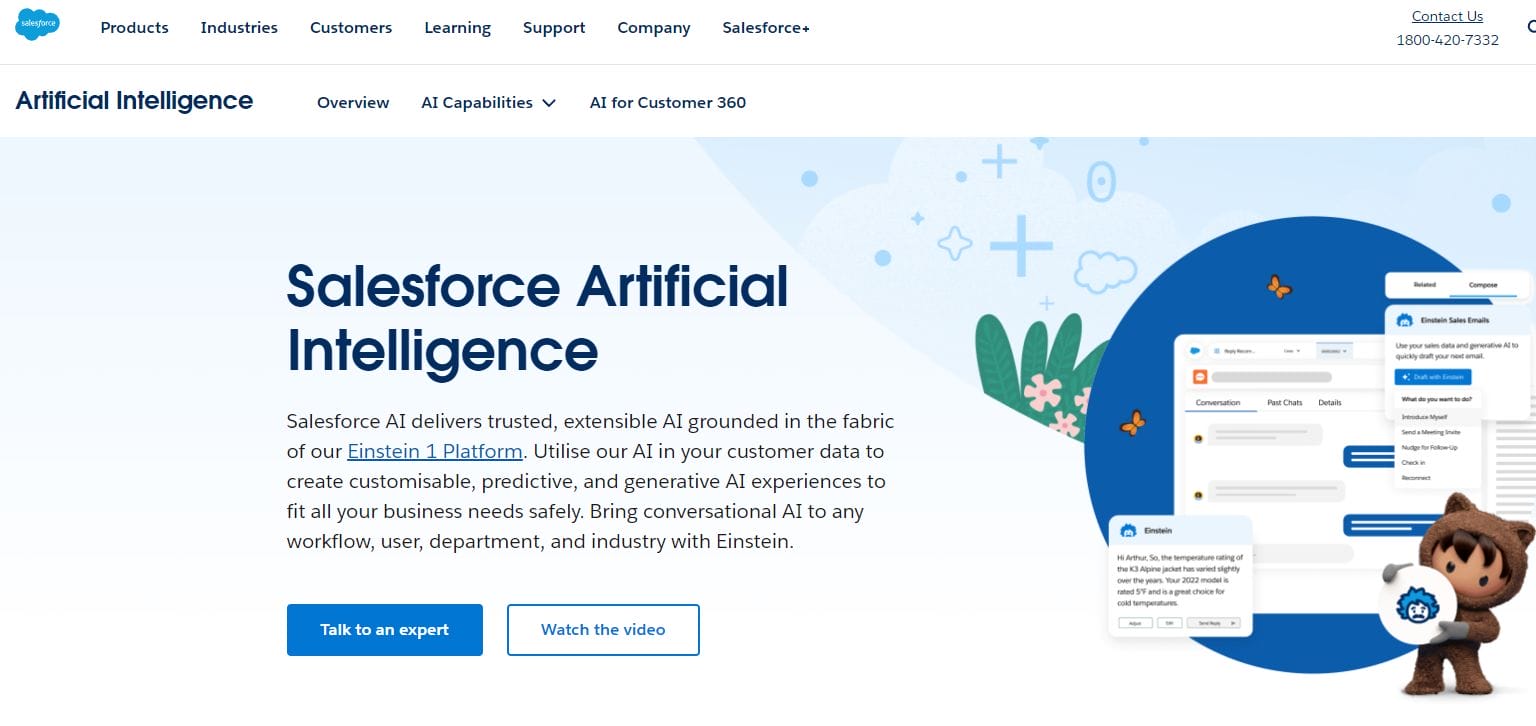
When I got my hands on Salesforce Einstein, I finally understood why it’s often called the gold standard of AI-powered CRM platforms. This tool goes far beyond the traditional CRM setup — it uses machine learning to analyze massive amounts of customer data and turn it into actionable insights you can actually use.
What impressed me most was how smartly Einstein connects the dots between customer behavior and business outcomes. Whether it’s identifying high-value leads through predictive lead scoring or suggesting the next best action for a sales rep, Einstein feels like having a personal AI assistant that never misses a detail.
2. Zoho CRM Plus
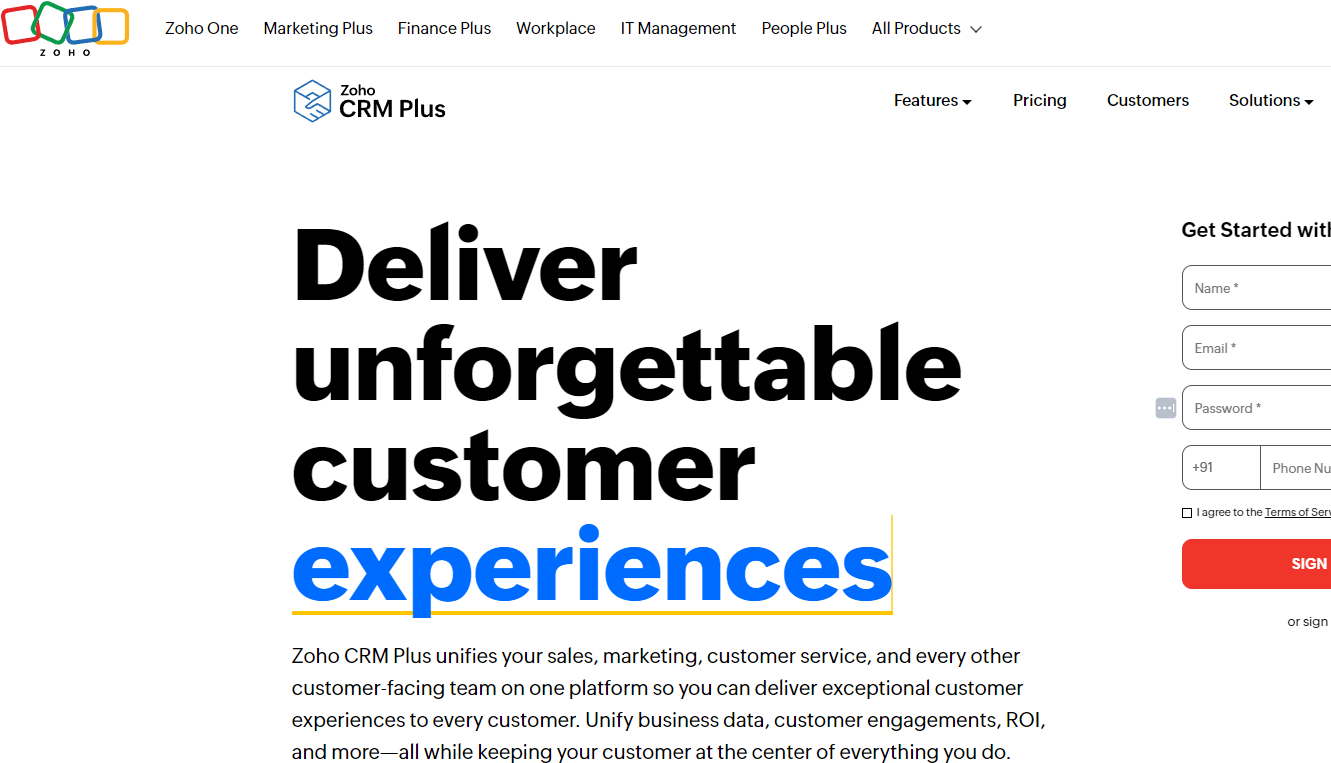
I started testing Zoho CRM Plus, I was honestly surprised by how much it offers in one platform. It’s more than just a CRM — it’s a complete suite of AI-powered tools built to handle everything from sales and marketing to customer support and analytics. What really stood out to me was how seamlessly everything works together. You can move from tracking leads to sending campaigns to analyzing customer feedback — all without ever switching platforms.
The built-in AI assistant, Zia, adds an intelligent layer to your workflow. I found features like lead scoring, sentiment analysis, and predictive forecasting incredibly helpful. For example, Zia automatically analyzed email interactions and customer conversations to predict which leads were most likely to convert. It even picked up on tone and emotion in messages — helping me better understand how customers felt before responding.
3. HubSpot CRM

When I first started using HubSpot CRM, I immediately understood why so many businesses — especially growing startups — love it. It’s incredibly user-friendly, visually clean, and loaded with AI-powered tools that make managing customer relationships feel effortless. Everything you need — from tracking contacts and deals to automating repetitive sales tasks — is neatly organized in one intuitive dashboard.
One feature that really caught my attention was predictive lead scoring. Instead of manually guessing which leads were worth pursuing, HubSpot’s AI analyzed customer interactions and past data to automatically highlight the most promising opportunities. This not only saved me a ton of time but also helped me focus on leads that were actually ready to convert.
4. Oracle Adaptive Intelligent Apps for CRM
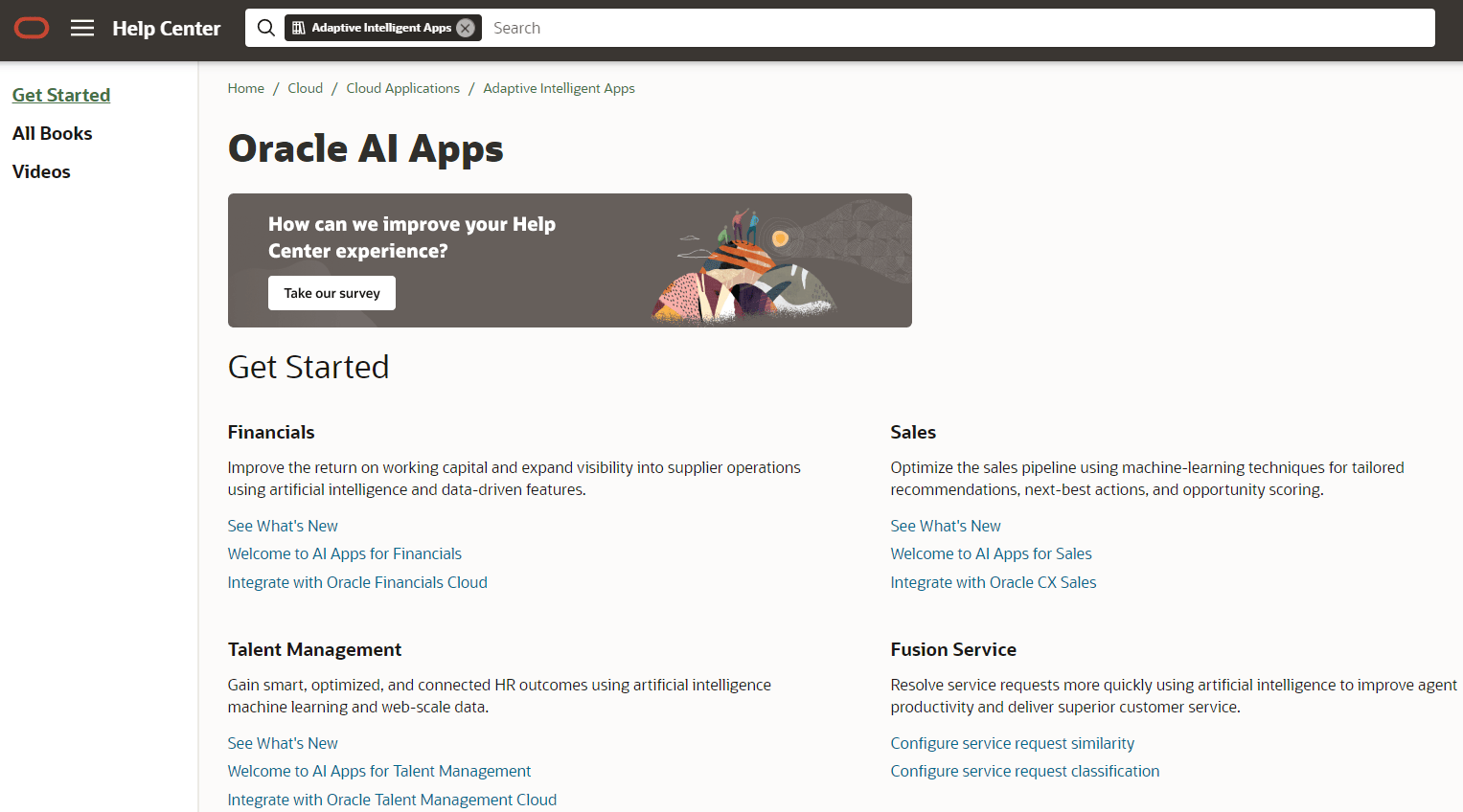
I tried out Oracle Adaptive Intelligent Apps for CRM, I could immediately tell it was built for businesses that take data seriously. This isn’t your average CRM solution — it’s a powerful suite of AI-powered applications designed to help companies make smarter, faster, and more strategic decisions. What really stood out to me was how seamlessly Oracle’s AI engine connected data from multiple sources to create clear, actionable insights that drive real business outcomes.
The platform’s predictive analytics and recommendation engine felt like having a built-in strategist on my team. For example, it could identify which customers were most likely to make a purchase or even suggest the best product recommendations based on their behavior and history. These small yet impactful insights made it easier to personalize customer experiences and improve engagement at every stage of the buyer journey.
5. Microsoft Dynamics 365 AI for Sales
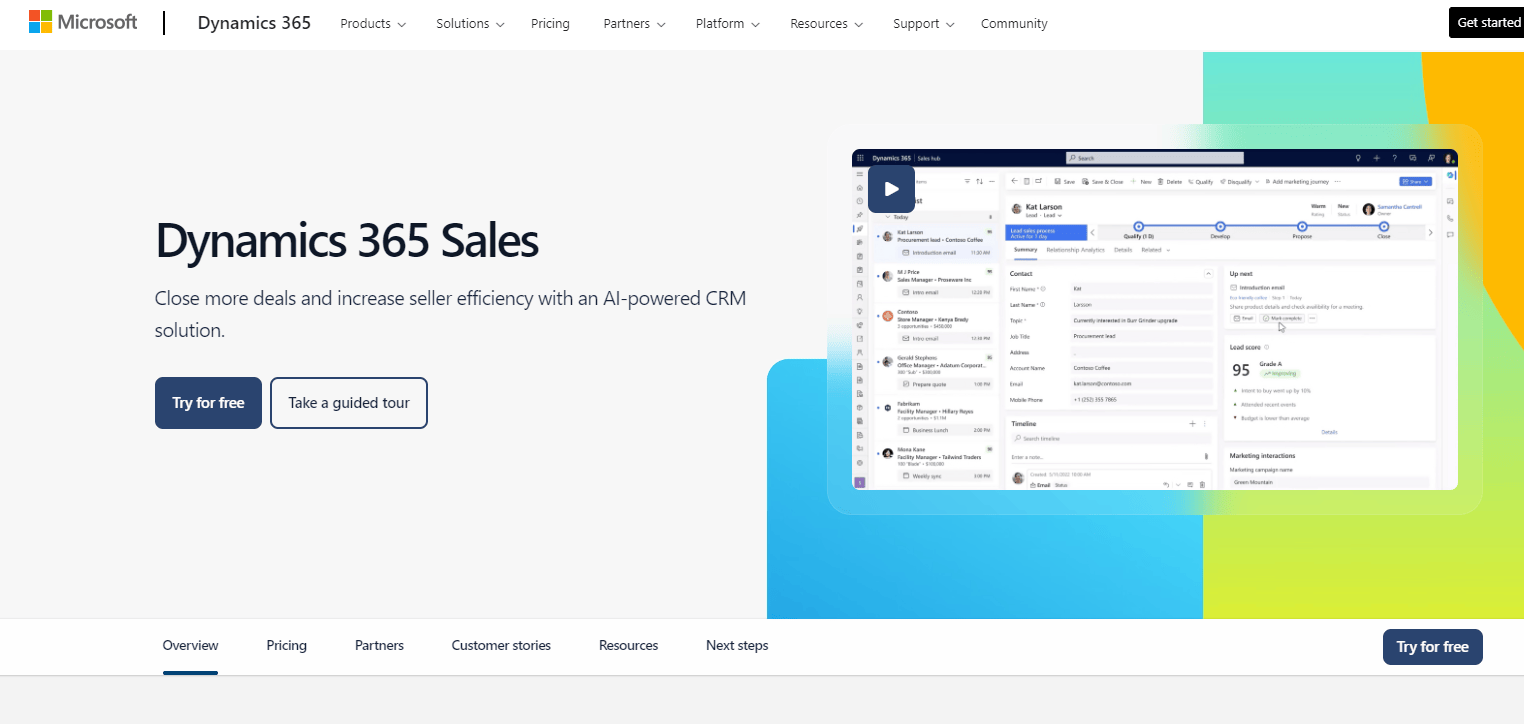
I first started using Microsoft Dynamics 365 AI for Sales, I was curious to see how much of a difference AI-powered sales tools could really make — and honestly, the results were impressive. This platform completely changes how sales teams interact with customers by adding a layer of intelligence and personalization that feels both proactive and natural.
What I loved most was how easily Dynamics 365 AI for Sales turned raw customer data into meaningful, AI-driven insights. Within minutes, I could see which leads were most likely to convert, what opportunities were heating up, and where my team should focus our energy next. The predictive lead scoring and sales forecasting features were spot-on — giving me a clear picture of future trends and helping me make smarter, faster decisions.
6. Pipedrive Insights
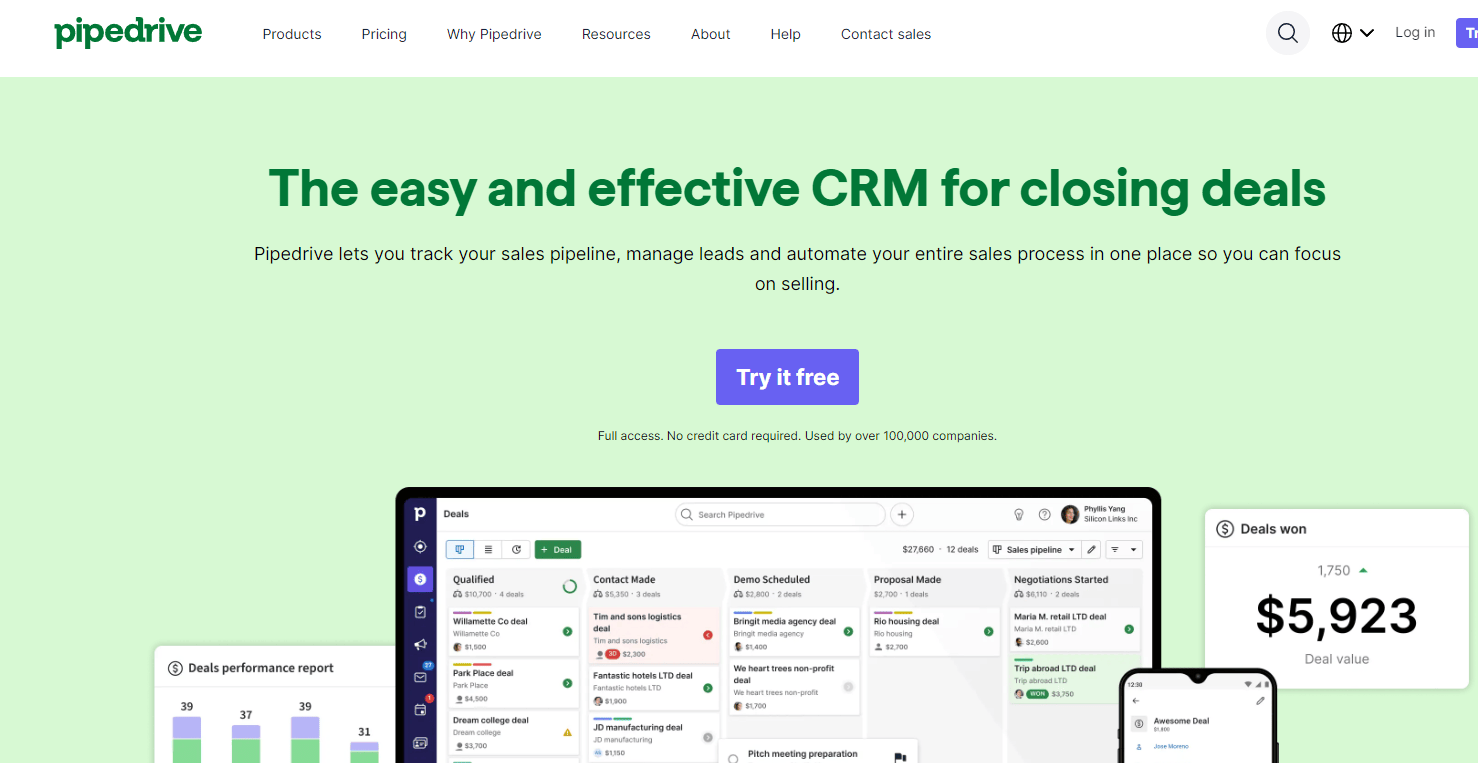
I started exploring Pipedrive Insights, I was genuinely surprised by how much clarity it brought to my sales data. It’s not just another dashboard tool — it’s a smart, AI-driven sales analytics platform that gives you a complete picture of your sales performance in real time. What I really liked is how Pipedrive makes complex data feel easy to understand, even if you’re not a data expert.
As I used it, I could instantly track key sales metrics, identify performance trends, and forecast future outcomes with surprising accuracy. The customizable dashboards were one of my favorite features — they let me visualize exactly what mattered most, whether it was team performance, deal progress, or conversion rates. Having that level of pipeline visibility made it so much easier to spot bottlenecks and act on them before they became real problems.
7. Zendesk Sunshine
I started using Zendesk Sunshine, I quickly realized it’s not just a CRM — it’s an intelligent, flexible platform that brings together AI-powered tools for sales, marketing, and customer service in one place. What really stood out to me was how seamlessly it helped me understand my customers on a deeper level. The AI-driven insights didn’t just show me numbers — they revealed patterns, preferences, and even emotions behind each interaction.
One of the most impressive features for me was the sentiment analysis. It analyzed customer messages and support tickets to gauge mood and satisfaction, helping me respond with the right tone and empathy. That small but powerful touch made a huge difference in building trust and improving overall customer engagement.
8. Freshsales AI Sales Assistant
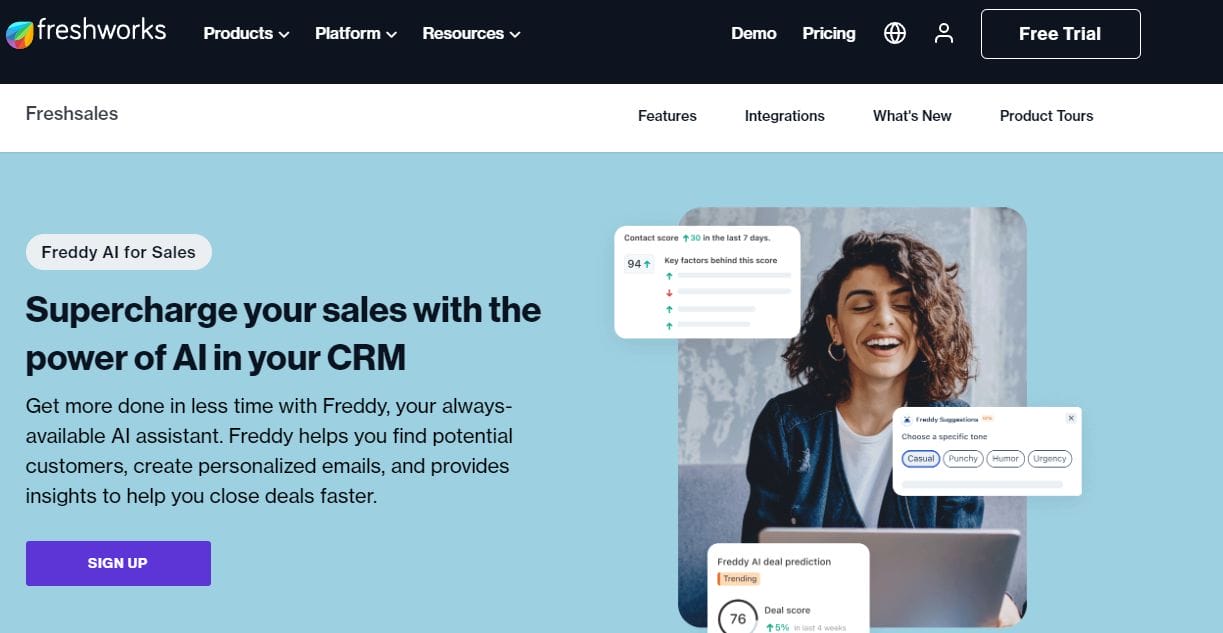
I first tried Freshsales AI Sales Assistant (Freddy AI), I was genuinely impressed by how much it simplified my daily sales workflow. It’s not just another CRM add-on — it’s a smart AI-powered sales assistant that takes care of all the small but time-consuming tasks so you can focus on what truly matters: closing deals and building customer relationships.
One thing I immediately appreciated was how Freddy AI brought clarity to my sales process. The lead scoring feature, for example, automatically analyzed each prospect based on their interactions and engagement level. Within minutes, I knew exactly which leads were worth pursuing and which ones needed more nurturing — something that used to take hours of manual analysis.
9. Agiloft AI Engine
I tested Agiloft AI Engine, I quickly realized it’s a must-have for anyone dealing with complex contract management processes. Unlike traditional contract tools, this one uses AI-powered automation to handle everything from drafting and reviewing to tracking and renewing contracts — and it does it all with impressive accuracy.
What really stood out to me was how smart the system’s AI contract analysis is. It automatically scanned my contracts, highlighted key clauses, and even identified potential risks using clause extraction and risk scoring. That meant I didn’t have to spend hours combing through legal language — the AI did the heavy lifting and presented clear, actionable insights.
10. SugarCRM Hint
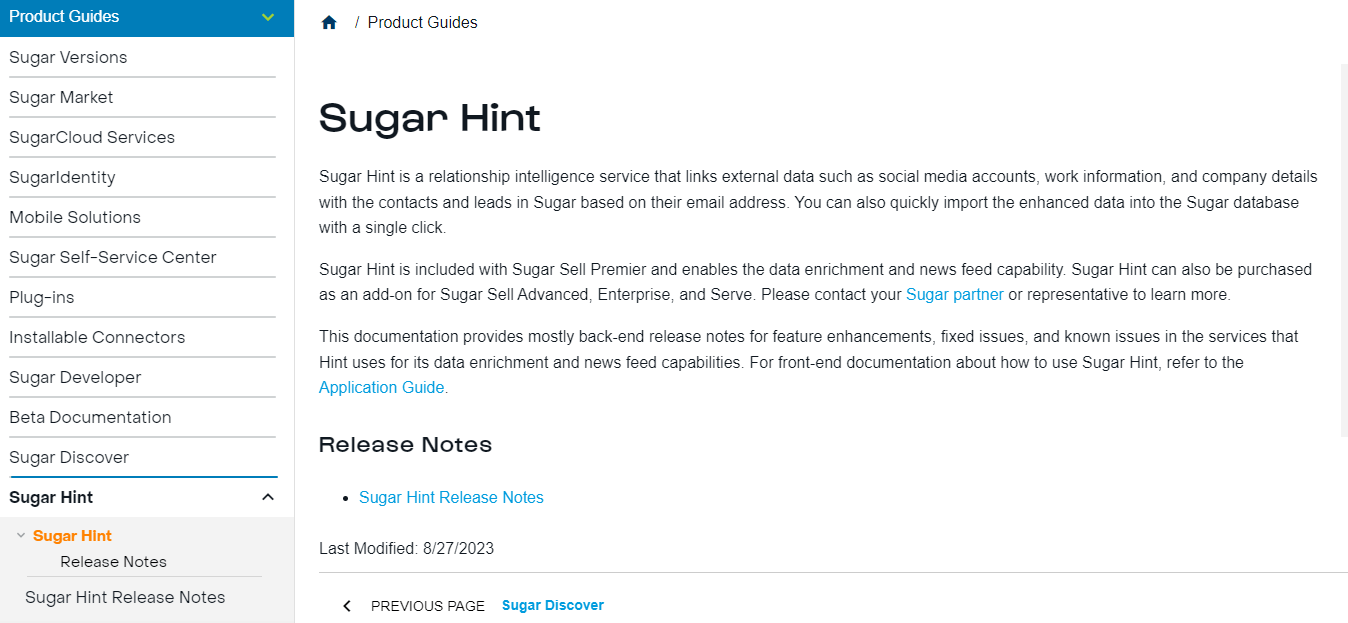
I started using SugarCRM Hint, I immediately noticed how much easier it made understanding my leads and customers. It’s not your typical CRM add-on — it’s an AI-powered data enrichment tool that automatically gathers and updates contact details, helping you get a complete view of every customer without manual research. Honestly, it felt like having a digital research assistant that never misses a beat.
What impressed me most was the AI-driven lead enrichment feature. With just an email address, SugarCRM Hint pulled in detailed information about contacts — from company data to social media profiles — giving me a 360° view of who I was engaging with. This level of customer intelligence helped me personalize outreach and make my conversations feel more genuine and informed.
Also Read: Best AI Tools For Data Visualization 2024
Factors to Consider When Choosing an AI CRM Tool
Here are some key factors to consider:
- Integration Capabilities: Ensure that the AI CRM tool integrates seamlessly with your existing systems, such as your CRM software, marketing automation platform, and other essential tools. This integration capability is crucial for data consistency and efficiency in your operations.
- Scalability and Customization: Choose a tool that can scale with your business growth and offer customization options to adapt to your specific needs. Look for features that allow you to tailor the tool to match your unique processes and workflows.
- User-Friendliness: Opt for an AI CRM tool that is intuitive and easy to use for your team members. A user-friendly interface reduces the learning curve and encourages adoption, leading to better utilization of the tool’s capabilities.
- Ease of Implementation: Consider the implementation process and time required to set up the AI CRM tool. Look for tools that offer straightforward implementation processes and provide support or resources to assist you during the setup phase.
- Pricing and Support: Evaluate the pricing structure of the AI CRM tool, including any subscription fees, licensing costs, or additional charges for premium features. Also, assess the level of support provided by the vendor, such as customer service availability, documentation, and training resources.
- Data Security and Compliance: Prioritize data security and compliance features when selecting an AI CRM tool. Ensure that the tool adheres to industry standards and regulations regarding data privacy, such as GDPR or CCPA, and offers robust security measures to protect sensitive information.
- Performance and Reliability: Assess the performance and reliability of the AI CRM tool, including factors like uptime, speed, and responsiveness. Look for reviews or testimonials from existing users to gauge the tool’s performance in real-world scenarios.
- Advanced Features and Functionality: Evaluate the advanced features and functionality offered by the AI CRM tool, such as predictive analytics, natural language processing, or sentiment analysis. Consider whether these features align with your business goals and will provide tangible benefits in improving customer relationships and driving growth.
Also Read: 12 Best WordPress Accessibility Plugins 2024
Future Trends in AI CRM
Here are some key trends to watch out for:
- Predictive Analytics Advancements: The future of AI CRM will see significant advancements in predictive analytics capabilities. AI algorithms will become more sophisticated in analyzing customer data and predicting future behaviors, enabling businesses to anticipate customer needs and personalize interactions at a granular level.
- Hyper-Personalization: Hyper-personalization will become the norm in AI CRM, driven by advancements in AI-powered recommendation engines and customer segmentation techniques. Businesses will be able to deliver highly tailored experiences to individual customers based on their preferences, behaviors, and past interactions.
- Integration of Natural Language Processing (NLP): NLP will play a crucial role in AI CRM, enabling businesses to analyze and understand unstructured data from various sources, such as customer emails, social media posts, and chat transcripts. This will facilitate more meaningful interactions with customers and enhance the quality of customer service.
- Omnichannel Customer Engagement: AI-powered CRM systems will support seamless omnichannel customer engagement across multiple touchpoints, including websites, mobile apps, social media, email, and messaging platforms. This will enable businesses to deliver consistent and cohesive experiences to customers throughout their journey.
- Automation of Routine Tasks: AI will continue to automate routine tasks and workflows in CRM systems, freeing up time for sales and customer service teams to focus on higher-value activities. AI-powered chatbots and virtual assistants will handle common inquiries and support requests, providing faster response times and improving efficiency.
- Emotional AI: Emotional AI, also known as affective computing, will enable AI CRM systems to recognize and respond to human emotions. This will allow businesses to gauge customer sentiment more accurately and tailor their interactions accordingly, leading to better customer satisfaction and loyalty.
- Ethical AI and Responsible Data Use: With increased data privacy and ethics scrutiny, AI CRM systems will prioritize responsible data use and ethical AI practices. Businesses will need to ensure transparency, fairness, and accountability in their AI algorithms and processes to build trust with customers and comply with regulatory requirements.

Conclusion
The integration of Artificial Intelligence (AI) into Customer Relationship Management (CRM) systems has become a game changer in how businesses understand, engage, and retain their customers. In today’s data-driven world, AI transforms CRM from a traditional record-keeping tool into a dynamic, intelligent system that continuously learns and evolves with customer behavior.
By harnessing AI’s predictive capabilities, businesses can anticipate customer needs, deliver personalized experiences, and make more informed decisions that drive stronger relationships and higher conversions. AI-powered CRM tools analyze vast volumes of customer data in real time—identifying patterns, forecasting trends, and uncovering opportunities that might otherwise go unnoticed.
Automation also plays a crucial role. With AI handling repetitive administrative tasks such as data entry, follow-ups, and lead scoring, sales and marketing teams can focus on what truly matters—building meaningful connections and driving revenue growth. The result is a more efficient workflow, reduced human error, and faster response times, all of which contribute to a superior customer experience.
Interesting Reads:
AI tools for contract management

