

AI tools for project management are spearheading a paradigm shift in how businesses strategize, execute, and oversee their projects. In the realm of modern business, where competition is fierce and agility is paramount, project management holds a pivotal role. It serves as the linchpin that coordinates resources, schedules, and tasks to bring projects to fruition effectively. However, the traditional methods of project management often grapple with complexities, inefficiencies, and unforeseen challenges, leading to delays and suboptimal outcomes.
Enter AI-powered project management tools, heralding a new era of innovation and efficacy. Leveraging the prowess of artificial intelligence, these tools are redefining project management processes, offering a suite of advanced functionalities that empower organizations to navigate intricate projects with finesse and agility. From automating routine tasks to offering predictive analytics, AI augments decision-making processes, enhances productivity, and fosters proactive problem-solving. As businesses strive for operational excellence in an ever-evolving landscape, AI tools for project management emerge as indispensable assets, propelling organizations toward success with unprecedented efficiency and foresight.

Quick Links
What Does AI Project Management Software Do?
AI project management software integrates artificial intelligence technology into various aspects of project planning, execution, and monitoring. It augments traditional project management processes by offering advanced functionalities and capabilities that enhance efficiency, accuracy, and decision-making. Here’s how AI-driven project management software transforms key areas of project management:
Project Planning:
AI project management software leverages historical project data and predictive analytics to assist in project planning. It can analyze past project outcomes, identify patterns, and generate predictive models to estimate project timelines, budgets, and resource requirements more accurately. By providing insights into potential risks and opportunities, AI helps project managers develop more robust project plans.
Resource Allocation:
AI algorithms optimize resource allocation by analyzing project requirements, team member skills, and availability. It can identify the most suitable resources for specific tasks, balance workloads, and anticipate resource shortages or overloads. With AI-driven resource allocation, project managers can ensure that resources are utilized efficiently, leading to improved project outcomes and productivity.
Task Management:
AI project management software automates routine task management processes, such as task assignment, scheduling, and progress tracking. It can prioritize tasks based on urgency and dependencies, assign tasks to the most appropriate team members, and provide real-time updates on task status. AI-driven task management streamlines workflows, reduces manual effort, and minimizes the risk of delays or oversights.
Decision-Making:
AI technology facilitates data-driven decision-making by analyzing vast amounts of project data and generating actionable insights. It can identify trends, patterns, and correlations within project data, helping project managers make informed decisions regarding project strategies, resource allocation, and risk mitigation. AI-driven decision support systems empower project managers to anticipate challenges and proactively address them, leading to more successful project outcomes.
Also Read: Acing Digital Marketing: 8 Tips for eLearning Providers
Benefits of Using AI Project Management Software
AI project management software offers a multitude of benefits that streamline project execution, enhance decision-making, and drive organizational success. Here are some key advantages of leveraging AI-driven tools in project management:
- Enhanced Efficiency: AI automates repetitive tasks, streamlines workflows, and optimizes resource allocation, enabling teams to accomplish more in less time. By reducing manual effort and minimizing delays, AI project management software boosts overall project efficiency.
- Improved Accuracy: AI algorithms analyze vast amounts of project data to generate accurate predictions, forecasts, and insights. This helps project managers make informed decisions and mitigate risks more effectively, leading to improved project outcomes and higher success rates.
- Real-time Insights: AI-driven project management software provides real-time updates on project progress, task statuses, and resource utilization. This enables project managers to monitor projects closely, identify issues early, and take timely corrective actions to keep projects on track.
- Predictive Analytics: By leveraging historical project data and predictive analytics, AI software can forecast project timelines, budgets, and resource requirements more accurately. This enables project managers to plan and allocate resources effectively, reducing the likelihood of cost overruns or schedule delays.
- Proactive Problem-solving: AI technology detects potential risks, bottlenecks, and inefficiencies in project workflows, allowing project managers to address issues proactively before they escalate. This proactive approach minimizes project disruptions and enhances overall project stability.
- Optimized Resource Allocation: AI algorithms analyze project requirements, team member skills, and availability to optimize resource allocation. This ensures that resources are allocated efficiently, workloads are balanced, and project teams operate at peak productivity levels.
- Adaptive Planning: AI project management software adapts to changing project conditions and dynamic environments by continuously analyzing data and adjusting plans accordingly. This agility enables project managers to respond quickly to unforeseen challenges and capitalize on emerging opportunities.
- Cost Savings: By automating repetitive tasks, reducing manual effort, and optimizing resource utilization, AI project management software helps organizations save time and money. The increased efficiency and productivity result in cost savings across projects and drive overall business profitability.
Also Read: Best AI Image Generator Tools
Key Features to Look for in AI Project Management Software
Selecting the right AI project management software is essential for optimizing project workflows and driving organizational success. Here are some key features to consider when evaluating AI-driven project management tools:
Predictive Analytics:
- Advanced predictive analytics capabilities that leverage AI algorithms to forecast project timelines, budgets, and resource requirements accurately.
- Ability to identify potential risks, bottlenecks, and opportunities based on historical project data and predictive modeling.
Automation:
- Automation of routine project management tasks, such as task assignment, scheduling, and progress tracking, to streamline workflows and minimize manual effort.
- Automated alerts and notifications to keep project teams informed about critical updates, deadlines, and milestones.
Resource Optimization:
- AI-driven resource allocation and optimization features that analyze project requirements, team member skills, and availability to ensure resources are allocated efficiently.
- Intelligent workload balancing to prevent resource shortages or overloads and maximize team productivity.
Real-time Monitoring:
- Real-time monitoring dashboards and reports that provide visibility into project progress, task statuses, and resource utilization.
- Interactive data visualizations and customizable analytics tools that enable project managers to track key performance indicators and make data-driven decisions.
Decision Support:
- Decision support systems that leverage AI technology to analyze project data, identify trends, patterns, and correlations, and provide actionable insights.
- AI-powered recommendation engines that assist project managers in making informed decisions regarding project strategies, resource allocation, and risk mitigation.
Task Management:
- Comprehensive task management features, including task creation, assignment, prioritization, and tracking, to ensure seamless collaboration and coordination among project teams.
- AI-driven task prioritization algorithms dynamically adjust task priorities based on project goals, deadlines, and dependencies.
Integration and Compatibility:
- Seamless integration with other software and tools commonly used in project management, such as collaboration platforms, communication tools, and document management systems.
- Compatibility with various operating systems, devices, and browsers to ensure accessibility and flexibility for project teams.
Scalability and Flexibility:
- Scalable architecture that can accommodate projects of various sizes and complexities, from small teams to large-scale enterprise projects.
- Flexible customization options allow organizations to tailor the software to their specific project management needs and workflows.
Also Read: How to List Groups by Ratings in BuddyPress or BuddyBoss
Top AI Tools for Project Management
Here are some best AI tools for project management:
1. ClickUp
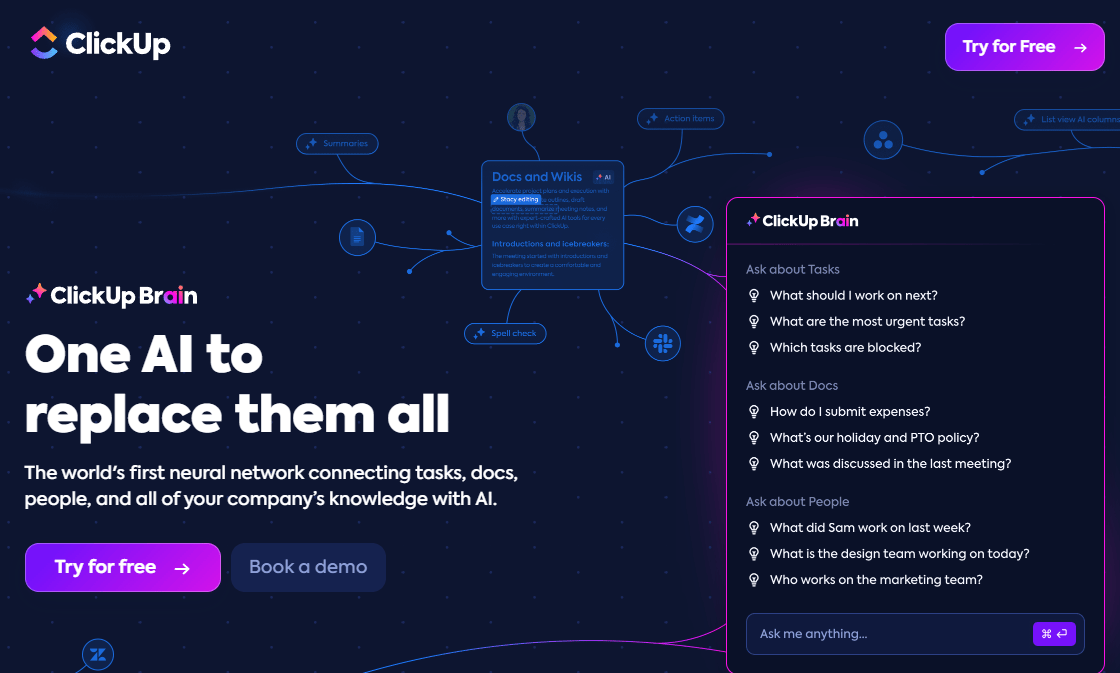
ClickUp is a robust project management platform that offers a wide range of features to help teams collaborate, organize tasks, and track progress effectively. While ClickUp does not exclusively focus on AI-driven capabilities, it integrates AI technology to enhance its project management functionalities. ClickUp’s AI-powered features include task automation, smart scheduling, and predictive analytics. These features leverage machine learning algorithms to automate repetitive tasks, optimize resource allocation, and provide insights into project performance. ClickUp’s intuitive interface and customizable workflows make it easy for teams to adapt to their specific project requirements and collaborate more efficiently. Whether you’re managing a small team or a large enterprise project, ClickUp offers the flexibility and scalability to support your project management needs.
2. Asana
Asana is a comprehensive project management platform designed to help teams organize, track, and manage their work more efficiently. With its intuitive interface and powerful features, Asana enables teams to plan projects, assign tasks, set deadlines, and collaborate seamlessly. What sets Asana apart is its integration of AI-driven capabilities, including predictive analytics, task prioritization, and automated workflows.
These features leverage machine learning algorithms to analyze project data, identify patterns, and provide actionable insights that empower teams to make informed decisions and optimize their workflows. Asana’s AI-powered recommendations help teams allocate resources effectively, identify potential risks, and forecast project timelines more accurately.
3. Trello
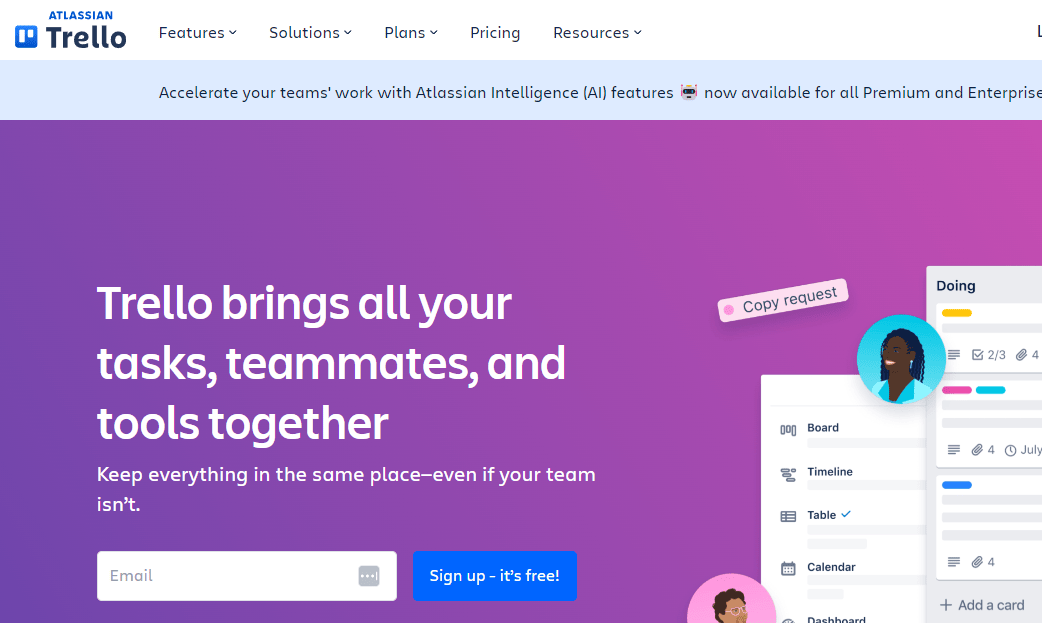
Trello is a popular project management tool known for its simplicity and flexibility. While Trello does not have built-in AI capabilities, it integrates with third-party AI plugins and extensions to enhance its functionalities. These plugins leverage AI technology to automate task assignments, analyze project data, and provide insights into team performance. Trello’s visual interface, customizable boards, and drag-and-drop functionality make it easy for teams to organize tasks, track progress, and collaborate in real-time. With its extensive library of AI-powered plugins, Trello offers the flexibility to customize your project management experience and enhance productivity.
Also Read: Best Realistic AI Photo Generators in 2024
4. Monday.com
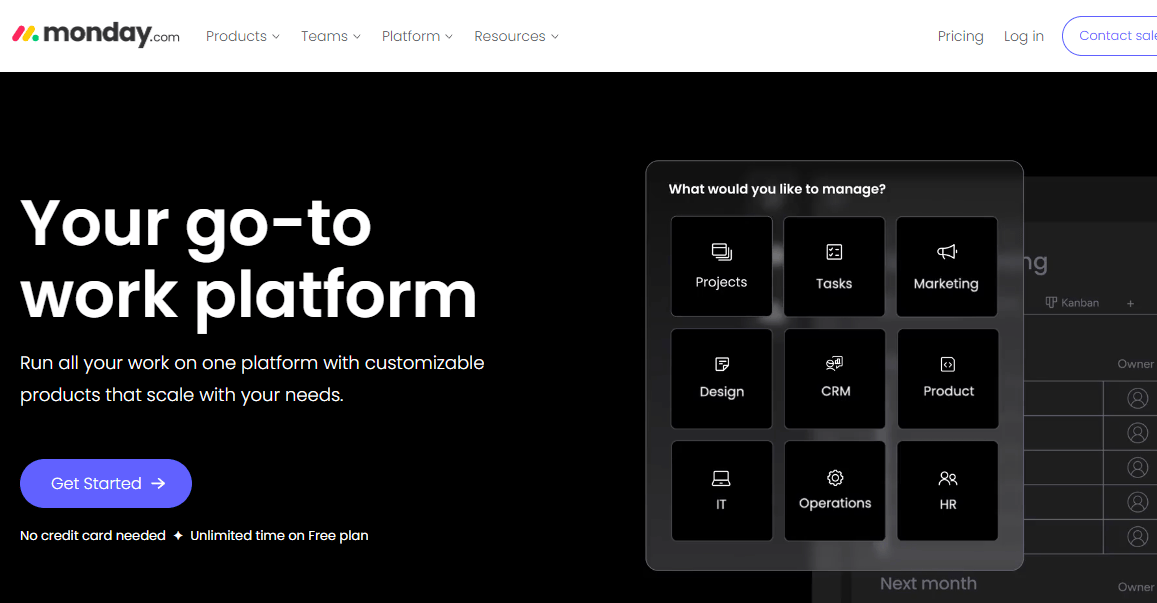
Monday.com is a versatile work operating system that empowers teams to manage projects, workflows, and collaboration in one centralized platform. While Monday.com does not solely focus on AI-driven capabilities, it incorporates AI technology to enhance its project management functionalities. Monday.com’s AI-powered features include task automation, predictive analytics, and data visualization. These features leverage machine learning algorithms to automate repetitive tasks, identify project trends, and provide actionable insights that enable teams to make informed decisions. Monday.com’s customizable dashboards, interactive timelines, and collaborative features make it easy for teams to plan, execute, and track projects more effectively. Whether you’re managing a small team or a large-scale project, Monday.com offers the flexibility and scalability to support your project management needs.
5. Wrike
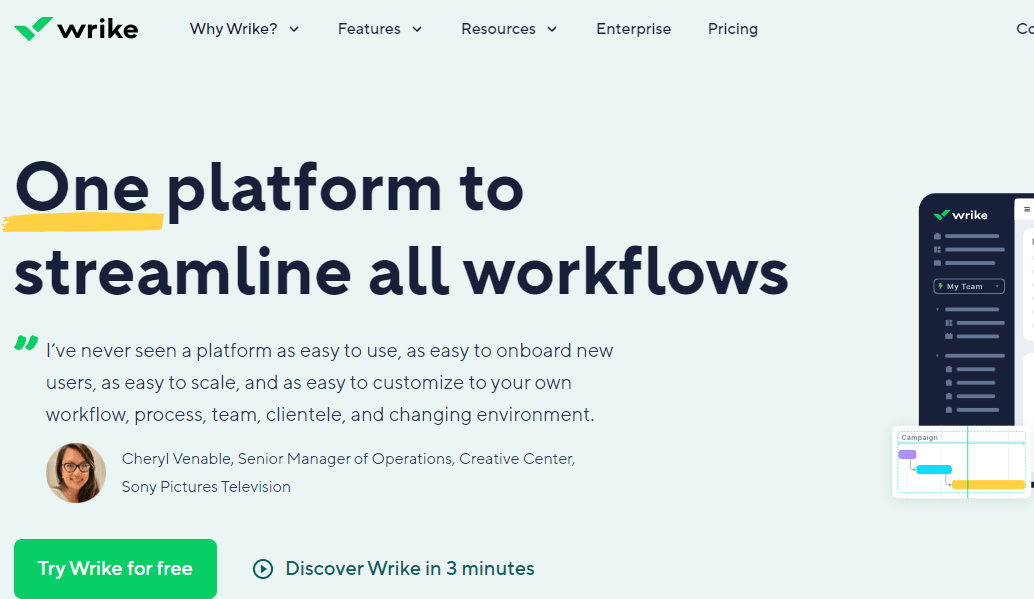
Wrike is a cloud-based project management platform that helps teams collaborate, plan, and execute projects more efficiently. While Wrike does not exclusively focus on AI-driven capabilities, it integrates AI technology to enhance its project management functionalities. Wrike’s AI-powered features include task prioritization, predictive analytics, and automated workflows.
These features leverage machine learning algorithms to analyze project data, identify patterns, and provide insights that enable teams to optimize their workflows and make informed decisions. Wrike’s customizable dashboards, interactive Gantt charts, and real-time collaboration tools make it easy for teams to plan, track, and manage projects of any size or complexity. Whether you’re managing a small team or a large enterprise project, Wrike offers the flexibility and scalability to support your project management needs.
6. Smartsheet
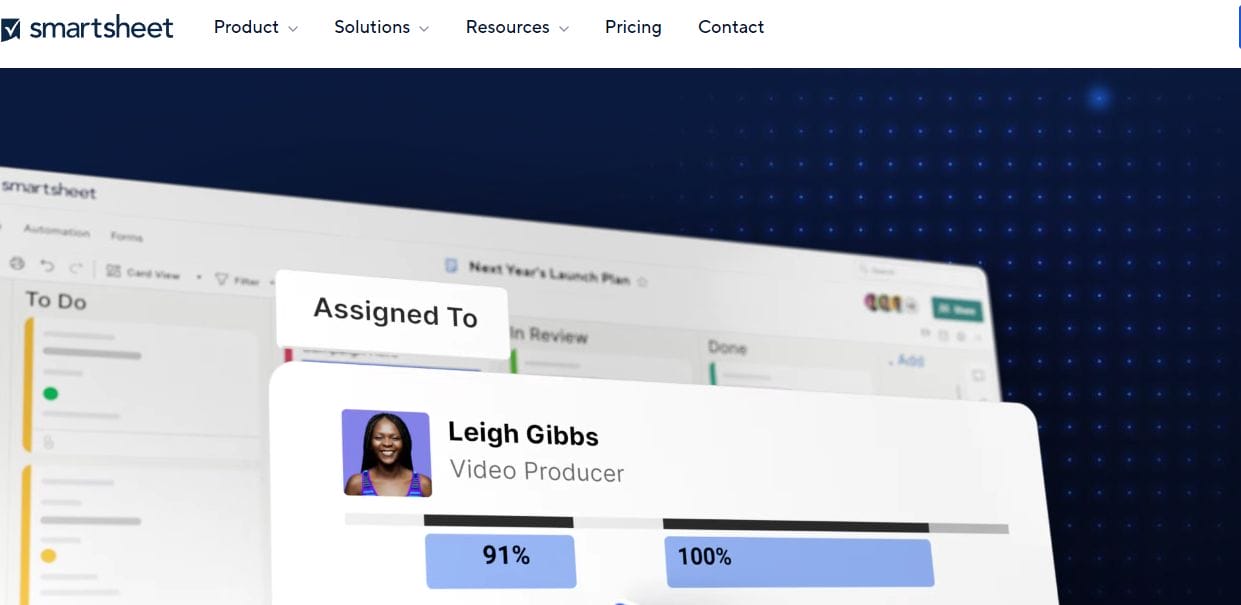
Smartsheet is a dynamic work execution platform that enables teams to collaborate, automate, and scale their work more effectively. While Smartsheet does not exclusively focus on AI-driven capabilities, it integrates AI technology to enhance its project management functionalities. Smartsheet’s AI-powered features include automated workflows, predictive analytics, and data visualization. These features leverage machine learning algorithms to automate repetitive tasks, identify project trends, and provide insights that enable teams to make data-driven decisions. Smartsheet’s customizable templates, interactive dashboards, and robust integrations make it easy for teams to plan, execute, and track projects in real-time. Whether you’re managing a small team or a large-scale project, Smartsheet offers the flexibility and scalability to support your project management needs.
Also Read: How to Achieve More with Daily Planner in BuddyPress
7. Teamwork

Teamwork is a comprehensive project management platform that helps teams collaborate, organize, and execute projects more efficiently. While Teamwork does not exclusively focus on AI-driven capabilities, it integrates AI technology to enhance its project management functionalities. Teamwork’s AI-powered features include task automation, predictive analytics, and resource optimization. These features leverage machine learning algorithms to automate repetitive tasks, identify project risks, and optimize resource allocation. Teamwork’s customizable workflows, interactive reports, and real-time collaboration tools make it easy for teams to plan, track, and manage projects of any size or complexity. Whether you’re managing a small team or a large enterprise project, Teamwork offers the flexibility and scalability to support your project management needs.

Conclusion
In conclusion, the transformative role of AI in project management cannot be overstated. As businesses navigate increasingly complex projects and dynamic environments, AI-powered tools offer invaluable support in optimizing workflows, enhancing decision-making, and driving project success. By leveraging advanced analytics, automation, and predictive capabilities, AI enables teams to streamline processes, identify opportunities, and mitigate risks more effectively than ever before. Embracing AI tools for project management is not just about staying competitive; it’s about empowering teams to achieve their full potential and deliver exceptional results. Therefore, businesses are encouraged to embrace AI tools wholeheartedly, harnessing their capabilities to improve project outcomes, drive organizational success, and pave the way for a future of innovation and growth.
Interesting Reads:

