

UGC stands for user-generated content. This means any content like photos, videos, reviews, or social media posts that regular people (not brands) create and share online, often about products they’ve used or experiences they’ve had.
In today’s world, people trust other people more than polished ads. That’s why UGC matters—it shows what real customers think and feel, making it easier for others to trust the brand. It’s like word-of-mouth but through posts, pictures, and comments.
Here, we will show you what UGC marketing really is, why it works so well, and how top brands are using it to grow fast. We’ll also share tips on how you can start using UGC for your own brand, even if you’re just getting started.
Quick Links
What is UGC Marketing?
UGC marketing is when a brand shares or promotes content made by its customers. This could be a glowing review, an unboxing video, a photo of a product in use, or a funny TikTok about their service. The content comes from the community, not the company itself.
People trust UGC because it feels more real. If someone sees a friend or another regular person using a product and loving it, they’re more likely to believe it than if it came from a paid ad. It’s social proof—when others approve, we’re more likely to join in.
Brands often encourage UGC by running hashtag campaigns, reposting customer photos, or holding contests. The key is to let people express themselves naturally and make them feel seen by the brand.
Benefits of UGC Marketing for Brands
UGC makes a brand feel more trustworthy. When real people show how much they enjoy something, others pay attention. It builds a stronger connection than a company’s own messaging ever could.
It also saves money. Instead of spending big on photo shoots or ads, brands can use what their customers are already posting. It’s like getting free content that’s already proven to work.
Plus, UGC usually brings more likes, shares, and comments. It drives engagement and helps turn casual viewers into loyal customers. Seeing other people enjoy a product makes others want to join in and be part of the community.
12 Brands Winning Big with UGC
1. GoPro – Adventure Content from Users Worldwide
GoPro makes action cameras that people use while surfing, hiking, skydiving, and doing other wild adventures. What makes GoPro special is that they don’t just show their own footage—they highlight videos and photos made by real users around the world.
People love sharing their daring GoPro clips, and the brand reposts the best ones on social media and even in their ads. This makes users feel like they’re part of the brand story.
Because the content is real and exciting, new customers can actually see what the camera can do. It feels authentic and helps others imagine their own adventures with a GoPro in hand.
2. Starbucks – Seasonal Hashtag Campaigns (#RedCupContest)
Every holiday season, Starbucks releases special red cups for their drinks. They encourage fans to share photos using the hashtag #RedCupContest, showing off their drinks and cozy winter vibes.
People get really creative—drawing on the cups, adding winter scenes, or posing in fun holiday settings. Starbucks often shares these photos, giving fans a chance to be noticed.
It’s a fun way to get people talking about the brand during the holidays without needing big ad campaigns. And because it’s about personal style and warm feelings, it really connects.
3. Apple – “Shot on iPhone” Campaign
Apple doesn’t just tell people their cameras are good—they show it by sharing photos taken by everyday iPhone users. The “Shot on iPhone” campaign highlights amazing real photos on billboards, social media, and in stores.
This makes users feel proud of their work, and it proves that anyone can take stunning pictures with just their phone. Apple picks the best ones and credits the original creators.
The campaign also gives people ideas on how to get the most out of their iPhones. It turns regular users into artists and builds trust without using fancy advertising language.
4. Glossier – Customers as Models and Ambassadors
Glossier is a makeup and skincare brand that truly listens to its fans. Instead of using super-polished models, they often feature customers in their photos, videos, and website.
They repost selfies and reviews from people who actually use the products. Fans love seeing themselves celebrated by the brand—they feel like insiders, not just buyers.
Glossier built a loyal community by focusing on real people and real skin. It makes the brand feel more human, and fans are eager to share their own looks to be featured.
5. Coca-Cola – Share a Coke Campaign
Coca-Cola once released bottles with names printed on them and invited people to “Share a Coke” with friends. It became a viral hit because people started looking for bottles with their own or their friends’ names.
Customers would post photos with their personalized Coke bottles, often tagging the brand or using hashtags. Coca-Cola shared many of these photos, turning the campaign into a huge online movement.
It wasn’t just about soda—it became about personal connection and fun moments. People felt seen and excited to join in, all from a simple bottle design.
6. Wayfair – #WayfairAtHome Community Posts
Wayfair is an online store for home furniture and decor. They started a hashtag called #WayfairAtHome where customers share how they’ve styled their spaces using Wayfair products.
The brand often reposts these photos to inspire others and show their products in real homes, not just in catalog-style rooms. It helps shoppers imagine how items will look in their own spaces.
This UGC approach builds a cozy, relatable vibe and makes shopping feel more real. Customers become proud home decorators, and others get new ideas for their own spaces.
7. Lush Cosmetics – Authentic Skincare Videos from Fans
Lush is known for fresh, handmade cosmetics—think colorful bath bombs and natural skincare. Fans love sharing videos of their bath routines, product reactions, and glowing skin results.
Instead of running big commercial ads, Lush highlights these real, personal stories from customers. The videos feel fun, unfiltered, and totally authentic.
By letting users lead the way, Lush builds trust and shows that their products really work—no filters, no actors, just happy fans doing their thing.
8. Netflix – Meme-Worthy Fan Content
Netflix leans into fan creativity. People often make memes, GIFs, or funny takes about their favorite shows. Netflix doesn’t just watch—it joins in by sharing the best fan-made content on its social pages.
This makes fans feel like part of the fun, especially when their jokes get shared by a big brand. It also keeps Netflix’s social media pages fresh and entertaining without having to create all the content themselves.
It’s a two-way relationship: fans show love for shows, and Netflix shows love right back. That builds a strong connection with viewers.
9. Sephora – Beauty Insider Community
Sephora created a special online space where makeup lovers can share looks, review products, and ask beauty questions. It’s called the Beauty Insider Community, and it’s filled with UGC from fans.
People post photos of their makeup, write honest reviews, and share tips. Sephora often highlights these posts on their own site and social channels.
This turns customers into beauty experts and helps others trust the products. It feels less like shopping and more like being part of a beauty club.
10. LEGO – LEGO Ideas for Fan-Built Sets
LEGO fans are incredibly creative, and LEGO encourages it with their LEGO Ideas platform. Users can submit their own set designs, and if enough people support the idea, LEGO might actually turn it into a real product.
It’s a dream come true for builders. Imagine seeing your own idea on store shelves! LEGO shares these stories and designs, which inspires even more people to participate.
This UGC approach shows that LEGO listens and values fan creativity. It makes people feel proud and part of the brand’s future.
11. Nike – Featuring Athletes and Everyday Users
Nike is known for working with pro athletes, but they also spotlight everyday people. They share stories of runners, gym-goers, and anyone pushing themselves to do better.
On social media and in ads, you’ll see UGC that shows regular folks wearing Nike and crushing goals. It’s real, inspiring, and easy to connect with.
This balance between big names and everyday heroes makes Nike feel both powerful and personal. Everyone’s journey matters—and Nike helps tell those stories.
12. Airbnb – User Stories and Home Photos
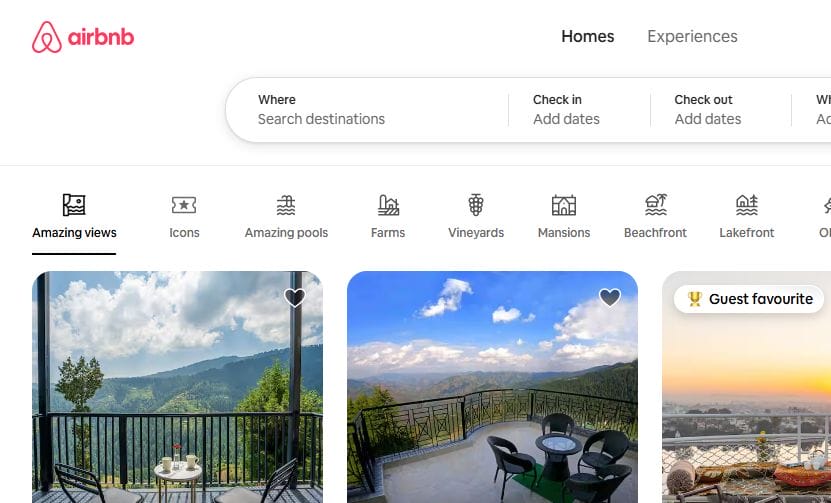
Airbnb doesn’t just show off beautiful homes—they share the stories of people who’ve stayed there. Guests take pictures, post reviews, and tell little tales about their trips.
Airbnb often features this content to show the real experiences you can have when you book through them. It makes their listings feel warm, personal, and trustworthy.
By using photos and words from real travelers, Airbnb builds confidence for new guests and gives hosts a chance to shine too.
What You Can Learn from These Brands
All of these brands stick to their style. Whether it’s bright and fun or clean and inspiring, they keep things consistent. That makes UGC feel like a natural part of their look.
They also know how to get people excited. Contests, shoutouts, and giveaways give fans a reason to post. A little recognition goes a long way when people feel seen.
Hashtags help organize the content. They make it easy for fans to join in and for brands to find great posts. Challenges and themes also give people direction on what to share.
Finally, these brands don’t just leave UGC on Instagram. They use it in ads, emails, websites, and even in stores. It’s not a side thing—it’s part of everything they do.
How to Launch Your Own UGC Strategy
Start by looking at your happiest customers. Who’s already tagging you or posting good reviews? Reach out to them, thank them, and ask if you can share their content.
Next, create a simple, catchy hashtag that fits your brand. Use it in every post and encourage others to use it too. That way, all your UGC is easy to find.
Offer little rewards—maybe a monthly prize, reposts, or discount codes—to make it fun for people to share. People love being featured, especially if it feels personal.
Once you collect UGC, use it! Post it on your feed, in your ads, and on your website. Just make sure to ask for permission first so everyone’s happy.
Tools to Help You Manage and Scale UGC
If UGC starts pouring in, you’ll need some help keeping things organized. Tools like Yotpo and TINT can help you find and display customer content easily.
Stackla and Later are great for planning posts and collecting content by hashtag or username. They make it easy to manage everything in one place.
Canva is helpful if you want to add text or branding to UGC before reposting. It’s simple and beginner-friendly.
These tools can save you time and help you stay consistent. Even if you’re a small brand, they make it easier to look polished and professional.
Mistakes to Avoid in UGC Marketing
One of the biggest mistakes is sharing someone’s photo or video without asking. Always get permission—just a quick DM or comment is usually enough.
Another mistake is pretending everything is perfect. If someone posts something negative but honest, don’t ignore it. Respond kindly or use the feedback to improve.
Some brands collect great UGC but never interact with the creators. Don’t do that. Say thank you, comment, and repost. It builds loyalty and encourages more people to share.
Lastly, don’t post just to fill space. Choose content that fits your brand and speaks to your audience. Quality still matters, even if the content is free.
Final Thoughts
UGC isn’t just a trend—it’s how modern marketing works. People want real, relatable content from other people like them. Brands that get this are winning.
You don’t need a huge budget or team to start. Just begin by asking happy customers to share. From there, keep growing and experimenting.
Over time, you’ll build a community around your brand. And that kind of trust and connection is worth more than any polished ad.
So try it out. Start small, learn what works, and grow with your audience. You might be surprised how far UGC can take you.
Interesting Reads:

