

Fiverr remains a well-known freelance marketplace with a gig-based model and global reach, but its pricing structure, heavy competition, and limited scope are driving many users to look elsewhere.
By 2025, freelancers will prioritize control, fair pay, and quality clients, while businesses want better outcomes, closer collaboration, and deeper specialization. Newer platforms favor proposal-based models, vetting systems, and niche marketplaces that boost transparency and quality.
Although Fiverr is accessible, it often forces freelancers into a low-price race that causes burnout and unstable earnings. Clients can face inconsistent quality and find it hard to form long-term partnerships in their transactional environment. Combined with steep commissions and rating pressure, many experienced freelancers prefer platforms offering more flexibility and control.
Fiverr is user-friendly, but alternatives now offer better pay, vetting, and collaboration for freelancers and businesses alike.

Quick Links
A Shift Toward Proposal-Based Marketplaces
Many of the strongest Fiverr alternatives now operate on a proposal-based model. This means clients post a job or project brief, and freelancers submit tailored proposals highlighting their skills, approach, and pricing. This allows for better matches, deeper communication, and often higher project rates. It’s particularly valuable for professionals in writing, design, marketing, and development who need to understand a project’s scope before determining a price.
Freelancers benefit from this format by being able to showcase their problem-solving skills, share relevant work samples, and negotiate deliverables before agreeing to terms. Clients, in turn, gain confidence that the freelancer understands the assignment and is fully aligned with their goals.
Premium Platforms for Vetted Talent
For experienced freelancers tired of competing with entry-level providers, several platforms now focus exclusively on high-tier talent. These marketplaces vet freelancers through tests, interviews, and portfolio reviews to ensure only the top percentage are accepted. While this may mean more effort during onboarding, it often leads to better-paying clients, longer-term contracts, and fewer disputes.
Businesses using these platforms know they’re accessing elite professionals with verified experience. These environments are ideal for product development, business consulting, UI/UX design, and marketing strategy, where quality matters more than price. Freelancers also appreciate the reduced competition and ability to work with clients who value specialized skills over low cost.
Also Read: White Label Local SEO Services That Help Agencies Scale
Top Fiverr Alternatives to Explore in 2025
With the freelance economy rapidly evolving, several platforms now provide greater flexibility and opportunities than Fiverr. These options focus on fair pricing, long-term client relationships, and higher-quality outcomes.
1. Upwork

Upwork is one of the most widely known alternatives to Fiverr, offering a comprehensive freelancing ecosystem that favors long-term, scalable work. Unlike Fiverr’s gig structure, Upwork uses a proposal-based approach. Freelancers can browse job postings across categories such as writing, development, customer service, marketing, design, and finance, and submit tailored proposals directly to clients.
The platform allows for hourly or fixed-price contracts, with milestone payments, time tracking, and dispute resolution tools built in. For professionals who prefer a deeper, more collaborative relationship with clients and the ability to negotiate rates and scope of work, Upwork presents a more flexible and rewarding environment.
2. Freelancer
Freelancer offers a similar model to Upwork, but with an added twist—freelancers can not only bid on projects but also enter design and content contests to showcase their creativity. This increases visibility and opens the door for newer freelancers to gain traction.
The platform supports a wide range of industries, including programming, graphic design, writing, and business consulting. It’s particularly well-suited to freelancers comfortable with competition-based systems who are confident in delivering quality work that stands out. Freelancer also includes robust project tracking and a milestone-based payment system, giving both parties clarity and protection throughout the engagement.
3. PeoplePerHour
PeoplePerHour blends the simplicity of gig-style selling with the flexibility of proposal-based job bidding. Freelancers can list fixed-price services, called “hourlies,” or browse and bid on custom projects posted by clients. This hybrid model offers freelancers the best of both worlds—visibility through structured offerings and the freedom to negotiate through proposals.
The platform is especially popular in the UK and Europe and serves a wide range of categories from content creation and SEO to mobile app development and virtual assistance. For those seeking a mid-sized marketplace with manageable competition and quality leads, PeoplePerHour is a practical choice.
4. Guru
Guru provides a clean, user-friendly interface that’s well-suited to both individual freelancers and small agencies. It supports multiple types of payment arrangements, including per-task, hourly, recurring, and milestone-based contracts. One of its distinguishing features is the workroom, a collaborative space that allows freelancers and clients to communicate, exchange files, and track progress within a single dashboard.
The platform also enables freelancers to build long-term relationships by creating custom quotes and ongoing contracts. With its flexible tools and emphasis on repeat collaboration, Guru is a solid alternative for those looking to grow a steady freelance business.
5. Toptal

Toptal is geared toward the top echelon of freelancers. Known for its rigorous vetting process, which includes language tests, technical assessments, and interview rounds, Toptal accepts only a small percentage of applicants. The reward, however, is access to some of the highest-paying and most prestigious freelance jobs available.
Freelancers on Toptal often work with tech startups, established enterprises, and leading brands on complex, high-impact projects. This platform is ideal for senior software developers, UI/UX designers, project managers, and financial consultants who are seeking serious work with equally serious compensation.
Also Read: 10 Best Jira Alternatives and Competitors to Power Up Your Projects
6. DesignCrowd
DesignCrowd caters specifically to graphic designers looking to showcase their creativity through competitions. Clients submit briefs, and designers from around the world compete by submitting entries. The client then selects the winning design and pays for it, often with additional compensation for finalists.
For designers just entering the freelance space or looking to expand their exposure, DesignCrowd offers a vibrant community and a steady flow of creative opportunities. It also allows designers to build their portfolios while competing for actual client work in a structured, results-driven format.
7. 99designs
Similar in focus to DesignCrowd but with a more curated feel, 99designs allows designers to connect with clients through either contests or one-on-one projects. Freelancers can list their services, get matched with potential clients, and showcase their work via detailed profiles.
The platform emphasizes branding, logo design, product packaging, and marketing collateral, making it an ideal hub for visual storytellers and creative entrepreneurs. With its strong reputation and premium client base, 99designs suits experienced designers who want more creative freedom and recurring opportunities with quality-focused clients.
8. Truelancer
Truelancer has emerged as a strong alternative, particularly in Asian markets. It covers a broad range of freelance categories, including writing, web development, data entry, and mobile app development. The platform enables freelancers to bid on projects, create fixed-price service packages, and even offer part-time availability for ongoing roles.
With its competitive commission rates and growing user base, Truelancer appeals to freelancers looking to build a consistent workflow without navigating the intense competition seen on larger platforms. It’s also mobile-friendly, making it a good choice for freelancers who want to manage jobs on the go.
9. Workana
Workana is a leading freelance platform in Latin America, offering services in Spanish, Portuguese, and English. It has gained popularity for its cultural alignment with clients across Latin American countries, making it ideal for freelancers fluent in those languages.
Workana follows a proposal-based system, enabling freelancers to build profiles, receive ratings, and pitch directly to clients. The platform supports jobs in tech, translation, writing, admin support, and creative fields. Freelancers appreciate its localized approach, accessible support, and a strong emphasis on long-term working relationships.
10. Outsourcely
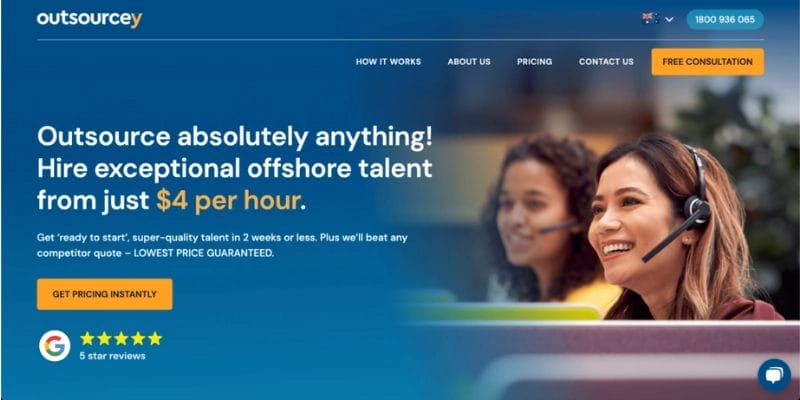
Outsourcely is tailored for remote professionals who prefer stability over short-term gigs. Unlike gig marketplaces, this platform emphasizes ongoing, part-time, or full-time freelance roles. Freelancers build profiles and get matched with employers who are looking to build distributed teams.
It’s commonly used by startups and small businesses that need dedicated help but aren’t ready to hire full-time employees. Freelancers in development, marketing, customer support, and project coordination find Outsourcely to be a valuable resource for securing consistent, flexible work with a manageable client base.
Also Read: How to Effectively Do Local SEO for Multiple Locations
11. CloudPeeps
CloudPeeps is a niche freelance platform that focuses on marketing, writing, customer support, and administrative services. What sets CloudPeeps apart is its emphasis on recurring client relationships and higher-quality projects. Rather than focusing on one-time gigs, the platform encourages freelancers to find long-term roles with startups, entrepreneurs, and small agencies.
Freelancers are carefully vetted before being allowed to pitch on the platform, which makes the talent pool more curated. This also means less competition and more meaningful work. CloudPeeps is ideal for experienced freelancers seeking consistent work without having to continually hustle for short-term contracts.
12. FlexJobs
FlexJobs is not just a freelance site—it’s a trusted job board that features flexible work opportunities, including remote freelance, part-time, and full-time roles. The platform is subscription-based, meaning freelancers pay a fee for access to the listings, but this helps weed out scams and low-quality offers.
FlexJobs covers a wide range of industries, including education, healthcare, technology, writing, and customer service. Its focus on flexibility and work-life balance makes it especially appealing to professionals seeking remote freedom and job security. For freelancers who want well-vetted, flexible roles without dealing with bidding wars, FlexJobs provides peace of mind.
13. Bark
Bark operates a bit differently from traditional freelance platforms. It’s designed to match service providers with potential clients through a lead generation system. Freelancers can set up detailed profiles and receive job requests or “barks” from users looking for services in their area or field.
While it’s often used for local services like photography, coaching, or fitness training, Bark also includes digital categories such as graphic design, writing, and web development. Freelancers purchase credits to respond to leads, which means there’s more investment upfront, but less competition per job. It’s ideal for professionals looking to build a personal client base in a specific niche or location.
14. Catalant
Catalant is a high-end platform built for consultants and subject-matter experts, particularly in fields like business strategy, operations, and financial analysis. The platform connects companies with seasoned professionals for project-based consulting work. It’s not designed for casual freelancing—it’s tailored toward those with corporate experience or advanced degrees who can deliver high-impact results for mid-sized to enterprise-level clients.
Freelancers set their rates and availability, and Catalant facilitates contracts, payments, and client onboarding. This is a strong alternative to Fiverr for those who want fewer but higher-paying clients and projects with significant strategic depth.
15. Nexxt
Nexxt bridges the gap between freelance and traditional employment platforms. It uses a skill-based matching algorithm to connect freelancers and job seekers with businesses looking for both short-term and long-term help. Nexxt is particularly strong in categories like HR, sales, marketing, IT, and creative services.
Freelancers can create detailed profiles and receive recommendations for roles based on their background and interests. Unlike platforms where freelancers have to search and apply to dozens of listings, Nexxt brings the right opportunities directly to the user, saving time and improving job fit.
16. Kolabtree
Kolabtree is one of the few freelance platforms that specifically caters to scientists, researchers, and academic professionals. Freelancers on Kolabtree offer services such as data analysis, scientific writing, peer review, and literature reviews. Clients include universities, medical publishers, and biotech firms that require specialized expertise on a project basis.
Kolabtree emphasizes credentials and subject-matter experience, and freelancers often work on high-value, technical projects. For those with advanced degrees or a background in research, Kolabtree provides a unique and rewarding space to apply their knowledge in a freelance capacity.
17. WriterAccess
WriterAccess is a platform designed exclusively for content creators. It connects freelance writers, editors, and content strategists with businesses and agencies that need blogs, articles, eBooks, web copy, and more. The platform includes tools for project management, keyword optimization, performance analytics, and client-freelancer collaboration.
Freelancers are screened and placed into tiers based on quality and experience, which helps match them with appropriate clients. It’s an ideal space for seasoned writers who want ongoing content work without micromanagement or endless bidding. WriterAccess supports both short-term projects and long-term retainer contracts.
18. Credo
Credo is a freelancer platform built specifically for digital marketing professionals. It connects SEO experts, content marketers, PPC specialists, and analytics consultants with vetted clients. Credo takes a more hands-on approach to matching by evaluating both the freelancer’s experience and the client’s needs before making an introduction.
Freelancers don’t have to browse job listings or write dozens of proposals—instead, they’re matched with serious clients who have been screened and are ready to invest in marketing services. For those who want fewer distractions and more direct conversations with high-quality leads, Credo is a standout choice.
19. FreeUp
FreeUp offers a curated experience by pre-vetting freelancers before allowing them on the platform. The application process includes interviews, skill assessments, and communication tests to ensure quality. Once accepted, freelancers are matched with businesses in eCommerce, customer service, web development, and digital marketing.
What sets FreeUp apart is the speed and simplicity of the hiring process—freelancers often receive work within days of joining. The platform handles contracts, payments, and client communications, so freelancers can focus on delivering work. FreeUp is great for those who value quality over quantity and want fewer headaches in securing clients.
20. SolidGigs
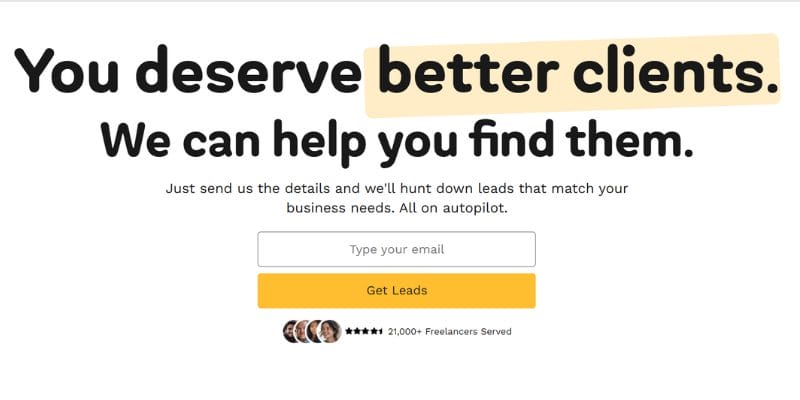
SolidGigs is not a traditional freelancing marketplace but rather a premium freelance lead service. Instead of hosting jobs directly, it scours dozens of freelance boards, job sites, and client portals to deliver a curated list of the best freelance opportunities. Freelancers receive this list regularly, saving time and helping them focus only on top-quality leads.
The platform also provides templates, training materials, and business tools to help freelancers build sustainable businesses. It’s particularly well-suited for experienced professionals who want to grow their income by spending less time prospecting and more time working.
Also Read: Internal Linking and URL Parameters
21. We Work Remotely
We Work Remotely is a trusted job board that focuses on remote opportunities across development, design, marketing, and customer support. While it’s not exclusively for freelancers, it frequently features contract-based and project-specific jobs that function similarly to freelance gigs. The platform is known for attracting high-quality clients, including tech startups and well-funded businesses.
Freelancers can browse listings by category and apply directly without navigating platform-specific bidding systems or commission structures. For professionals seeking stability, recurring projects, or longer-term freelance roles with remote-first companies, We Work Remotely is an invaluable resource.
22. TaskRabbit
TaskRabbit is a unique option for freelancers who offer physical, in-person services rather than digital work. The platform connects “Taskers” with people in their local area who need help with chores like moving, furniture assembly, cleaning, deliveries, and other household needs.
Freelancers set their rates and availability and can accept or decline tasks based on preference. While this doesn’t cater to online freelancers, it’s ideal for those looking to build a flexible service business in a specific city or region. TaskRabbit also ensures payment security and promotes users through its rating system.
23. Thumbtack
Thumbtack is another local service marketplace that helps professionals offer both in-person and digital services. Freelancers receive customer requests based on the services they list, and they can respond with custom quotes. Thumbtack spans industries like photography, fitness training, event planning, home repair, and even business consulting.
Unlike platforms that take a percentage of earnings, Thumbtack charges per lead or quote submission, giving freelancers more control over their outreach strategy. It’s particularly useful for freelancers seeking direct client relationships without paying ongoing platform commissions.
24. Hubstaff Talent
Hubstaff Talent offers a global directory of freelancers and agencies, enabling businesses to browse profiles and hire talent directly—without any fees or middleman involvement. Freelancers create profiles listing skills, availability, rates, and experience, and clients reach out based on fit.
The platform is geared toward remote work and includes time-tracking features that integrate with the broader Hubstaff ecosystem. For freelancers who prefer transparency and direct relationships with clients, Hubstaff Talent is a clean, no-frills option that eliminates the clutter of traditional bidding systems.
25. GoLance

GoLance is a growing freelance platform that supports both hourly and fixed-price projects. It’s designed with global users in mind and includes features like time tracking, invoicing, and a built-in dispute resolution system. GoLance is known for offering competitive fees and encouraging long-term client-freelancer partnerships.
Freelancers benefit from prompt payments, a referral program, and the ability to work with clients across various industries such as development, design, writing, and virtual assistance. It’s an up-and-coming alternative to Fiverr that emphasizes stability, fairness, and ease of use.

Finding the Right Fiverr Alternative in 2025
The freelance landscape in 2025 is more mature, diverse, and user-driven than ever before. Fiverr may have paved the way for the gig economy, but today’s freelancers and businesses have access to a broader, more refined selection of platforms that cater to a wide variety of needs, industries, and working styles.
Freelancers no longer have to settle for crowded platforms with rigid pricing, limited control, and impersonal gig structures. Instead, they can choose from options that allow for deeper client collaboration, ongoing work relationships, personalized project negotiation, and better pay. Whether you’re looking to showcase your creativity, provide expert consulting, join a remote team, or offer on-site services, there’s a platform designed with your goals in mind.
Likewise, businesses are finding that platforms beyond Fiverr offer better access to high-quality talent, more transparency, and support for building lasting partnerships. Whether it’s through proposal-based hiring, pre-vetted talent pools, or curated lead delivery, modern freelance platforms are optimizing for results—not just convenience.
From global marketplaces to niche communities and lead-focused services, the alternatives outlined here provide more meaningful, profitable, and sustainable freelance opportunities. It’s no longer about being everywhere—it’s about being in the right place. And with this list of 25 Fiverr alternatives, freelancers and clients alike are well-positioned to take control of their future in the evolving world of work.
Frequently Asked Questions (FAQs)
1. How to do a freelancing business?
To start a freelancing business, identify your skills, choose a niche, and create a strong online presence through freelance platforms or your website. Build a portfolio, set fair pricing, and focus on building long-term client relationships. Consistency, networking, and delivering quality work are key to success.
2. Which freelancing platforms are best for beginners?
For beginners, platforms like Upwork, Fiverr, and Freelancer.com are good starting points because they offer a wide range of opportunities. Once you gain experience, you can move toward niche platforms like Toptal or specialized marketplaces in your field.
3. How do freelancers get paid?
Freelancers typically receive payments through secure methods such as PayPal, Payoneer, direct bank transfer, or via escrow systems on freelance platforms. Most platforms release funds after project completion to ensure security for both clients and freelancers.
4. Is freelancing a full-time career option?
Yes, freelancing can be a full-time career if managed properly. Many professionals earn a sustainable income by treating freelancing as a business, diversifying income sources, and maintaining a steady flow of projects. It offers flexibility, but requires discipline and proper financial planning.
Interesting Reads:
Top 10 Venn Software Alternatives and Competitors

