

iOS powers iPhones and iPads with a polished interface, strict app ecosystem, and strong privacy features. Yet, many users seek alternatives due to limited customization, hardware restrictions, or tighter control from Apple.
As of 2025, Android leads the global market with around 72–73% share, while iOS holds about 27–29%. In the U.S., however, iOS dominates with roughly 55–58% compared to Android’s 42–45%. iPhone users also show stronger brand loyalty (90%+ stick with Apple) and higher spending compared to Android users.
Whether you want more openness, compatibility with non-Apple services, or a fully de-Googled setup, here are the best iOS alternatives available today.

Quick Links
Why Look for iOS Alternatives?
While iOS offers a premium and polished experience, it also comes with certain trade-offs, such as limited customization, strict app store policies, and dependence on Apple hardware. These restrictions often push users to explore other mobile operating systems that offer more freedom, privacy, or affordability.
Thankfully, the mobile OS landscape in 2025 is more diverse than ever. From mainstream Android options to privacy-focused systems and experimental Linux-based platforms, there’s something for everyone.
Best iOS Alternatives in 2025
Here are some of the most reliable and popular iOS alternatives available today. Each option caters to different needs, whether you want privacy, open-source flexibility, or a lightweight mobile experience.
1. GrapheneOS
GrapheneOS is a privacy and security-focused Android-based OS designed for Pixel devices. It removes all unnecessary background services and offers hardened security features without including Google apps or services by default.
It’s completely open-source, and while it lacks some mainstream conveniences, it’s one of the most respected choices for users who prioritize digital privacy.
Best for: Privacy-conscious users and developers who want a hardened Android alternative with no data tracking.
2. Android (Stock & OEM Variants)
The most obvious and widely adopted alternative to iOS is Android, which powers over 70% of the world’s smartphones. Unlike iOS, Android is open-source at its core, offering more freedom to customize your device, sideload apps, and choose from a wide range of hardware.
Stock Android (as seen on Google Pixel phones) offers a clean experience with regular updates and native Google services. Meanwhile, manufacturers like Samsung, OnePlus, and Xiaomi offer their own Android variants with additional features, skins, and enhancements.
Best for: Users who want customization, hardware variety, and access to the Google ecosystem.
3. LineageOS
LineageOS is an open-source operating system built on Android, and it’s a direct successor to the popular CyanogenMod project. It allows users to install a clean, customizable OS on a wide variety of devices without bloatware or pre-installed apps.
With support for root access, OTA updates, and a large community, LineageOS appeals to power users who want full control over their device.
Best for: Android enthusiasts and users who want to breathe new life into older phones with a secure, customizable OS.
Also Read: Top 25 Fiverr Alternatives
4. /e/OS
/e/OS (formerly known as Eelo) is a de-Googled version of Android focused on user privacy. It includes its app store, cloud services, and tracker-free apps—all while being familiar enough for everyday smartphone use.
While it’s based on Android, /e/OS replaces core Google apps with open-source alternatives and doesn’t rely on Google for cloud services or data syncing.
Best for: Users seeking a Google-free mobile experience with practical alternatives for email, maps, contacts, and calendar.
5. CalyxOS
CalyxOS is another privacy-focused Android fork, offering pre-installed tools like Signal, Tor Browser, and F-Droid. It allows limited access to Google services through a sandboxed method (MicroG), giving users a balance between privacy and usability.
It’s maintained by a nonprofit foundation and is compatible with select Pixel and Android devices.
Best for: Users who want better security and privacy but still need limited access to Google services.
6. Ubuntu Touch
Ubuntu Touch, developed by the UBports community, is a mobile operating system based on Linux. Unlike Android or iOS, it’s built from the ground up for convergence between mobile and desktop. It supports gestures, web apps, and native apps written in Qt.
While app support is more limited, it has an active open-source community and works on devices like the PinePhone and select Nexus models.
Best for: Linux users and developers interested in convergence and full control over mobile computing.
7. KaiOS
KaiOS is a lightweight mobile operating system based on the now-defunct Firefox OS. It brings smartphone-like features to feature phones, including 4G, WhatsApp, Google Assistant, and Facebook support—even on devices with physical keypads.
KaiOS is not an iOS replacement for power users but provides basic functionality for those who want affordable, non-touchscreen phones with essential apps.
Best for: Budget users or those wanting simple, minimal mobile devices with smart capabilities.
8. HarmonyOS (by Huawei)
HarmonyOS is Huawei’s in-house operating system built as an Android alternative following U.S. sanctions. It is designed for a broad ecosystem including smartphones, tablets, TVs, and IoT devices.
While it shares some architecture with Android, HarmonyOS is evolving into a separate system, especially in China, where Huawei leads the mobile market.
Best for: Users in regions where Huawei devices dominate and where access to Google services is limited or restricted.
9. PostmarketOS
PostmarketOS is an experimental Linux-based OS designed to run on smartphones with a goal of long-term device sustainability. It’s not suitable for average consumers yet, but it offers full Linux environments on mobile hardware.
This OS focuses on privacy, open-source values, and extending device lifespan. It runs on very limited phones today, but has a strong community interest.
Best for: Developers, tinkerers, and open-source purists looking for full Linux on a phone.
10. Tizen OS
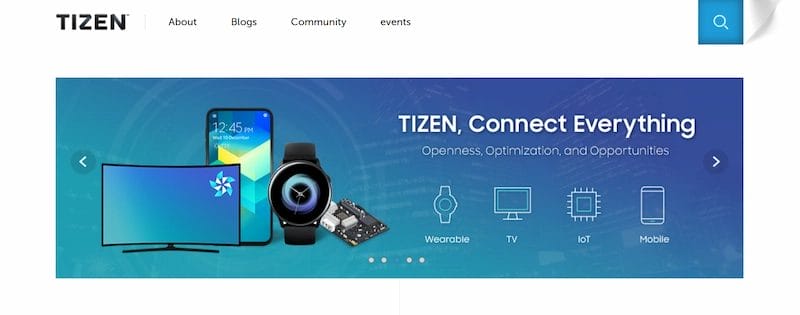
Developed by Samsung, Tizen OS is used mostly in smart TVs and wearables but has also appeared on smartphones. While no longer Samsung’s focus for phones, it represents one of the few non-Android mobile OS platforms from a major manufacturer.
Though limited in app support, it’s relevant in the context of alternative operating systems for wearables and other smart devices.
Best for: Developers targeting IoT and wearable ecosystems with non-Android software.

Choosing the Right iOS Alternative
If you’re moving away from iOS for more customization and flexibility, stock Android or OnePlus/Samsung devices offer the most seamless transition. For users focused on privacy and open-source values, options like GrapheneOS, /e/OS, and CalyxOS provide meaningful alternatives with greater control over data.
Power users and developers may find freedom in Ubuntu Touch, LineageOS, or PostmarketOS, while those wanting a lightweight, minimalist experience might explore KaiOS. With mobile privacy, control, and diversity becoming more important in 2025, the iOS alternatives are growing and becoming more capable than ever.
FAQs
1. Is GrapheneOS based on Android?
Yes, GrapheneOS is an Android-based operating system designed primarily for Google Pixel devices. It focuses on enhancing security and privacy while removing unnecessary Google services by default.
2. Which iOS alternative is best for privacy?
GrapheneOS, /e/OS, and CalyxOS are among the top privacy-focused mobile operating systems. They reduce or eliminate reliance on Google services while offering stronger data protection.
3. Can I use iOS apps on Android or other alternatives?
No, iOS apps are exclusive to Apple devices. However, most popular apps are available on Android and other platforms, often with similar functionality or open-source replacements.
4. What is the easiest iOS alternative for everyday users?
Stock Android (such as on Google Pixel phones) or Samsung’s Android variant is the easiest transition for most iOS users. These platforms offer wide app support, smooth performance, and user-friendly interfaces.
Interesting Reads:
Key Metrics for Local SEO Success
Top 10 Photoshop CS5 Alternatives for Camera Raw Filter Editing

