SEO vs SEM: Which One Wins for Traffic Conversions and Brand Awareness

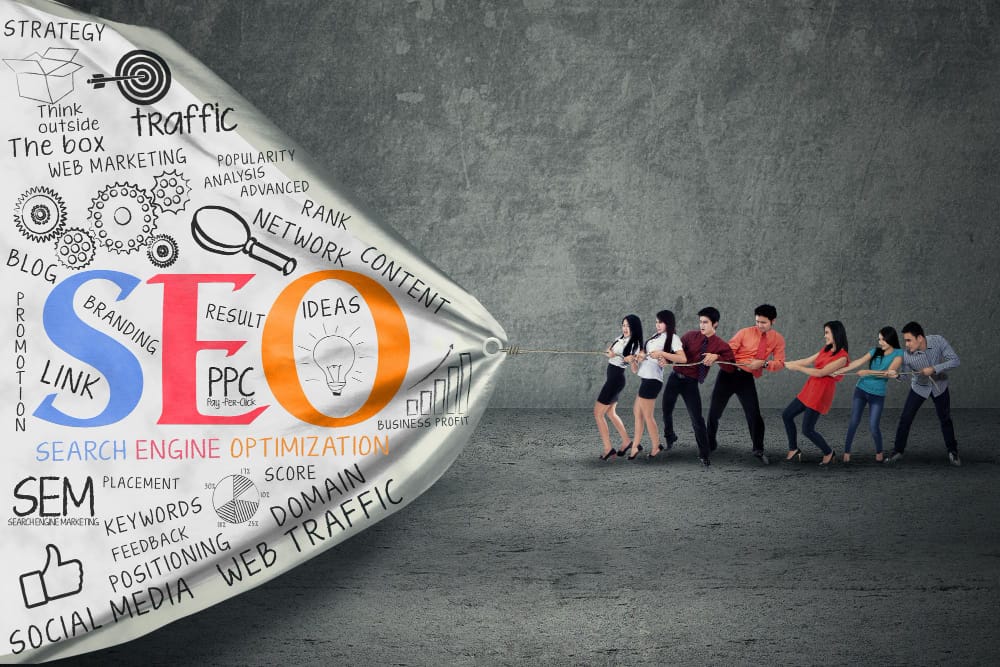
The internet is full of businesses trying to get your attention. Whether it’s through search engines, social media, or email, everyone is competing to be noticed. That’s where digital marketing comes in. It’s how businesses promote themselves online, and two of the most talked-about methods are SEO and SEM.
SEO stands for Search Engine Optimization, and SEM stands for Search Engine Marketing. These two terms may sound similar, but they work in different ways. SEO focuses on getting traffic naturally through search engines, while SEM often means paying for ads to show up in search results.
Choosing between the two isn’t just about picking what sounds better. The right strategy can mean the difference between a website that grows and one that stays quiet. It all depends on your goals, your budget, and how fast you want to see results.
What is SEO?
SEO stands for Search Engine Optimization. It’s the process of improving your website so that search engines like Google show it higher in the results when people search for something related to your business. The goal is to bring in more visitors without paying for ads.
There are three main parts to SEO. On-page SEO means updating your website’s content, titles, and images. Off-page SEO is about building links from other websites to yours. Technical SEO includes making sure your website loads fast, works on mobile phones, and is easy for search engines to read.
The good thing about SEO is that once you start ranking well, you can keep getting traffic for free. But it takes time and effort to get there. You might not see results for a few months, and the rules can change often since Google updates its algorithm regularly.
What is SEM?
SEM stands for Search Engine Marketing. It usually means paying to appear in search results through platforms like Google Ads. These are the results you see at the top of the page with a little “Ad” label next to them.
SEM works on a pay-per-click (PPC) system. That means you only pay when someone clicks on your ad. You can choose keywords, write ad copy, and set a budget to control how much you spend. It’s great for getting instant visibility.
The biggest advantage of SEM is speed. You can start seeing traffic as soon as your ads go live. But it can also get expensive, especially if you’re in a competitive industry. When you stop paying, your ads disappear.
SEO vs SEM: Key Differences
Cost: SEO often requires time and effort, but once it’s working, traffic can come in without ongoing payments. SEM needs a budget for ads, and once that money stops, the traffic usually stops too.
Timeline: SEO is slow to start but can be long-lasting. SEM gives quick results, which is great for time-sensitive campaigns or product launches.
Targeting: SEM lets you target users by location, device, age, and more. SEO depends more on the searcher’s intent and how well your content matches their query.
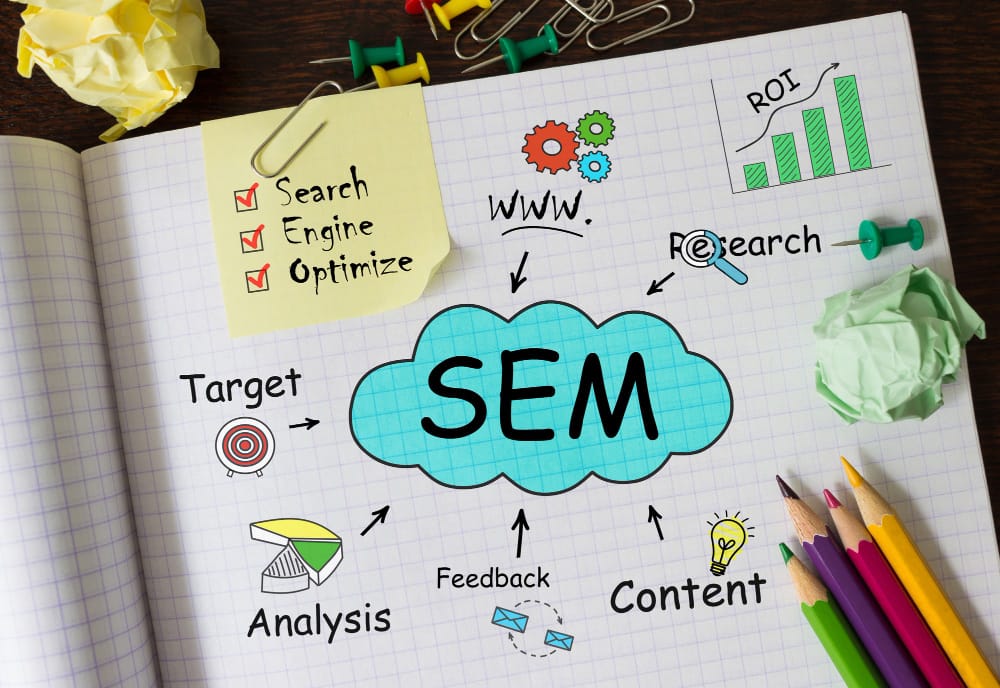
Conversion Rates: SEM can have higher conversion rates since you can design ads specifically for people ready to buy. SEO traffic can include people just looking for information, not necessarily ready to make a decision.
Analytics: Both SEO and SEM can be tracked, but SEM offers more detailed data about ad performance. SEO tools show rankings, traffic, and backlinks, but it’s harder to measure exact ROI.
Which One is Better for Traffic?
If your goal is steady traffic over time, SEO might be better. It builds up slowly, but once it kicks in, you don’t need to pay for every click. This kind of traffic is called organic traffic.
If you need visitors right away—like for a sale or event—SEM works faster. You can set up ads today and start seeing traffic tomorrow. This is called paid traffic, and it’s helpful when time matters.
In short, SEO is better for long-term growth, while SEM is better for short-term spikes. Both can bring in people, but the way they do it—and how long it lasts—is very different.
Which One is Better for Conversions?
Conversions happen when someone takes an action—like buying something or signing up. SEM often targets people who are ready to act. That’s why it can lead to quicker conversions.
With SEO, people might still be researching or learning. They may not be ready to buy yet. But SEO still matters because it builds trust and brings in people at different stages of the buying process.
SEM also allows for retargeting. This means you can show ads again to people who visited your site but didn’t convert. It’s a second chance to turn them into customers, which SEO can’t do directly.
Which One Builds Brand Awareness Better?
SEO helps your brand show up again and again in search results. Even if people don’t click the first time, they start to remember your name. Over time, this builds trust and familiarity.
SEM gives your brand an instant boost in visibility. Your ad appears right at the top, so people notice you right away. This is helpful if you’re new or entering a competitive space.
Both help build brand awareness, but in different ways. SEO is slow and steady, while SEM is fast and flashy. Used together, they can really boost your online presence.
SEO vs SEM: Use Case Scenarios
If you’re a startup with a tight budget, SEO is a smart choice. You won’t see results overnight, but you won’t burn through money either. It’s a good long-term investment.
If you run an e-commerce store with seasonal sales or product launches, SEM is helpful. You can run ads during specific times and pause them when the promotion ends.
Local businesses—like restaurants or plumbers—might benefit from SEM if they want quick calls or bookings. Google Ads can target people nearby who are searching for services right now.
Can You Use SEO and SEM Together?
Yes, and many businesses do. Using both is like covering your bases. SEO brings in steady visitors, and SEM gives you quick wins when you need them.
You can also use data from your SEM campaigns to improve your SEO. For example, if a keyword works well in ads, you can create SEO content around it.
Showing up in both paid and organic results builds trust. People might see your ad and also your organic listing, making your brand seem more reliable.
Expert Tips and Tools to Get Started
If you’re new, start with tools like Google Ads, SEMrush, Ahrefs, or Moz. These help you find keywords, track traffic, and understand what’s working.
Plan your budget wisely. Don’t spend everything on ads right away. Try small campaigns, learn from them, and improve as you go.
Always test your strategies. Try different headlines, keywords, and landing pages. Keep refining based on what brings in clicks, traffic, and sales.
Final Thoughts
So, should you pick SEO or SEM? It depends on what you need. SEO is great for building long-term growth. SEM is perfect when you want fast results.
If you have the time and patience, SEO can pay off big. If you need quick traffic or are launching something new, SEM might be the way to go.
In many cases, using both is the smartest option. Let them work together to bring more people to your site and grow your business faster.
Interesting Reads:
Steps to Build a Keyword Strategy That Actually Works
Are Blogs Still Relevant When Videos Grab All the Attention?

Shashank is a seasoned digital marketing and WordPress expert who specializes in SEO, software tools reviews, and cutting-edge strategies for boosting online presence. With a passion for simplifying complex topics, Goutham crafts engaging blog posts that help readers optimize their websites, improve search engine rankings, and stay ahead in the ever-evolving digital landscape.