10 Best Software for Cinematic Video Editing In 2025

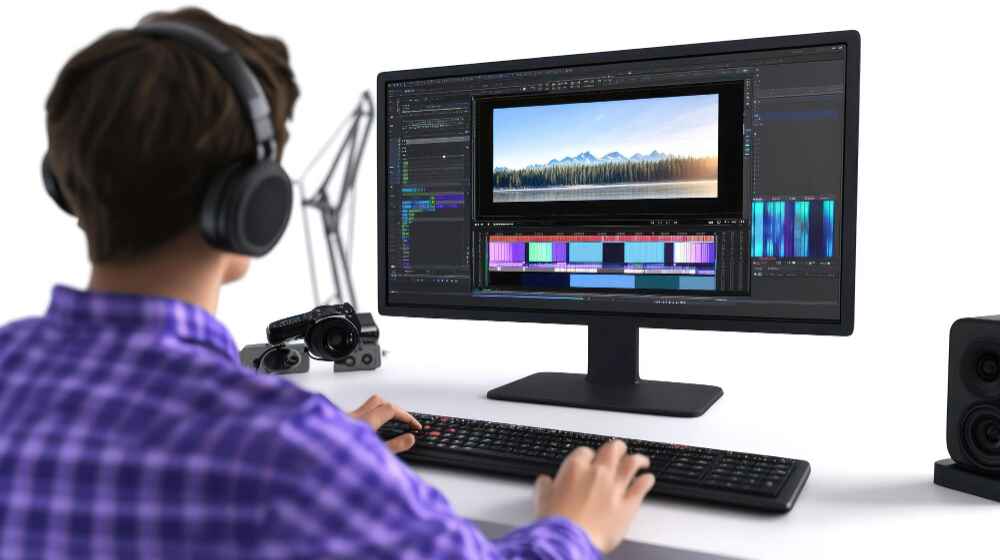
Crafting a cinematic experience is no longer confined to high-budget studios. With the evolution of digital tools, independent filmmakers, content creators, and video editors can now create Hollywood-level visuals using nothing more than a well-equipped laptop and the right software. The magic lies in choosing the best software for cinematic video editing, as it serves as the digital canvas where imagination meets execution.
The importance of cinematic editing transcends aesthetic appeal. It shapes the narrative, influences emotions, and sets the storytelling rhythm. Without the right tools, even the most brilliant footage may fall flat. This article offers a deep dive into the ten most powerful editing platforms that empower editors to bring their visual dreams to life with professional precision and cinematic flair.

What Is Cinematic Video Editing?
Cinematic video editing refers to transforming raw footage into a visually compelling story with dramatic pacing, color grading, audio mastery, and narrative-driven sequences. It is not merely about cutting clips and adding music; it’s about sculpting the emotional journey of the viewer through visual rhythm and technical artistry.
This style of editing involves advanced elements such as dynamic transitions, filmic LUTs, multi-layer timelines, motion tracking, and sophisticated sound design. These elements create the “cinema feel”—the immersive sensation that captivates audiences and brings stories to life. The best software for cinematic video editing enables creators to execute these advanced techniques with fluidity and control.
Why Your Editing Software Matters More Than You Think
Choosing the right editing software can make or break your video project. While raw footage carries the skeleton of the story, editing provides the flesh and spirit. The capabilities of your chosen platform can either elevate your vision or restrict it. Professionals know that cinematic polish often depends on the intricate features available in their software suite.
Moreover, top-tier software for cinematic video editing doesn’t just streamline the workflow; it enhances creativity. It offers intuitive tools, seamless integration with VFX plugins, and the flexibility to experiment without constraints. Whether you’re crafting a short film, documentary, or indie feature, the editing software becomes your most trusted creative ally.
How to Choose the Best Software for Cinematic Video Editing
To make the best choice, you must align your selection with the project requirements, your level of expertise, and the type of cinematic effect you aim to achieve. For instance, a filmmaker working on a high-intensity action sequence may require advanced motion tracking and color correction tools. In contrast, a narrative-driven editor may focus more on audio syncing and timeline management.
Software for cinematic video editing should offer real-time playback, high-res support, GPU acceleration, customizable effects, and precise color grading capabilities. Additionally, a well-designed user interface and active community support can significantly boost learning curves and creativity. Now, let’s explore the top 10 contenders that dominate the cinematic editing landscape.
1. Final Cut Pro X—Apple’s Crown Jewel for Creators

Final Cut Pro X has long been a favorite among professional Mac users. Known for its magnetic timeline, advanced color grading tools, and seamless performance on Apple hardware, Final Cut Pro X is a powerhouse of creative potential.
Its ability to handle 4K and 8K workflows smoothly makes it a prime option for cinematic storytelling. The intuitive layout combined with powerful features such as multicam editing, HDR support, and cinematic LUTs makes it an essential tool for those committed to excellence. For filmmakers who value speed and precision, Final Cut Pro X is a compelling choice of software for cinematic video editing.
2. Adobe Premiere Pro—The Industry Giant
Adobe Premiere Pro continues to reign as an industry standard for both independent filmmakers and Hollywood professionals. Its integration with the Adobe Creative Cloud ecosystem, including After Effects and Audition, allows editors to work seamlessly across different creative dimensions.
The software supports a vast range of formats and codecs, which is invaluable for large-scale productions. Its advanced Lumetri color grading tools and VR editing capabilities provide editors with everything they need to create immersive cinematic experiences. As a go-to software for cinematic video editing, Premiere Pro offers power and flexibility wrapped in a familiar interface.
3. DaVinci Resolve—The Color Grading King
Originally revered for its unparalleled color grading capabilities, DaVinci Resolve has evolved into a comprehensive editing suite. Its dual functionality — combining editing and color correction — provides a cohesive environment for film editors to maintain both pace and mood.
DaVinci Resolve excels with its Fairlight audio panel and Fusion visual effects module. This all-in-one software appeals to professionals who demand complete control over every aspect of their footage. From dramatic lighting enhancements to precise scene transitions, it proves why it is consistently ranked among the best software for cinematic video editing.
4. Avid Media Composer—The Veteran’s Choice
For decades, Avid Media Composer has been the backbone of broadcast and film editing. Its robust media management system and real-time collaboration tools cater to large post-production teams and complex narrative structures.
Avid shines in environments where multiple editors, sound designers, and colorists need to work in unison. Its script-syncing feature and frame-accurate trimming tools make it ideal for long-form storytelling. Although it has a steeper learning curve, its depth and stability make it a staple in high-end cinematic editing workflows.
5. HitFilm Pro—Where Editing Meets VFX

HitFilm Pro blurs the line between editing and special effects. It’s a unique hybrid that allows users to work on timeline editing and compositing simultaneously. With over 800 built-in visual effects and presets, it is an ideal tool for filmmakers who enjoy infusing their projects with a visual punch.
Its 3D model import capabilities and real-time particle simulations create opportunities for sci-fi, fantasy, and action filmmakers to push boundaries. For creators looking for an all-in-one solution, HitFilm Pro stands out as highly creative software for cinematic video editing.
6. Lightworks—The Underdog With Legacy
Lightworks is often underrated but has a rich history, having been used in films like The Wolf of Wall Street and Pulp Fiction. It offers real-time effects, customizable layouts, and multi-format support — all within a non-linear editing framework.
Its free version is incredibly generous, making it accessible for aspiring editors. Yet, the pro version unleashes full cinematic power with advanced export options and professional-grade timelines. Lightworks brings the studio-grade editing experience to users who appreciate legacy and simplicity.
7. VEGAS Pro—Speed and Efficiency Redefined
VEGAS Pro is known for its fast rendering, timeline editing, and user-friendly interface. It’s particularly useful for editors who require a fast turnaround without sacrificing quality.
With built-in motion tracking, stabilization tools, and HDR color support, VEGAS Pro helps achieve cinematic results with less fuss. Its AI-assisted features make complex editing tasks manageable even for solo creators. For editors prioritizing efficiency and control, it’s an excellent software for cinematic video editing.
8. CyberLink PowerDirector—Versatility at Its Best
CyberLink PowerDirector offers a balanced mix of beginner-friendly features and professional capabilities. While it’s not typically the first name in professional circles, its constant innovation and AI-driven tools deserve recognition.
From 360-degree video editing to animated title templates, PowerDirector bridges accessibility and innovation. Its drag-and-drop interface and real-time preview simplify the learning process while delivering results that rival higher-end software. It’s a versatile choice for emerging filmmakers seeking affordable cinematic polish.
9. Pinnacle Studio—Ideal for Story-Centric Filmmakers
Pinnacle Studio combines ease of use with features like advanced color grading, keyframe control, and dynamic split screen. Its interface is designed to be intuitive, allowing editors to stay focused on storytelling.
The software also offers precise audio ducking, mask creation, and motion tracking, making it an excellent tool for creating emotionally resonant stories. Pinnacle Studio may not have the fame of other contenders, but it remains a solid choice among software for cinematic video editing.
10. Blender—The Free Powerhouse

Blender may be known primarily for 3D modeling and animation, but its video sequence editor is a hidden gem. It allows for basic to intermediate video editing with an emphasis on effects and compositing.
What makes Blender unique is its completely open-source nature and vast customization capabilities. Editors with a flair for experimental visuals or those who want to integrate 3D directly into their films will find this software incredibly empowering. For a zero-cost option, it punches far above its weight class.
The Cinematic Journey Starts with the Right Tool
Every filmmaker’s journey is a deeply personal one, shaped by vision, experience, and the tools they choose to wield. The best software for cinematic video editing adapts to these needs, offering not just features but freedom — the freedom to experiment, to express, and to evolve.
Whether you are a seasoned professional or a passionate beginner, the key is to match your creative intent with a tool that complements your style. Don’t just edit — craft, design, and narrate with purpose. With the software outlined above, your cinematic vision is only a few clicks away from becoming a breathtaking reality.
Interesting Reads:
10 Best Software for GIF Creation In 2025

Shashank is a seasoned digital marketing and WordPress expert who specializes in SEO, software tools reviews, and cutting-edge strategies for boosting online presence. With a passion for simplifying complex topics, Goutham crafts engaging blog posts that help readers optimize their websites, improve search engine rankings, and stay ahead in the ever-evolving digital landscape.