

Content marketing has always been the cornerstone of brand visibility, customer engagement, and organic growth. However, managing multiple content streams, social media platforms, analytics, and campaigns can easily overwhelm even the most seasoned marketers. As businesses scale and online competition becomes fiercer, there’s no longer room for manual inefficiencies. This is where the power of automation comes in.
The emergence of sophisticated software for content marketing automation has shifted the landscape. It’s not just about saving time—it’s about strategic execution. These platforms allow marketers to plan, create, distribute, and analyze content from a unified dashboard, streamlining every aspect of the workflow. The result? A more effective content marketing strategy that drives measurable growth.

Quick Links
What Is Content Marketing Automation?
Content marketing automation is the process of using specialized software to execute, manage, and optimize content strategies without the need for constant human input. This involves scheduling social media posts, distributing blog content, tracking engagement metrics, automating email marketing, and even personalizing customer experiences using AI-driven insights.
These tools go beyond basic scheduling. They allow brands to nurture leads, segment audiences, and scale content production, all while collecting real-time performance data. When used effectively, software for content marketing automation becomes an intelligent assistant that drives conversions and improves ROI.
By understanding what this software offers, marketers can leverage its capabilities to not just publish content, but to do so with precision, personalization, and purpose.
Why You Need Software for Content Marketing Automation
Scaling content efforts without automation is like trying to sail across the ocean with a paddle—it’s exhausting and unsustainable. As marketing campaigns grow in complexity, software for content marketing automation becomes essential for handling the sheer volume of tasks. With it, teams can streamline repetitive activities such as posting to multiple channels, repurposing content formats, and sending out email sequences triggered by user behavior.
Another key reason for adopting automation is data intelligence. Most automation tools are equipped with analytics dashboards that highlight what content performs best, which channels are most effective, and which audience segments are responding. This allows marketers to pivot quickly, focus resources where they matter most, and eliminate guesswork.
Furthermore, automation ensures consistency. In content marketing, timing is everything. Automating posts and emails ensures your content calendar runs smoothly, even during holidays, staff absences, or unexpected business disruptions. This consistency builds trust with your audience and strengthens your brand’s presence.
How Content Marketing Automation Tools Work
At the heart of content marketing automation lies a combination of algorithms, data processing, and workflow integrations. These tools typically allow marketers to create campaigns, set triggers based on user behavior, and schedule content for release across multiple platforms. Additionally, many platforms integrate with CRMs, email marketing software, and SEO tools to ensure every part of the marketing funnel is in sync.
For example, a marketer might use automation software to plan a month’s worth of blog posts, schedule them for optimal engagement times, and automatically push them across social media. Meanwhile, the system collects user engagement data—likes, shares, click-throughs—and adjusts future content recommendations based on this performance.
Advanced systems even utilize AI to analyze competitor performance, suggest trending topics, or write first drafts of content. This saves time on research and ideation while maintaining relevance in rapidly changing markets. As a result, teams become more agile and focused, empowered by data rather than drowning in it.
The 10 Best Software for Content Marketing Automation
The marketplace is filled with automation platforms, but only a few rise above the rest in terms of innovation, usability, and scalability. Let’s explore the ten best options for businesses looking to dominate the digital space with streamlined content workflows.
1. HubSpot
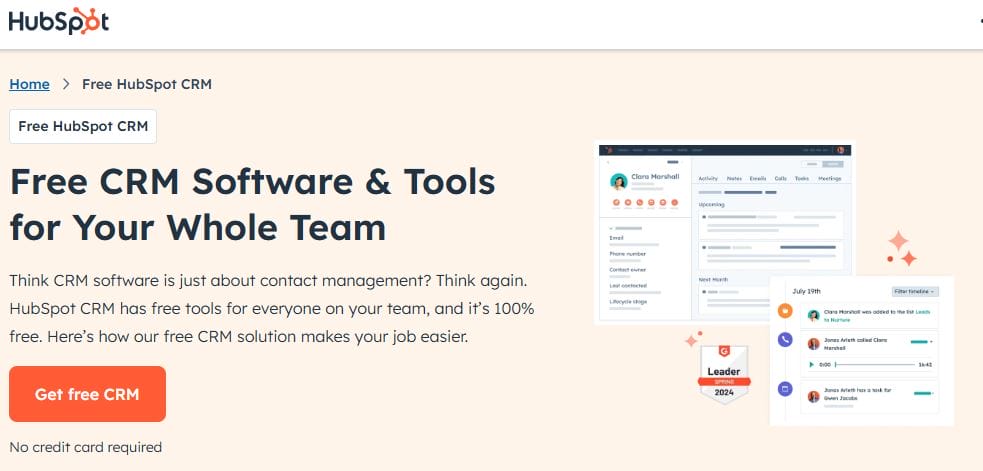
HubSpot is more than just a CRM—it’s a full-fledged content marketing automation powerhouse. From email workflows to blog content optimization and social scheduling, it provides end-to-end functionality. Its user-friendly interface is ideal for both beginners and large teams.
Its standout feature lies in smart content personalization. HubSpot automatically tailors email content and CTAs based on user behavior and buyer personas. With this software for content marketing automation, you can nurture leads effectively while staying aligned with broader business goals.
2. CoSchedule
For marketers who love organization, CoSchedule is a dream come true. It combines editorial calendar management with robust automation features, making it easy to visualize, schedule, and publish content in one place.
The tool’s ReQueue feature is particularly useful, as it intelligently recycles your top-performing content across channels without manual rescheduling. This maximizes ROI on each piece of content while maintaining consistent brand messaging.
3. Marketo Engage
A favorite among enterprise-level marketers, Marketo is built for scalability. It excels at lead nurturing, email automation, and campaign tracking, all tailored to complex customer journeys.
What sets it apart is its rich integration with other Adobe products, providing visual campaign flows and deep analytics. This software for content marketing automation is ideal for data-driven marketers seeking granular control and robust insights.
4. Buffer
Simple, clean, and effective, Buffer is a go-to for social media automation. It allows scheduling across all major platforms and provides clear engagement analytics. For small teams and startups, Buffer offers powerful automation without a steep learning curve.
The platform also provides AI-generated posting recommendations, which help users understand when and where to post for maximum reach.
5. SEMrush

SEMrush isn’t just about SEO—it also offers a complete content marketing suite. From topic research to content templates, distribution, and performance tracking, it’s a powerful all-in-one tool for marketers focused on organic growth.
Its content audit feature highlights which pages are underperforming and need refreshing. Using this software for content marketing automation, you can maintain content relevance and ensure consistent SEO results.
6. Hootsuite
Hootsuite remains a pioneer in the social media space, with robust tools for scheduling, monitoring, and reporting. The platform integrates with over 20 social networks and allows real-time collaboration between teams.
Its standout functionality is in audience listening, which identifies what your followers are discussing. This insight fuels more relevant content, automatically integrated into your posting strategy.
7. ActiveCampaign
Blending email marketing with CRM and automation, ActiveCampaign is perfect for personalized content journeys. You can automate not only email sequences but also conditional content display on websites and landing pages.
Behavioral tracking and in-depth segmentation allow precise targeting. As software for content marketing automation, it ensures that the right content reaches the right audience at the right time.
8. ContentStudio
As its name suggests, ContentStudio is built for content curation, planning, and scheduling. What makes it unique is its AI-powered discovery engine, which recommends trending content tailored to your niche.
It also enables team collaboration, approval workflows, and analytics in a single dashboard. This means your entire content lifecycle can be managed from one intuitive interface.
9. Sendible
Ideal for agencies, Sendible provides multi-client support and branded reports. You can tailor dashboards for different brands while managing all content distribution through one unified hub.
Its integration with Canva makes visual content creation seamless. As software for content marketing automation, it balances design with efficiency, a rare combination in most platforms.
10. Autopilot

Autopilot excels in visual campaign building. With a drag-and-drop interface, you can map out entire customer journeys, integrating email, SMS, and in-app messaging.
Its smart segmentation and A/B testing capabilities make it a powerful ally for marketers focused on conversion rate optimization. By automating the entire content flow, it ensures timely, relevant interactions that build long-term engagement.
Choosing the Right Tool for Your Strategy
Selecting the right software for content marketing automation depends on several factors: business size, content volume, integration needs, and marketing goals. A startup may benefit from a lightweight platform like Buffer or ContentStudio, while a global enterprise may lean towards HubSpot or Marketo for robust, scalable solutions.
It’s also important to consider team collaboration features, learning curves, and pricing models. Before committing to a platform, take advantage of free trials and demos to evaluate how well the software fits into your current workflows. A good automation tool should enhance your strategy, not complicate it.
Additionally, ensure that your chosen platform integrates seamlessly with existing tools like Google Analytics, your CRM, and your CMS. An isolated automation tool may create more friction than benefits.
Maximizing the Impact of Automation
Once you’ve selected your software, the next step is strategic implementation. This means defining clear goals—whether it’s improving lead generation, reducing churn, or increasing brand awareness—and using automation features to align actions with those objectives.
Effective automation starts with content planning. Build a detailed editorial calendar and map each piece of content to different stages of the buyer journey. Then, automate publishing, tracking, and reporting to keep the engine running smoothly.
Avoid over-automation, though. While these tools can handle a lot, authenticity still matters. Ensure that you’re still engaging with your audience in real-time, responding to comments, and updating content as needed.

Future of Content Marketing Automation
As AI and machine learning evolve, the future of software for content marketing automation looks even more promising. Predictive analytics, AI-generated content, and autonomous content optimization are just the beginning. Soon, tools will not only automate but also enhance content creation, simulating human-like creativity and strategic thinking.
Marketers who embrace this technology early will gain a significant competitive advantage. Automation doesn’t replace the human touch—it enhances it. By leveraging the best software available today, you position your brand at the forefront of a smarter, faster, and more personalized digital marketing era.
Interesting Reads:
10 Best Software for Heatmaps In 2025
10 Best Software Tools for Competitor Analysis In 2025
The 10 Best Software for Conversion Rate Optimization In 2025

