
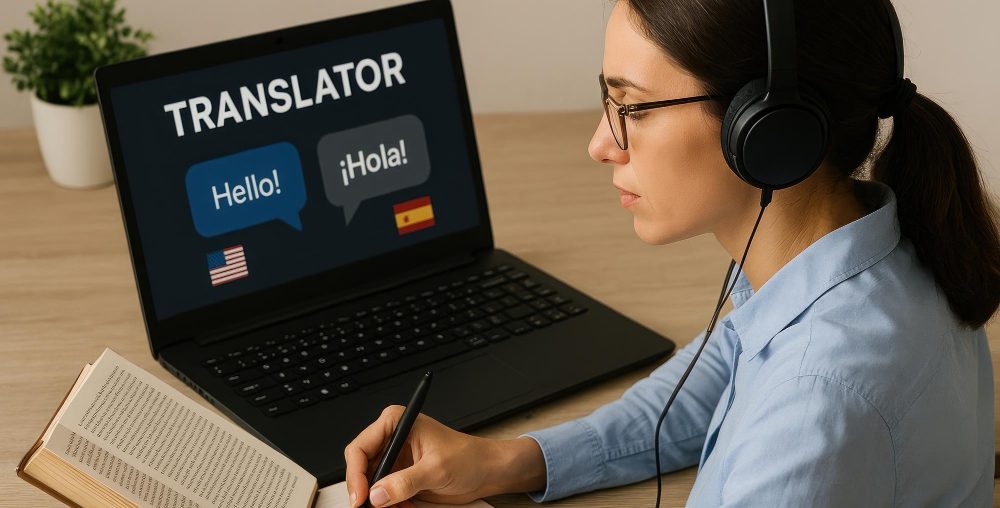
Mastering a new language opens doors—both personal and professional. Whether you’re eyeing global job opportunities, planning to travel the world, or simply wish to explore a culture more deeply, learning another language is a powerful skill. Yet, the journey to fluency isn’t always straightforward. Traditional classroom learning often falls short in offering flexibility, personalization, or immersive experiences.
Fortunately, technology has dramatically transformed how we acquire languages. Today, a wide array of software for language learning exists, making the process more interactive, engaging, and effective. But with so many options available, choosing the right tool can be overwhelming.
This comprehensive guide explores 12 of the best software for language learning—analyzing what makes each unique, why they work, and how they can fast-track your language acquisition goals.

Quick Links
What Is Language Learning Software?
Language learning software refers to digital platforms or applications designed to teach foreign languages using various multimedia, gamification techniques, and personalized learning paths. These tools are typically available as desktop programs, mobile apps, or both.
Unlike traditional methods that rely heavily on grammar drills or textbooks, modern software for language learning integrates listening, speaking, reading, and writing activities. Many also use speech recognition, AI-based corrections, and adaptive learning to enhance the experience.
Moreover, software platforms make it easier to practice regularly, track progress, and maintain motivation—all crucial for long-term success.
Why Use Language Learning Software?
There are countless benefits to using software for learning a new language, especially when compared to traditional methods.
First, these tools allow for flexibility and convenience. You can learn at your own pace, fitting sessions into your schedule whether you’re commuting, traveling, or relaxing at home. Additionally, most platforms support multiple languages, allowing you to switch or combine studies with ease.
Second, interactive features like gamification, flashcards, quizzes, and speech comparison make the process more enjoyable. They not only improve retention but also provide immediate feedback—something a textbook can’t offer.
In short, the best software for language learning bridges the gap between theory and practice. It helps learners apply real-world language skills faster and more effectively.
How to Choose the Right Language Learning Software?
With hundreds of apps and platforms available, the selection process must be intentional. Here are a few factors to consider:
-
Your learning goals: Are you aiming for conversational fluency, academic proficiency, or just casual travel vocabulary?
-
Budget: Some apps are free; others offer subscription-based access with premium features.
-
Learning style: Visual, auditory, or kinesthetic—choose a tool that suits your preferences.
-
Language availability: Make sure the software supports the language you want to learn.
-
Features: Look for speech recognition, cultural context, progress tracking, and community support.
By identifying your needs early on, you’ll be better equipped to pick the best software for language learning that aligns with your objectives.
1. Duolingo – Gamified Learning for Beginners
Duolingo revolutionized language learning by turning it into a game. With its bite-sized lessons, vibrant visuals, and instant feedback, it appeals to learners of all ages.
The app supports over 40 languages and uses streaks, XP points, and leaderboards to maintain user engagement. While Duolingo is ideal for beginners, it may lack the depth required for advanced learners. Still, it’s an excellent starting point and one of the most popular software for language learning globally.
Its mobile-first design makes it perfect for on-the-go learners who prefer a casual, yet structured approach.
2. Rosetta Stone – Immersive and Time-Tested
Rosetta Stone has long been synonymous with language learning. It employs an immersive technique—no translations, just pure context-based acquisition. This method mimics how we learned our first language as children.
The software offers a range of tools, including TruAccent™ speech recognition, real-life scenarios, and live tutoring. Its strength lies in building a solid foundation in pronunciation and vocabulary.
Rosetta Stone is particularly effective for visual and auditory learners and is one of the most comprehensive software for language learning available today.
3. Babbel – Practical Language for Real Conversations
Designed with real-life application in mind, Babbel focuses on teaching practical conversation skills. It uses short, engaging lessons that cover everyday situations, from ordering food to business negotiations.
Babbel’s structure includes grammar tips, speech practice, and cultural insights. Its courses are crafted by language experts and cater to various proficiency levels.
The platform’s realistic dialogue scenarios make it an excellent choice for learners who want to start speaking quickly and confidently.
4. Pimsleur – Learn by Listening
If you’re a fan of audio learning, Pimsleur is the go-to software. Its methodology centers on auditory instruction, using spaced repetition and graduated interval recall.
Pimsleur excels in teaching correct pronunciation and conversational cadence. The app is especially useful for those who spend a lot of time commuting or prefer to learn without screens.
Despite its audio-centric design, Pimsleur provides excellent results and remains one of the most effective software for language learning, especially for auditory learners.
5. Busuu – Community-Based Learning
Busuu takes a social approach by connecting learners with native speakers. Its courses cover grammar, vocabulary, and conversational skills, and each lesson ends with the chance to receive real feedback from community members.
The app uses machine learning to tailor lessons to your proficiency level. Premium users get additional features like personalized study plans and offline access.
This community-driven model makes Busuu a standout in the software for language learning landscape, offering authentic engagement and real-world practice.
6. Memrise – Vocabulary Builder With a Twist
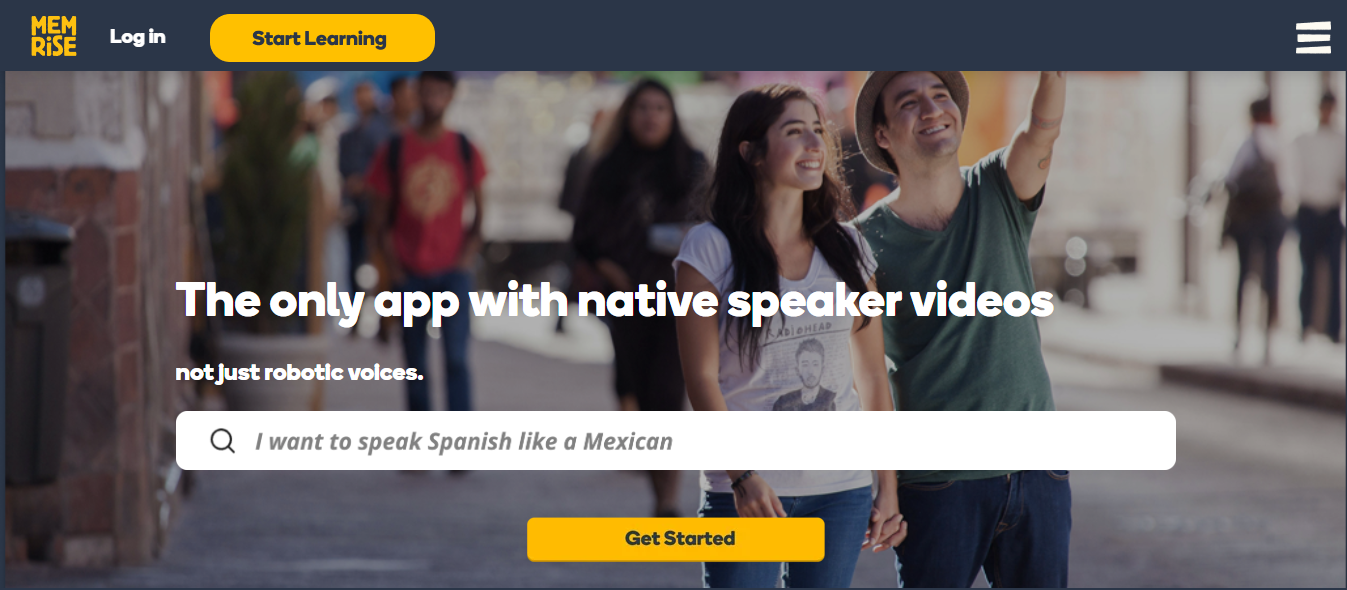
Memrise combines science-backed learning techniques with creative content. Its strength lies in vocabulary building, using mnemonic devices, and short videos featuring native speakers.
Users benefit from spaced repetition and contextual learning, which improve long-term retention. The gamified environment makes learning fun without compromising depth.
Ideal for visual learners, Memrise keeps users motivated while ensuring vocabulary becomes second nature.
7. LingQ – Dive Deep into Content
LingQ offers an immersive reading and listening experience, using real-world content like articles, podcasts, and audiobooks. Users can import their content to personalize lessons further.
It’s a great tool for intermediate to advanced learners looking to build vocabulary and comprehension through exposure to native material. Flashcards, translations, and word-tracking tools add to its depth.
LingQ is one of the more flexible software for language learning platforms, allowing a high degree of customization.
8. HelloTalk – Chat with Native Speakers
Sometimes the best way to learn is by speaking with a native. HelloTalk connects you with language partners worldwide for text, voice, and even video chats.
The app includes built-in tools like grammar corrections, voice recognition, and translation. It’s more of a language exchange platform than a structured course, but incredibly effective for real-world communication.
For those seeking conversational fluency, HelloTalk serves as an interactive and practical tool.
9. FluentU – Learn with Real-World Videos
FluentU uses music videos, movie trailers, and interviews to teach language in context. Each video includes interactive subtitles, translations, and vocabulary definitions.
It’s an immersive, entertaining way to learn and is perfect for learners who thrive on multimedia content. By combining fun with education, FluentU enhances both listening skills and cultural understanding.
Its extensive library ensures consistent exposure to native usage—one of the keys to fluency.
10. Mango Languages – Comprehensive and Customizable
Used by libraries, schools, and governments, Mango Languages offers structured lessons focusing on grammar, vocabulary, and pronunciation. It also provides specialized courses such as business or medical Spanish.
The software adapts to various learning styles and includes voice comparison tools and cultural insights. It supports over 70 languages and allows for tailored lesson paths.
Mango is a reliable, institution-grade software for language learning solution suitable for both casual and professional learners.
11. Clozemaster – Learn in Context
Clozemaster targets learners looking to expand vocabulary and grammar knowledge through context. It presents sentences with missing words, requiring learners to fill in the blanks correctly.
This method reinforces understanding of how words are used in real-life situations. It’s especially valuable for intermediate to advanced learners seeking to sharpen their accuracy.
The game-like format adds a layer of challenge and engagement often missing in traditional methods.
12. Beelinguapp – Bilingual Reading for All Levels
Beelinguapp offers side-by-side reading of texts in your native and target languages. It includes audiobooks, news, and children’s stories, which are great for learners of all ages.
This dual-language setup enhances reading comprehension and vocabulary acquisition. It’s a simple yet effective way to expose learners to natural sentence structures and expressions.
A unique addition to the software for language learning ecosystem, Beelinguapp is ideal for book lovers and passive learners.

Final Thoughts: Which Software Is Right for You?
Every learner is different. While some thrive with gamified apps like Duolingo, others may benefit more from immersive audio tools like Pimsleur or community-based apps like Busuu. Your perfect match depends on your goals, style, and commitment.
Here’s a quick summary to help guide your decision:
-
Best for Beginners: Duolingo, Babbel
-
Best for Pronunciation: Pimsleur, Rosetta Stone
-
Best for Advanced Learners: LingQ, Clozemaster
-
Best for Speaking Practice: HelloTalk, Busuu
-
Best for Cultural Immersion: FluentU, Mango Languages
No matter which platform you choose, consistency is key. The best software for language learning can only be as effective as the effort you put in. Combine tools if needed, and don’t hesitate to switch as your skills evolve.
Interesting Reads:
12 Best Software for Virtual Classrooms in 2025

