

Creating real connections with your audience has never been more impactful. A brand community is a powerful way to foster loyalty, deepen relationships, and cultivate a supportive network of people who believe in your brand’s vision. Such a community doesn’t just consist of customers; it brings together brand advocates and enthusiasts who actively engage, share experiences, and help amplify your brand’s message.
These communities are built around shared values, beliefs, and goals, giving people a space to feel connected and heard. Community members often serve as brand ambassadors, sharing their insights, answering questions, and encouraging others to get involved. This dynamic goes beyond traditional marketing, allowing brands to connect on a human level that builds trust and inspires genuine advocacy.
In this guide, we’ll explore the steps to building a thriving brand community, with tools like BuddyX that make it easier to bring people together around a common purpose. From fostering engagement to maintaining meaningful connections, a well-built community will keep people coming back, feeling valued, and excited to be a part of your brand’s journey. BuddyX simplifies building brand communities with user-friendly features, customization options, and seamless integration with popular plugins. If you’re ready to create a community that fosters engagement and brand loyalty, our BuddyX demos showcase how easily you can start.
Try BuddyX for free to experience the tools that can transform your brand’s community-building efforts.

Quick Links
What is Brand Community?
A brand community is a network of people who connect deeply with a brand or product. Unlike a general customer base, brand community members are often emotionally invested in the brand’s values, experiences, and benefits. They go beyond mere consumers—they’re advocates, influencers, and contributors. Brand communities can be formal or informal, online or offline, with members who actively engage in meaningful discussions and shared experiences related to the brand.
Key characteristics of brand communities
- Shared interests and values: A brand community’s members are bound together by a similar interest or conviction. This could be admiration for a certain way of life, devotion to a social cause, or love for a specific product.
- Emotional bond: Emotion is the foundation of brand communities. Members are enthusiastic about sharing their experiences with others and have a strong sense of commitment to the company.
- Active participation: Brand communities are more than just collections of apathetic customers. Members interact with the brand and one another in a proactive manner. They offer suggestions, exchange ideas, and influence the direction the brand will go.
Benefits of building a brand community
Creating a community around your brand is a strategic imperative, not merely a fad. It improves your brand’s reputation, cultivates brand loyalty, and even spurs business expansion. One of the most effective marketing strategies is the positive word-of-mouth that communities assist to disseminate.
- Enhanced brand loyalty: Customers and brands can develop a strong emotional bond through brand communities, which may boost loyalty and encourage repeat business.
- Enhanced customer satisfaction: Brand communities give consumers a place to voice their opinions and recommendations, which can enhance both product development and customer satisfaction.
- Enhanced reputation of the brand: Brand communities have the power to generate goodwill and establish a solid reputation for the brand.
- Lower marketing expenses: By amplifying the business’s message, brand communities can lessen the need for traditional advertising.
- Enhancement of the Product: Input from the community can be very helpful in the creation and enhancement of the product. Consumers frequently offer opinions and recommendations that can help a brand improve what it offers.
- Market Research: One excellent resource for market research is brand communities. Companies can obtain information about consumer trends, tastes, and behaviors to guide their product and marketing initiatives.
- Cost-Effective Marketing: Keeping up a brand community is less expensive than doing traditional advertising. It may result in natural growth, which lessens the requirement for intensive marketing initiatives.
- Community-Generated Content: Social media posts, reviews, and testimonials are examples of user-generated content that is frequently produced by community members. It is possible to use this content for marketing.
- Influencer Collaboration: Companies can work with well-known community members to spread the word about their goods and services to a larger audience.
- Support and Issue Resolving: Communities give users a place to ask for help and find solutions to problems. Quick resolution of client issues can improve client satisfaction.
- Data Collection: Through community interactions, brands can gather information about consumer preferences and behaviors that they can utilize to inform product suggestions and targeted marketing.
- Customer Retention: Brands may lower customer attrition and increase long-term client retention by cultivating a feeling of community.
Types of Brand Communities
Depending on their goals, organizational structure, and the kind of goods or services they offer, brand communities can take on a variety of shapes. Here are some common types of brand communities:
- Customer communities: These are places where consumers congregate to talk about their encounters with goods or services offered by a company. They might offer advice, solve problems, and give the brand input.
- Fan Communities: Brands with ardent and devoted fans tend to attract fan communities. These communities are frequently focused around pop culture brands, sports, or entertainment. Fans interact with the brand through debates, fan art, and passion.
- User Communities: Software, apps, and digital goods are often the focal points of user communities. Users come together to share information, work through issues, and offer technical assistance to one another.
- Programs for Brand Advocacy: Some companies design advocacy initiatives to entice devoted consumers to represent their businesses. These enthusiasts take part in marketing activities, disseminate material, and aggressively promote the brand.
- Lifestyle Communities: Lifestyle brands frequently establish communities centered around a specific interest or way of life that complements their product lines. These communities are built around common interests, pastimes, or brand-related beliefs.
- Professional Communities: Companies that target professionals frequently create communities in which participants may connect, share expertise, and obtain information related to their sector or business.
How to build brand community?
For companies of all sizes, creating a strong brand community can be a fulfilling undertaking. It increases brand advocacy, cultivates client loyalty, and offers insightful data on consumer preferences. Here’s how to create a vibrant brand community, step-by-step:
1. Identify the Community for Your Brand.
- Determine Your Target Audience: Recognize your target clients’ internet habits, hobbies, and demographics. You may then more effectively customize the tone, content, and engagement techniques for your community.
- Recognize Their Needs and Interests: What concerns, ambitions, and passions bind your target audience together? Find these commonalities to build a community that meets their needs and wants.
- Describe Your Brand’s Mission and Core Values: Clearly define the mission statement and essential principles of your brand. The interactions and content development in your community will be guided by this.
2. Select the Appropriate Platform
- Take Your Target Audience’s Preferences Into Account: Choose a site where members of your target audience are already involved and active. These could be specialized community websites, online discussion boards, or social media networks.
- Analyze the functionalities and features of various platforms: Examine the features offered by each platform, including connectivity with your current marketing tools, options for moderation, and ease of use.
- Create a Consistent Brand Presence: To improve brand identification and give your community members a cohesive experience, keep your branding consistent across all platforms.
3. Foster Involvement and Communication
- Produce Superior Content That Your Audience Will Connect with: Distribute interesting and useful material that reflects the interests of your community. Blog entries, infographics, films, and interactive polls are a few examples of this.
- Promote User-Generated Content and engagement: Encourage community members to submit their own thoughts, ideas, and experiences in order to promote a culture of engagement.
- Answer Questions, Messages, and Comments Promptly and Authentically: Actively interact with community members by answering questions, comments, and messages in a timely and genuine manner.
- Organize Activities and Events that Encourage Interaction and Teamwork: To unite the community and promote cooperation, host online or offline events like webinars, workshops, or competitions.
4. Strengthen Your Local Authorities
- Find and Honor Engaged and Influential individuals: Honor and commend influential and active individuals who make valuable contributions to the community.
- Offer Possibilities for Leadership and Acknowledgment: Give community leaders the chance to handle more duties, such moderating conversations, producing content, or planning events.
- Give Community Leaders a Voice in Developing the Community’s Rules, Content Strategy, and Decision-Making Procedures. Empower Community Leaders to Moderate and Shape the Community.
5. Advance Your Local Area
- Include your community in the outreach and marketing initiatives you undertake: Use all of your marketing channels to promote your community: social media, email newsletters, and website content.
- Urge participants to invite their friends and share their experiences: Invite friends to join the community and encourage community members to share their positive experiences.
- Engage in partnerships and influencer collaborations to expand your audience: To expand the reach of your community and attract a wider audience, collaborate with relevant influencers and companies.
6. Uphold and Adapt Your Community
- Get input from your community: To determine areas that need improvement, routinely ask your community for input via surveys, polls, or open forums.
- Adjust and develop your tactics in response to trends and feedback: Make constant adjustments to your community strategies in response to customer feedback, shifting trends, and shifting tastes.
- Continue to add value and encourage participation to keep the community vibrant: Remain dedicated to giving community members something of value and engaging them so they have a sense of belonging and will continue to be interested in participating.
Build a Brand Community Website
We have understood the theoretical knowledge around brand community now we’ll get to how to build a brand community website. For this particular demonstration I have created a site on localwp but if you want to just try and follow-along you can use tastewp also. Remember it’s temporary so to publish your website it will require hosting.
Read about hosting and our recommendations here
Steps to create your brand community website
-
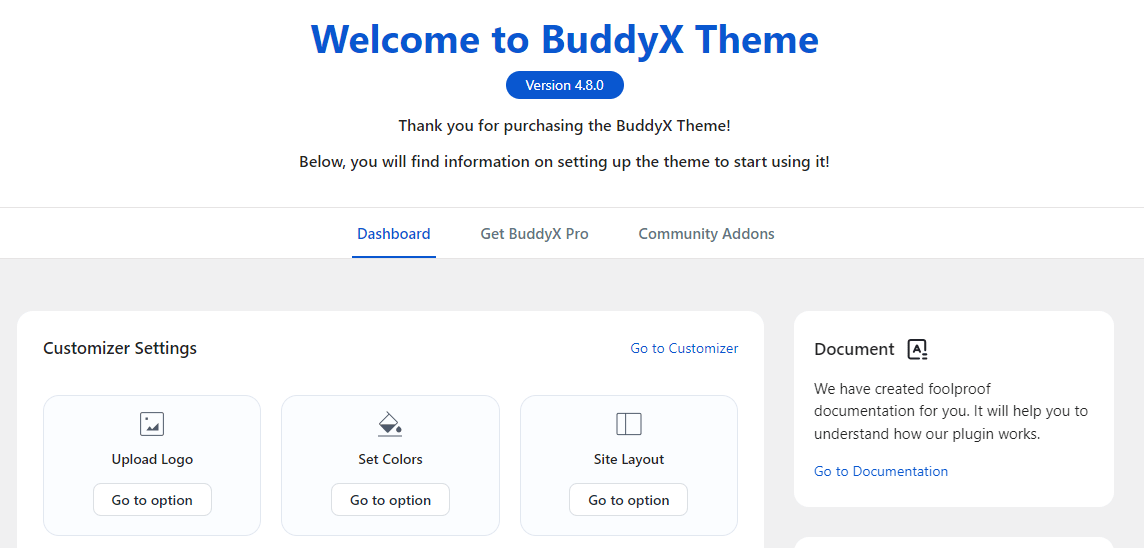
Install and Activate the BuddyX Theme
-
Go to Appearance > Themes > Add New in your WordPress dashboard.
-
Search for BuddyX, then install and activate it.
-
Alternatively, download the theme from our website and upload it by clicking on Upload Theme in the “Add New Theme” section.

-
-
Install Recommended Plugins
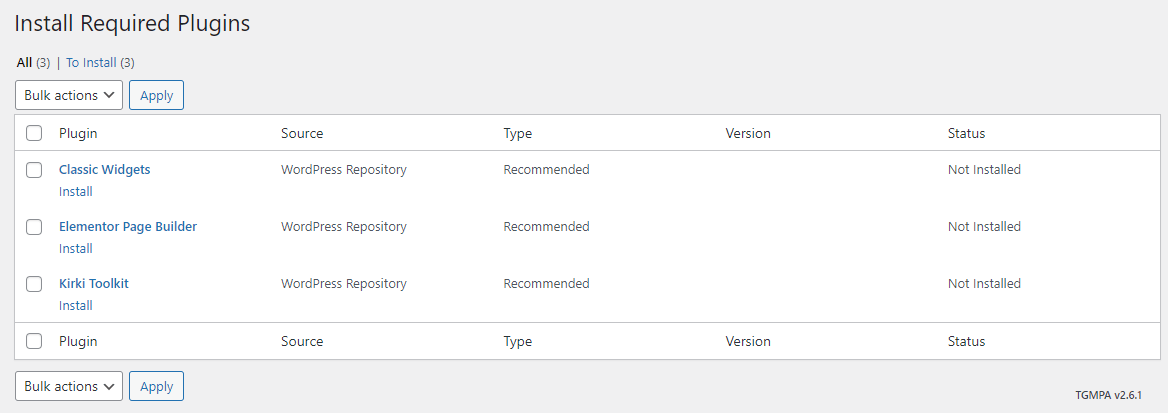
After activating the theme, you’ll be redirected to a setup screen. Follow these steps:
-
Click on Install Recommended Plugins and install the required plugins.
-
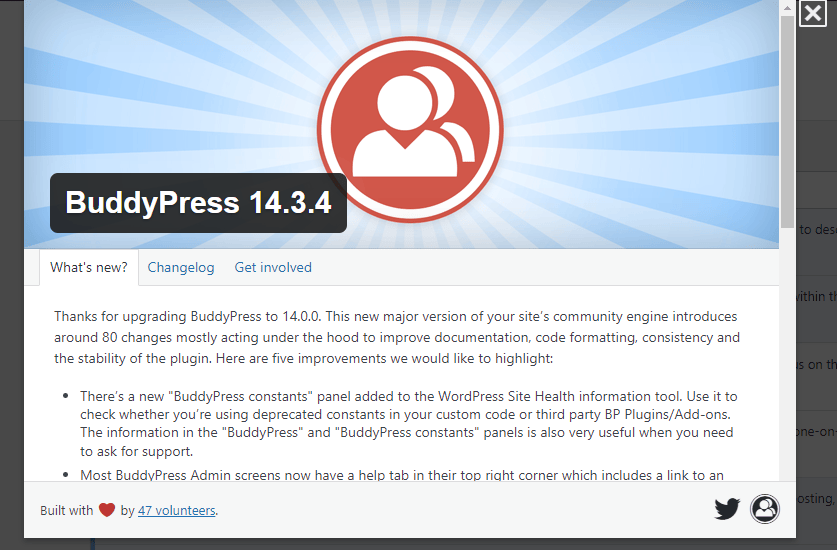
Search for BuddyPress in the plugins section, then install and activate it.
-
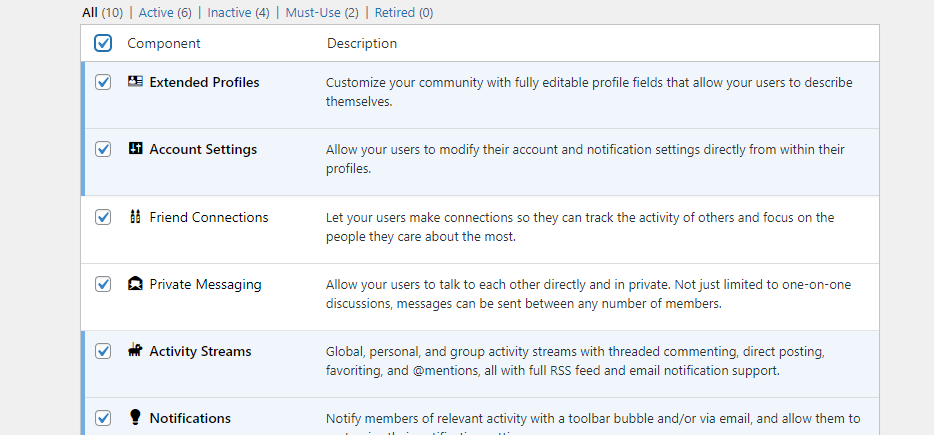
A pop-up will appear—enable the features you want in your community and click Save Settings.

-
- We need to add BuddyPress Plugin
- Search for “BuddyPress” in plugins
- Then install and activate the plugin

- Activate whatever features you want to include in your community from the pop-up. Don’t forget to click on “Save Settings”.

-
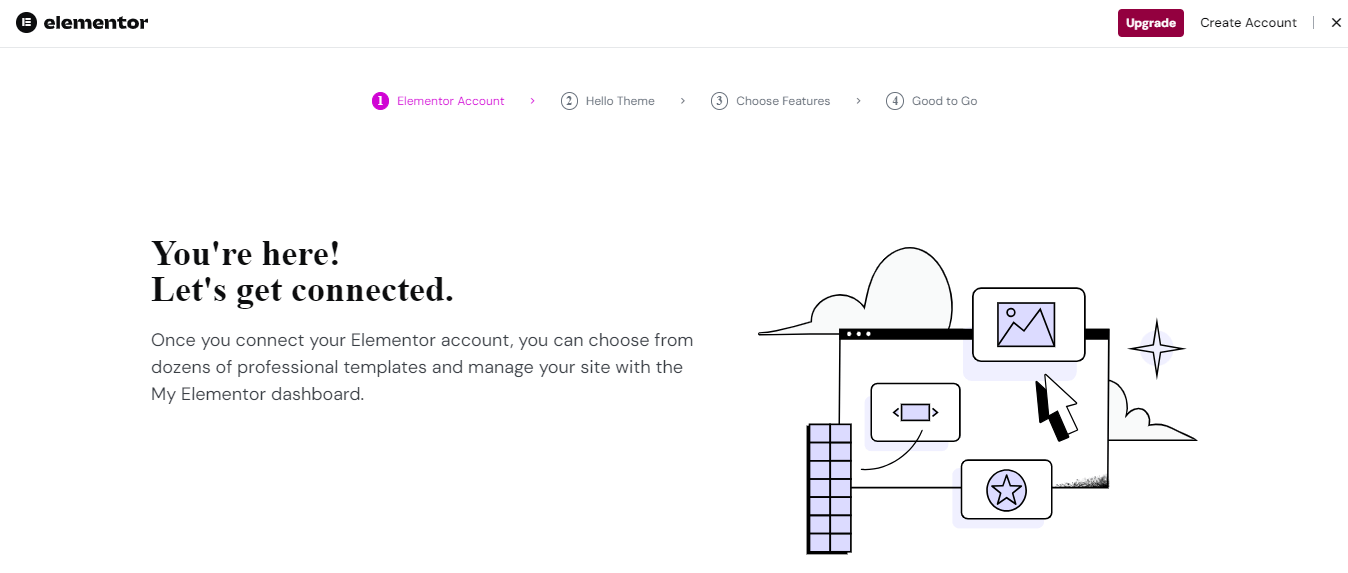
Set Up Elementor (If Required)
-
If you plan to use Elementor for page building, install and activate it.

-
-
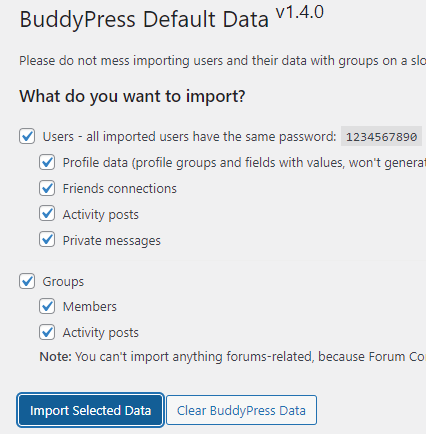
Generate Demo Data
To visualize your community with sample users and content, install the following plugins:
-
Follow the plugin instructions to generate demo data.
-
Set Up Navigation
To create an easy-to-use navigation menu:
-
Go to Appearance > Menus in the backend.
-
Enter a menu name and click Create Menu.
-
Add the necessary pages and sections to your menu.

-
- After setting up the theme and plugins, you can fully customize your community website using the WordPress Customizer. Follow these steps:
Access the Customizer
-
Go to Appearance > Customize in the WordPress dashboard.
-
Alternatively, visit the frontend of your site and click on Customize in the top admin bar.
Customization Options in BuddyX Theme
1. Site Identity
-
Upload a logo.
-
Add a site title and tagline.
-
Upload a favicon (site icon) for the browser tab.
2. Layout Settings
Customize the structure and appearance of your website:
-
Choose between Full-width, Boxed, or Fluid layouts.
-
Adjust the sidebar position (Left, Right, or No Sidebar).
-
Set container width for content areas.
3. Colors & Background
-
Change the primary color (used for buttons, links, and highlights).
-
Modify the background color or set a background image.
-
Customize text and heading colors for better readability.
4. Typography
Adjust fonts and text settings:
-
Select different Google Fonts for headings, body text, and menus.
-
Adjust font size, line height, and letter spacing.
5. Header Settings
-
Choose a header layout (Classic, Transparent, or Minimal).
-
Upload a custom header image.
-
Adjust header height and padding.
-
Enable or disable the sticky header.
6. Navigation & Menus
-
Create and assign Primary, Secondary, and Footer Menus.
-
Enable Mega Menu support if needed.
-
Add social media icons in the header or footer menu.
7. Homepage Settings
-
Choose between a Static Page or a Recent Posts layout.
-
If using a static homepage, select the Home Page and Blog Page from your pages.
8. Blog & Archive Page Settings
-
Customize the blog layout (Grid, List, or Masonry).
-
Enable or disable featured images in blog posts.
-
Control excerpt length and read more button text.
-
Adjust category and tag display.
9. BuddyPress & Community Settings
For community-focused customization:
-
Modify the member profile layout (Classic, Tabbed, or Boxed).
-
Enable or disable profile cover images.
-
Customize the activity feed layout.
-
Adjust group directory styles.
10. Footer Settings
-
Choose a footer layout (Single-column, Multi-column, or Widgets).
-
Enable or disable back-to-top button.
-
Customize the footer background color and text color.
-
Add copyright text and footer menu.
11. Sidebar & Widgets
-
Assign widgets to sidebar (Recent Posts, Social Links, Custom Text, etc.).
-
Customize sidebar visibility on different pages.
-
Adjust the footer widget area (Enable/Disable).
12. Performance & SEO Settings
-
Enable lazy loading for images.
-
Optimize CSS and JavaScript files.
-
Ensure proper SEO meta settings for better search rankings.
13. WooCommerce Settings (If Using a Store)
-
Customize the Shop Page layout.
-
Adjust product grid settings.
-
Modify cart and checkout page styles.
-
Enable AJAX cart updates for better UX.
14. Custom CSS & Advanced Settings
-
Add custom CSS code to tweak the design.
-
Modify theme files using Custom Code Editor.
-
Enable Developer Mode for debugging.
-
-
Final Steps
-
Delete the demo data: Go to the data generator plugin settings and remove all test data.
-
Enable indexing: If you want your community site to appear in search results, switch on indexing in your settings.

-
- Done with our (Very) basic community site.

Try the BuddyX Pro theme on our sandbox here!
Start Building your Brand Community Today!
Companies of all shapes and sizes understand that creating a vibrant brand community is critical to long-term success. This can be accomplished by determining the target market, outlining the community’s mission and core values, producing pertinent material, offering interactive experiences that encourage communication, gathering input from users, and, in the end, evaluating intrinsic performance objectives.
Effectively creating a brand community can boost customer loyalty and drive discretionary decisions based on input about the company’s aims and values. Higher engagement rates can also result in measurable income opportunities.
A few of the most effective brand communities are Nike Plus, Sephora Beauty Insider Community, and Harley Owners Group. These groups have all been able to build a feeling of community and encourage participation from their members.
Remember that there isn’t a one-size-fits-all strategy when you strive to create your own brand community. Since every group is different, it’s important to remain adaptable, take criticism seriously, and change course when necessary. But, with the appropriate strategy, you can also create a brand community that not only works but also supports the long-term expansion and prosperity of your company.

Interesting Reads
5 Case Studies of Successful Online Communities
8 Technology and Tools for Online Communities
Best AI Tools for Road Safety: Enhancing Vehicle Safety and Reducing Accidents

