What is WordPress Used For?


WordPress is the most popular content management system (CMS) on the internet today, powering over 40% of all websites globally. Originally launched in 2003 as a simple platform for blogging, WordPress has evolved into a robust, flexible, and user-friendly system for building all types of websites, from personal blogs to complex eCommerce sites. It’s free, open-source software that allows users to build, customize, and manage their websites with minimal technical knowledge. In this article, we’ll learn about the wide range of uses for WordPress and explain why it has become such an essential tool for millions of websites worldwide.
Introduction to WordPress
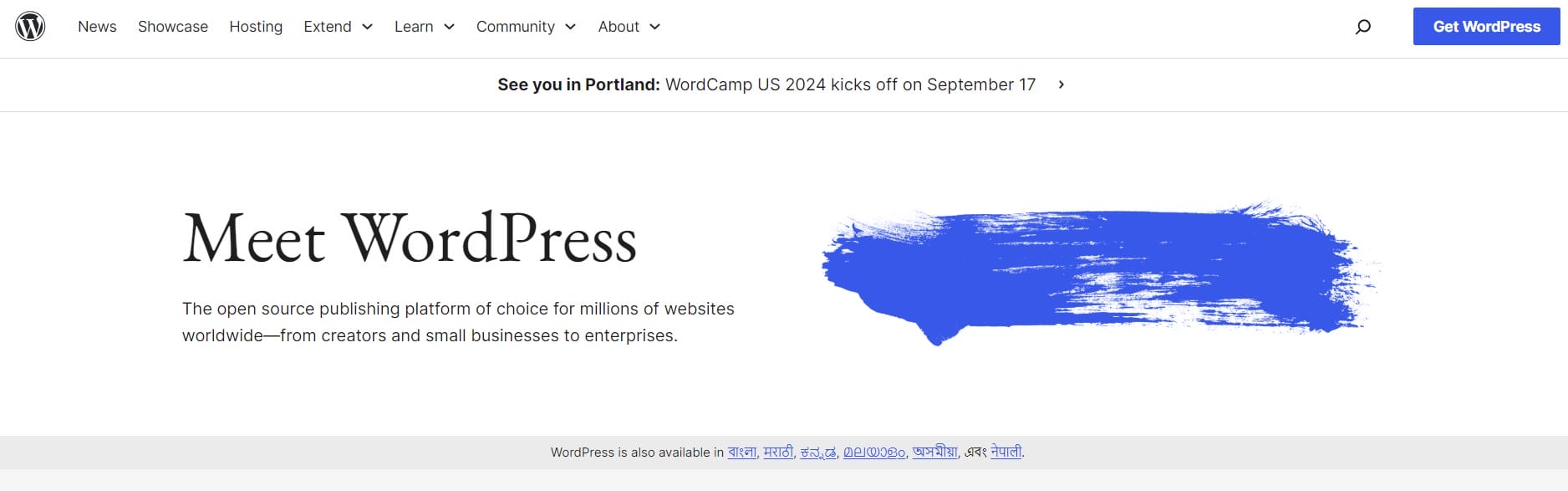
WordPress is an open-source content management system (CMS) that is primarily known for its ease of use and versatility. It started as a blogging platform, but over time it expanded into a full-fledged CMS capable of powering websites of all types and sizes. WordPress offers a vast array of themes and plugins, enabling users to create highly customized and functional websites without needing to write code. Whether you want to create a simple blog, a portfolio, a business website, or an online store, WordPress provides the tools and flexibility to make it possible.
Key Uses of WordPress
1. Blogging
Blogging is where WordPress started, and it remains one of the most popular platforms for bloggers worldwide. With its intuitive interface, WordPress allows users to create, manage, and publish blog posts easily. Its features are tailored for bloggers, including built-in commenting systems, categories and tags for organizing content, and SEO-friendly tools for improving search engine visibility.
Users can also enhance their blogs with a wide variety of plugins, such as social sharing buttons, email subscription forms, and advanced SEO tools like Yoast SEO. This makes WordPress an ideal choice for both beginner bloggers and seasoned professionals looking to grow their audience.
2. Business Websites
WordPress has become a top choice for businesses of all sizes looking to establish an online presence. It provides business owners with a platform to showcase their products, services, and portfolios while also engaging with potential customers. Thanks to its customizable themes and plugins, a WordPress business website can be tailored to suit any industry, from real estate to healthcare to professional services.
Many business owners appreciate the flexibility of WordPress in terms of design and functionality. Plugins like WooCommerce allow businesses to add eCommerce capabilities, while others provide tools for customer relationship management (CRM), appointment booking, and payment processing.
3. E-Commerce Websites
One of the biggest expansions in WordPress functionality came with the introduction of WooCommerce, a powerful eCommerce plugin. WooCommerce transforms a basic WordPress website into a fully functional online store, capable of managing product catalogs, accepting payments, processing orders, and handling shipping logistics. It’s now one of the most popular eCommerce platforms globally, powering small boutiques as well as large, multi-million-dollar businesses.
WordPress with WooCommerce is particularly appealing to online store owners because of the numerous integrations and extensions available. You can easily integrate payment gateways like PayPal and Stripe, set up tax rates, track inventory, and even offer digital downloads.
4. Portfolio Websites
For photographers, artists, designers, and other creatives, WordPress is an excellent platform for building an online portfolio. It allows professionals to showcase their work in a visually appealing way and provides visitors with an easy way to browse through different projects or collections.
WordPress themes designed for portfolios often come with beautiful gallery layouts, sliders, and video integration. Additionally, creatives can use plugins to enhance their portfolio with features like lightbox galleries, password-protected project pages, and client proofing systems.
5. Membership Sites
WordPress also makes it easy to build membership-based websites. Whether you want to create a paid membership site or offer exclusive content to a select group of users, there are plugins available to handle user registration, subscription management, and content restriction.
With plugins like MemberPress or Restrict Content Pro, WordPress users can create different membership tiers, accept payments, and manage access to premium content such as online courses, downloadable resources, or exclusive videos. This functionality is ideal for content creators, educators, and organizations that want to offer gated content or subscription services.
6. Forums and Online Communities
WordPress can also be used to build online forums or community websites. Using plugins like bbPress or BuddyPress, website owners can create discussion boards, social networks, and communities within their sites. These tools allow users to register, create profiles, participate in discussions, and interact with other members of the community.
This functionality makes WordPress a popular choice for organizations, hobbyists, and support groups who want to foster a sense of community around shared interests or causes.
7. Online Courses and Learning Management Systems (LMS)
The demand for online education has surged in recent years, and WordPress is a perfect platform for creating and managing online courses. With plugins like LearnDash or LifterLMS, WordPress can be turned into a full-featured learning management system (LMS). These plugins allow course creators to design lessons, quizzes, and student progress tracking systems.
Online courses can be offered for free or as part of a paid membership system, making WordPress an excellent choice for educators, coaches, or businesses looking to offer online training programs.
8. Non-Profit Websites
Non-profits and charitable organizations can use WordPress to create websites that raise awareness for their cause, accept donations, and manage volunteer efforts. Themes and plugins specifically designed for non-profits make it easy to set up donation forms, event calendars, and volunteer sign-up forms.
Additionally, WordPress allows these organizations to share their mission through blog posts, galleries, and video content, while engaging with their supporters through social media integration.
9. News and Magazine Websites
Many news outlets and digital magazines rely on WordPress to publish their content. WordPress’s ability to handle large amounts of content, its easy categorization system, and built-in RSS feed support make it a go-to platform for news publishers.
Themes tailored for news and magazine websites often feature multi-column layouts, featured articles, breaking news tickers, and related content sections. WordPress also integrates seamlessly with advertising platforms, making it easy for publishers to monetize their websites through banner ads, sponsored content, or affiliate marketing.
10. Personal Websites and Blogs
WordPress remains one of the most popular choices for personal websites. Whether someone wants to create a personal blog, a resume website, or a family site, WordPress offers flexibility and ease of use. Users can choose from thousands of free and premium themes to create a site that reflects their personality and interests.
Why Choose WordPress?
There are several reasons why WordPress has become the platform of choice for so many users:
- Open Source and Free: WordPress is free to use, and its open-source nature means anyone can contribute to its development. This makes it a cost-effective solution for businesses and individuals alike.
- Ease of Use: WordPress is user-friendly, even for those with no coding experience. Its intuitive dashboard allows users to manage their content, upload media, and install plugins with just a few clicks.
- SEO-Friendly: WordPress is built with SEO in mind. It generates clean, readable code and allows for easy management of meta tags, headings, and URLs. Plugins like Yoast SEO further enhance a website’s search engine visibility.
- Highly Customizable: With thousands of themes and plugins available, WordPress can be customized to meet almost any need. Whether you’re building a simple blog or a complex eCommerce site, WordPress can adapt to fit your requirements.
- Community Support: The WordPress community is vast, with forums, tutorials, and blogs offering support to users at all skill levels. This makes troubleshooting issues and learning new skills easier.
The Versatility of WordPress
WordPress’s flexibility and ease of use make it an ideal choice for a wide range of websites, from personal blogs to large-scale business sites. Whether you need an online store, a portfolio, a forum, or a membership site, WordPress offers the tools and customization options necessary to create a professional and functional website. With its strong community support, constant updates, and open-source nature, WordPress is set to remain the leading platform for building websites for years to come.
Interesting Reads:

Shashank is a seasoned digital marketing and WordPress expert who specializes in SEO, software tools reviews, and cutting-edge strategies for boosting online presence. With a passion for simplifying complex topics, Goutham crafts engaging blog posts that help readers optimize their websites, improve search engine rankings, and stay ahead in the ever-evolving digital landscape.