
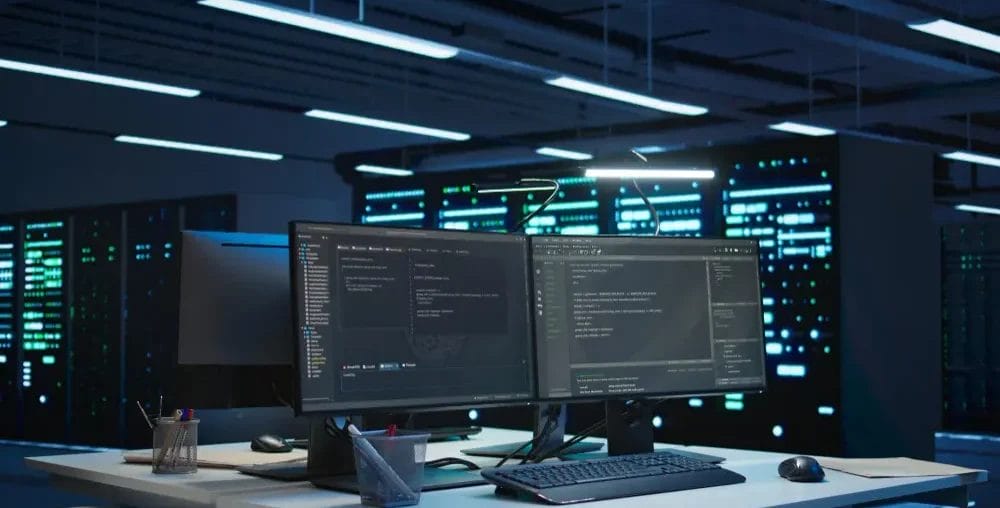
End user computing (EUC) is a term that has been gaining traction in recent years, especially as businesses continue to adapt to the demands of remote work, digital transformation, and increased reliance on cloud services. In 2025, EUC will play a critical role in how organizations manage their IT infrastructure, deliver services, and support employee productivity.
In this article, we’ll explore what end-user computing is, how it is evolving, and what businesses need to know to stay ahead in 2025.

Quick Links
What is End User Computing?
End user computing refers to the set of technologies and systems that allow end users—employees, customers, or anyone interacting with an organization’s IT infrastructure—to directly interact with computer systems. These interactions typically involve using personal computing devices, such as desktops, laptops, smartphones, and tablets, to access applications, data, and services.
EUC has traditionally been about providing individuals with the tools they need to access IT resources. However, as technology continues to evolve, end-user computing solutions have become more sophisticated, incorporating cloud-based services, virtual desktop infrastructures (VDI), and other modern IT approaches to meet the needs of today’s distributed and mobile workforce.
The Evolution of End-User Computing
In the past, EUC was mainly about providing physical hardware and ensuring that users had the necessary software and support to do their jobs. However, as organizations have shifted to cloud-based environments, the concept of it has also changed.
In 2025, end-user computing is more than just providing employees with the right tools—it’s about enabling seamless, secure access to data and applications from virtually anywhere.
With the rise of remote work, bring-your-own-device (BYOD) policies, and cloud technologies, businesses must adapt their solutions to meet these new demands. This shift requires modern solutions that not only provide easy access to systems but also ensure security, flexibility, and scalability.
Key Components of End-User Computing in 2025
As we approach 2025, end-user computing will encompass several key components that work together to create a seamless user experience. Here are the primary elements:
1. Virtual Desktops
Virtual desktops have become a popular way for businesses to provide employees with remote access to their work environments. With virtual desktop infrastructure (VDI), employees can access their desktop environment from any device, anywhere, without the need for traditional on-premises hardware.
VDI solutions are hosted in the cloud, meaning that everything—from the operating system to applications—is stored and managed centrally, making it easier to update and secure.
2. Cloud Services
Cloud-based solutions are integral to modern end-user computing solutions. Cloud storage, applications, and computing power give users access to their work tools from virtually any device. Cloud-based solutions also provide flexibility and scalability, allowing businesses to quickly adapt to changing needs.
In 2025, cloud computing will continue to be a significant driving force behind EUC. Businesses are moving more of their IT infrastructure to the cloud to take advantage of the cost savings, scalability, and security that cloud services offer.
3. Mobility and BYOD (Bring Your Own Device)
With the increasing use of smartphones, tablets, and other mobile devices in the workplace, mobility has become a critical aspect of it. BYOD policies are widely adopted, allowing employees to use their own devices for work purposes. However, this shift presents challenges around security and managing diverse device types.
These solutions will need to address these challenges by offering secure access to corporate data and applications, regardless of the device used. Solutions like mobile device management (MDM) and mobile application management (MAM) will continue to evolve to ensure that devices are secured adequately while maintaining productivity.
4. User-Centric Security
As more devices and systems connect to the network, securing end users’ interactions with IT resources becomes paramount. In 2025, the security of end-user computing environments will rely on advanced security protocols like multi-factor authentication (MFA), zero-trust security models, and encryption to protect data both in transit and at rest.
These solutions will need to focus on a user-centric security approach, ensuring that access control, identity management, and data protection are built into the fabric of the system. This approach minimizes the risk of data breaches and unauthorized access.
5. Collaboration Tools
In today’s workplace, collaboration is key. EUC solutions must facilitate communication and cooperation among team members, regardless of their location. Cloud-based collaboration tools, such as Slack, Microsoft Teams, and Google Workspace, are essential for enabling seamless communication, file sharing, and real-time collaboration.
As remote work continues to rise, these solutions will continue to focus on enhancing collaboration and ensuring that teams can work together efficiently and securely from any location.
The Benefits of End-User Computing Solutions in 2025
Adopting these solutions in 2025 offers several advantages for businesses. These benefits include:
1. Increased Flexibility and Mobility
End-user computing solutions enable employees to access their work environment from anywhere, using any device. This flexibility allows businesses to support remote work, mobile employees, and even freelancers or contractors, without compromising on performance or security.
2. Improved Collaboration
Cloud-based collaboration tools, integrated into EUC solutions, make it easier for teams to work together in real time. Whether employees are in the office or working remotely, they can seamlessly share files, collaborate on projects, and communicate effectively.
3. Simplified IT Management
EUC solutions allow for centralized management of devices, applications, and security protocols. IT departments can more easily monitor, maintain, and update devices remotely, reducing the complexity of managing a distributed workforce. This also leads to lower IT costs, as businesses no longer need to maintain on-premises infrastructure for every user.
4. Enhanced Security
With more devices connecting to the network, security has become a significant concern for businesses. End-user computing solutions provide security features such as encryption, multi-factor authentication, and secure access to corporate applications and data, ensuring that employees can work securely from any location.
5. Cost Efficiency
These solutions, particularly those that rely on virtual desktops and cloud services, allow businesses to reduce the costs associated with hardware and maintenance. By shifting to a cloud-based infrastructure, companies can reduce capital expenditures and pay for services based on usage, making it more cost-effective.
Challenges of End-User Computing in 2025
While there are many benefits to adopting end-user computing solutions, businesses may face some challenges as they implement these systems. Some common challenges include:
1. Security Concerns
With more devices connecting to the network, security becomes even more critical. Businesses must address potential vulnerabilities related to endpoint devices, unauthorized access, and data breaches. Implementing secure access policies, encryption, and multi-factor authentication is essential to mitigate these risks.
2. Device Management
Managing a wide range of devices, especially with a BYOD policy, can be difficult. IT teams must ensure that each device is secure, up to date, and compliant with company policies. This requires a robust mobile device management (MDM) system to monitor and control access to corporate data.
3. Integration with Legacy Systems
Many businesses still rely on legacy systems that may not integrate well with modern EUC solutions. Transitioning from on-premises IT infrastructure to cloud-based systems can be challenging, particularly for organizations with complex legacy applications.
4. User Training and Adoption
As new technologies are introduced, employees need to be trained on how to use them effectively. Ensuring that all employees are comfortable with new solutions and tools is essential for maximizing productivity and minimizing disruption.
The Future of End-User Computing
Looking ahead, the future of end-user computing in 2025 will be shaped by several emerging trends:
1. AI and Automation
Artificial intelligence (AI) and automation are set to play a bigger role in EUC solutions. AI will help improve security by detecting and responding to potential threats in real-time. Additionally, automation will streamline routine tasks, such as software updates and device provisioning, reducing the workload for IT teams.
2. Greater Use of Cloud-Native Solutions
Cloud-native solutions will continue to dominate the end-user computing space. As more businesses shift their IT infrastructure to the cloud, EUC solutions will become increasingly cloud-based, enabling greater scalability, flexibility, and cost-effectiveness.
3. Advanced Collaboration Features
With remote work becoming the norm, collaboration tools will evolve to provide more advanced features, such as virtual reality (VR) and augmented reality (AR) capabilities, to enable even more immersive and interactive collaboration.

Conclusion
End-user computing is a critical aspect of modern business operations, especially as we approach 2025. By adopting the right end-user computing solutions, businesses can enhance flexibility, improve security, and provide their employees with the tools they need to succeed in a digital world. However, companies must also be aware of the challenges and plan accordingly to ensure a seamless transition.
As the workplace continues to evolve, organizations must stay ahead of the curve by embracing modern EUC solutions that support a mobile, cloud-based, and secure work environment. By doing so, they can foster productivity, enhance collaboration, and ensure long-term success in an increasingly digital world.
Interesting Reads:
How Performance Tracking Fuels Smarter Campaigns

