

Choosing the right e-commerce platform can feel like navigating a digital labyrinth. With countless options available, businesses often find themselves at a crossroads, especially when deciding between WooCommerce and BigCommerce. These two powerhouses have revolutionised how brands establish their online presence, but they offer fundamentally different approaches to achieving success in digital retail.
Understanding the nuances of WooCommerce vs BigCommerce is essential not only for launching an online store but also for scaling one efficiently. Each platform offers a unique set of strengths and limitations. This comprehensive comparison dives deep into both systems, helping you align your business goals with the proper technological foundation. Let’s unpack what makes WooCommerce vs BigCommerce so influential in the e-commerce space.

| Feature | BigCommerce | Adobe Commerce (Magento) |
|---|---|---|
| Ease of Use | User-friendly, minimal setup | Steeper learning curve, technical knowledge required |
| Customization | Limited but straightforward | Highly customizable with coding/developers |
| Cost | Monthly subscription plans | Free open-source version + hosting & dev costs |
| Scalability | Good for growing businesses | Excellent for large enterprises |
| Best For | Small to medium businesses | Large businesses with tech teams |
Quick Links
What Are WooCommerce and BigCommerce?
WooCommerce is a powerful, open-source plugin designed specifically for WordPress websites. It transforms any WordPress site into a fully functioning online store. With millions of installations worldwide, WooCommerce has become synonymous with flexibility, customisation, and community-driven innovation. Because it’s built on WordPress, it allows store owners to leverage the entire WordPress ecosystem, from themes to plugins, while maintaining complete control over their website.
On the other hand, BigCommerce is a fully-hosted SaaS (Software as a Service) platform. Unlike WooCommerce, which requires you to manage hosting, security, and updates, BigCommerce offers an all-in-one solution. This means everything from design to backend functionality is streamlined and centrally managed. It’s ideal for businesses looking for a less technical, more hands-off experience without compromising on performance or scalability.
Why It Matters: Strategic Implications of Your Platform Choice
The WooCommerce vs BigCommerce debate is more than a technical discussion—it’s a strategic business decision. Your choice affects everything from daily operations to long-term scalability. WooCommerce’s open-source nature means you can build highly customised features, but you must be prepared to handle maintenance and security responsibilities. This appeals to businesses with in-house developers or access to affordable tech support.
BigCommerce, in contrast, provides a secure, reliable environment with enterprise-level features baked in. This removes much of the guesswork and technical burden, allowing business owners to focus on growth, marketing, and customer experience. It’s a great fit for businesses that prioritise ease of use, rapid deployment, and professional support without hiring a full IT team.
WooCommerce vs BigCommerce: Core Features Compared
Functionality lies at the heart of any e-commerce platform, and this is where WooCommerce and BigCommerce begin to show their true colours. WooCommerce offers near-infinite customisation. Whether you want to build a subscription-based model, a multi-vendor marketplace, or a unique product configurator, the platform’s extensibility allows it. However, this flexibility comes at a cost, often requiring coding skills or developer assistance.
BigCommerce, while less customizable at the granular code level, offers robust features out of the box. From abandoned cart recovery and advanced analytics to multi-currency support and integrated payment gateways, it’s built for serious sellers. Unlike WooCommerce, you won’t have to cobble together third-party plugins to access advanced capabilities. Everything is designed to work seamlessly, which is a huge advantage for growing brands.
Both platforms support SEO optimisation, mobile responsiveness, and integration with third-party tools. Yet, BigCommerce leans more toward enterprise readiness, while WooCommerce allows more freedom for creative and unique solutions.
How to Evaluate Your Needs: Business Type and Scale
Choosing between WooCommerce and BigCommerce depends largely on your business size, technical expertise, and long-term vision. For small businesses or startups with limited budgets and some WordPress experience, WooCommerce is a compelling choice. It provides full ownership of your store’s code and data, which is ideal for brands wanting complete control over their digital presence.
For mid-sized to large businesses, or those planning rapid growth, BigCommerce might be more appropriate. It eliminates many of the infrastructure headaches, allowing companies to focus on scaling their operations. The built-in features reduce dependency on third-party tools, and the platform offers robust support options for peace of mind.
Moreover, consider the kind of products you sell. If you offer complex catalogues, international shipping, or B2B services, BigCommerce provides tools to manage these operations natively. WooCommerce can match these features, but you’ll likely need multiple plugins or custom development to get there.
Performance and Scalability: Can It Grow with You?
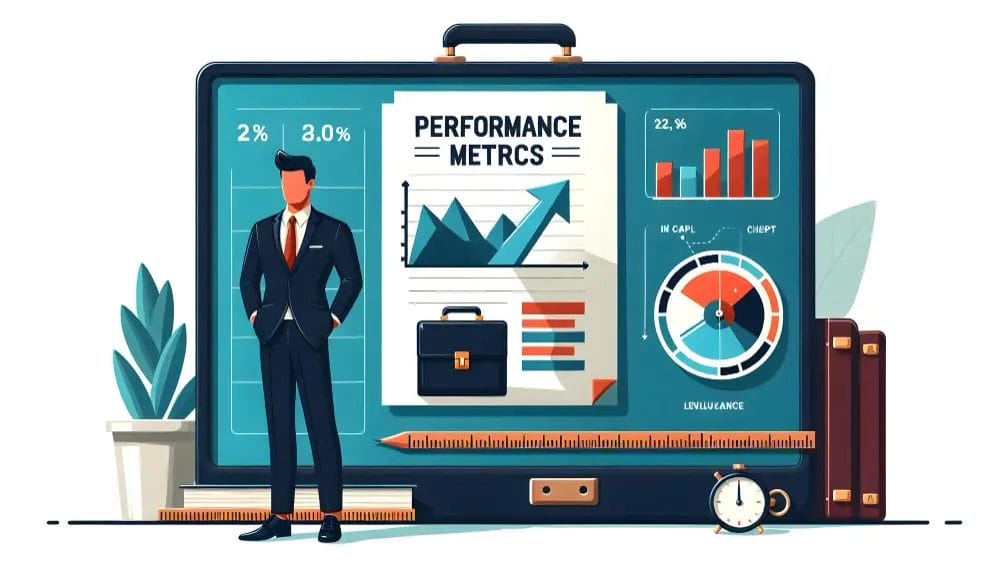
Scalability is a non-negotiable factor in modern e-commerce, and WooCommerce vs BigCommerce offers different paths toward growth. WooCommerce gives you control, but scaling requires infrastructure planning. You need to choose high-quality hosting, implement caching strategies, and monitor site speed. When managed well, WooCommerce can scale beautifully. However, poor configuration can lead to performance bottlenecks.
BigCommerce handles all of that for you. It’s built with growth in mind, accommodating surges in traffic and expanding product lines without performance degradation. Whether you’re selling 100 products or 100,000, BigCommerce’s infrastructure adjusts to your needs without requiring additional technical oversight.
That said, WooCommerce offers the opportunity for custom performance tuning. If you have technical support or a strong dev team, you can often optimise WooCommerce beyond the limitations of hosted platforms. It becomes a question of resources—do you want complete control or guaranteed simplicity?
Design and User Experience: Crafting a Compelling Storefront
The visual appeal and navigational ease of your store play a major role in conversion rates. WooCommerce allows you to design anything you can imagine. Thanks to WordPress’s extensive theme ecosystem and page builders like Elementor, you can create visually stunning, interactive storefronts that reflect your brand’s personality. However, achieving this often involves a steeper learning curve or hiring a designer.
BigCommerce offers professionally designed themes and a more controlled editing environment. You won’t have the same degree of freedom as with WooCommerce, but you gain speed, consistency, and simplicity. It’s especially advantageous for businesses that value fast time-to-market or don’t want to micromanage every visual detail.
If brand uniqueness and deep customisation are top priorities, WooCommerce takes the edge. If you prefer out-of-the-box elegance with minimal design decisions, BigCommerce shines.
SEO and Marketing Capabilities: Getting Discovered

Being found online is half the battle. WooCommerce excels in SEO because it runs on WordPress, one of the most SEO-friendly platforms available. You can install tools like Yoast SEO, structure URLs any way you want, and control every meta tag and schema setting. WooCommerce is a dream for SEO-savvy marketers who know how to optimise their content for search engines.
BigCommerce also offers strong SEO capabilities, but within a more structured environment. URL customisation, metadata, and SSL security are all handled well, but you won’t get the same level of granular control. However, its integration with Google Shopping, Facebook, and Instagram is seamless and makes managing omnichannel marketing easier.
Both platforms support email marketing, content marketing, and social media integration. But again, WooCommerce gives you more flexibility, while BigCommerce gives you more convenience.
Security and Maintenance: Keeping Your Store Safe
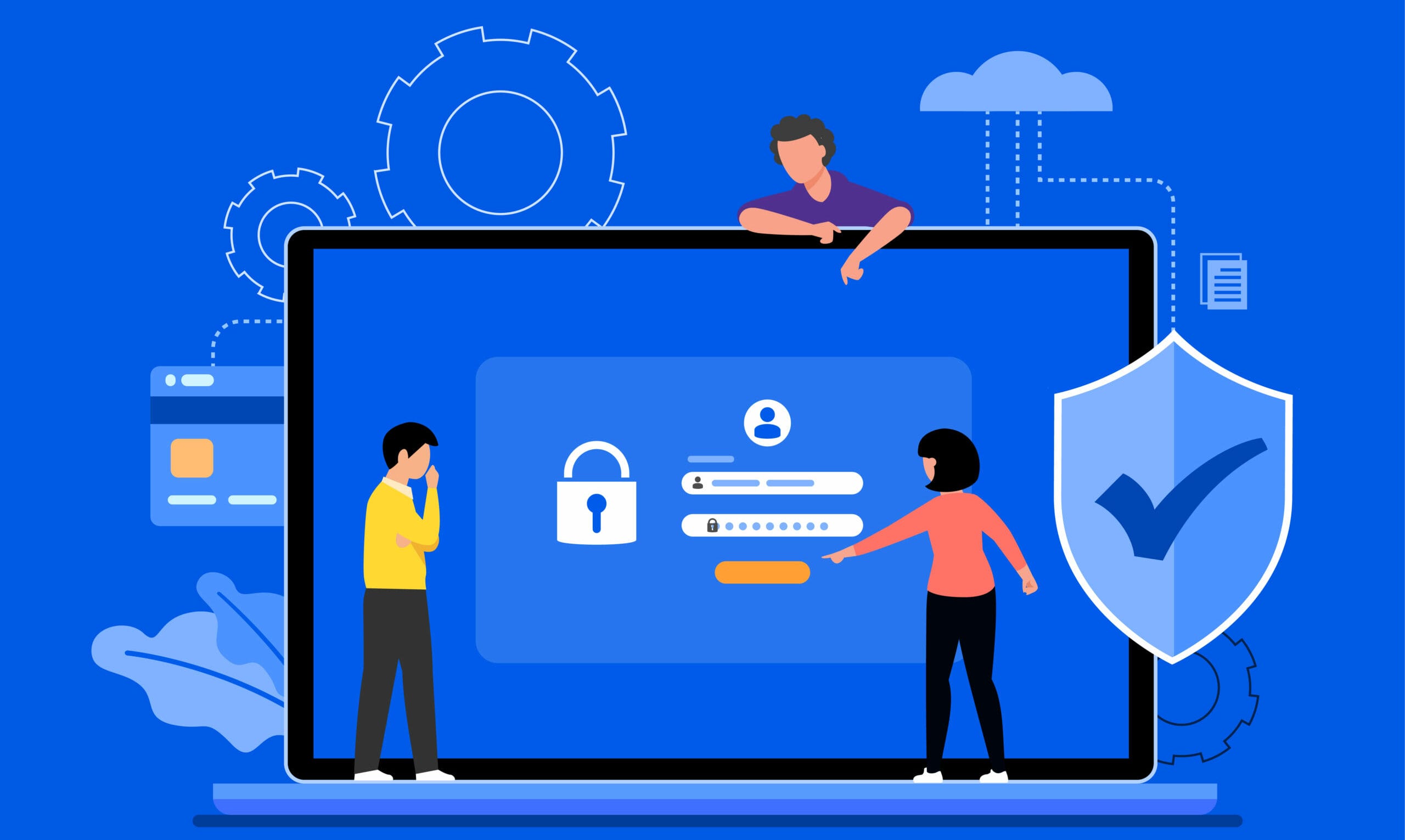
Security is critical in e-commerce. WooCommerce places the responsibility of site security on the store owner. You’ll need to handle updates, backups, SSL installation, and protection against vulnerabilities. With great power comes great responsibility. Fortunately, plugins and managed hosting solutions can simplify this process, but the burden still lies with you.
BigCommerce, being a hosted platform, takes care of all this for you. PCI compliance, SSL certificates, and regular updates are handled behind the scenes. This is especially beneficial for business owners who want to focus on growth without worrying about technical glitches or security breaches.
If you’re comfortable managing or outsourcing your site maintenance, WooCommerce gives you more control. If you want a set-it-and-forget-it approach, BigCommerce is the safer bet.
Pricing Models: Understanding the Real Costs
Cost considerations often influence platform decisions. WooCommerce is technically free, but building and maintaining a store involves several hidden costs. You’ll pay for hosting, domain registration, premium themes, extensions, and possibly developer support. However, you can scale your expenses as your business grows, which is ideal for bootstrapped entrepreneurs.
BigCommerce uses a subscription model with transparent pricing tiers based on sales volume. While this may seem expensive upfront, it includes hosting, security, and many features WooCommerce charges extra for. For businesses seeking predictable expenses and fewer components to manage, this model is well-suited.
Ultimately, WooCommerce provides a lower entry cost but can become expensive with customisation. BigCommerce simplifies budgeting but requires a monthly commitment.
Integration and Ecosystem: Tools to Supercharge Your Store
WooCommerce thrives in an open ecosystem. It integrates with thousands of plugins, tools, and platforms. Whether you need CRM software, payment processors, or shipping automation, there’s likely a plugin available. This makes WooCommerce incredibly adaptable to any business model or niche.
BigCommerce, while more controlled, still offers an impressive app store with powerful integrations. It connects easily to Amazon, eBay, ERP systems, and popular marketing platforms. While the ecosystem is not as broad as WooCommerce’s, the integrations tend to be more stable and supported.
If you’re building a unique tech stack or require unusual functionality, WooCommerce is more flexible. For businesses looking for tried-and-true solutions that “just work,” BigCommerce is the smarter choice.

The Verdict: Which Platform Wins?
There is no definitive winner in the WooCommerce vs BigCommerce contest—it entirely depends on your needs. WooCommerce is perfect for those who crave control, customisation, and scalability through self-management. It’s best suited for tech-savvy entrepreneurs, agencies, or anyone building a long-term digital asset with full ownership.
BigCommerce appeals to businesses that want a worry-free, enterprise-grade solution with built-in support and fast go-to-market capability. It’s especially valuable for high-growth companies, omnichannel retailers, and organisations without technical teams.
Rather than choosing the “best” platform, choose the right one based on your business vision, resources, and operational style. Whether you lean toward WooCommerce vs BigCommerce, aligning the platform with your business DNA will ultimately drive your success.
FAQs
Is WooCommerce better than BigCommerce?
BigCommerce comes with built-in security features, so store owners don’t need to worry much about setup or maintenance. On the other hand, WooCommerce provides greater flexibility in security, but it requires you to configure the measures yourself or hire an expert to handle them.
Is BigCommerce a good e-commerce platform?
BigCommerce offers an all-in-one pricing model, making it easier to understand your expenses when starting out. While both platforms come with a learning curve, each can be a solid choice for building an e-commerce business. But does BigCommerce also provide marketing features?
Do BigCommerce and WooCommerce charge fees?
Neither BigCommerce nor WooCommerce impose its own transaction fees. Instead, any additional charges depend on the payment gateway you choose. WooCommerce, in particular, supports 100+ payment gateways, including Authorize.Net.
Is WooCommerce a good e-commerce plugin?
WooCommerce is a powerful WordPress plugin that turns your website into a fully functional online store. With it, you can create product listings, accept payments, and manage orders seamlessly. Since it’s free to use, it’s an excellent option for businesses looking for a budget-friendly way to add e-commerce features to their existing site.
How does WooCommerce support work?
BigCommerce provides 24/7 support through phone, chat, and tickets, with Enterprise plan users getting priority service, in-depth documentation, and a community forum. WooCommerce, on the other hand, offers support mainly through its large community, including forums, Facebook groups, and Slack channels.
Does WooCommerce accept credit cards?
Both WooCommerce and BigCommerce support all major credit and debit cards and integrate smoothly with popular international payment gateways. With BigCommerce, for example, you can accept credit cards through PayPal, benefiting from an easy setup and access to pre-negotiated transaction rates.
Interesting Reads:
Shopify vs Magento: Unmasking the Better E-commerce Platform
Webflow vs Shopify for Modern E-Commerce and Custom Websites

