Top 7 Best Community Management Software 2026


Over the past few years, I’ve seen firsthand how community management software has become a game-changer for businesses looking to build thriving online communities. In today’s digital-first world — where connection and engagement matter more than ever — these tools are essential for fostering meaningful relationships, managing conversations, and creating spaces where users genuinely feel heard and valued.
Whether it’s a brand community, membership site, or social platform, the right community management tool makes all the difference. It helps streamline moderation, enhance communication, and gather valuable insights into what your audience really cares about. I’ve tested a range of tools myself, and the biggest takeaway is this — great community software doesn’t just help you manage people; it helps you nurture loyalty, engagement, and long-term growth.
As more organizations realize the importance of digital communities, the demand for powerful and reliable community management solutions continues to rise. But with so many tools out there — each offering its own blend of features and pricing — finding the perfect fit can be overwhelming.
Quick Links
What is Community Management Software
When I first started exploring community management software, I quickly realized how much these tools can transform the way brands interact with their audiences online. After testing several platforms — from simple social media management tools to advanced community engagement suites — I learned that this kind of software isn’t just a “nice-to-have.” It’s a central hub for managing every aspect of an online community, no matter its size or purpose.
What I liked most about modern community management tools is how they bring everything together in one place. Instead of juggling multiple apps for content scheduling, user engagement, and analytics, I could manage it all through a single dashboard. This not only saved time but also made communication smoother and more consistent across different platforms — whether that was a private member forum, a Facebook group, or a brand-hosted community site.

Most of the tools I tested offered a solid mix of features — things like post scheduling, moderation controls, analytics dashboards, and engagement tracking. For example, I could plan and schedule community content in advance, respond to member questions in real time, and even track which types of posts were getting the most engagement. That kind of data is incredibly valuable because it helps you understand what your members actually care about and how they interact with your brand.
Another thing that stood out to me was how much easier community moderation and communication became. Features like tagging, private messaging, and content filtering helped keep discussions positive and on-topic. It felt less like managing chaos and more like guiding meaningful conversations — which, in the end, is what every community manager wants.
Importance and benefits of Community Management Software
After spending time testing different community management tools, I can confidently say they’re an absolute game-changer for any business trying to build stronger relationships online. Whether you’re managing a brand community, a membership group, or a customer forum, the right platform can make a world of difference. Here’s what I’ve personally experienced and learned along the way.
1. Enhanced involvement
One of the biggest things I noticed right away was how much engagement improved once I started using a proper community management platform. These tools create spaces where members can easily connect, share ideas, and participate in discussions. Instead of one-way communication, it becomes a two-way relationship — members feel seen and heard, and that makes them stick around longer.
2. Better and Faster Communication
I loved how seamless communication became. With built-in messaging, announcements, and reply features, I could share updates, answer questions, and connect with members instantly. It also helped our team stay organized — we could respond faster and keep conversations flowing naturally without missing important feedback.
3. Consistent Community Growth and Retention
Over time, I realized that these tools don’t just grow communities — they help keep them alive. Features like gamification, badges, and recognition systems made members feel valued and encouraged continued participation. When people feel like they’re part of something meaningful, they naturally want to stay.
4. Insightful Analytics for Smarter Strategy
If there’s one feature I rely on most, it’s community analytics. The platforms I tested offered detailed reports on engagement levels, top contributors, and trending topics. Having that data helped me refine my content strategy and focus on what actually resonates with the community — instead of guessing what might work.
5. Easy and Effective Moderation
Managing an online community can be tricky, especially as it grows. Thankfully, moderation tools made that process much smoother. I could monitor discussions, flag inappropriate content, and set community rules that kept the space positive and respectful. This created a safe, welcoming environment for everyone involved.
6. Stronger Brand Loyalty
I also found that active community engagement directly boosts brand loyalty. When brands respond quickly, share helpful resources, and celebrate member milestones, people feel more connected. Over time, that trust turns into advocacy — your members start promoting your brand organically, just because they genuinely enjoy being part of your community.
7. Improved Customer Support and Feedback
One of the underrated benefits of these tools is how they double as a customer support channel. I’ve seen members ask questions, share product feedback, and even help each other troubleshoot — all within the community space. That kind of direct interaction not only saves time but also builds transparency and trust.
8. Streamlined Operations
Lastly, I was pleasantly surprised by how much time I saved. Many platforms automate repetitive tasks like onboarding, announcements, and moderation. This freed up hours each week that I could spend focusing on content and strategy instead of admin work.
Here are 7 Best Community Management Software
1. BuddyX
When I first tested BuddyX ,I was honestly surprised by how flexible and community-focused it felt right out of the box. It’s not just another WordPress theme — it’s more like a complete toolkit for building vibrant, engaging online communities. Whether you’re setting up a social network, a learning platform, or a discussion forum, BuddyX makes the process feel effortless.
The first thing I noticed was how smooth and intuitive everything felt. The design is clean, modern, and responsive — no clutter, no confusion. I liked how it integrates seamlessly with BuddyPress and bbPress, letting me create member profiles, activity streams, private messaging, and groups without having to deal with complicated setups or extra plugins. Everything just worked.

2. Discourse
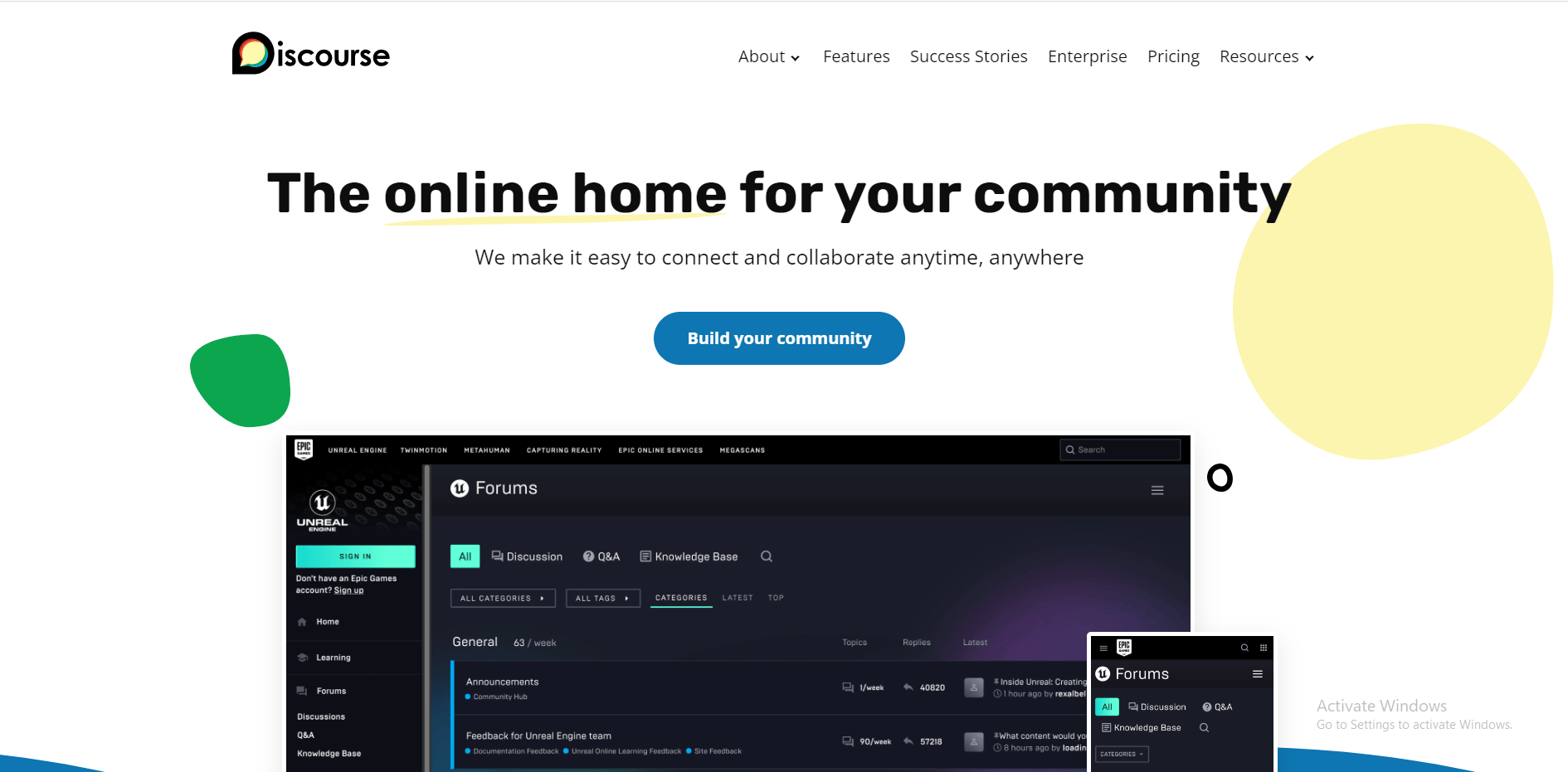
I tested Discourse, I immediately understood why it’s such a favorite among online community builders. It’s an open-source platform, but it feels every bit as polished as many paid tools. What stood out to me first was how clean and intuitive the interface is — even if you’re new to community management, navigating Discourse feels natural and smooth.
As I explored deeper, I was really impressed with how conversation-focused it is. Instead of flat comment threads, Discourse uses threaded discussions that make it easy to follow specific topics and subtopics without losing context. I liked that you can jump into a discussion, reply directly to someone, and still keep the conversation organized — it feels like a modern take on classic forums.
3. Vanilla Forums
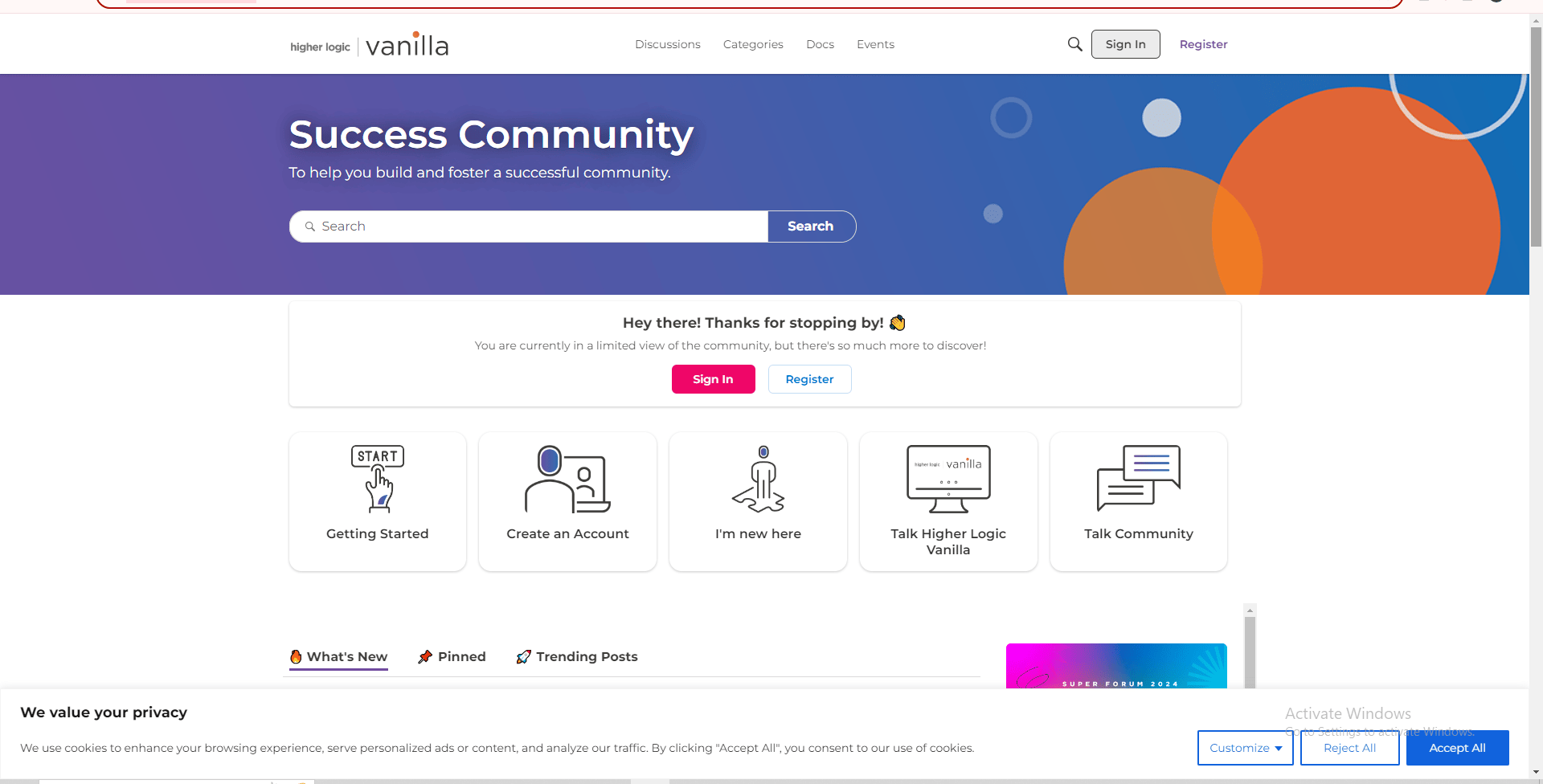
When I tested Vanilla Forums, I was pleasantly surprised by how polished and scalable it felt right out of the box. It’s a community platform built for growth, and you can tell that from the way everything—from setup to customization—flows smoothly.
What I liked most about Vanilla is how user-friendly it is. The interface feels clean and modern, making it easy for both admins and members to find their way around. Even without much technical experience, I was able to customize layouts, organize discussions, and manage user roles effortlessly.
Once I started exploring the features, I realized that Vanilla isn’t just about hosting conversations—it’s about driving engagement. The gamification tools stood out to me immediately. Members can earn badges, points, and ranks for participation, which really motivates people to stay active and contribute more. Combined with social media integration, it becomes incredibly easy for users to share content or connect their existing profiles, which helps the community grow organically.
Also Read: Best Free Task Management Software
4. Zendesk Gather
When I tested Zendesk Gather, what immediately stood out was how seamlessly it blends customer support with community engagement. It’s not just another forum platform—it’s part of the larger Zendesk ecosystem, which means everything from discussions to support tickets is connected in one smooth experience.
I really liked how easy it was to set up a community that felt both professional and inviting. Within minutes, I could create discussion spaces, organize topics, and link them directly to Zendesk’s helpdesk. This integration made it effortless for customers to search existing threads for answers before opening a new ticket—saving time for both users and support teams.

5. Khoros Communities
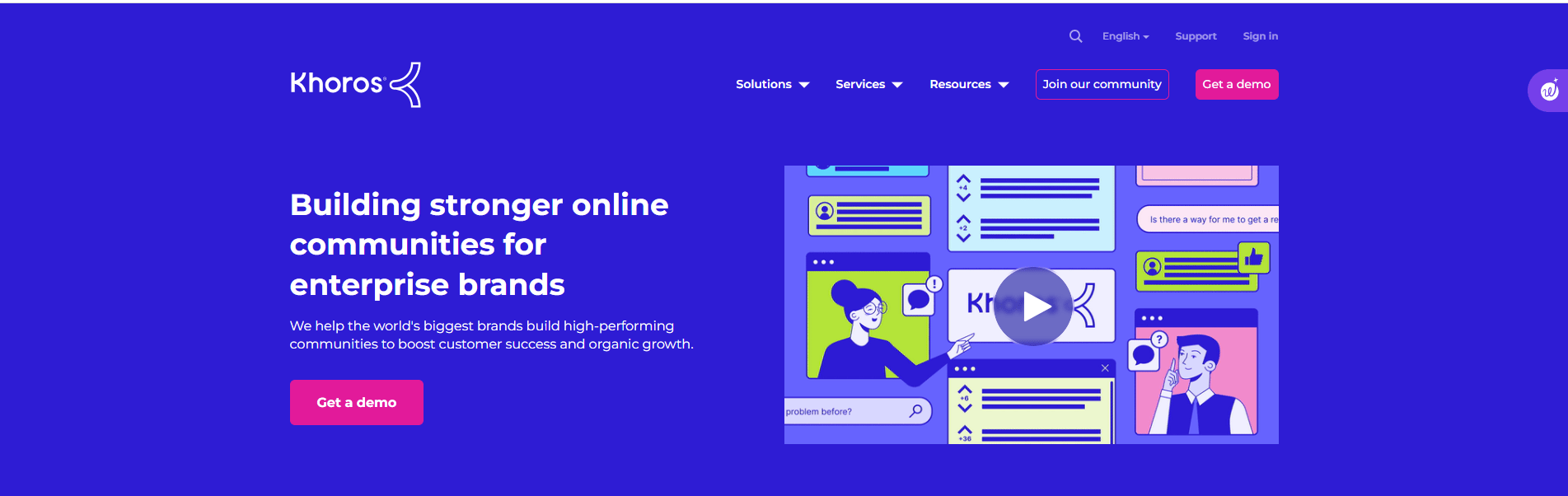
When I tested Khoros Communities (previously known as Lithium Communities), I quickly realized why it’s trusted by so many large brands. It’s not just a discussion platform — it’s a full-fledged engagement ecosystem built to help businesses turn customer conversations into brand growth.
What I really liked about Khoros was how strategic and data-driven it felt. From the moment I set it up, I could tell this platform was designed with enterprise-level community management in mind. It offers deep analytics, so you’re never guessing what’s working. I could see which topics were driving the most engagement, identify top contributors, and even track how community discussions were influencing customer satisfaction and brand loyalty.
Also Read: Best Document Translation Software
6. Hivebrite
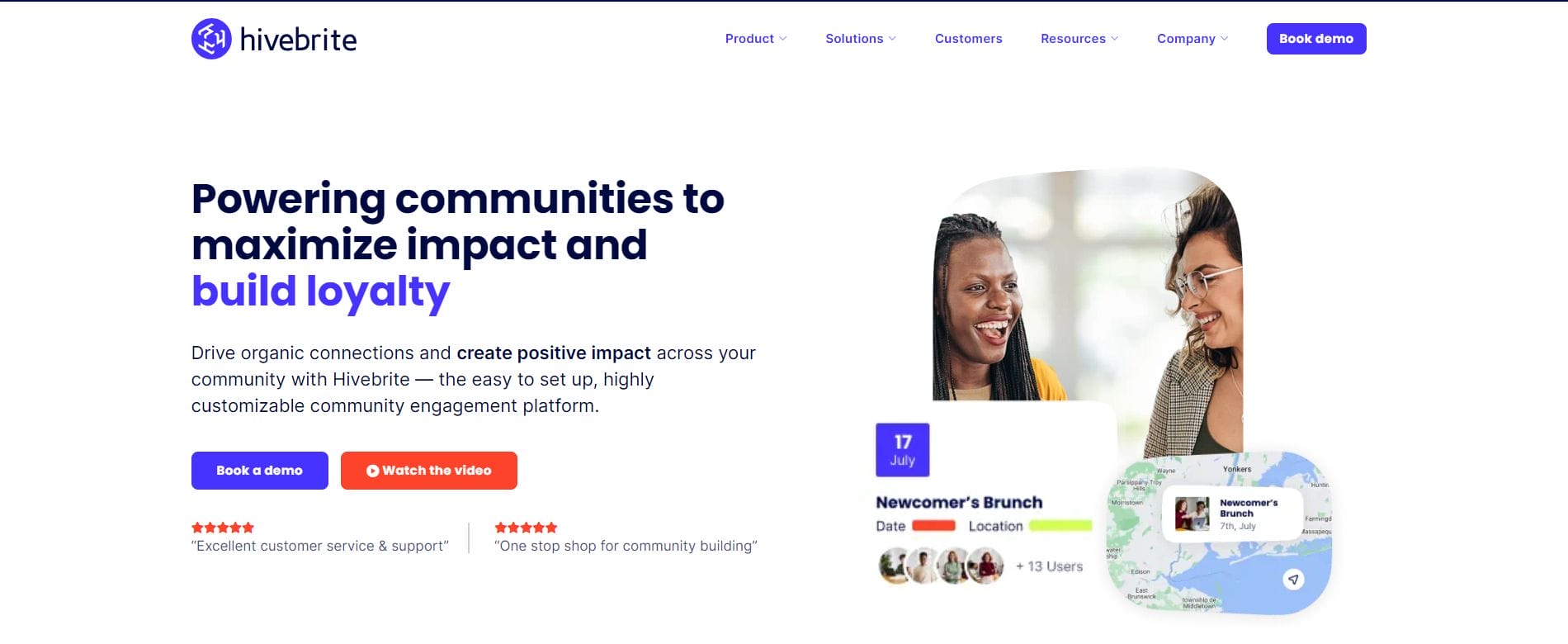
When I tested Hivebrite, I was genuinely impressed by how versatile and polished it felt right from the start. This isn’t just another community platform—it’s a comprehensive ecosystem that adapts beautifully to almost any type of community, from professional networks to alumni associations and member-based organizations.
What immediately stood out to me was how customizable everything is. I could tailor the platform to match my community’s branding, layout preferences, and member journey without needing to touch a line of code. The level of flexibility Hivebrite offers makes it feel like a platform designed to evolve with your community’s needs rather than locking you into rigid templates.
As I explored deeper, I found the event management tools to be incredibly well-thought-out. I could easily organize events, manage RSVPs, and even collect payments directly within the platform. This is a huge time-saver if your community hosts regular meetups, webinars, or fundraisers. Speaking of which—the fundraising features are another area where Hivebrite shines. It offers donation tracking, campaign pages, and integrations that make it easy to manage contributions transparently.
7. Mobilize
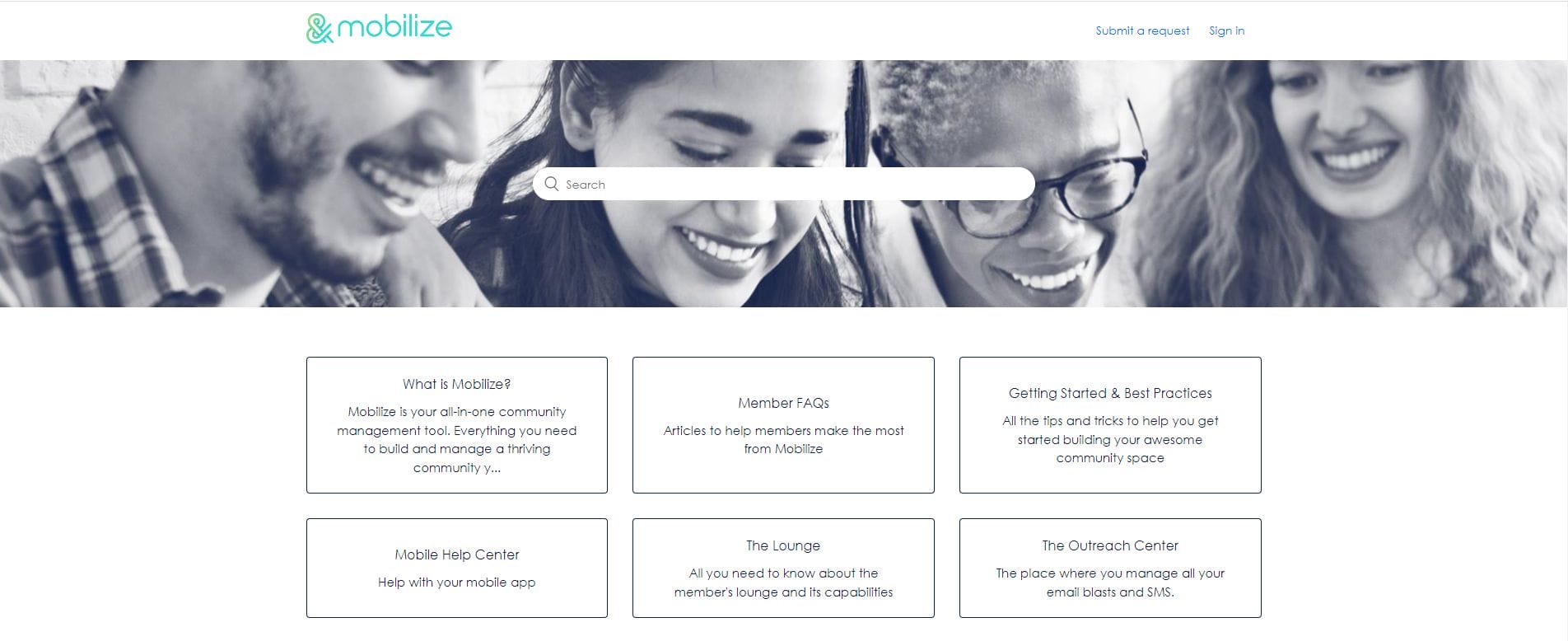
When I tested Mobilize, I could instantly see why it’s such a favorite among organizations that rely on volunteers, community groups, and professional networks. It doesn’t try to be everything at once—instead, it focuses on what it does best: bringing people together for meaningful, collective action.
What I really liked about Mobilize was how intuitive and purpose-driven the platform feels. The moment I logged in, it guided me to create groups, plan events, and communicate with members in a way that felt natural—almost like managing a social movement rather than just a community platform. The interface is clean and modern, making navigation effortless even for those who aren’t very tech-savvy.
I also appreciated how well Mobilize handles communication. The platform lets you send announcements, start discussions, and collect feedback—all within one space. It felt like a blend between a professional network and a grassroots community tool. Plus, the ability to automate reminders and updates was a big win in keeping engagement consistent without feeling spammy.
Final Thoughts on 7 Best Community Management Software
The community management software market has grown rapidly, offering an impressive range of tools designed to boost engagement, streamline communication, and nurture thriving online communities. Whether you’re running a brand community, an educational network, or a social group, the right platform can make all the difference in how people connect and collaborate online.
After exploring and testing several leading options, I found that each community management software brings something unique to the table. From Higher Logic’s advanced analytics and automation to Discourse’s open-source flexibility, and from Vanilla Forums’ modern design to Hivebrite’s networking power, these platforms cater to different needs—but share one goal: to help communities grow stronger through meaningful interaction.
What stood out to me across all seven tools is how much they prioritize user experience and engagement. Many offer features like AI-driven insights, gamification, social media integration, and event management tools, helping organizations build not just communities but real ecosystems of collaboration. These tools also make it easier to track engagement, manage memberships, and personalize content—critical for any business or organization looking to foster loyalty and long-term growth.
Interesting Reads:
Best OSS Software open source tools
Best AI Tools for Stock Market Analysis
Best HR Software for Small Companies
This article has been refreshed for 2026 with updated context, terminology, and selection criteria. If product pricing or feature availability has changed, confirm details on the vendor’s official site.

Shashank is a seasoned digital marketing and WordPress expert who specializes in SEO, software tools reviews, and cutting-edge strategies for boosting online presence. With a passion for simplifying complex topics, Goutham crafts engaging blog posts that help readers optimize their websites, improve search engine rankings, and stay ahead in the ever-evolving digital landscape.