

The Best Online Community Platforms for 2026, Quick Answer
The best online community platforms for 2026 are BuddyX Pro (WordPress, self-hosted), Mighty Networks, Circle, Bettermode, Hivebrite, Disciple, Higher Logic Vanilla, Kajabi, Geneva, Slack, Wild Apricot, Discord, Discourse, Memberium, Flarum, Tumblr, Zapnito, Patreon, Uscreen, and Facebook Groups. BuddyX Pro is the strongest self-hosted option in 2026, you own the data, the brand, and the monetization. To turn any of these into a retention engine, pair them with WB Gamification, Jetonomy, and WordPress Polls.
An online community platform is software that lets people with common interests connect, share, and collaborate. The right pick affects everything: branding, monetization, member experience, data ownership. Below is the 2026 shortlist, organized by use case.
What Is an Online Community Platform?
An online community platform is a web-based tool that creates and manages virtual communities. The strongest platforms cover discussion forums, profiles, multimedia sharing, events, monetization, and analytics in one place, so members can converse, ask questions, share work, and collaborate without switching tools.
Types of Online Community Platforms in 2026
- Self-hosted (WordPress-based), BuddyX Pro + BuddyPress; full ownership and control.
- All-in-one SaaS, Mighty Networks, Circle, Bettermode; fast launch, hosted by the vendor.
- Forum-style, Discourse, Flarum, Vanilla; deep discussion, lighter on social features.
- Chat-first, Slack, Discord, Geneva; real-time conversation over structured content.
- Creator-driven, Patreon, Uscreen, Kajabi; monetization-first with community on top.
- Enterprise/association, Higher Logic Vanilla, Hivebrite, Wild Apricot; member directories, events, large-scale needs.
Why Online Community Platforms Matter
- Knowledge sharing, members ask, answer, and learn from each other.
- Networking, global connections with professionals, peers, and mentors.
- Support and empathy, spaces for people facing similar challenges.
- Collaboration, shared files, tasks, and project progress in one place.
- Brand building, direct customer engagement and loyalty.
- Market research, first-party insight into preferences and behavior.
The 20 Best Online Community Platforms for 2026
1. BuddyX Pro, Best Self-Hosted Community Platform
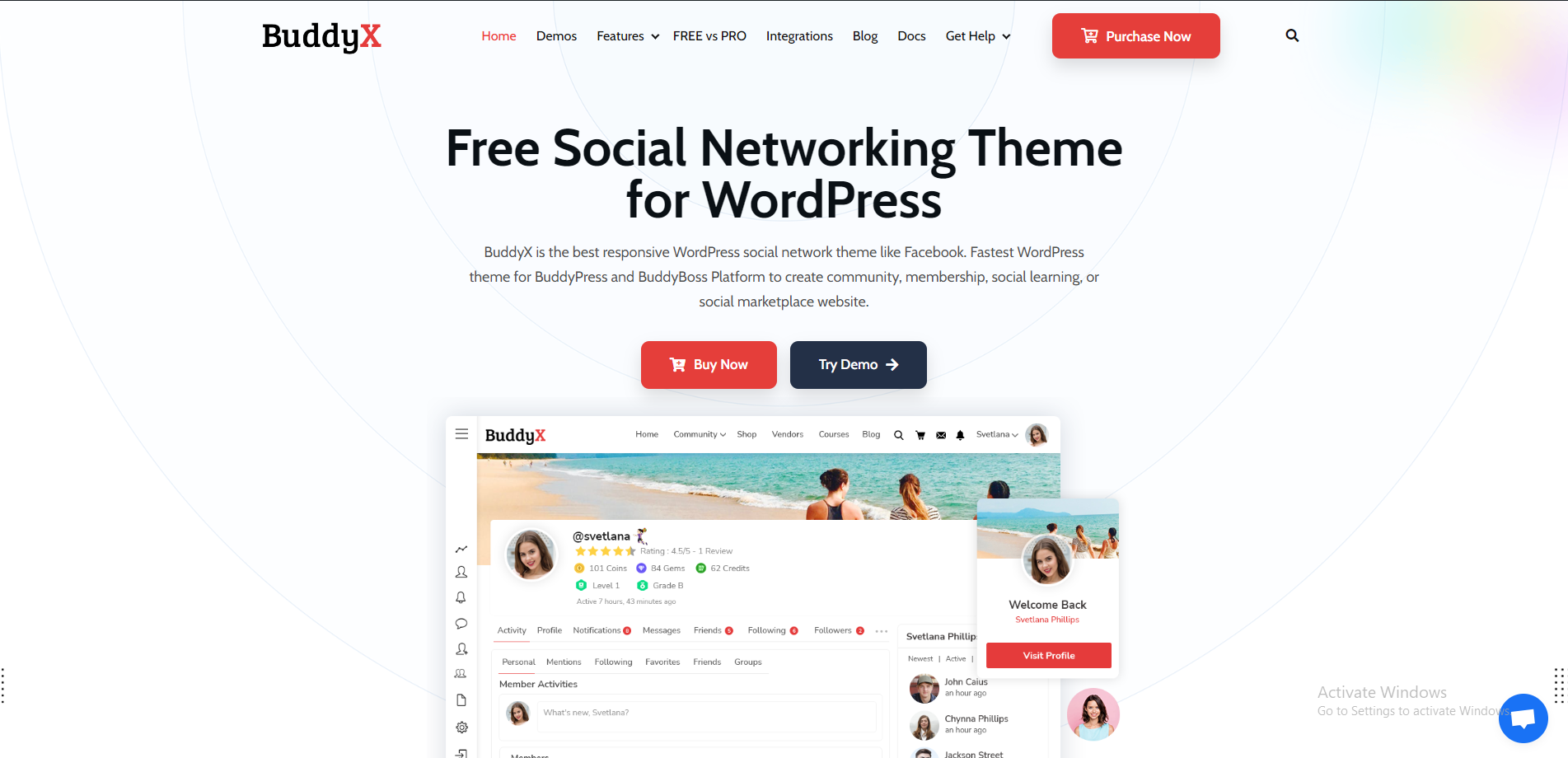
BuddyX Pro is the strongest self-hosted community platform of 2026. Built on top of BuddyPress and BuddyBoss Platform, it gives you full ownership of your data, brand, and monetization without paying per-member SaaS fees.
Use it to launch social networks, membership communities, social learning platforms, or social marketplaces. Native compatibility with WB Gamification, WordPress Polls, and Jetonomy covers engagement, feedback, and monetization in one stack.
Pricing: Single site $59, 5-site $129. Try the demo
2. Mighty Networks
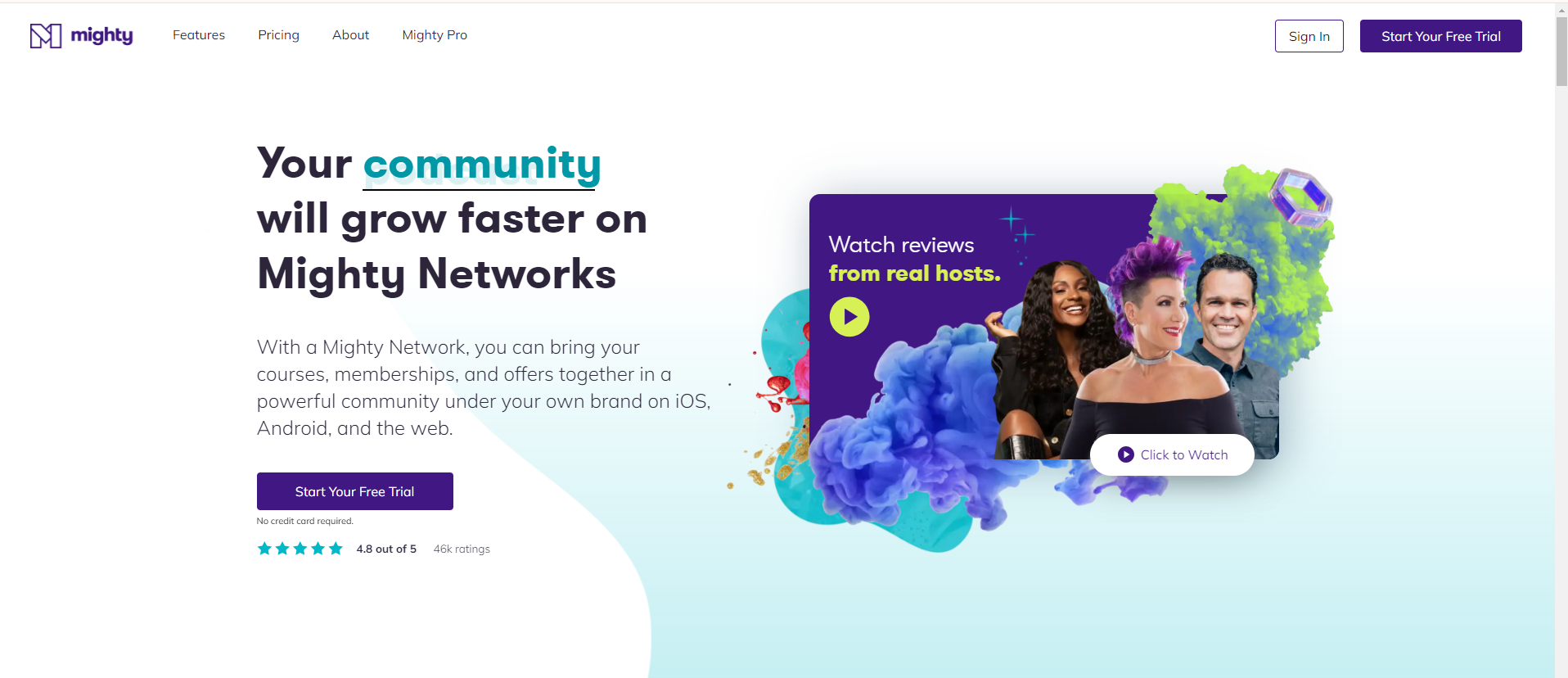
Mighty Networks is an adaptable hosted community platform. Branded community spaces, content creation and monetization, group events, native iOS/Android apps, and detailed analytics. A strong pick for creators and coaches who want a hosted solution. Pricing: $33/mo community, $99/mo business.
3. Disciple
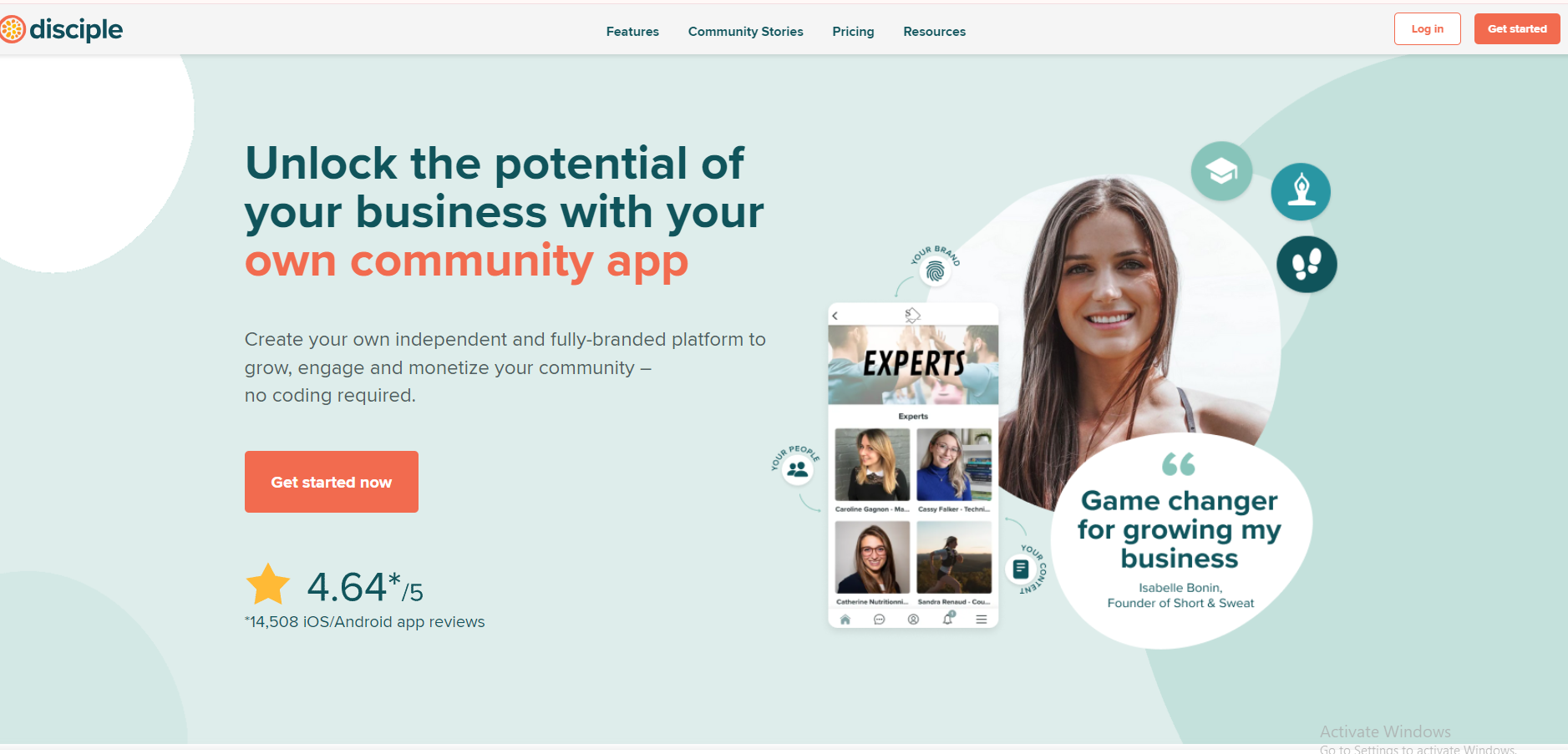
Disciple lets you build a customized community with activity feeds, discussion forums, Q&As, and content creation. Branded mobile apps and gated content for monetization. The trade-off: UX differs between web and app, and feature add-ons stack the price. Pricing: from £38/mo (web only).
4. Higher Logic Vanilla
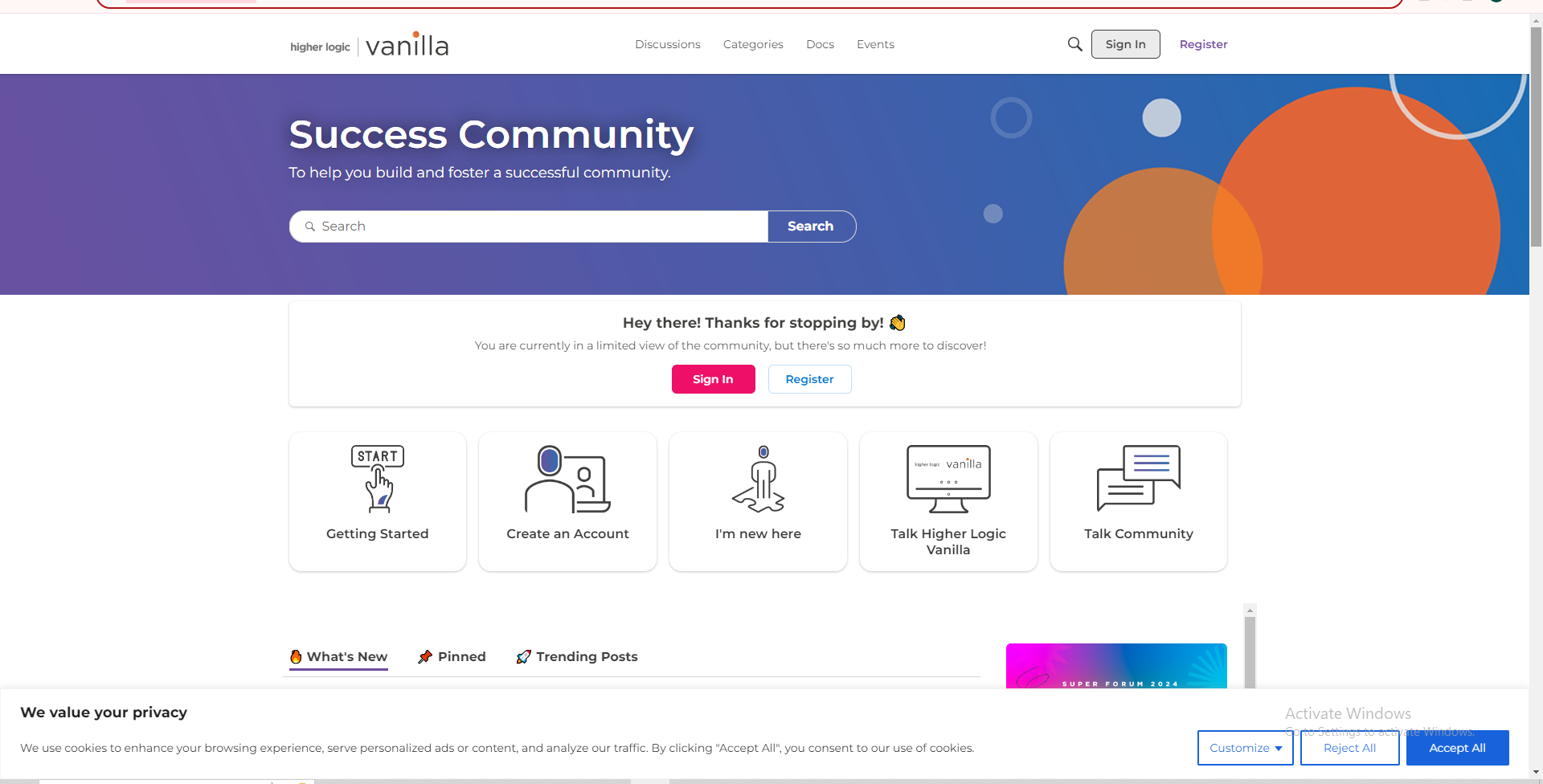
Vanilla Forums is purpose-built for large organizations needing customer communities at scale. Forum-first, with moderation tools, gamification, and Salesforce/Zendesk integrations. Limited courses or membership tooling. Pricing: est. $9k - $150k/year.
5. Kajabi
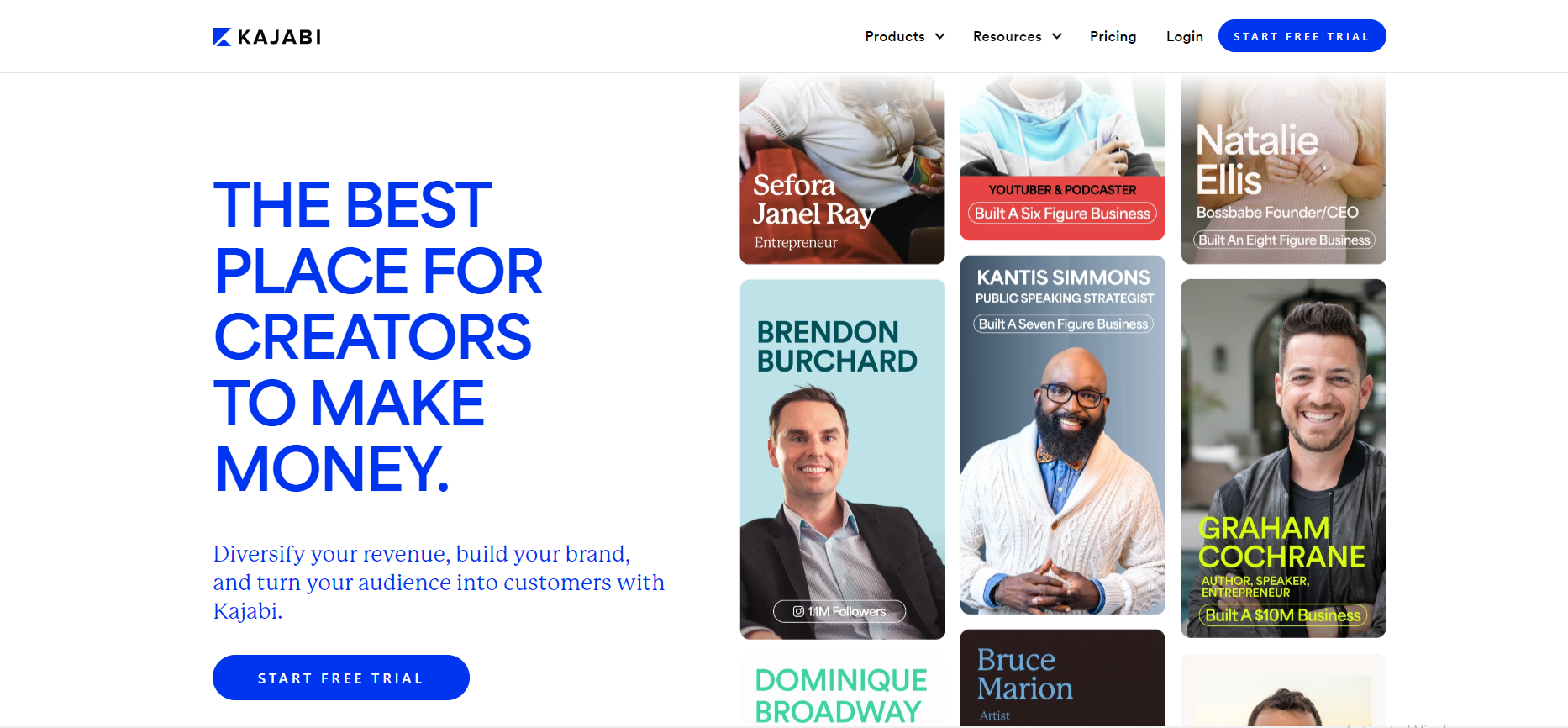
Kajabi is a one-stop tool for digital products, courses, and membership sites. Course creation, website builder, email marketing, sales funnels, and membership sites all in one place. Pricing: Basic $149/mo, Growth $199/mo, Pro $399/mo.
6. Hivebrite
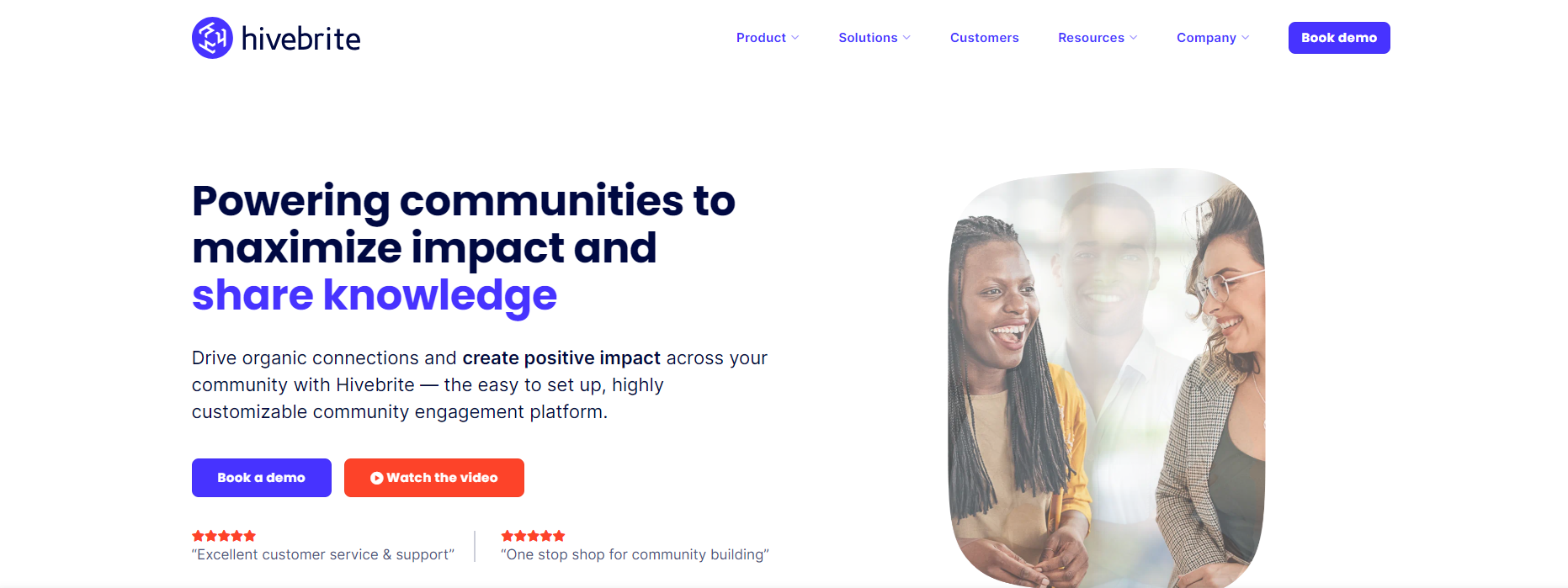
Hivebrite started in alumni networks and now serves corporate, education, and association communities. Custom community sites and mobile apps, member directories, discussion boards, event management, and job boards. Pricing: from $8,000/year.
7. Circle
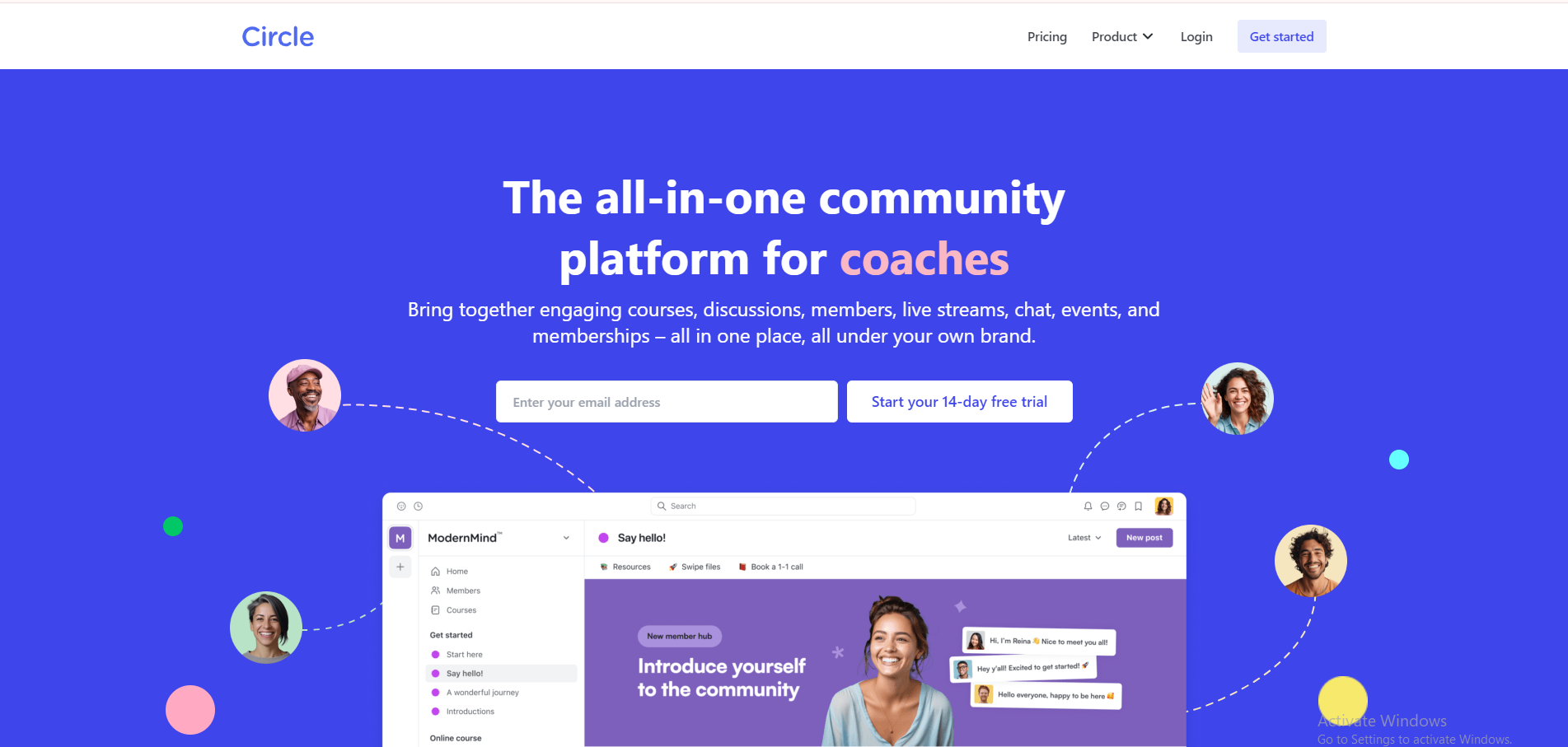
Circle is a popular all-in-one for founders, creators, coaches, and course creators. Strong UX, monetization through subscriptions and paid content, and capable management tools. Pricing: $89/mo community, $199/mo with workflows, $360/mo enterprise.
8. Facebook Groups
Facebook Groups are large-reach communities with public/private/secret privacy controls, multimedia posts, polls, and events. Strong for free communities and audience-building, but you don’t own the data or the relationship, and reach can drop overnight.
9. Bettermode
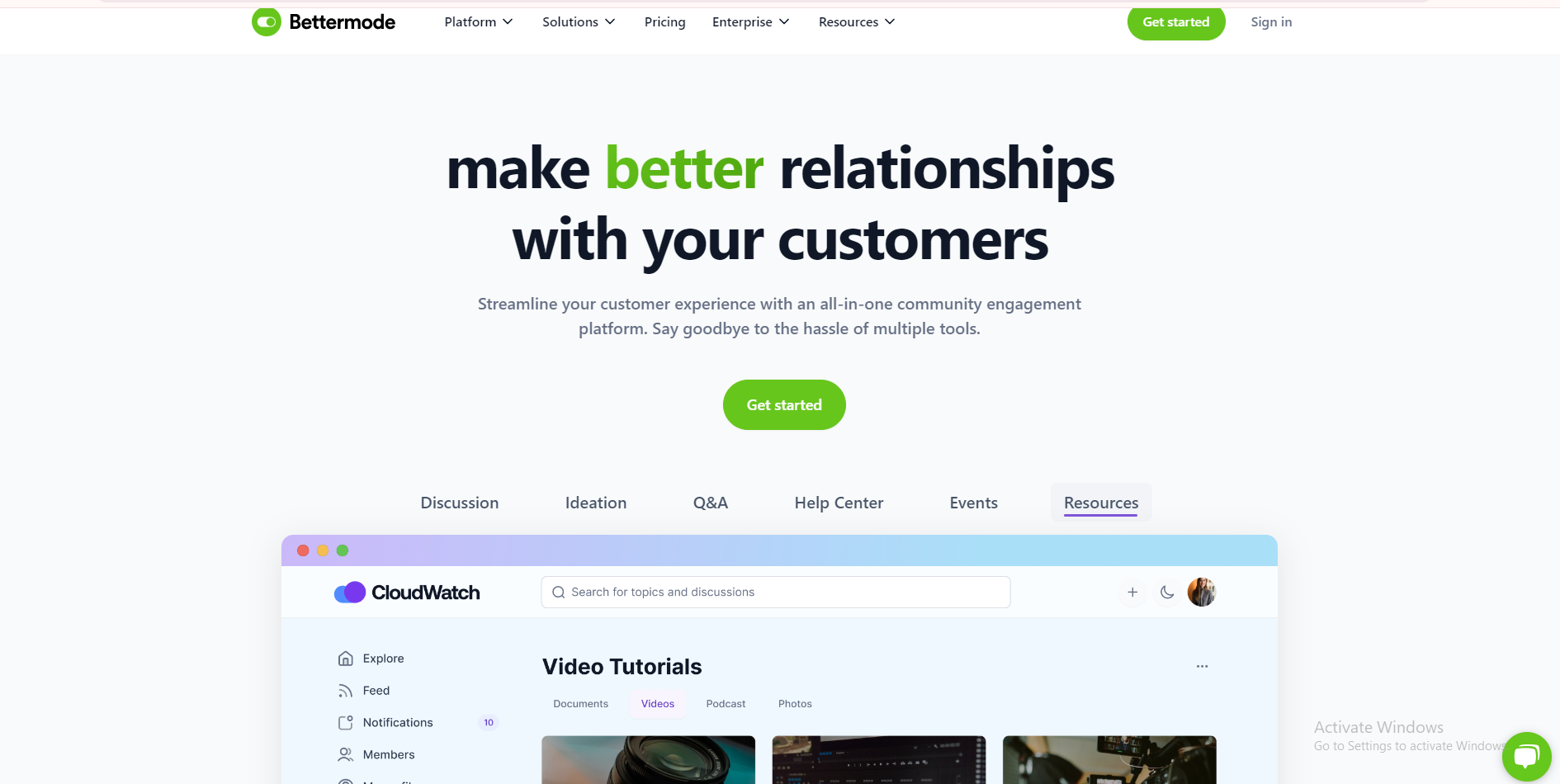
Bettermode (formerly Tribe) is a white-label community platform designed to embed inside existing websites. Strong customization, customer community focus, and a clean interface. Pricing: from $599/mo, custom enterprise.
10. Geneva
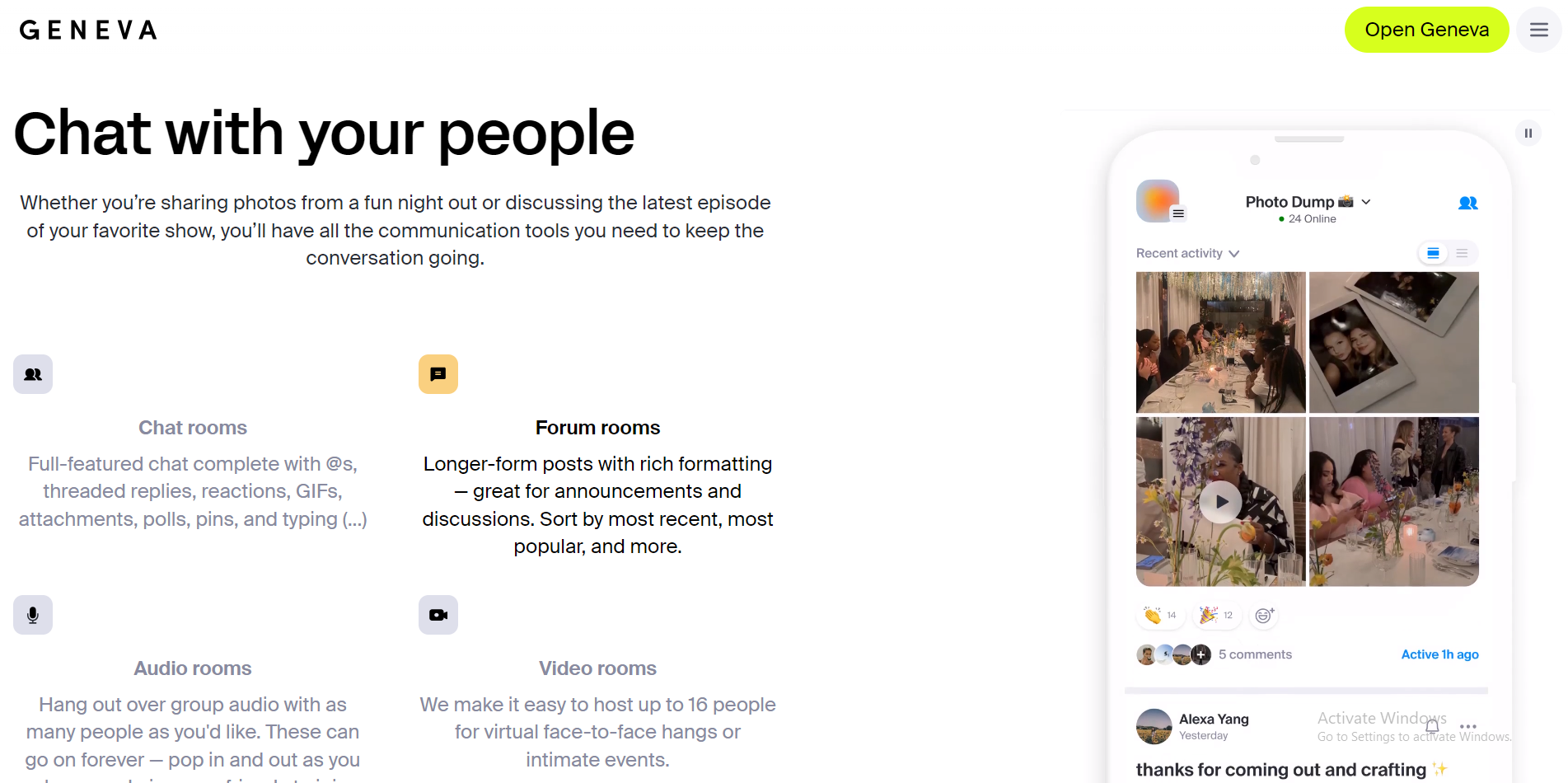
Geneva mixes chat rooms, forums, video rooms, audio rooms, and virtual events. Free to use, but no monetization options and limited member management. Pricing: Free.
11. Slack
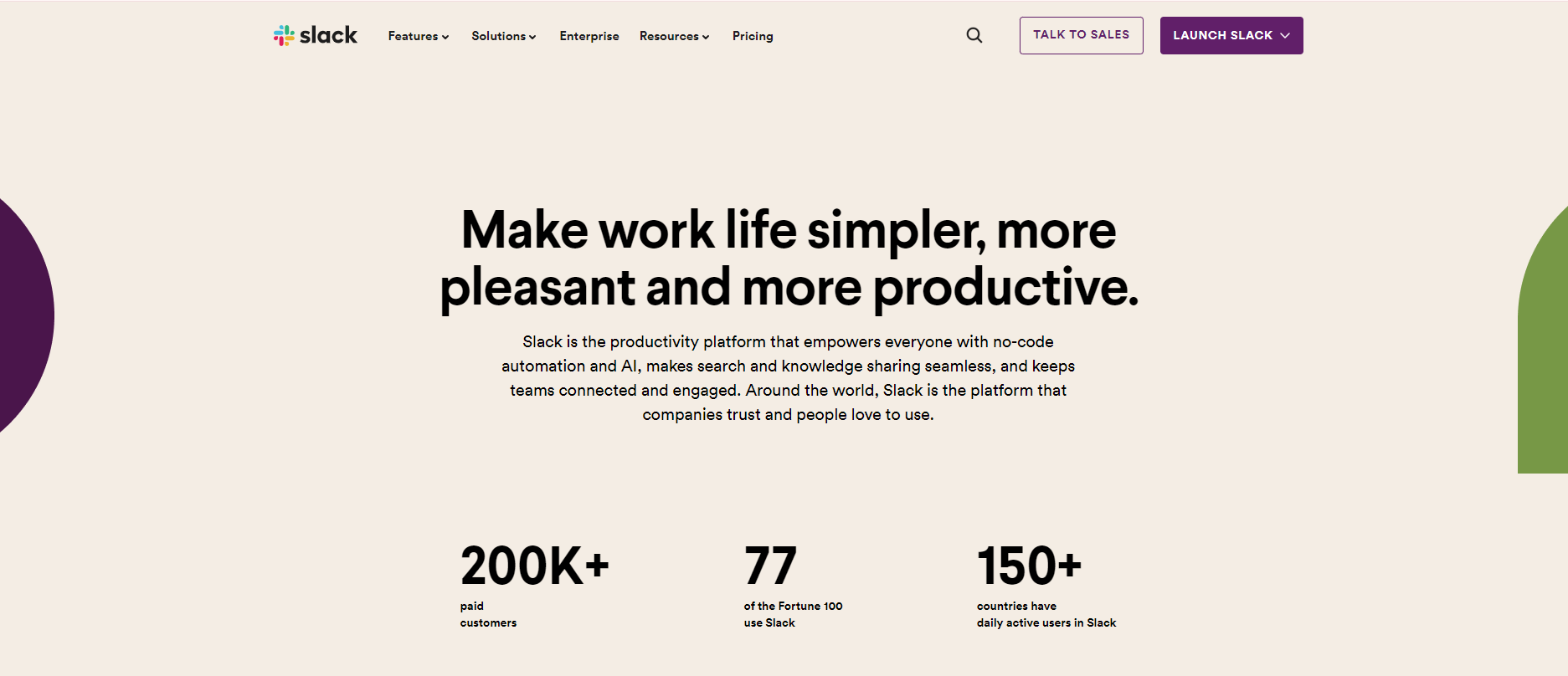
Slack is built for teams but used by free communities. Channels, direct messages, file sharing, integrations, strong for conversation, but no events, courses, content gating, or monetization. Pricing: from $8.75/mo per user.
12. Wild Apricot
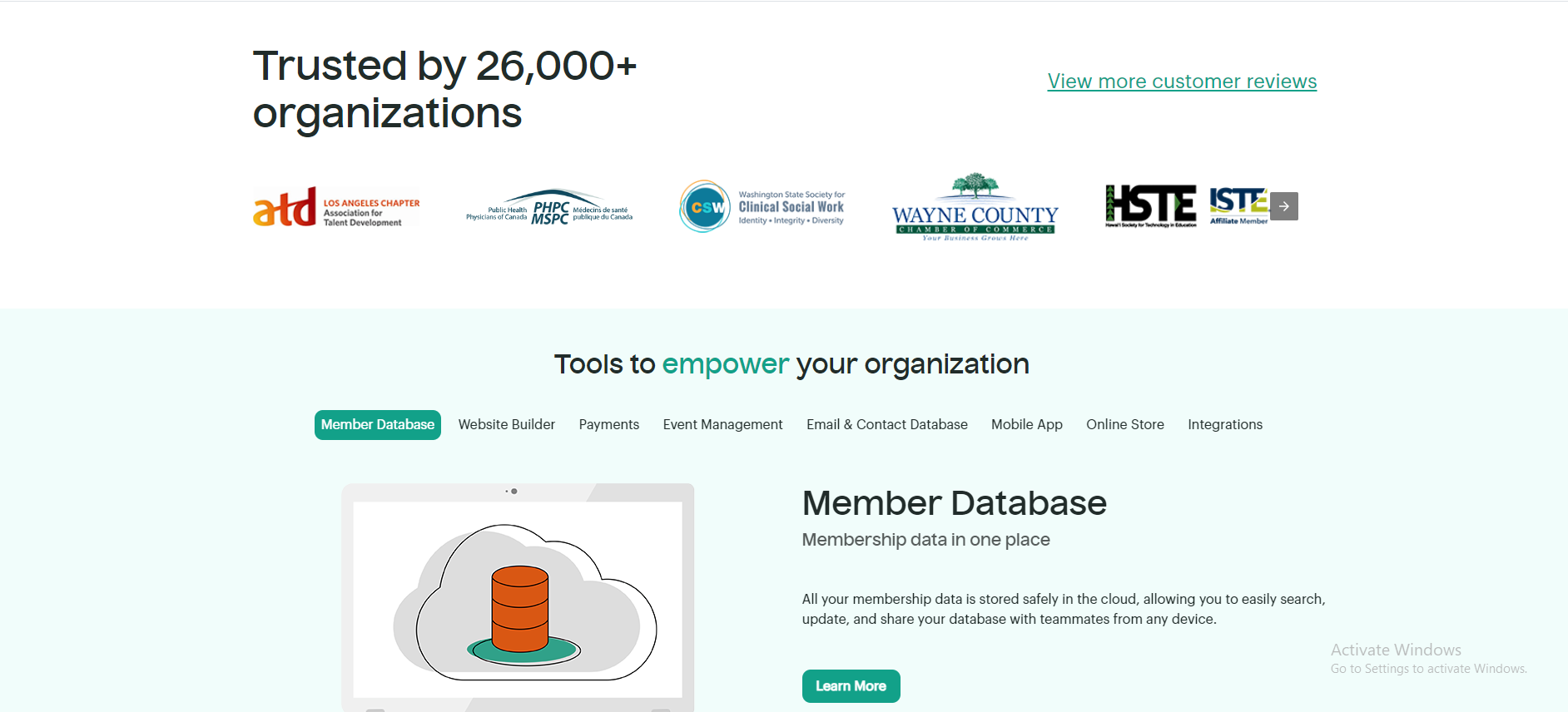
Wild Apricot is purpose-built for nonprofits and associations, member databases, payment handling, event management, and regional chapters. Lighter on community engagement features like courses or gated content. Pricing: $60 - $900/mo.
13. Discord
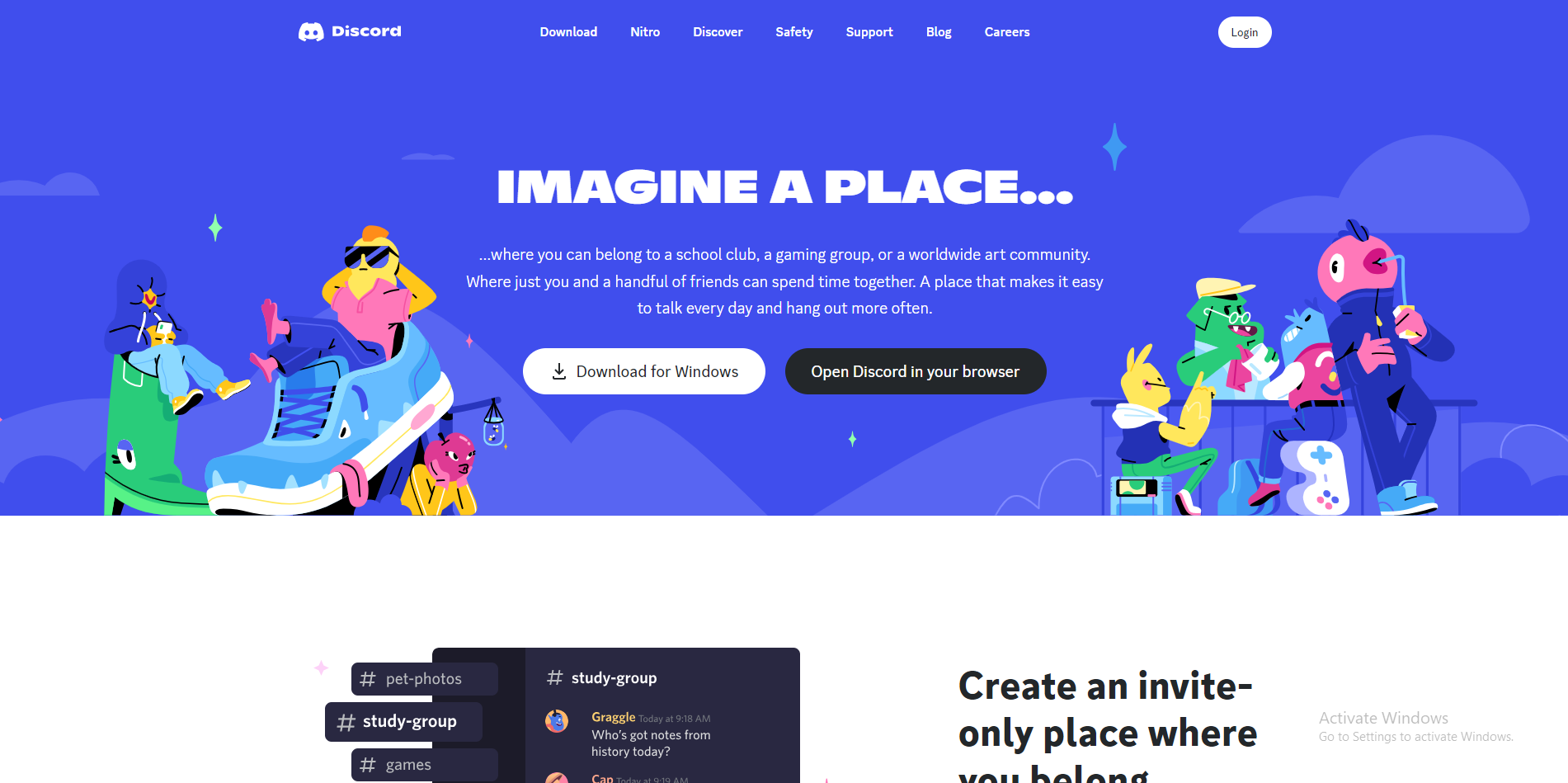
Discord started in gaming and now hosts interest-based communities of every kind. Voice and video, customizable servers, live streaming, integrations. Excellent for free communities, weak for paid ones. Pricing: Free.
14. Discourse
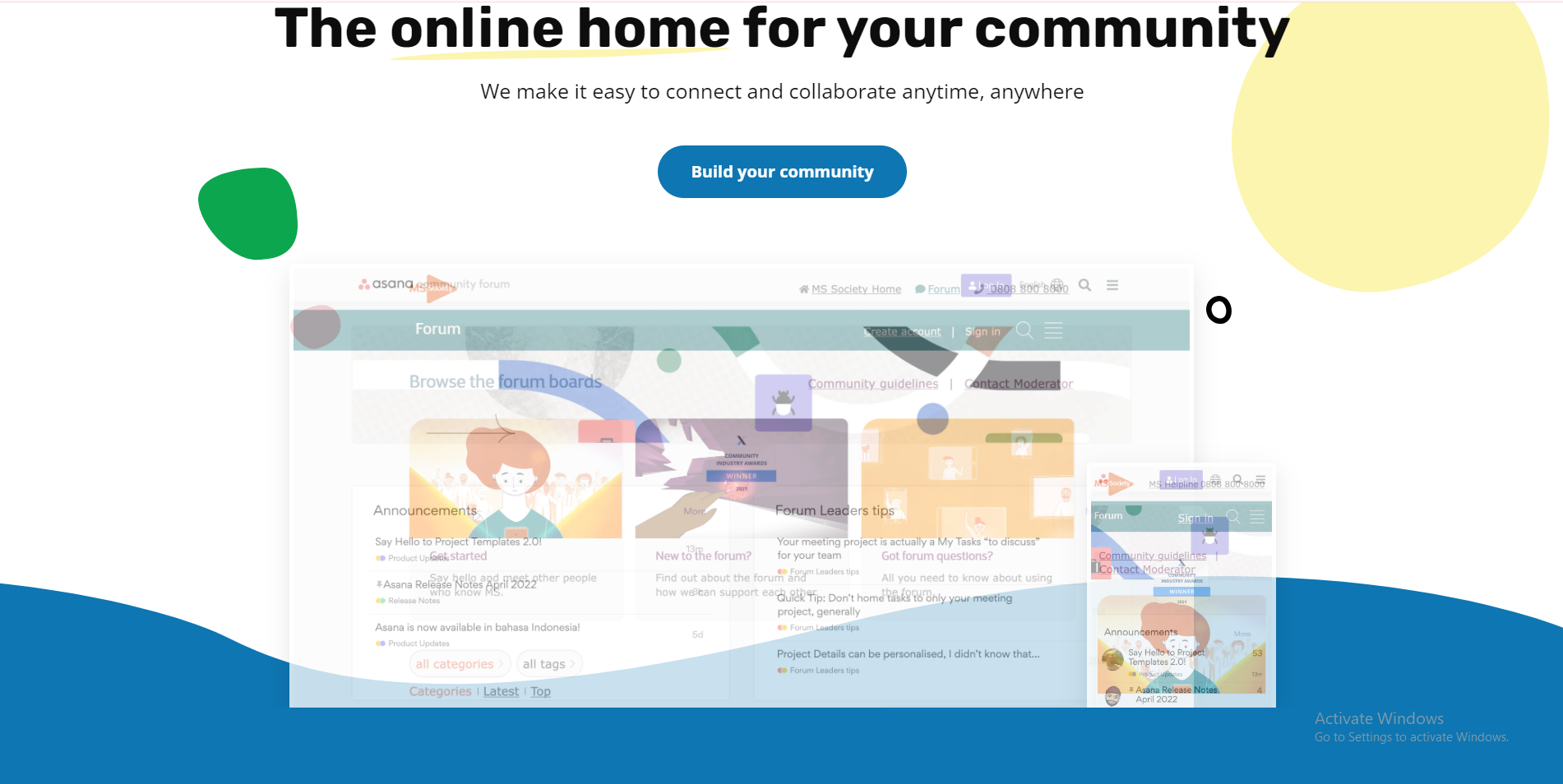
Discourse is open-source forum software with trust levels, real-time updates, rich media support, and strong moderation. Self-hosting is required, or pay $100/mo for managed hosting. Pricing: from $50/mo managed.
15. Memberium
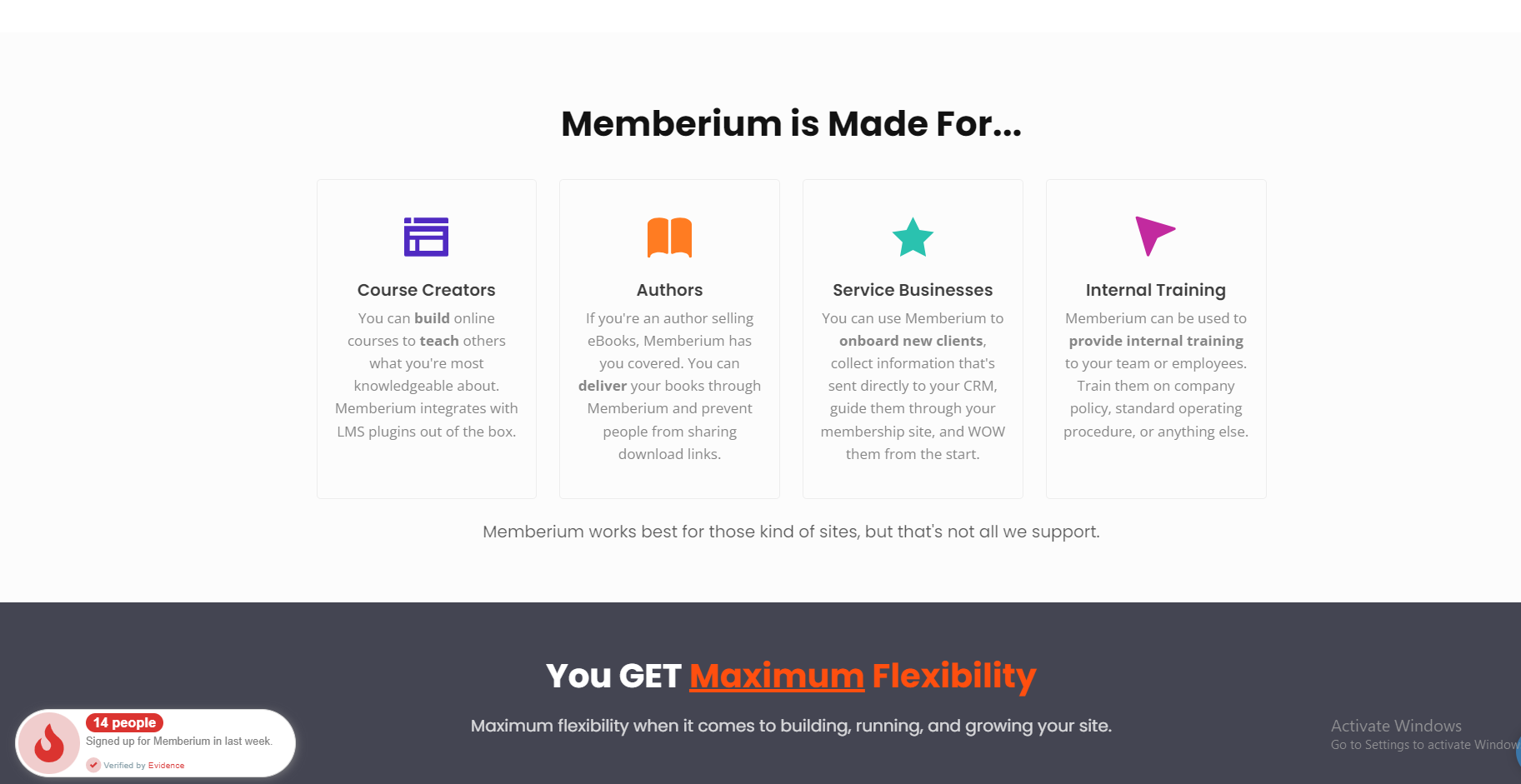
Memberium is a WordPress plugin that gates content and adds membership features. Pairs with LMS plugins like LearnDash for course delivery. Pricing: $37 - $57/mo depending on CRM.
16. Flarum
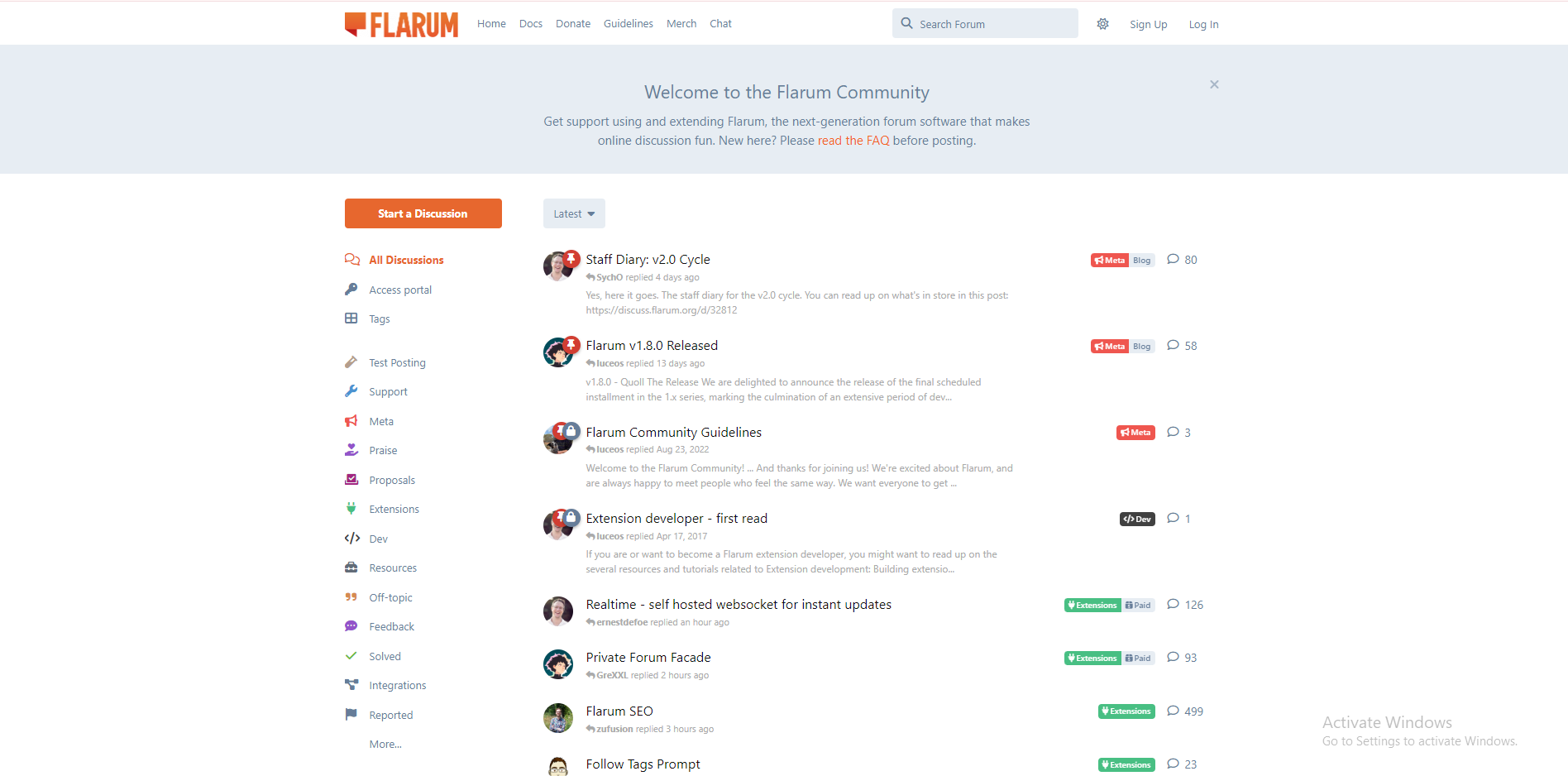
Flarum is a fast, free, open-source discussion platform with profiles, notifications, mentions, categories, and post formatting. Highly extensible. Pricing: Free.
17. Tumblr
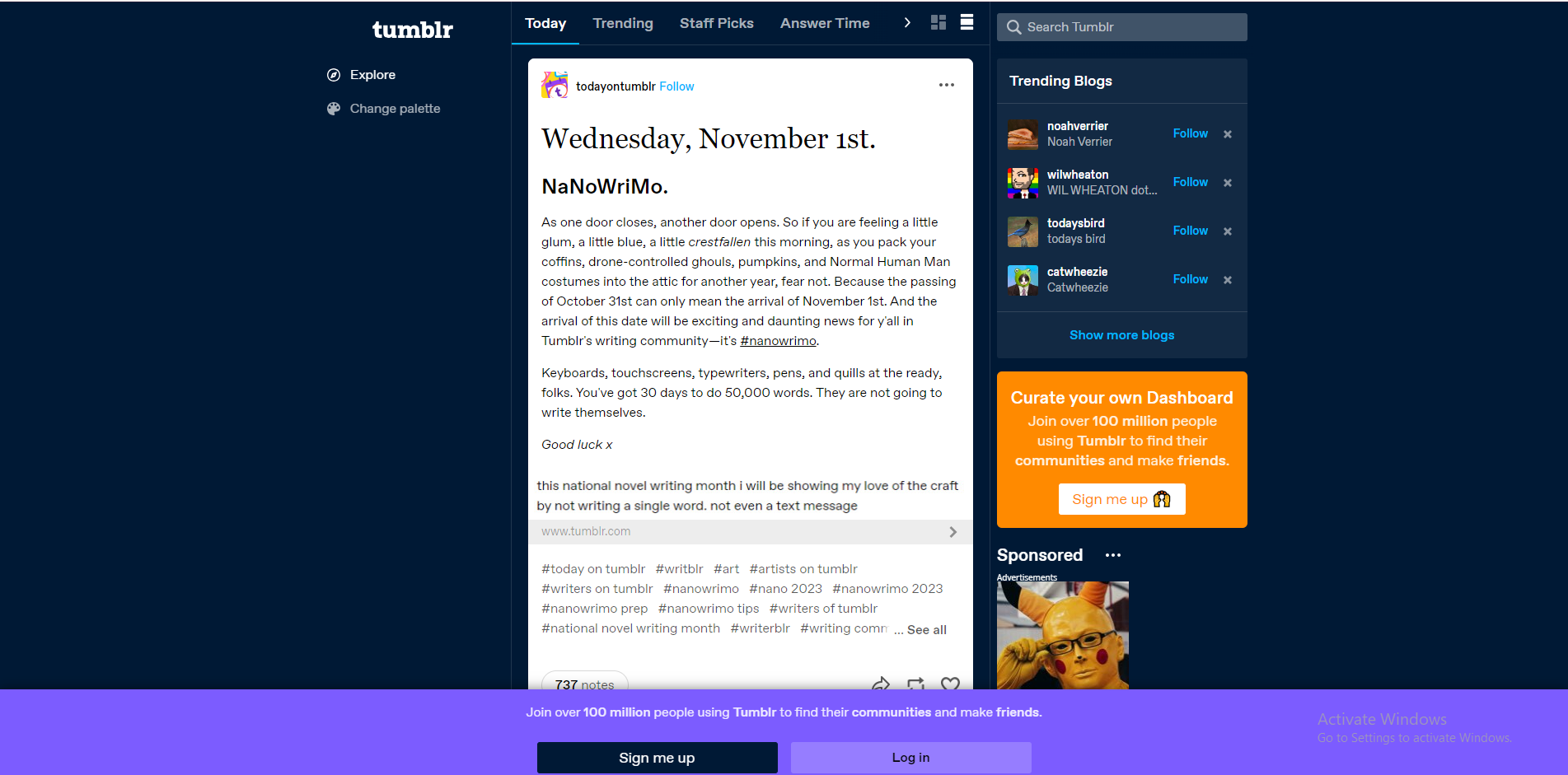
Tumblr is a microblogging and social networking platform supporting text, photos, quotes, links, audio, and video. Strong for creative niches and fandoms. Pricing: Free.
18. Zapnito
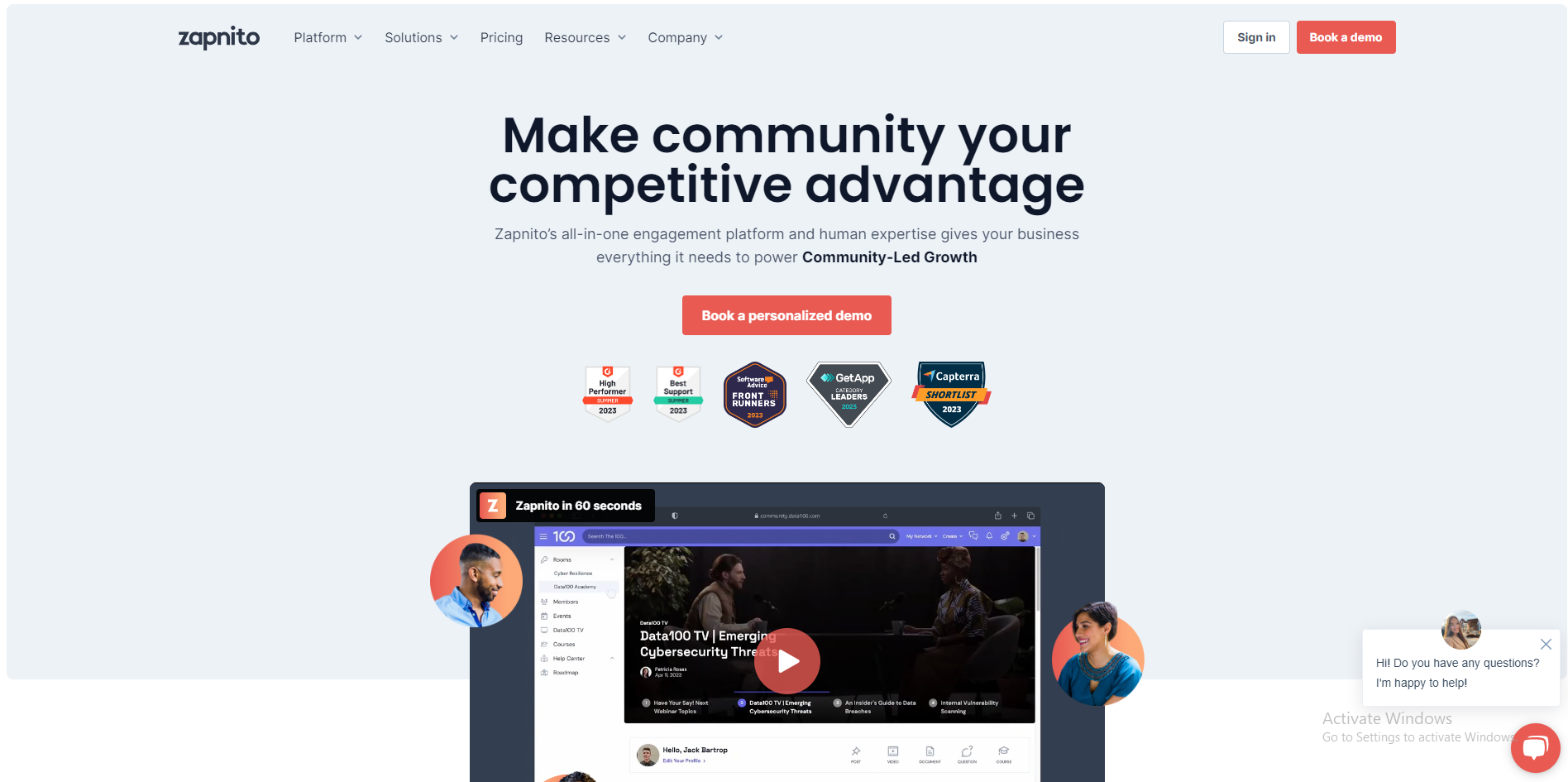
Zapnito connects brands with industry experts and customers for knowledge-sharing communities. Strong for enterprise expertise networks. Pricing: Custom.
19. Patreon
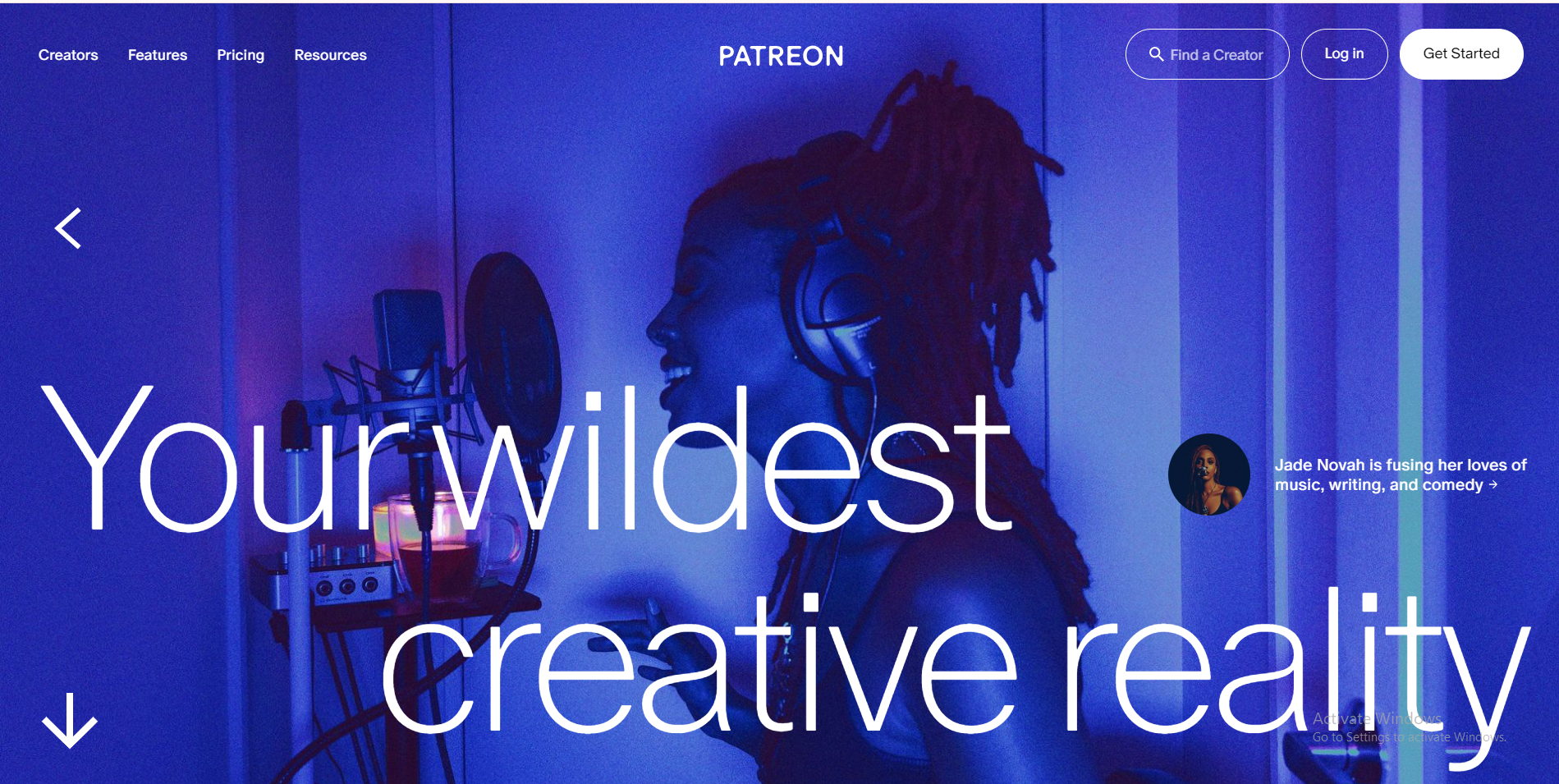
Patreon is membership-based creator support. Exclusive content, behind-the-scenes access, and tiered rewards for patrons. Pricing: Free to join; Patreon takes a platform fee.
20. Uscreen
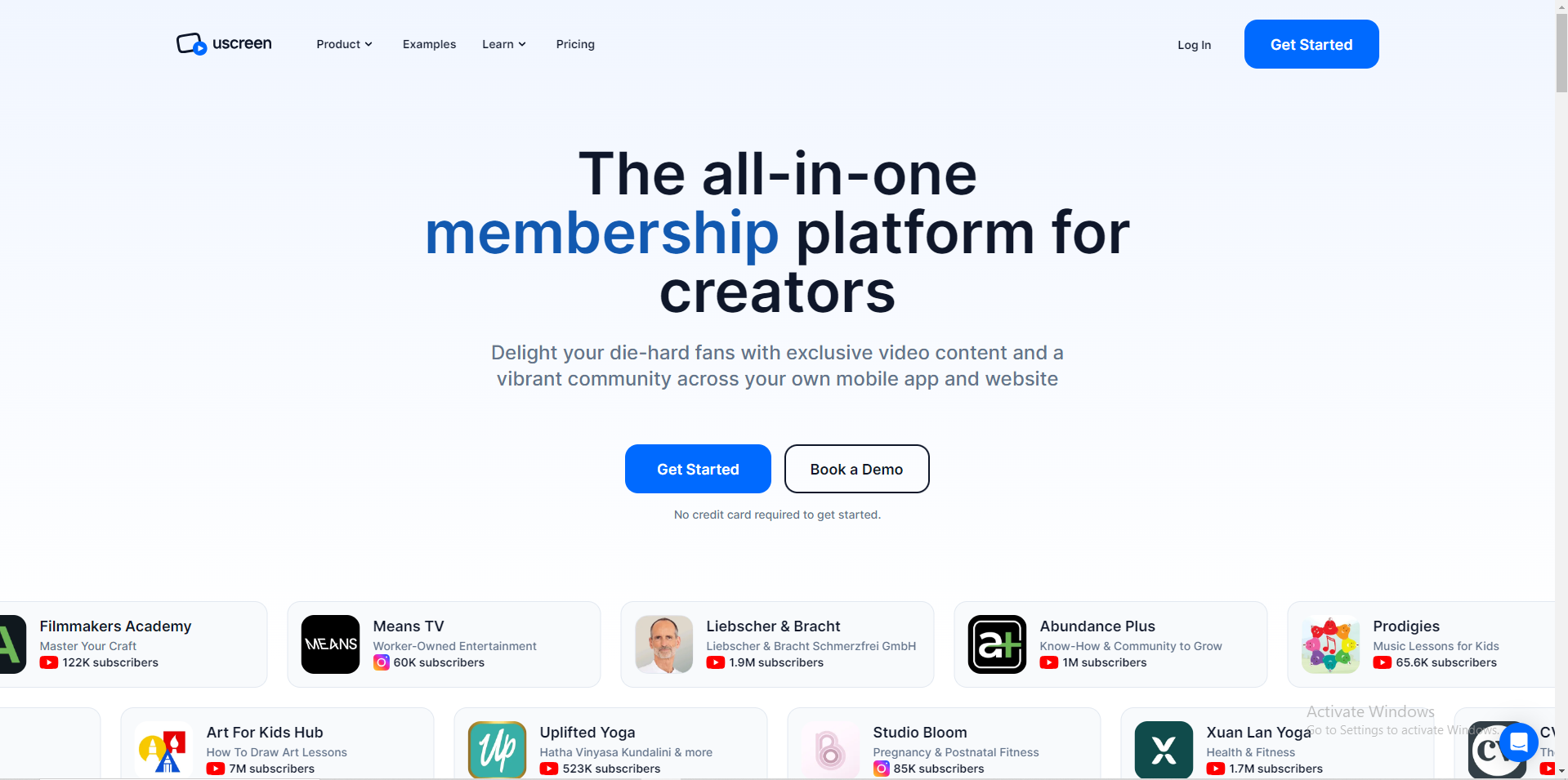
Uscreen is the strongest pick for video-first communities and creators monetizing through subscriptions, pay-per-view, rentals, or downloads. Includes hosting, live streaming, branded apps, and analytics. Pricing: from $99/mo.
The Engagement Stack: Add-ons to Pair With Any Platform
Picking the platform is only half the work. The communities that retain members in 2026 layer engagement and rewards on top. These three add-ons plug into BuddyX Pro and most BuddyPress-compatible builds:
- WB Gamification, points, badges, and leaderboards for member actions. The retention layer most communities skip until churn becomes the problem.
- Jetonomy, a token economy where members earn for participation and spend on perks, premium content, or upgrades.
- WordPress Polls, real-time polls in feeds, groups, or courses for member feedback and content ideas.
- WB Ad Manager, native ad management for communities monetizing through sponsorships or banner placements.
Choosing the Right Online Community Platform in 2026
- Want full ownership and the lowest long-term cost: BuddyX Pro on WordPress.
- Want a hosted SaaS with fast launch: Mighty Networks, Circle, or Bettermode.
- Want forum-first discussions: Discourse or Flarum.
- Want courses + community: Kajabi or BuddyX Pro + LearnDash.
- Want a free community: Discord, Facebook Groups, or Geneva.
- Want enterprise/association tools: Higher Logic Vanilla, Hivebrite, or Wild Apricot.
- Want creator monetization: Patreon or Uscreen.
How to Grow a Successful Online Community
- Drive active participation, start discussions, ask questions, model the behavior you want.
- Moderate clearly, publish guidelines and enforce them consistently.
- Recognize contributors, badges, points, and shout-outs for valuable participation.
- Run events, webinars, AMAs, live Q&As, virtual meetups.
- Promote collaboration, group projects and peer mentoring.
- Gather feedback, surveys, polls, and direct asks for member input.
- Promote diversity and inclusion, design the environment to welcome different backgrounds and perspectives.
The right platform plus the right engagement layer is what turns a list of usernames into a community people stick with. Pick the platform that fits your goals, then layer in gamification, tokens, and polls so members keep coming back.