

Virtual Reality (VR) and Augmented Reality (AR) are rapidly transforming the way we interact with digital content, bridging the gap between the real and virtual worlds. As VR and AR continue to evolve, numerous companies are leading the charge, creating innovative products and experiences that push the boundaries of what’s possible. In this blog, we will explore the top Virtual Reality companies and Augmented Reality developers that are making waves in the industry.

Quick Links
Revolutionizing the Future
Virtual reality (VR) and augmented reality (AR) have become the cornerstone of innovation in various industries, from gaming to healthcare, education, and beyond. VR training is revolutionizing professional development by providing immersive, hands-on learning experiences in a risk-free environment. As immersive technology continues to evolve, a select group of companies and developers are leading the charge in advancing the future of VR and AR. In this article, we will explore the top virtual reality companies and augmented reality developers shaping the future of these transformative technologies..
These industry leaders are not only pioneers in creating breathtaking virtual experiences but are also pushing the boundaries of how AR and VR technologies are applied in real-world scenarios. Let’s dive into the realm of these remarkable companies and discover what makes them stand out in the VR and AR landscape.
Best Virtual Reality Companies and Augmented Reality Developers
1. Oculus
Oculus, now part of Meta (formerly Facebook), specializes in creating immersive virtual reality hardware and software solutions. Oculus’s products, like the Oculus Rift and Oculus Quest, have set industry standards for VR technology, positioning them as one of the leading virtual reality companies globally. Content creators and VR enthusiasts often utilize platforms like DeoVR to access high-quality immersive video content that showcases the full potential of modern VR headsets.
Notable Projects:
- Oculus Rift
- Meta Horizon Worlds
Industry Expertise:
- Virtual reality hardware design
- Consumer VR gaming experiences
Key Tools Used:
- Oculus SDK
- Advanced VR hardware for a seamless experience
2. Magic Leap
Magic Leap is renowned for its innovative AR technology, particularly in the realm of spatial computing. By combining digital and physical environments, they are shaping the future of augmented reality in real-world applications.
Notable Projects:
- Magic Leap One
- Collaboration with NASA and medical institutions
Industry Expertise:
- AR hardware development
- Spatial computing solutions
Key Tools Used:
- Advanced optics and lightfield technology
- Spatial computing and 3D visualization tools
3. HTC Vive
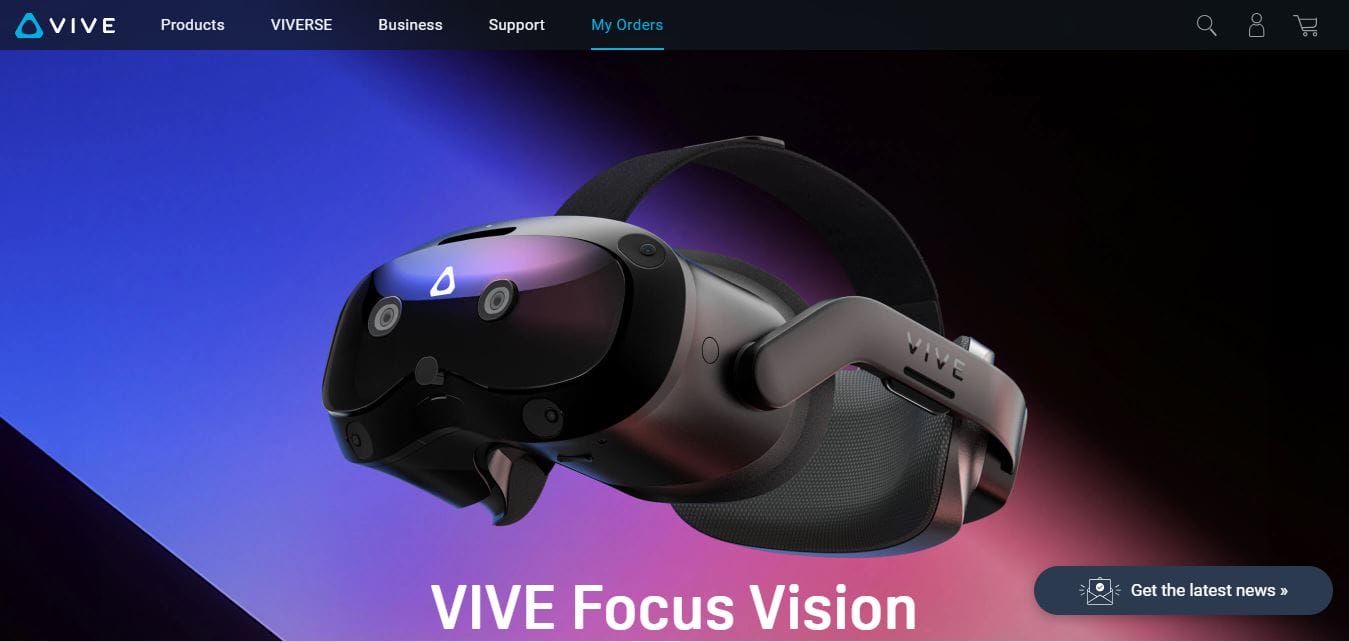
HTC Vive has long been a leading name among virtual reality companies Their products are known for providing highly immersive experiences with precise tracking and high-quality visuals.
Notable Projects:
- HTC Vive Pro Series
- Viveport (VR subscription service)
Industry Expertise:
- VR hardware and software
- High-performance VR for gaming and professional applications
Key Tools Used:
- Vive Tracker and Vive Input Systems
- 3D spatial audio technologies
4. Niantic
Niantic is renowned for its AR game development, with its flagship game Pokémon GO taking the world by storm. Niantic focuses on creating interactive, location-based AR experiences that engage users in outdoor environments.
Notable Projects:
- Pokémon GO
- Harry Potter: Wizards Unite
Industry Expertise:
- Location-based AR experiences
- Real-world data integration with AR
Key Tools Used:
- Niantic Real World Platform
- Advanced location-tracking algorithms
5. Vuzix

Vuzix specializes in the development of smart glasses and AR headsets that cater to enterprise applications. Their focus is on creating wearable AR solutions for industries such as logistics, healthcare, and manufacturing.
Notable Projects:
- Vuzix Blade AR glasses
- Vuzix M4000 smart glasses
Industry Expertise:
- AR hardware for enterprise
- AR systems for industrial applications
Key Tools Used:
- Vuzix Blade OS
- Integrated cameras and sensors for AR experiences
6. Pico Interactive
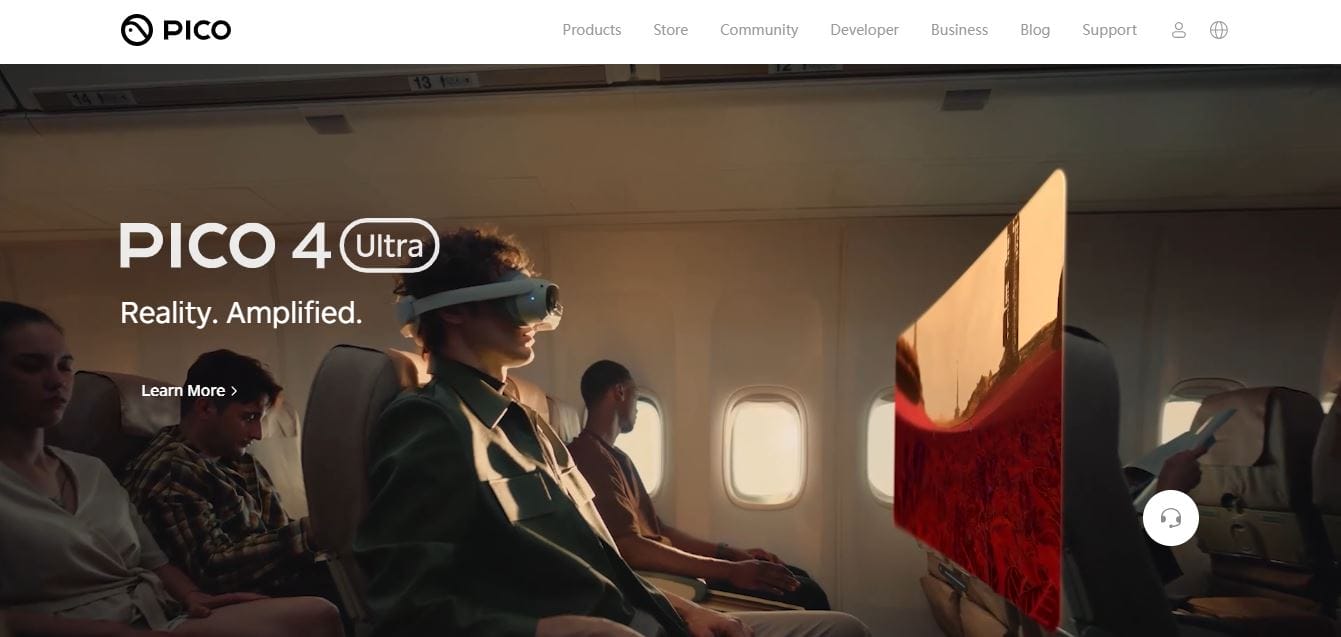
Pico Interactive develops VR hardware and software for both consumer and enterprise markets. With a focus on standalone VR headsets, Pico is known for delivering immersive and affordable VR experiences.
Notable Projects:
- Pico Neo 3
- Pico G2 4K
Industry Expertise:
- Standalone VR headsets
- VR for enterprise applications
Key Tools Used:
- Pico SDK
- Hand tracking and motion controllers
7. Unreal Engine

Unreal Engine by Epic Games provides powerful tools for both VR and AR development. The company is known for creating photorealistic environments and interactive experiences used in gaming, film, and enterprise applications.
Notable Projects:
- Fortnite
- Unreal Engine 5 (for VR and AR experiences)
Industry Expertise:
- Game engine development for VR and AR
- Photorealistic rendering for immersive environments
Key Tools Used:
- Unreal Engine 5
- Lumen and Nanite rendering technologies
8. Unity Technologies
Unity Technologies is a major player in both the VR and AR industries. It is best known for its game development engine, but its tools have extended well beyond gaming into simulations, architectural visualizations, and training.
Notable Projects:
- Unity engine used in numerous VR and AR games
- Collaboration with automotive and healthcare industries
Industry Expertise:
- Gaming and entertainment
- Architecture and training simulations
Key Tools Used:
- Unity engine
- AR Foundation for cross-platform AR development
9. Sony Interactive Entertainment
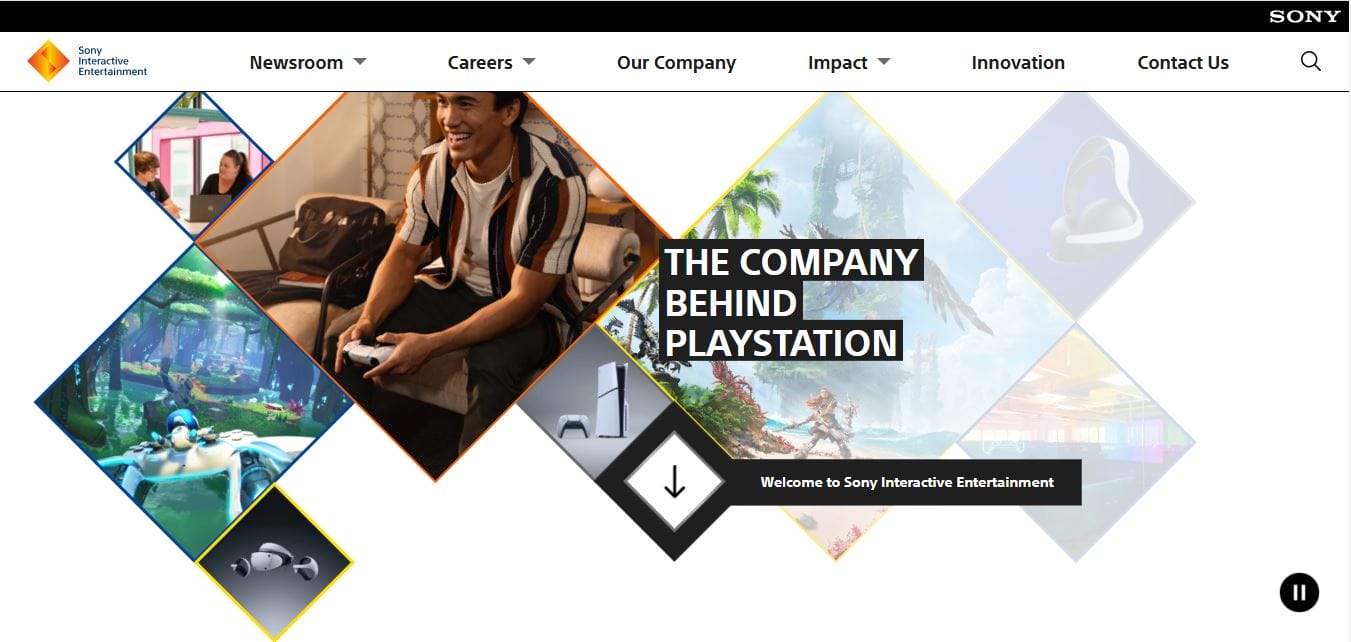
Sony is a prominent player in the virtual reality space with its PlayStation VR system, designed for the gaming market. Sony focuses on delivering immersive VR experiences for console gamers. As one of the top virtual reality companies, Sony has made VR gaming accessible to a broad audience.
Notable Projects:
- PlayStation VR (PS VR)
- PlayStation VR2
Industry Expertise:
- Gaming industry
- Interactive entertainment
Key Tools Used:
- PlayStation VR headset technology
- PlayStation Move controllers for motion tracking
10. Valve Corporation

Valve has earned its place as one of the leading virtual reality companies, with its Vive hardware partnerships and SteamVR platform. The company has integrated VR into the gaming ecosystem, offering both the hardware and software necessary for an immersive experience.
Notable Projects:
- Valve Index VR headset
- Collaboration with HTC on the Vive series
Industry Expertise:
- VR hardware design and manufacturing
- High-fidelity VR systems for immersive experiences
Key Tools Used:
- SteamVR and Steam Workshop
- Lighthouse tracking technology

The Future of Virtual and Augmented Reality
The companies and developers mentioned above are at the forefront of the VR and AR revolution, each contributing in unique and impactful ways. From gaming to enterprise solutions, their innovations continue to shape how we interact with the digital world. As these technologies evolve, we can expect even more groundbreaking advancements that will further transform industries, enhance user experiences, and make virtual and augmented realities an integral part of our daily lives.
As VR and AR continue to converge with other technologies, such as AI and IoT, the potential for future applications seems limitless. For those in search of the most innovative players in this space, these top virtual reality companies and augmented reality developers provide a glimpse into what’s next in the world.
Interesting Reads
Top 10 Artificial Intelligence Companies

