

Web design in 2025 is set to revolutionize the way we interact with digital platforms. As user expectations shift and technology advances, designers are embracing innovative techniques that combine aesthetics with functionality. The year ahead promises bold creativity, immersive experiences, and streamlined usability. Whether you’re a designer aiming to stay ahead or a business owner seeking inspiration for your next project, these design trends for web design will shape the digital world. Let’s explore the cutting-edge ideas that are defining this exciting era and how they can transform your online presence.

Quick Links
Why Keeping Up with Design Trends for Web Design Matters
Web design is more than aesthetics—it’s about creating seamless, impactful digital experiences. As user behaviors and technological capabilities evolve, outdated designs can leave websites feeling irrelevant or difficult to navigate. Staying informed about design trends for web design ensures your website aligns with current user expectations, remains visually appealing, and maintains functionality across devices.
Modern design trends can also enhance performance, improve accessibility, and elevate your brand identity. Whether you’re a designer, developer, or business owner, embracing new trends isn’t just a creative choice—it’s a strategic advantage in an increasingly competitive online space.
10 Most Impactful Design Trends for Web Design 2025
1. AI-Driven Personalization
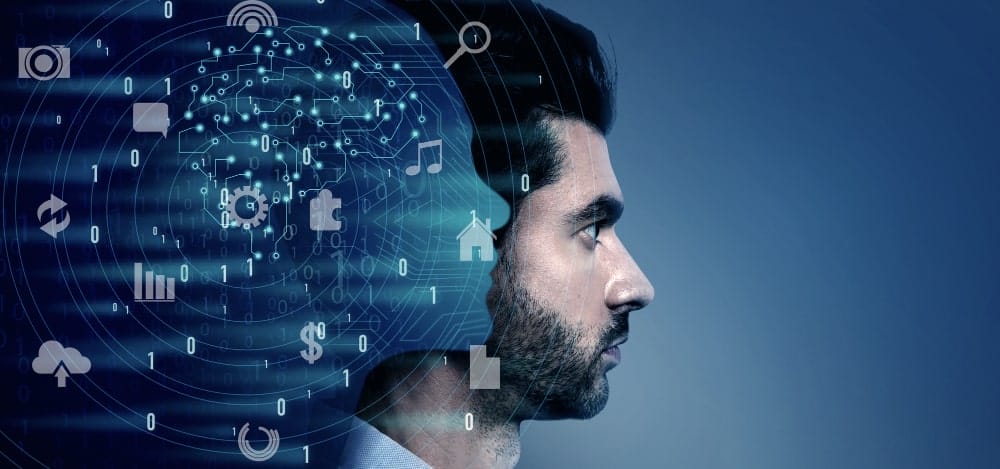
AI-driven personalization is transforming the way users experience websites by delivering content, layouts, and functionality tailored to their preferences and behavior. Instead of a one-size-fits-all approach, AI leverages data from user interactions, demographics, and browsing history to create highly customized experiences.
How AI-Driven Personalization Works
- Behavior Analysis: AI tracks how users navigate a website, including pages visited, time spent, and actions taken.
- Predictive Algorithms: By analyzing past behavior, AI predicts user needs and serves relevant content, such as product recommendations or personalized headlines.
- Real-Time Adaptation: AI can dynamically adjust a website’s content, color schemes, or features in real-time to align with user preferences.
Applications in Web Design
- E-commerce: Recommending products based on past purchases or browsing history.
- Content Platforms: Suggesting articles, videos, or playlists tailored to user interests.
- UI Customization: Allowing users to choose themes or layouts, with AI suggesting optimizations based on use patterns.
2. Dynamic 3D Elements
Dynamic 3D elements are revolutionizing how users interact with websites, offering immersive and visually striking experiences. In 2025, 3D design trends for web design are pushing boundaries with enhanced realism, interactivity, and accessibility.
Why 3D Elements Are Trending
The rise of WebGL, faster internet speeds, and improved rendering tools has made 3D elements more practical to implement. These designs grab attention, tell compelling stories, and showcase products in lifelike detail.
Applications of 3D in Web Design
- Product Showcases: E-commerce sites use 3D models to allow users to inspect items from every angle.
- Interactive Experiences: Websites incorporate 3D animations triggered by user actions like scrolling or hovering.
- Storytelling: Dynamic 3D visuals guide users through narratives, adding depth to brand storytelling.
- Gaming Aesthetics: Websites inspired by game environments blend entertainment with functionality.
3. Neumorphism 2.0
Neumorphism, a design trend that blends skeuomorphism with flat design, has evolved into Neumorphism 2.0. This updated version maintains the soft, minimalist aesthetic but emphasizes usability and accessibility. In 2025, Neumorphism 2.0 is becoming a popular choice for design trends for web design, offering a modern and elegant look while ensuring a user-friendly experience.
Why Neumorphism 2.0 Is Gaining Popularity
The soft, shadowed appearance of Neumorphism 2.0 creates a tactile, almost physical interaction, making elements appear as if they’re popping out of the background. With improved contrast and accessibility features, this updated style allows designers to craft visually appealing yet functional websites.
Applications of Neumorphism 2.0 in Web Design
- Buttons and Inputs: The trend is perfect for creating buttons, toggles, and input fields that have a soft, elevated feel without being overwhelming.
- Card-Based Layouts: Neumorphism’s subtle depth effects make it ideal for card designs that look interactive but remain sleek.
- Icons and Widgets: Icons can have a soft, 3D appearance, blending seamlessly with the background to create a modern interface.
- Interactive Elements: The trend works well with hover effects, making buttons and elements seem to “pop” when interacted with.
4. Voice-Activated Interfaces
Voice-activated interfaces are quickly becoming a prominent feature in web design as users increasingly prefer hands-free interactions. By 2025, design trends for web design are embracing voice technology to enhance usability, accessibility, and user experience.
Why Voice-Activated Interfaces Are Trending
With the widespread use of voice assistants like Alexa, Siri, and Google Assistant, voice search and navigation have become integral to daily life. Websites are now integrating voice commands to allow users to navigate, search, and interact with content more efficiently, offering a personalized and engaging browsing experience.
Applications of Voice-Activated Interfaces in Web Design
- Voice Search: Websites are incorporating voice search to allow users to find content hands-free, improving accessibility for all, especially those with disabilities.
- Navigation: Voice commands are replacing traditional clicks and scrolling, enabling users to quickly access different sections of a website.
- Voice Forms and Feedback: Users can fill out forms, submit requests, or provide feedback through simple voice prompts, streamlining the process.
- Personalized Interactions: Voice interfaces enable customized interactions by adapting content and responses based on spoken preferences.
5. Dark Mode Refinements
Dark mode is no longer a passing trend—it’s a staple in modern web design. In 2025, the refinement of dark mode offers more than just an aesthetic shift; it’s about improving usability, accessibility, and user comfort. Dark mode design trends for web design are evolving to provide better contrast, clarity, and overall user experience, while still maintaining a visually appealing interface.
Why Dark Mode Is Here to Stay
Dark mode reduces eye strain, especially in low-light environments, making it a favorite among users. It also saves battery life on OLED and AMOLED screens, making it an eco-friendly choice. As more users demand this option, web designers are fine-tuning dark mode to ensure it’s both functional and beautiful.
Key Refinements in Dark Mode for 2025
- Improved Contrast and Legibility: Designers are focusing on optimizing contrast ratios to ensure readability without harsh glaring elements.
- Better Color Schemes: Dark mode doesn’t mean just black backgrounds. Designers are experimenting with subtle dark hues and contrasting accents to create more balanced and pleasant visual experiences.
- Customizable Themes: Websites are giving users the power to switch between dark and light modes or personalize their experience to match their preferences.
- Enhanced Accessibility: Dark mode interfaces now cater to users with visual impairments, such as color blindness, with better-defined color palettes and improved text visibility.
Also Read: Top 10 Web Design Companies
6. Immersive Scrolling
Immersive scrolling is one of the most captivating design trends for web design in 2025. By transforming traditional scrolling into an interactive experience, this trend allows websites to tell stories, engage users, and create an emotional connection through smooth, visually dynamic transitions.
Why Immersive Scrolling Is Gaining Popularity
Users today expect more than just a static page; they want interactive and engaging digital experiences. Immersive scrolling meets these expectations by creating an experience that’s visually engaging and often educational or entertaining. With technologies like parallax scrolling and scroll-triggered animations, designers can create websites that evolve as users scroll down the page, making every moment feel like part of the story.
Applications of Immersive Scrolling
- Storytelling: Websites for brands, movies, or even non-profits use immersive scrolling to guide users through a narrative, with content unfolding seamlessly as they scroll.
- Interactive Animations: Scroll-triggered animations such as images, text, and backgrounds moving in sync with the user’s scroll create a more engaging experience.
- Product Demonstrations: Businesses in tech, fashion, or e-commerce use immersive scrolling to show off features or variations of a product as users scroll.
- Creative Portfolios: Designers and artists use immersive scrolling to display their work in an interactive and visually stunning way, adding layers of depth to their portfolios.
7. Minimalistic Maximalism
Minimalistic Maximalism is a fascinating design trend that’s redefining how we approach aesthetics in web design. By combining the simplicity of minimalist design with the boldness of maximalist elements, this trend creates a visually striking and engaging experience without feeling overwhelming. In 2025, design trends for web design are embracing this hybrid style to deliver a fresh, dynamic look that appeals to modern sensibilities.
Why Minimalistic Maximalism Is Gaining Popularity
This trend caters to the desire for simplicity in layout and functionality, while still allowing room for creativity and personality. The focus is on making a bold statement with a few carefully chosen elements, rather than cluttering the design with unnecessary details. It’s a reaction to the rigidity of traditional minimalism, giving room for more expression and individuality.
Applications of Minimalistic Maximalism in Web Design
- Bold Typography: Large, impactful fonts dominate the design, making a statement without overcrowding the page.
- Vibrant Color Schemes: Bright, contrasting colors are used sparingly to draw attention to key areas while maintaining a clean, open layout.
- Asymmetrical Layouts: Breaking free from rigid grid systems, designers use unbalanced layouts to add visual interest and flow.
- Unique Visual Elements: Instead of using stock photos, custom illustrations or dynamic graphics add personality and uniqueness to the site.
8. Micro-Interactions
Micro-interactions are the small, subtle animations that occur when a user interacts with a website. While they may seem simple, these elements play a crucial role in enhancing user experience by providing feedback, guiding behavior, and adding delight to everyday actions. As design trends for web design evolve in 2025, micro-interactions are becoming more intricate and integral to creating intuitive, engaging websites.
Why Micro-Interactions Matter
Micro-interactions make the digital experience feel more dynamic and interactive. They help communicate system status, confirm actions, and improve usability by providing clear visual cues. By adding these small, animated details, websites feel more responsive, and users stay engaged longer.
Applications of Micro-Interactions in Web Design
- Hover Effects: Buttons, links, and images respond with animations when the user hovers over them, indicating interactivity.
- Form Feedback: Visual cues such as color changes, error messages, or checkmarks confirm actions, making form filling easier and more intuitive.
- Loading Indicators: Progress bars, spinning icons, or subtle animations during loading times reduce frustration and improve user patience.
- Click Animations: When users click on buttons or other interactive elements, animations provide immediate feedback.
9. Asymmetrical Layouts
Asymmetrical layouts are an exciting design trend for web design in 2025, offering a bold break from the traditional grid system. These designs break away from perfectly balanced structures, creating visual intrigue and a sense of dynamism. By embracing asymmetry, designers are adding personality and fluidity to websites, making them feel more organic and less predictable.
Why Asymmetrical Layouts Are Trending
The move towards asymmetry reflects a desire for uniqueness in web design. It allows for creative freedom and gives websites an artistic, unexpected appeal. Instead of relying on uniform spacing and grid-like structures, asymmetrical designs provide a modern, edgy aesthetic that captures attention and stands out from the conventional.
Applications of Asymmetrical Layouts in Web Design
- Hero Sections: Large, impactful images or videos placed off-center, drawing attention immediately.
- Creative Grids: Mixing various element sizes and positions to create an unstructured, yet harmonious flow.
- Navigation: Placing navigation menus or call-to-action buttons in unconventional locations for a fresh user experience.
- Content Display: Unevenly distributing content to emphasize certain elements, like a product or headline, while keeping the layout visually balanced.
10. Augmented Reality Integration
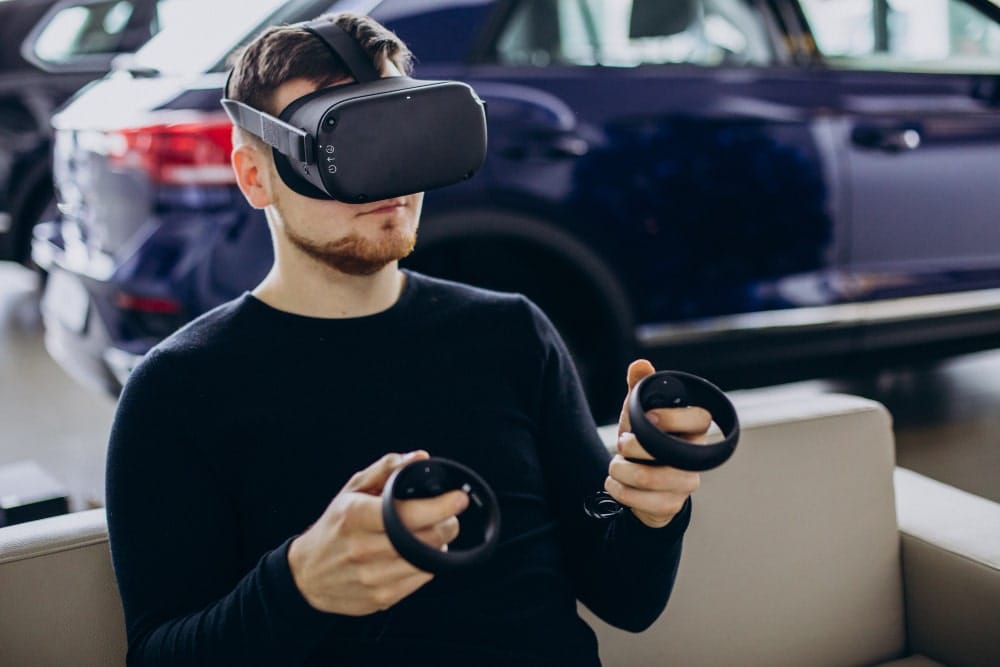
Augmented Reality (AR) is no longer just a feature of gaming apps; it has become a powerful tool in web design trends for 2025. AR integration is transforming how users interact with websites, offering immersive, interactive experiences that blend the physical and digital worlds.
Why AR is Gaining Popularity in Web Design
The advancement of mobile devices, high-speed internet, and browser-based AR technologies like WebXR are enabling designers to incorporate AR features directly into websites. AR provides a tangible, engaging experience, allowing users to visualize products in real-world contexts, navigate spaces, and interact with digital elements in a way that feels natural.
Applications of AR in Web Design
- Virtual Try-Ons: E-commerce websites, particularly in fashion and beauty, allow users to see how products will look on them before purchasing, using their camera.
- Interactive Product Demos: AR enables users to visualize products in 3D, offering them an opportunity to interact with items like furniture, gadgets, or home decor in their space.
- Location-Based AR: Restaurants, real estate companies, and travel businesses use AR to display additional information about their locations, like nearby attractions or virtual tours.
- Enhanced Navigation: AR can guide users through complex sites or apps with on-screen arrows and directions, providing a more intuitive browsing experience.

Final Thought on Design Trends for Web Design
The design trends for web design in 2025 are all about enhancing user experience through innovation, interactivity, and personalization. From dynamic 3D elements to immersive AR features, these trends are pushing the boundaries of what’s possible online, creating websites that are not only visually stunning but also functional and engaging. By staying ahead of these trends, businesses can ensure their websites remain relevant, accessible, and optimized for the future, offering users a seamless, modern experience that keeps them coming back. Embracing these trends will be key to thriving in the ever-evolving digital landscape.
Interesting Reads

