

Warehouse Management Software (WMS) has become a cornerstone for businesses aiming to streamline inventory, boost operational efficiency, and ensure seamless supply chain management in 2025. Whether you operate an eCommerce warehouse, manage a distribution center, or run a retail supply chain, effective WMS software can significantly reduce errors, improve order fulfillment, and provide real-time visibility into stock levels.
Modern warehouse operations are increasingly complex, with multiple sales channels, third-party logistics partners, and customer demands for faster delivery. Relying on manual processes or outdated spreadsheets is no longer viable. This is where warehouse management software comes in — it automates critical processes like inventory tracking, order picking, shipping, and reporting. The best WMS software can integrate with ERP systems, eCommerce platforms, and logistics tools, creating a connected ecosystem that supports smarter decisions and more agile operations.

Quick Links
What is Warehouse Management Software?
Warehouse Management Software, or WMS, is a digital solution designed to manage and optimize warehouse operations from end to end. At its core, WMS software helps businesses track inventory, manage orders, and streamline daily processes such as receiving, picking, packing, and shipping.
Modern WMS solutions include key features like:
- Inventory tracking: Know exactly what stock you have, where it’s stored, and when it needs replenishment.
- Order fulfillment: Automate picking, packing, and shipping for faster and more accurate deliveries.
- Barcode scanning and RFID support: Improve accuracy in inventory tracking and reduce human errors.
- Reporting and analytics: Gain insights into warehouse performance, labor productivity, and inventory trends.
- Integration capabilities: Connect with ERP systems, eCommerce platforms, and logistics management tools for seamless operations.
Real-world use cases demonstrate how WMS software transforms warehouse operations. eCommerce businesses can process multiple orders simultaneously across different sales channels. Distribution centers benefit from optimized workflows and reduced order cycle times. Retail supply chains maintain accurate stock levels, preventing overstocking or stockouts. Third-party logistics (3PL) providers can manage multiple clients, track shipments, and automate billing efficiently.
15 Best Warehouse Management Software
1. NetSuite WMS (Oracle)
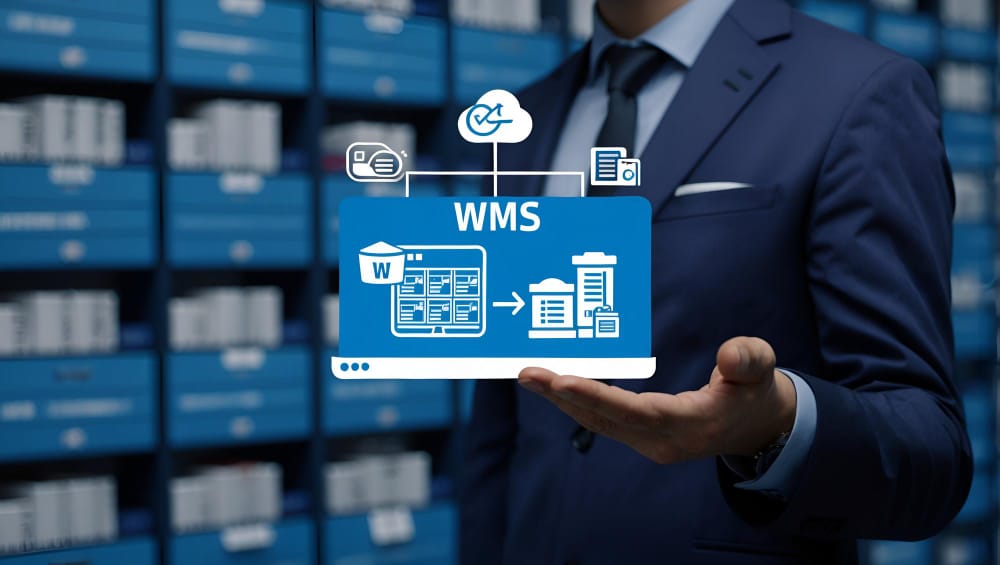
NetSuite WMS, developed by Oracle, is a cloud-based warehouse management software designed for businesses of all sizes, from SMBs to enterprises. Oracle, a global leader in enterprise software since 1977, offers NetSuite as part of its integrated suite of business solutions, including ERP, CRM, and eCommerce.
NetSuite WMS streamlines warehouse operations, providing end-to-end visibility of inventory, orders, and fulfillment processes. Its cloud-based architecture ensures real-time data updates, enabling managers to make informed decisions quickly. The software is ideal for eCommerce, manufacturing, and retail businesses looking to optimize logistics.
Features:
-
- Real-time inventory tracking and reporting
- Automated order fulfillment and shipping workflows
- Barcode scanning and mobile device support
- Integration with ERP, CRM, and eCommerce platforms
Pricing:
- Subscription-based; pricing starts around $999/month with additional costs for implementation and customization.
Pros:
-
- Cloud-based with real-time visibility
- Scalable for businesses of all sizes
- Strong integration with Oracle ecosystem
Cons:
-
- Higher cost for small businesses
- Requires training to utilize full functionality
Also Read: How to Show Price History for WooCommerce to Boost Sales
2. SAP Extended Warehouse Management
SAP EWM is a robust warehouse management software from SAP, a global enterprise software company founded in 1972. SAP EWM supports complex warehouse operations and supply chain management, offering advanced automation and analytics tools.
SAP EWM enables businesses to handle high-volume warehouse operations, optimize storage, and integrate seamlessly with other SAP modules like SAP S/4HANA. It is particularly suited for large enterprises with multi-site warehouses or global supply chains.
Features:
-
- Real-time inventory visibility and stock tracking
- Automated picking, packing, and shipping processes
- Labor management and resource optimization
- Integration with ERP and supply chain software
Pricing:
- Custom pricing; generally enterprise-level subscription or licensing fees apply.
Pros:
-
- Enterprise-grade solution with advanced capabilities
- Highly customizable workflows
- Strong reporting and analytics
Cons:
-
- Complex implementation and long onboarding
- Expensive for smaller operations
3. Fishbowl Inventory
Fishbowl Inventory, founded in 2001, is a leading inventory management software with robust warehouse management features. It caters to small and medium-sized businesses seeking a cost-effective WMS integrated with QuickBooks and other accounting systems.
Fishbowl Inventory offers tools to manage inventory, orders, and warehouse workflows efficiently. Its user-friendly interface and QuickBooks integration make it ideal for SMBs transitioning from manual inventory tracking.
Features:
-
- Real-time inventory and order tracking
- Barcode scanning and automated order processing
- Multi-warehouse management
- Integration with QuickBooks and eCommerce platforms
Pricing:
- Starts at $4,395 for perpetual licenses; annual support and subscription options are available.
Pros:
-
- Affordable for SMBs
- Easy QuickBooks integration
- Simple implementation and training
Cons:
-
- Limited advanced automation features
- On-premise version requires IT support
4. Zoho Inventory
Zoho Inventory is a cloud-based warehouse management software developed by Zoho Corporation, founded in 1996. It offers an affordable solution for small to medium-sized businesses needing inventory, order, and warehouse management in one platform.
Zoho Inventory automates inventory control, order fulfillment, and shipping, integrating seamlessly with eCommerce platforms like Shopify, Amazon, and eBay.
Features:
-
- Multi-channel inventory management
- Automated order processing and shipping
- Barcode scanning and stock alerts
- Integration with Zoho apps and third-party eCommerce platforms
Pricing:
- Free plan for up to 50 orders/month; paid plans start at $79/month.
Pros:
-
- Affordable cloud-based solution
- Easy integration with Zoho ecosystem
- Beginner-friendly interface
Cons:
-
- Limited enterprise-level features
- Smaller reporting capabilities compared to larger WMS
5. Manhattan Active Warehouse Management
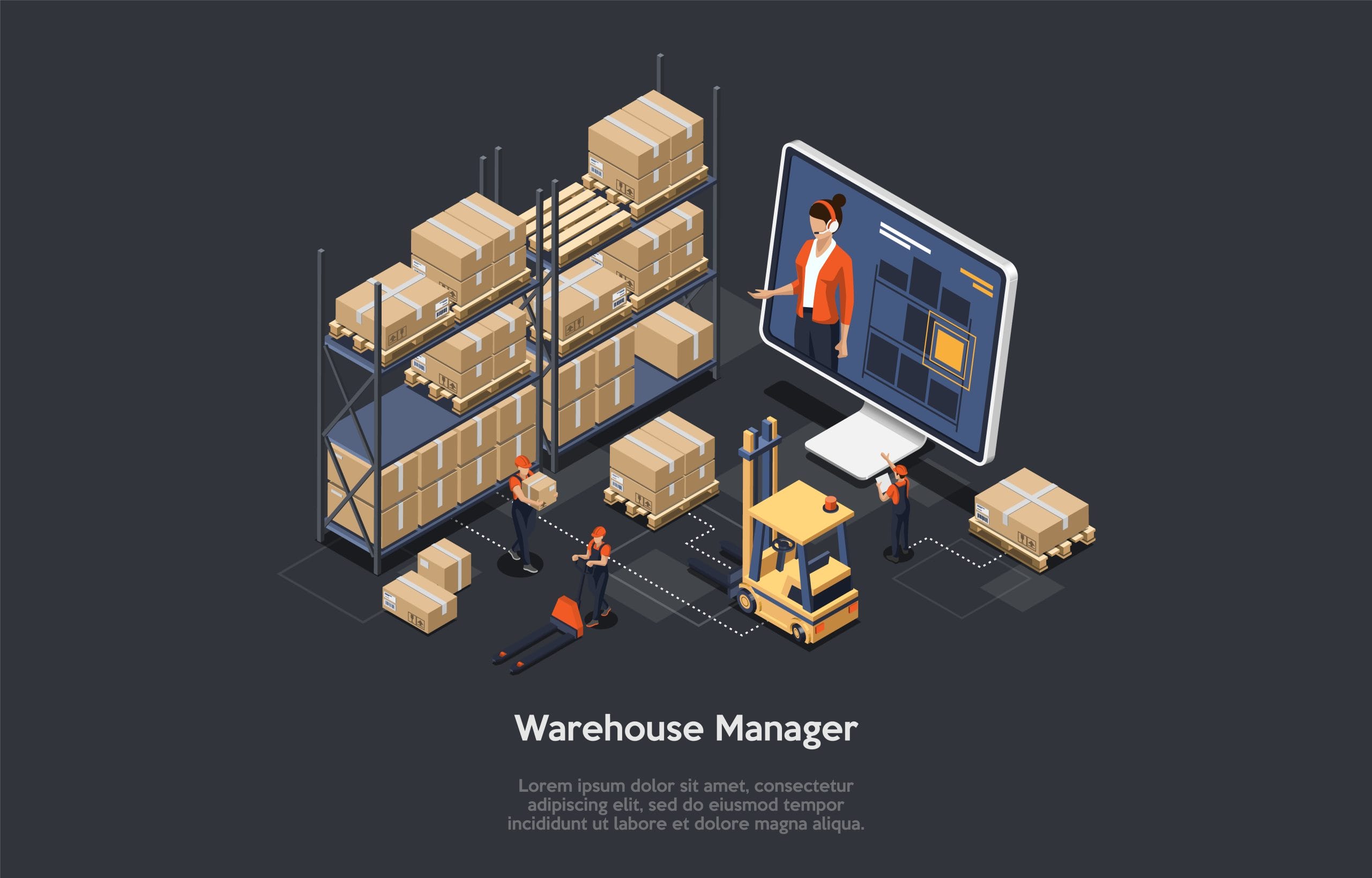
Manhattan Active WMS, developed by Manhattan Associates since 1990, is a comprehensive enterprise-grade warehouse management software. It is designed for complex supply chain operations, offering advanced warehouse automation and analytics tools.
Manhattan Active WMS enables real-time inventory tracking, automated picking, and intelligent warehouse workflows. It supports multi-site warehouses and integrates with ERP and logistics management software.
Features:
-
- Real-time inventory visibility
- Automation for picking, packing, and shipping
- Labor management and productivity tracking
- Integration with ERP and supply chain software
Pricing:
- Custom enterprise pricing based on deployment and modules.
Pros:
-
- Enterprise-grade automation and analytics
- Multi-site warehouse support
- Highly scalable and customizable
Cons:
-
- Higher cost and implementation complexity
- Requires training for optimal use
6. HighJump (Korber)
HighJump WMS, now part of Korber Supply Chain, is a flexible warehouse management software that helps businesses streamline inventory, fulfillment, and supply chain operations. Founded in 1983, HighJump has a strong reputation for scalable solutions tailored to distribution centers, manufacturing facilities, and third-party logistics providers.
HighJump offers a modular approach, allowing companies to customize workflows based on warehouse complexity. It integrates seamlessly with ERP and transportation management systems to provide end-to-end visibility and automation.
Features:
-
- Real-time inventory and order tracking
- Automated picking, packing, and shipping
- Mobile and barcode scanning support
- Integration with ERP and supply chain software
Pricing:
- Custom enterprise pricing based on modules and implementation; demo available upon request.
Pros:
-
- Highly customizable for different warehouse types
- Strong integration with supply chain systems
- Scalable for growth
Cons:
-
- Implementation can be complex
- Higher cost for smaller warehouses
Also Read: Best Business Process Management Software
7. Infor CloudSuite WMS
Infor CloudSuite WMS is a cloud-based warehouse management software from Infor, a global enterprise software provider founded in 2002. Designed for multi-site warehouses, Infor CloudSuite streamlines inventory management, distribution, and fulfillment operations.
This WMS offers advanced analytics, mobile capabilities, and warehouse automation, helping businesses reduce errors, improve inventory accuracy, and scale efficiently.
Features:
-
- Real-time inventory tracking and updates
- Automated order fulfillment
- Barcode and RFID scanning
- Integration with ERP, supply chain, and logistics software
Pricing:
- Custom subscription pricing; typically based on number of users and modules deployed.
Pros:
-
- Cloud-based with multi-site support
- Advanced analytics for decision-making
- Scalable for large enterprises
Cons:
-
- Customization may require professional services
- Enterprise pricing can be expensive for SMBs
8. Oracle Warehouse Management Cloud
Oracle Warehouse Management Cloud (WMS Cloud) is a modern, cloud-based warehouse solution from Oracle, designed to enhance operational efficiency and optimize inventory management for businesses of all sizes.
Oracle WMS Cloud provides real-time insights, mobile access, and automation features, making it ideal for enterprises with complex logistics and multi-channel sales.
Features:
-
- Cloud-based inventory tracking and management
- Automated order fulfillment and shipping workflows
- Barcode scanning and mobile device support
- Integration with Oracle ERP and supply chain systems
Pricing:
- Subscription-based; custom pricing depending on deployment scale and modules.
Pros:
-
- Cloud solution with real-time visibility
- Scalable for enterprise operations
- Integration with Oracle ecosystem
Cons:
-
- Higher costs for smaller businesses
- Implementation requires expertise
9. 3PL Warehouse Manager
3PL Warehouse Manager, developed by 3PL Central, is a cloud-based warehouse management software tailored for third-party logistics (3PL) providers. Founded in 2004, 3PL Central offers solutions for inventory, order, and billing management for 3PL warehouses.
This WMS is designed for multi-client warehouses, helping providers manage inventory, orders, and shipping efficiently while offering customer portals for transparency.
Features:
-
- Multi-client inventory tracking
- Automated order processing and fulfillment
- Barcode scanning and mobile support
- Integration with eCommerce, ERP, and shipping platforms
- Reporting and analytics dashboards
Pricing:
- Starts at $499/month for smaller warehouses; enterprise-level pricing available.
Pros:
-
- Designed specifically for 3PL operations
- Cloud-based with multi-client support
- Easy integration with eCommerce platforms
Cons:
-
- Less suitable for single-owner warehouses
- Limited advanced automation compared to enterprise WMS
10. Odoo WMS
Odoo WMS is part of the Odoo suite, a modular business software platform founded in 2005. Odoo’s warehouse management module offers inventory and logistics optimization for SMBs and growing enterprises.
Odoo WMS integrates seamlessly with Odoo ERP, eCommerce, and manufacturing modules, providing a flexible, cost-effective solution for warehouse automation.
Features:
-
- Real-time inventory tracking and management
- Automated order fulfillment
- Barcode scanning and mobile support
- Integration with Odoo ERP, sales, and manufacturing modules
Pricing:
- Starts at $20/user/month for cloud deployment; free trial available.
Pros:
-
- Affordable and modular
- Easy integration with other Odoo apps
- Beginner-friendly interface
Cons:
-
- Limited advanced features for large warehouses
- Customization may require technical expertise
11. Tecsys WMS
Tecsys WMS, developed by Tecsys Inc., a Canadian supply chain software company founded in 1983, is an enterprise-grade warehouse management solution designed for complex logistics operations.
Tecsys WMS provides advanced warehouse automation, real-time inventory tracking, and comprehensive analytics to optimize order fulfillment and reduce operational costs. It is ideal for industries such as healthcare, retail, and third-party logistics.
Features:
-
- Real-time inventory and order visibility
- Automated picking, packing, and shipping
- Barcode and RFID support
- Integration with ERP and supply chain software
Pricing:
- Custom enterprise pricing based on modules and deployment requirements.
Pros:
-
- Scalable for large and complex warehouses
- Strong analytics and reporting
- Robust automation and integration capabilities
Cons:
-
- Higher implementation costs
- Learning curve for new users
Also Read: Google Nano Banana Launch: Everything You Need to Know
12. Softeon WMS
Softeon WMS is a comprehensive warehouse management software by Softeon, founded in 1994, known for delivering scalable solutions for distribution centers, eCommerce, and 3PL warehouses.
Softeon WMS offers cloud and on-premise deployment options, advanced automation, and mobile capabilities, helping companies optimize inventory and order fulfillment.
Features:
-
- Real-time inventory tracking
- Automated order processing and warehouse workflows
- Barcode scanning and mobile device support
- Integration with ERP, supply chain, and logistics platforms
- Reporting and analytics dashboards
- Labor and productivity management
Pricing:
- Custom pricing depending on deployment, warehouse size, and modules.
Pros:
-
- Flexible deployment options
- Advanced automation and analytics
- Suitable for multi-site operations
Cons:
-
- Enterprise pricing may be high for SMBs
- Implementation requires professional services
13. Blue Yonder WMS
Blue Yonder WMS, formerly JDA Software, is a leading cloud-based warehouse management software company founded in 1985. It specializes in supply chain and logistics optimization for large enterprises.
Blue Yonder WMS provides AI-driven warehouse automation, real-time inventory visibility, and predictive analytics to optimize operations and reduce operational costs.
Features:
-
- AI-powered inventory management
- Automated picking, packing, and shipping
- Mobile and barcode scanning support
- Integration with ERP and supply chain software
Pricing:
- Custom enterprise pricing based on deployment and modules.
Pros:
-
- AI-driven optimization and forecasting
- Scalable for large enterprises
- Strong analytics and integration
Cons:
-
- Expensive for smaller businesses
- Complex implementation
14. Easy WMS (by Mecalux)
Easy WMS, developed by Mecalux, a global provider of warehouse automation solutions since 1965, is designed to optimize warehouse processes, improve stock control, and enhance operational efficiency.
Easy WMS provides tools for inventory management, order fulfillment, and integration with logistics and supply chain systems, suitable for retail, eCommerce, and industrial warehouses.
Features:
-
- Real-time inventory and stock management
- Automated picking, packing, and shipping
- Barcode and RFID scanning support
- Integration with ERP and logistics software
Pricing:
- Custom pricing based on deployment and warehouse size.
Pros:
-
- Strong warehouse automation capabilities
- Scalable for multi-site operations
- Excellent integration with supply chain systems
Cons:
-
- Higher costs for small businesses
- Requires technical expertise for implementation
15. Logiwa WMS
Logiwa WMS is a cloud-based warehouse management software founded in 2012, designed specifically for eCommerce, B2C, and 3PL operations. It provides real-time inventory visibility and automation to streamline warehouse and fulfillment processes.
Logiwa WMS integrates with eCommerce platforms, marketplaces, and shipping carriers, offering automated workflows to improve efficiency and reduce errors.
Features:
-
- Real-time inventory tracking and stock alerts
- Automated order processing and shipping
- Barcode scanning and mobile device support
- Integration with ERP, eCommerce, and shipping platforms
Pricing:
- Starts at $500/month for small warehouses; enterprise-level pricing available.
Pros:
-
- Affordable for SMBs and eCommerce businesses
- Cloud-based with easy deployment
- Multi-channel integration
Cons:
-
- Limited advanced analytics compared to enterprise WMS
- Smaller customization options for large warehouses
Also Read: How to Build a Dropshipping Store with WooCommerce
How to Choose the Right Warehouse Management Software
Choosing the right warehouse management software (WMS) is critical for optimizing your supply chain, reducing errors, and boosting operational efficiency. With so many options available in 2025, businesses must evaluate their needs carefully to ensure the chosen solution aligns with warehouse size, complexity, and long-term growth goals.
One of the first considerations is pricing. While enterprise-grade WMS solutions like SAP EWM or Blue Yonder WMS offer advanced features, they come with higher implementation and subscription costs. Small to medium businesses may benefit from more affordable cloud-based solutions like Odoo WMS or Logiwa WMS, which provide essential warehouse automation and inventory management without breaking the budget.

Final Thoughts on Warehouse Management Software
Warehouse management software is no longer a luxury; it’s a necessity for businesses seeking to stay competitive in the modern supply chain landscape. From small warehouses to multi-site distribution centers, WMS software provides real-time inventory tracking, automated workflows, and enhanced operational visibility.
The future of warehouse management is increasingly driven by AI-powered automation, IoT-enabled tracking, and robotics integration. These technologies enable predictive inventory management, faster order fulfillment, and reduced human errors, giving businesses a competitive edge. Cloud-based WMS platforms, like Infor CloudSuite and Oracle WMS Cloud, also offer remote accessibility, real-time analytics, and cost-effective scalability.
Interesting Read:
Best Cloud Managed Data Center Services

