10 Best Engineering Analytics Systems

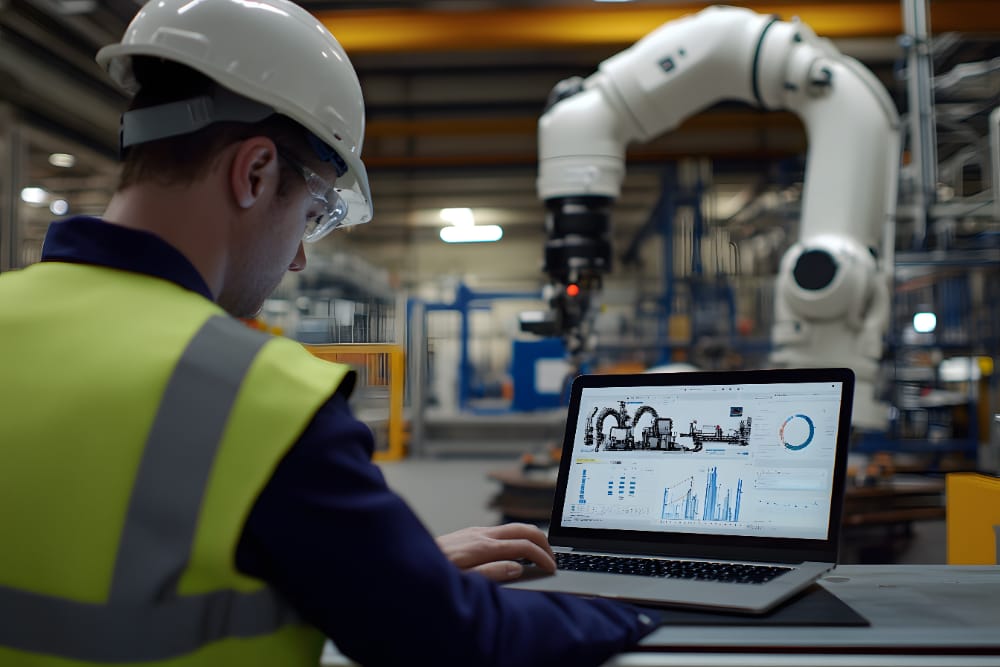
Engineering is no longer just about blueprints, physical testing, and trial-and-error methods. The digital age has revolutionized how engineers analyze, predict, and optimize their designs and processes. With the rise of engineering analytics systems, professionals can now leverage big data, machine learning, and predictive modeling to make smarter, data-driven decisions.
From monitoring industrial operations to optimizing product design and streamlining project management, engineering analytics software is at the core of modern engineering. In this blog, we will explore the 10 best engineering analytics systems that are transforming industries.
What Are Engineering Analytics Systems?
Engineering analytics systems are specialized software platforms designed to analyze vast amounts of engineering data. These systems help engineers identify patterns, optimize performance, and predict future trends, making them essential for industries such as manufacturing, construction, automotive, and aerospace.
By integrating AI, IoT, and big data analytics, these systems allow engineers to simulate real-world conditions, test hypotheses, and refine designs without expensive physical trials. This not only reduces costs but also enhances efficiency and innovation.
Why Do Engineers Need Analytics Systems?
Engineering has always been about precision, but the sheer complexity of modern systems demands advanced tools. Traditional methods often rely on guesswork or limited testing, whereas analytics systems offer real-time data insights, reducing errors and improving decision-making.
Moreover, in industries like aerospace or automotive, a minor miscalculation can result in catastrophic failures. Engineering analytics systems mitigate these risks by providing accurate, data-driven predictions, ensuring safety and efficiency.
Also Read: Best Discord Chat Software Alternatives
How Do Engineering Analytics Systems Work?
These systems collect and process data from various sources, including sensors, simulations, and historical datasets. Using advanced algorithms, they analyze this data to uncover hidden trends and anomalies.
For instance, a system monitoring an aircraft engine can predict potential failures before they occur by analyzing vibration patterns. Similarly, in construction, analytics software can assess structural integrity, helping engineers make informed design choices.
1. Ansys Engineering Simulation

Ansys is one of the most trusted names in engineering analytics. It provides simulation software for industries like aerospace, automotive, and healthcare. Engineers use Ansys for computational fluid dynamics (CFD), structural analysis, and electromagnetic simulation.
What makes Ansys stand out is its ability to integrate with AI-driven optimization tools. Engineers can test multiple design variations and analyze how different conditions affect their projects, reducing the time and cost of physical prototyping.
2. MATLAB for Engineering Data Analytics
MATLAB is a powerful tool used across various engineering disciplines. It allows engineers to analyze data, develop algorithms, and create models. With built-in machine learning and deep learning capabilities, MATLAB helps engineers make data-driven decisions quickly.
Its interactive environment supports everything from control system design to image processing and signal analysis. Engineers love MATLAB for its flexibility, allowing seamless integration with hardware and other analytics platforms.
3. IBM Engineering Lifecycle Optimization
IBM’s engineering analytics system is a game-changer for project management and system optimization. It offers real-time insights into engineering workflows, helping teams collaborate efficiently and meet deadlines.
IBM’s platform uses AI-driven analytics to predict project risks, optimize resource allocation, and ensure compliance with industry standards. It is particularly useful in large-scale engineering projects where coordination across multiple teams is crucial.
4. PTC ThingWorx for IoT-Driven Engineering
PTC ThingWorx is an industrial IoT (IIoT) platform that helps engineers connect and analyze data from smart devices and sensors. This system is widely used in manufacturing, allowing businesses to optimize their production processes and predict equipment failures before they happen.
With real-time monitoring and predictive maintenance capabilities, ThingWorx enables engineers to create digital twins, allowing them to simulate and analyze operations without physical testing.
Also Read: Best Hour Tracking Software
5. Autodesk CFD for Fluid Dynamics
Autodesk CFD (Computational Fluid Dynamics) is a must-have for engineers working on aerodynamics, HVAC systems, and fluid mechanics. This tool allows users to simulate fluid flow and heat transfer in complex environments.
Engineers can use Autodesk CFD to refine product designs, improve energy efficiency, and reduce operational costs. Its cloud-based processing ensures that large simulations can run without consuming excessive local resources.
6. SimScale for Cloud-Based Engineering Analytics
SimScale is revolutionizing engineering analytics by providing cloud-based simulation capabilities. Engineers no longer need high-performance local workstations to run complex simulations; instead, they can perform high-fidelity analyses directly from a web browser.
SimScale supports structural, thermal, and fluid dynamics simulations, making it a versatile tool for product development. Its easy-to-use interface and collaborative features make it a favorite among engineering teams worldwide.
7. Siemens Simcenter for Multi-Physics Simulation
Siemens Simcenter integrates physics-based simulations with AI-driven analytics. It offers capabilities in acoustics, durability analysis, and fluid dynamics, making it a preferred choice for industries like automotive and aerospace.
What sets Simcenter apart is its ability to handle multi-physics simulations, allowing engineers to study how different physical forces interact within a system. This leads to more accurate and efficient product designs.
8. Altair HyperWorks for Structural and Computational Analytics
Altair HyperWorks is an advanced finite element analysis (FEA) tool used for structural analysis and optimization. It enables engineers to simulate how materials and components will behave under different loads and conditions.
By using AI-powered optimization algorithms, HyperWorks helps engineers reduce material costs while maintaining structural integrity. This is particularly beneficial in industries where weight reduction and durability are crucial, such as aerospace and automotive manufacturing.
9. SAS Analytics for Industrial Engineering
SAS is known for its expertise in data analytics, and its industrial engineering analytics system is no exception. It provides predictive maintenance solutions, helping industries avoid costly equipment failures.
With real-time monitoring and AI-driven insights, SAS analytics helps engineers detect anomalies in production lines, optimize workflows, and improve overall efficiency. Its ability to process massive datasets makes it ideal for large-scale industrial applications.
Also Read: Best Construction Project Tracking Software
10. Dassault Systèmes SIMULIA for Advanced Engineering Analysis

SIMULIA, developed by Dassault Systèmes, offers cutting-edge simulation capabilities for engineering applications. It is widely used in aerospace, automotive, and biomedical engineering for virtual testing and optimization.
With advanced finite element modeling (FEM) and computational analysis tools, SIMULIA helps engineers validate product designs, ensuring safety and performance before manufacturing even begins. Its ability to simulate real-world conditions makes it an indispensable tool for engineers striving for excellence.
What Is the Future of Engineering Analytics Systems?
The future of engineering analytics is deeply tied to advancements in AI, machine learning, and IoT. As these technologies evolve, engineering analytics systems will become even more powerful, offering real-time insights with unprecedented accuracy.
Digital twins, automation, and predictive maintenance will become industry standards, reducing costs and enhancing efficiency. Engineers who embrace these tools will stay ahead of the competition, driving innovation in their respective fields.
How to Choose the Right Engineering Analytics System?
Choosing the right engineering analytics system depends on the industry, project requirements, and budget. Engineers should consider factors like simulation capabilities, ease of integration, scalability, and AI-driven insights before making a decision.
For industries requiring multi-physics simulations, tools like Siemens Simcenter and Dassault Systèmes SIMULIA are ideal. Meanwhile, for cloud-based analytics, SimScale offers unmatched flexibility. Understanding the unique strengths of each system will help engineers make an informed choice.
Final Thoughts
Engineering analytics systems have transformed the way engineers design, analyze, and optimize products and processes. By leveraging AI, IoT, and big data, these tools reduce costs, enhance efficiency, and drive innovation. The 10 systems mentioned in this blog represent the best in the industry, helping engineers push the boundaries of what’s possible.
As technology continues to advance, adopting the right analytics system will be crucial for staying competitive. Whether you’re in manufacturing, aerospace, or industrial design, investing in a top-tier engineering analytics system will ensure success in an increasingly data-driven world.
Interesting Reads:
Best Disboard Alternatives for Discovering and Promoting Discord Servers

Shashank is a seasoned digital marketing and WordPress expert who specializes in SEO, software tools reviews, and cutting-edge strategies for boosting online presence. With a passion for simplifying complex topics, Goutham crafts engaging blog posts that help readers optimize their websites, improve search engine rankings, and stay ahead in the ever-evolving digital landscape.