

WordPress powers a large share of the web, and a website builder plugin is what makes that possible without hiring a developer for every layout change. Drag-and-drop editors, real-time visual editing, and pre-built templates have gotten genuinely good over the last few years. This guide covers ten of the most established options, what each one is actually good at, and where it falls short.
Why Use a Website Builder Plugin
- Ease of use. Drag-and-drop editors let you add, remove, and rearrange elements without touching code.
- Flexibility. Pre-designed templates and layouts cover portfolios, blogs, and stores without starting from a blank page.
- Customization. Colors, fonts, images, and interactive elements, all adjustable without writing CSS.
- Professional output. Templates are built by people who do this for a living, which shows in the polish of the default result.
What Actually Matters When Choosing One
- Feature set: drag-and-drop editing, template library, widget support, third-party integrations.
- Customization depth: can you actually control colors, fonts, and layout to match your brand, or just pick from presets.
- Theme/plugin compatibility: conflicts between builders and themes are a real, common source of broken layouts.
- Performance: some builders add real page weight, worth checking before committing to one for a content-heavy site.
- Reviews and track record: how long has it been actively maintained, and what do actual users report.
Top 10 WordPress Website Builder Plugins
1. Elementor

Elementor remains the most widely used WordPress page builder, with hundreds of pre-designed templates and content blocks covering most common page types.
Key Features: drag-and-drop editor, extensive template library, custom CSS and global widgets, responsive editing controls.
Benefits: no coding required, integrates with most themes and plugins, complete design freedom.
Disadvantages: advanced features are Pro-only, and it can get resource-heavy on larger sites.
2. Divi Builder

Divi Builder (Elegant Themes) is a front-end visual editor with real-time changes, a large layout/module library, and built-in split testing.
Key Features: front-end visual editing, layout library, custom CSS and animation controls, built-in A/B testing.
Benefits: strong design flexibility, instant visual feedback while editing, consistent responsive output.
Disadvantages: the sheer number of options can overwhelm beginners; note Bloom (Elegant Themes’ opt-in plugin) is no longer sold standalone, only bundled into their membership plans, worth knowing if you’re pricing out the ecosystem, not just this one builder.
3. Beaver Builder
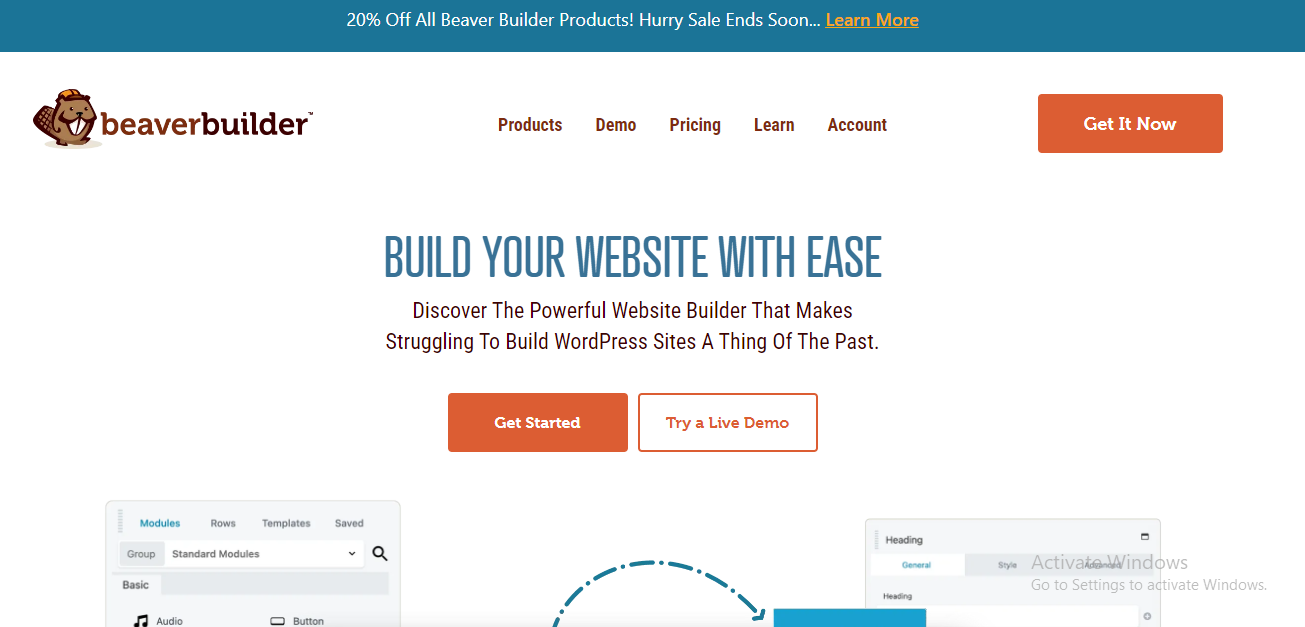
Beaver Builder targets users of all skill levels with a straightforward drag-and-drop editor and a solid template/module collection.
Key Features: live-preview editing, template library, responsive controls, broad theme/plugin compatibility.
Benefits: clean interface, reliable performance, works well for blogs, stores, and corporate sites alike.
Disadvantages: fewer styling options than some competitors, advanced work sometimes needs add-ons.
4. SeedProd
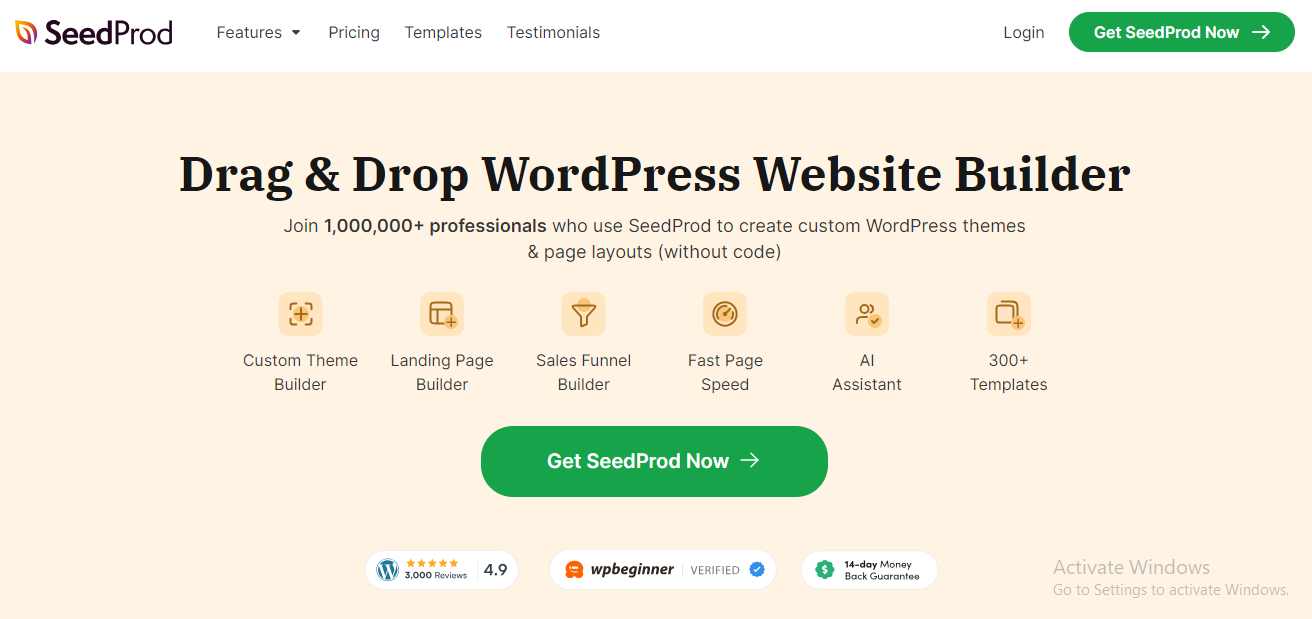
SeedProd specializes in landing pages and coming-soon/maintenance pages rather than full-site building, with countdown timers, lead capture forms, and exit-intent popups built in.
Key Features: landing-page-focused templates, email/CRM integrations, coming-soon and maintenance modes.
Benefits: genuinely fast to a working landing page, strong for lead capture specifically.
Disadvantages: narrower scope than a full page builder, not a replacement for one on a whole site.
5. WPBakery Page Builder
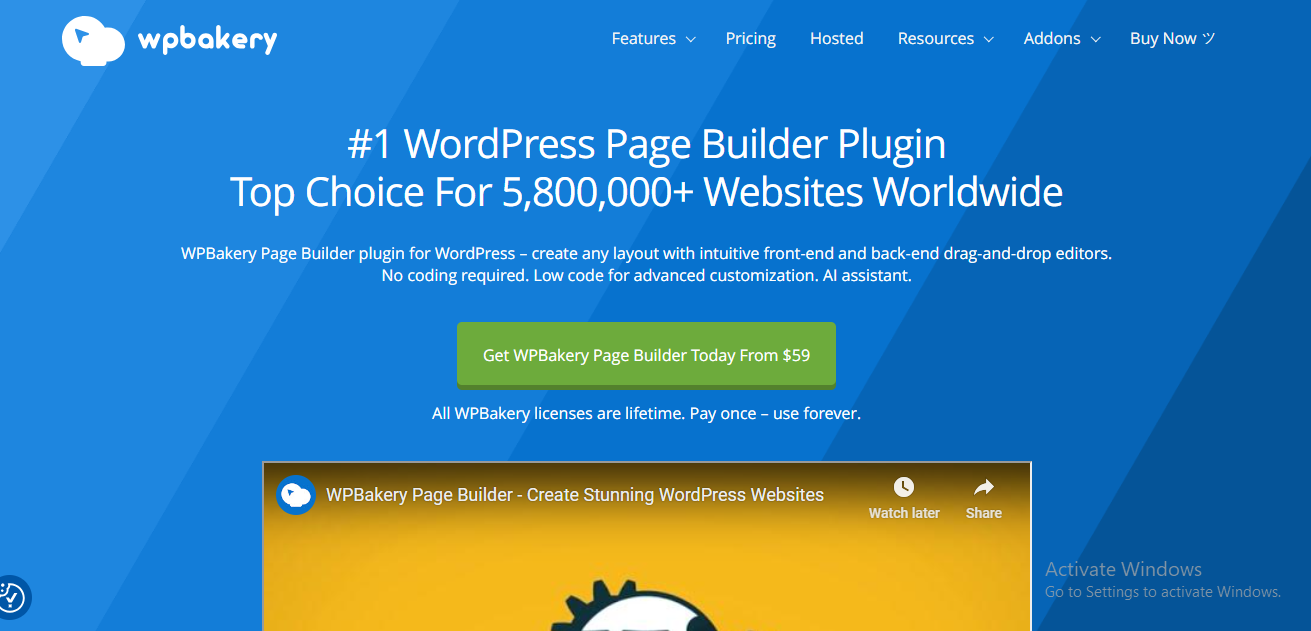
WPBakery Page Builder is the long-running plugin formerly called Visual Composer. Worth clarifying: the current “Visual Composer” (entry #8 below) is a separately rebuilt product from a different team, not the same tool under two names, they diverged after a 2017 split and now compete with each other.
Key Features: front-end and back-end editing modes, large element/template library, custom CSS and parallax effects.
Benefits: broad theme/plugin compatibility, works for beginners and experienced developers alike.
Disadvantages: complexity can overwhelm new users; occasional compatibility hiccups after WordPress core updates.
6. Thrive Architect
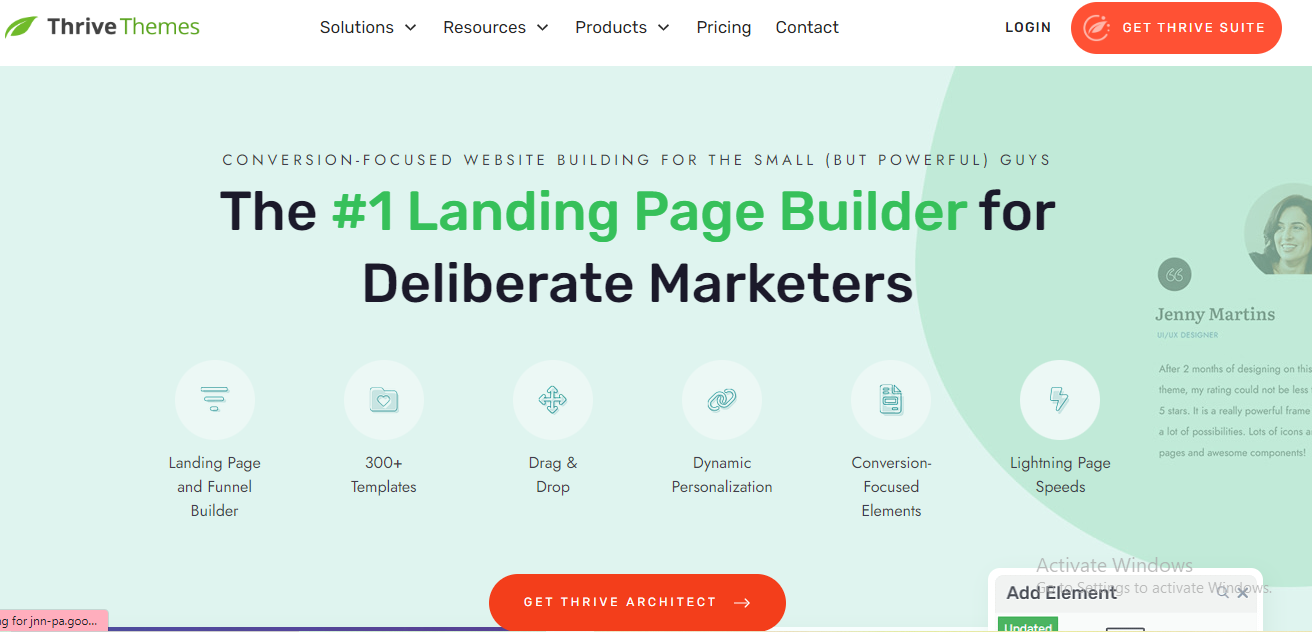
Thrive Architect is built specifically for conversion-focused pages, landing pages, sales pages, with CTAs, countdown timers, and testimonials as first-class elements rather than generic blocks.
Key Features: conversion-focused templates, built-in A/B testing, email/CRM integrations.
Benefits: genuinely strong for funnels and lead generation specifically.
Disadvantages: less design flexibility than a general-purpose builder if that’s not your actual use case.
7. Oxygen Builder
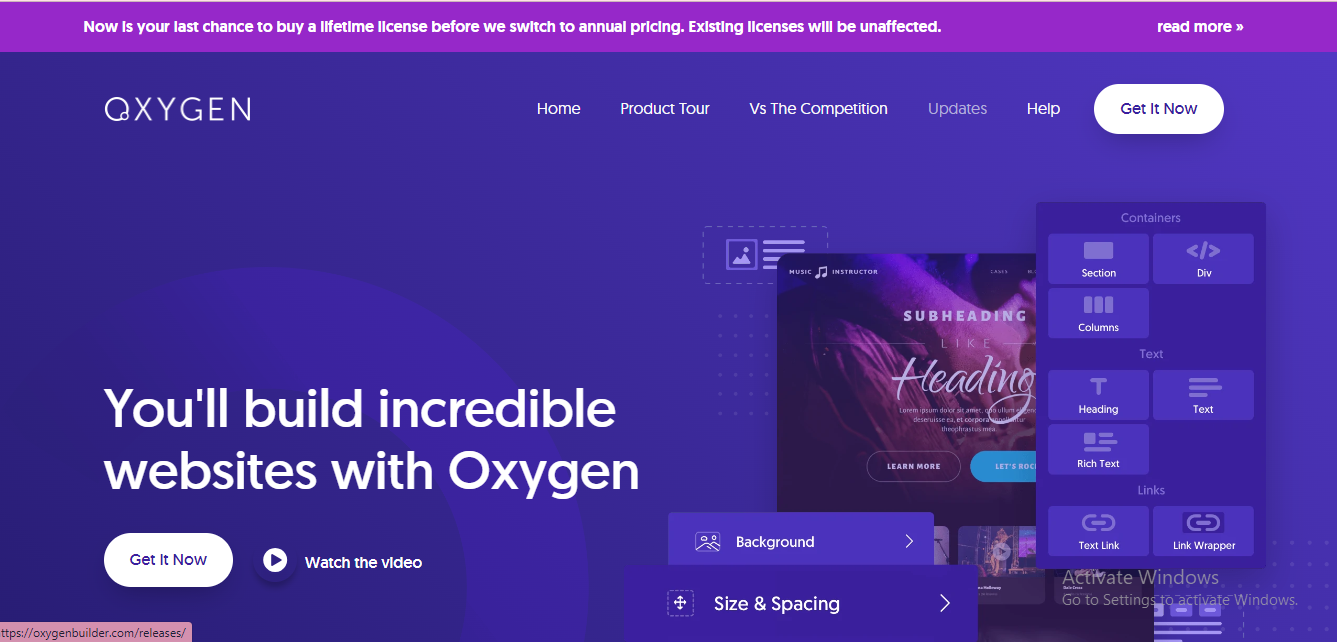
Oxygen Builder is aimed at developers: a code-centric approach with reusable templates/elements, dynamic data support, and clean generated markup. Now on version 6, with the older version still maintained separately as “Oxygen Classic.”
Key Features: full design control down to markup level, reusable templates and styles, support for custom PHP and dynamic data.
Benefits: genuinely fast page loads from lightweight generated code, strong for custom builds.
Disadvantages: steep learning curve, not built for beginners wanting a simple drag-and-drop experience.
8. Visual Composer
Visual Composer (confirmed active, a distinct rebuilt product from the current WPBakery, not the same tool) offers a large template/block library with front-end and back-end editing.
Key Features: drag-and-drop editor, front-end/back-end editing, parallax and video background effects.
Benefits: broad compatibility across themes and use cases, from blogs to stores.
Disadvantages: can be resource-intensive on larger sites, same as most full-featured builders.
9. Brizy

Brizy keeps the editing experience simple: drag-and-drop blocks (headers, testimonials, pricing tables) with straightforward customization.
Key Features: visual block editor, responsive design controls, theme/plugin integration.
Benefits: genuinely easy to pick up for non-technical users.
Disadvantages: thinner documentation and support compared to the bigger players on this list.
10. SiteOrigin Page Builder
SiteOrigin is the free, grid-based option here: a drag-and-drop editor with a solid widget collection, no premium tier required to get real functionality.
Key Features: grid-based layout system, widget library, responsive controls.
Benefits: free, lightweight, works well with most themes.
Disadvantages: fewer design options than the paid builders on this list, not aimed at advanced use cases.
Getting More Out of Whichever One You Pick
- Custom CSS/JS: most of these plugins support it for fine-tuning beyond the built-in options.
- Third-party integrations: Google Analytics, Mailchimp, WooCommerce, connect these directly rather than duplicating tracking/marketing tools separately.
- Performance: optimize images, minify assets, and use caching regardless of which builder you pick, builder choice affects baseline weight but doesn’t replace basic performance hygiene.
- Accessibility and SEO: alt text, descriptive links, and correct heading structure matter independent of which builder generated the markup.
Picking One
Elementor and Divi cover the most general use cases with the largest ecosystems. Beaver Builder and Brizy are lighter, simpler alternatives. SeedProd and Thrive Architect are worth it specifically for landing pages and conversion funnels, not general site-building. Oxygen is for developers who want code-level control. SiteOrigin is the honest free option if budget is the deciding factor.
Interesting Reads:
Email Marketing Campaigns: How to Promote Your Online Community