

The world of online learning continues to grow exponentially, driven by the demand for flexible, accessible education. Whether you’re an entrepreneur, an educator, or a business professional looking to share your knowledge, selecting the right online course platform is a critical step toward success. As an experienced online course creator, I understand how crucial it is to choose a platform that meets your specific needs, from ease of use and customization to pricing and scalability.
In this comprehensive guide, we’ll explore the ten best online course platforms for 2025, giving you detailed insights into each solution and why it might be the right fit for your project. Of particular note, I’ll be emphasizing the power of LearnDash—an open-source WordPress-based platform that, in my opinion, offers unparalleled flexibility and control.

Quick Links
1. LearnDash

When it comes to creating a fully customized online learning experience, LearnDash stands out as the ultimate solution. Built as a WordPress plugin, LearnDash leverages the power of WordPress to offer unmatched customization, scalability, and control. Unlike many SaaS-based platforms that lock you into predefined templates and pricing models, LearnDash gives you the freedom to design courses exactly the way you envision them.
Why LearnDash is the Best:
- Open-Source and Fully Customizable: Being a WordPress plugin means you can customize everything from the course design to user roles. There are countless WordPress themes and plugins that can extend LearnDash’s functionality.
- No Revenue Sharing: Unlike many other platforms that take a cut of your course revenue, LearnDash allows you to keep 100% of your earnings.
- Scalable for All Types of Users: Whether you’re a solo entrepreneur or a large organization, LearnDash can handle it. With built-in support for quizzes, certificates, and user engagement tools, it’s perfect for creating professional-grade courses.
- Community Support: Since LearnDash is built on WordPress, you’re not limited to a single support channel. The WordPress community is vast, with thousands of developers and experts available to help.
In addition to its core features, LearnDash integrates seamlessly with third-party tools like WooCommerce, making it ideal for those looking to monetize their courses efficiently.
2. Teachable
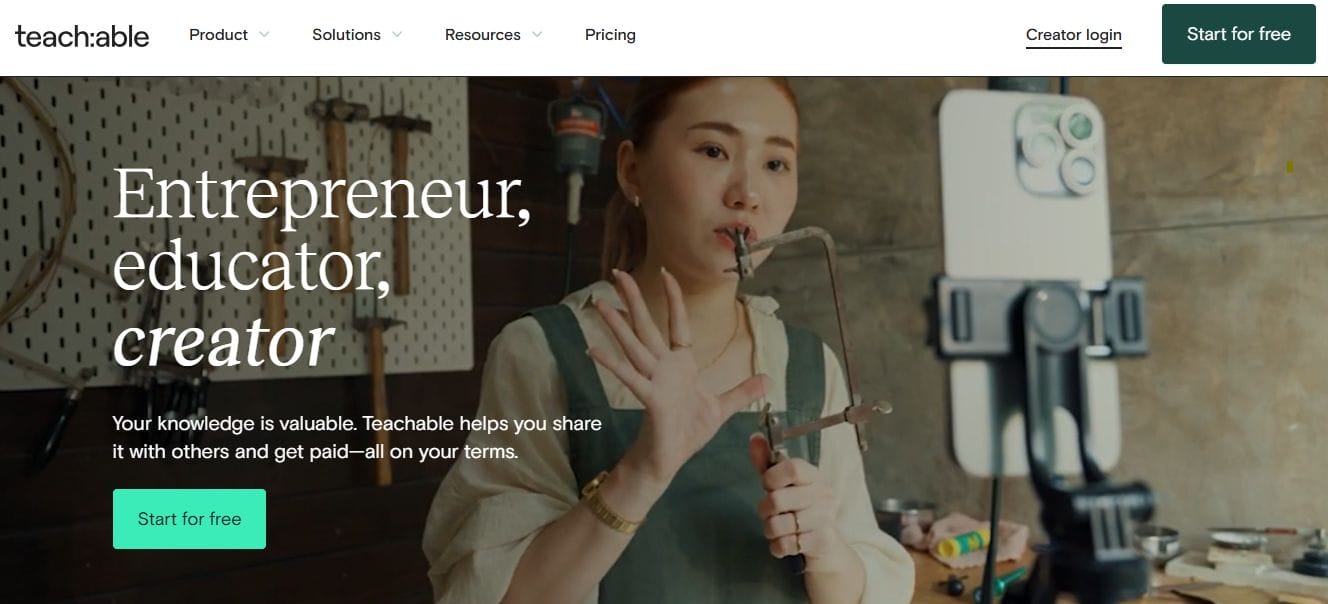
Teachable has long been a popular choice for online course creators due to its user-friendly interface and all-in-one solution approach. It offers an easy way to get started without requiring technical skills, making it particularly attractive for beginners.
Teachable handles everything from hosting to payments and course design, allowing creators to focus solely on content. However, this convenience comes at a price. Teachable charges transaction fees on lower-tier plans, and its customization options are limited compared to platforms like LearnDash.
That said, Teachable’s simplicity and built-in marketing features make it a viable option for those who want a hassle-free experience.
3. Thinkific

Thinkific is another well-established player in the online course platform space. It offers a clean, intuitive interface and a suite of tools for building, marketing, and selling courses. Thinkific’s drag-and-drop course builder is particularly appealing to creators who want to focus on content creation without getting bogged down by technical details.
One of Thinkific’s strengths is its robust support for multimedia content, including video, audio, and text. It also offers strong integration options with tools like Mailchimp and Zapier, making it easy to set up automated marketing funnels.
However, Thinkific’s pricing can be a drawback for some. The free plan is limited, and the more advanced features are locked behind higher-tier subscriptions.
4. Kajabi

Kajabi positions itself as an all-in-one platform for knowledge entrepreneurs. Beyond just course creation, Kajabi offers tools for building websites, managing email marketing campaigns, and even creating membership sites. This comprehensive approach makes it an attractive option for those who want a single solution for their entire online business.
While Kajabi excels in providing a holistic ecosystem, it’s not without its downsides. The platform is significantly more expensive than many of its competitors, and its customization options, while decent, can’t match the flexibility of a WordPress-based solution like LearnDash.
That said, Kajabi’s built-in marketing automation features and advanced analytics make it a great choice for those who prioritize an integrated approach.
5. Udemy
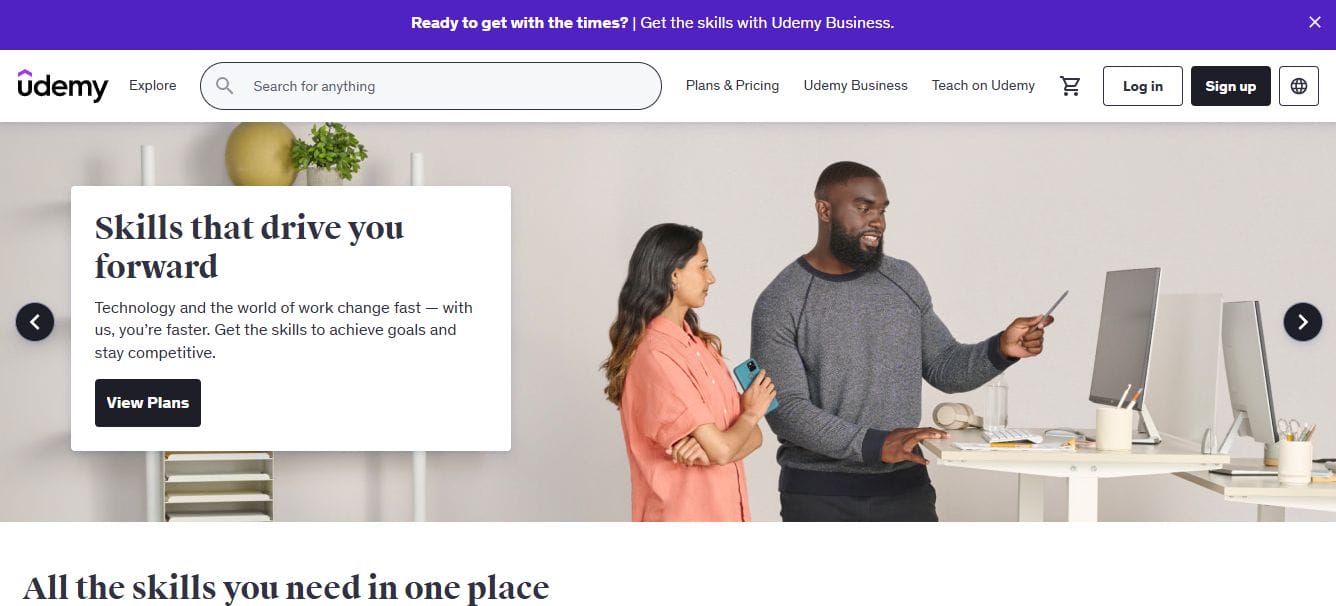
Udemy is one of the largest online learning platforms in the world, with millions of users and a vast library of courses on virtually every topic imaginable. For new course creators, Udemy offers an easy way to get started and gain exposure to a large audience.
However, Udemy’s marketplace model has significant limitations. You have little control over pricing and branding, and Udemy takes a substantial cut of your revenue. Additionally, the competition on the platform is fierce, making it difficult to stand out unless you have a highly unique offering.
Despite these drawbacks, Udemy can be a good option for those who want to reach a large audience quickly and don’t mind sacrificing some control.
6. Podia
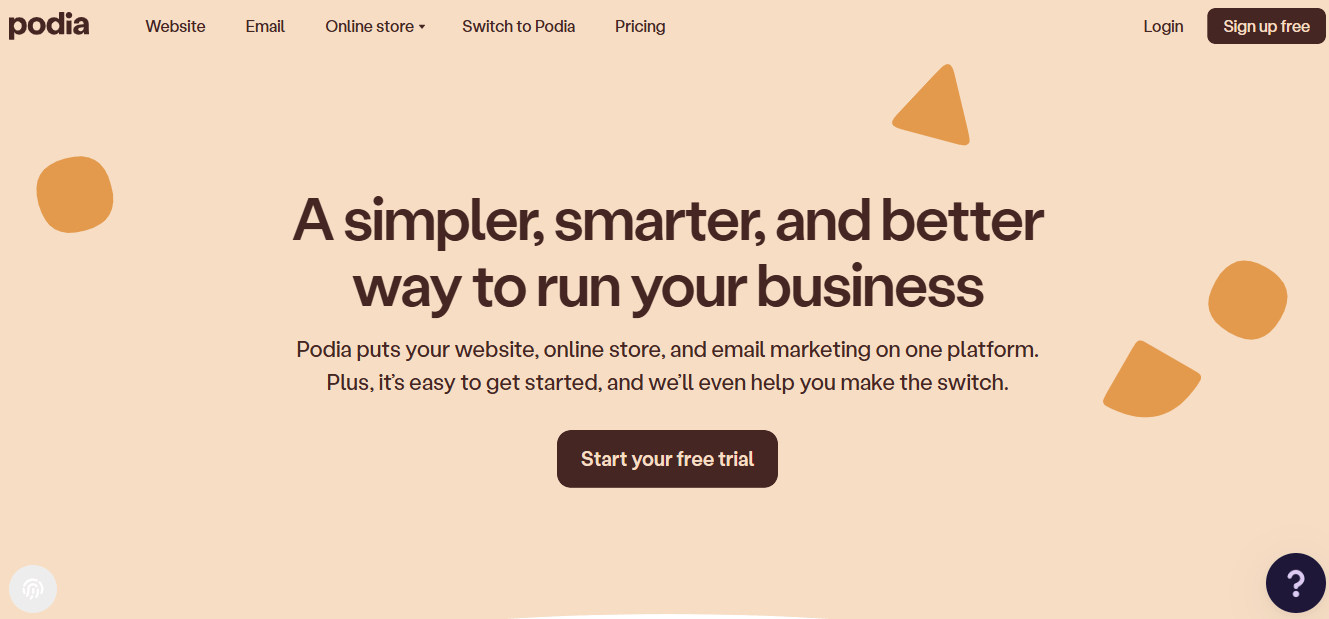
Podia is a versatile platform that supports not only online courses but also memberships and digital downloads. It’s known for its simplicity and clean design, making it a popular choice for creators who want an easy-to-use solution.
One of Podia’s standout features is its focus on community building. With tools for creating member-only content and engaging with students, Podia is ideal for those who want to foster a sense of belonging among their learners.
However, like many SaaS platforms, Podia’s customization options are limited compared to open-source solutions like LearnDash.
7. Skillshare
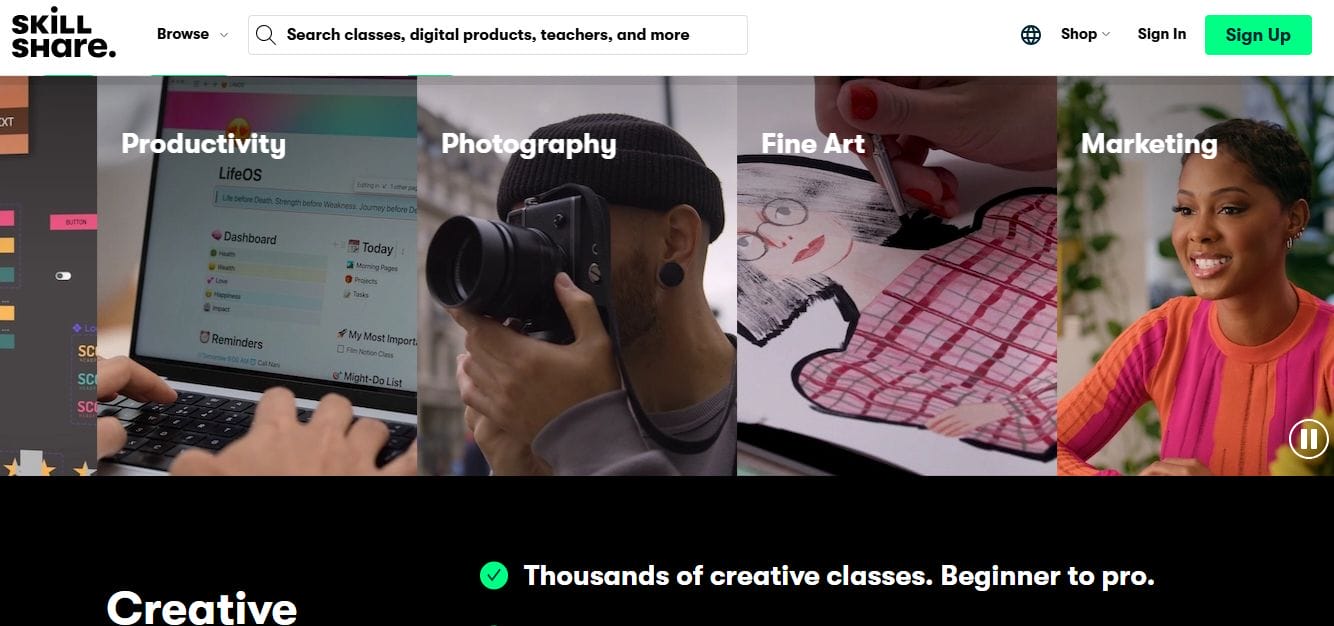
Skillshare operates on a subscription-based model where students pay a monthly fee for access to all courses on the platform. This model makes it unique compared to most other platforms, where students typically pay per course.
For creators, Skillshare offers a way to earn passive income through royalty payments based on the number of minutes their content is watched. However, the platform’s revenue potential can be limited unless you have a large and engaged audience.
Skillshare is best suited for those who want to supplement their income and don’t mind operating within a predefined structure.
8. Coursera

Coursera is geared more toward academic institutions and professional educators. It partners with universities and organizations to offer high-quality courses and degree programs. If you’re an individual creator, getting on Coursera can be challenging, as the platform has strict requirements and primarily works with established institutions.
That said, if you have the opportunity to partner with Coursera, it can be a highly lucrative and prestigious option.
9. Moodle
Moodle is an open-source learning management system (LMS) that has been around for decades. It’s widely used by educational institutions and offers a high degree of customization and flexibility.
While Moodle is powerful, it has a steeper learning curve than many of the other platforms on this list. It’s best suited for those with technical skills or access to a development team.
For creators who want complete control and are willing to invest time in setup, Moodle can be an excellent choice.
10. WizIQ
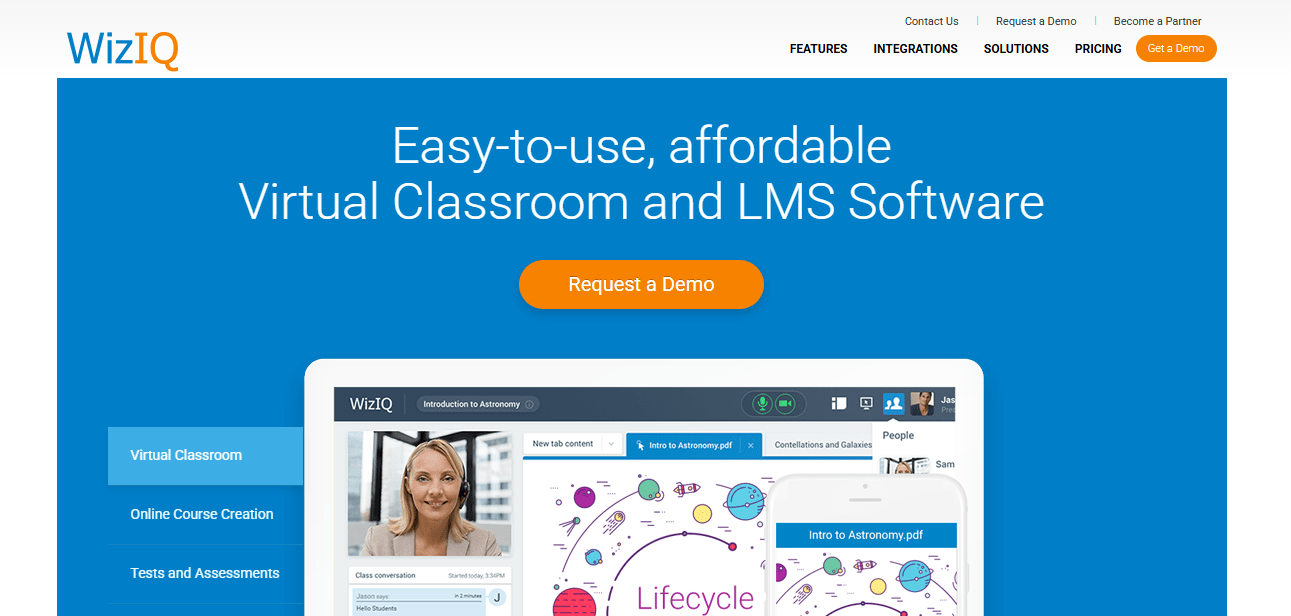
WizIQ is designed for educators who want to deliver live classes and webinars. It offers a virtual classroom environment with real-time interaction features, making it ideal for synchronous learning.
While WizIQ excels in live teaching, it’s less suited for those who want to create self-paced courses. Additionally, its pricing can be a barrier for individual creators.
11. Ruzuku
Ruzuku prides itself on simplicity and ease of use. The platform offers straightforward tools for course creation, live teaching, and community interaction. With its focus on minimalism, Ruzuku is ideal for creators who want to launch courses quickly without technical hurdles.
However, this simplicity comes at the expense of advanced features. For those looking for deep customization or integration options, Ruzuku might feel limiting.
12. Pathwright
Pathwright is an innovative platform that emphasizes the learner’s journey. Its course builder allows creators to design learning paths, making it ideal for structured programs. The platform also supports community engagement and collaborative learning.
Though Pathwright offers a unique experience, it may not suit all types of courses. Its pricing is also higher than some of the other platforms.
13. TalentLMS
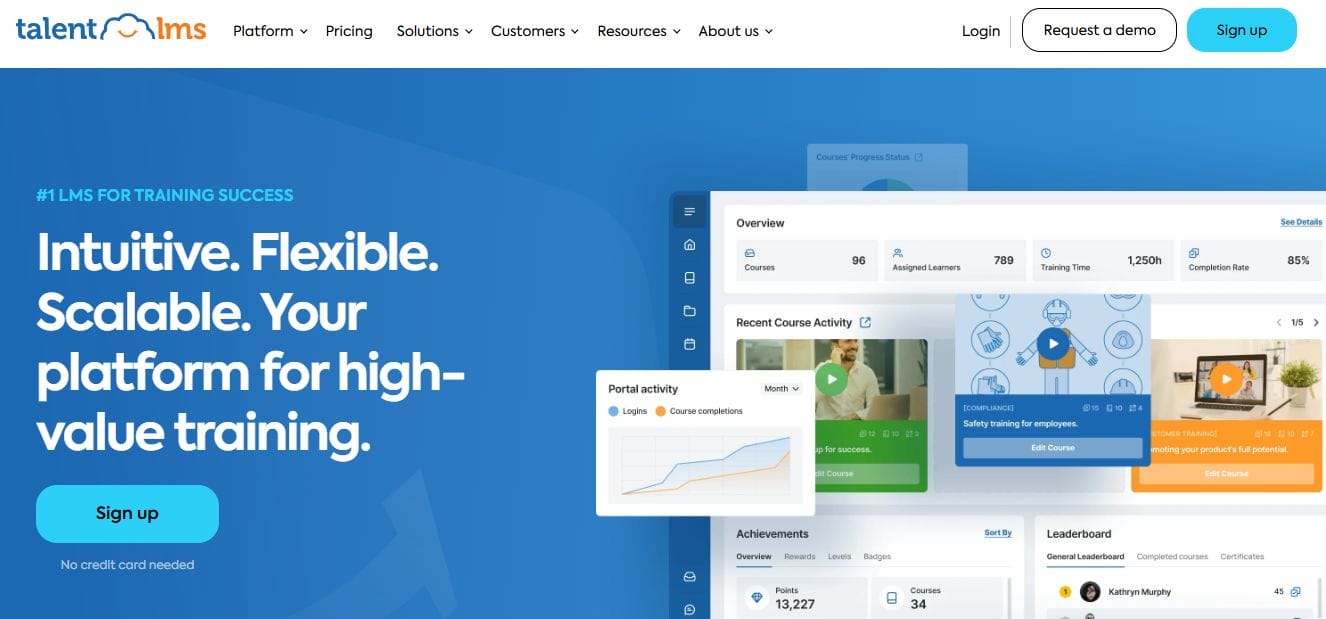
TalentLMS is a cloud-based LMS designed for businesses and organizations. It’s particularly popular for corporate training and professional development. The platform supports a wide range of content types and offers robust reporting features.
For individual creators, TalentLMS might be overkill. However, for those targeting corporate clients, it’s an excellent choice.
14. Graphy

Graphy (formerly Spayee) is an emerging platform that offers strong multimedia support and customization options. It’s gaining popularity among creators who want a self-hosted solution with built-in marketing tools.
Graphy also offers white-label solutions, making it ideal for those who want to build their brand without platform restrictions.
15. iSpring Learn
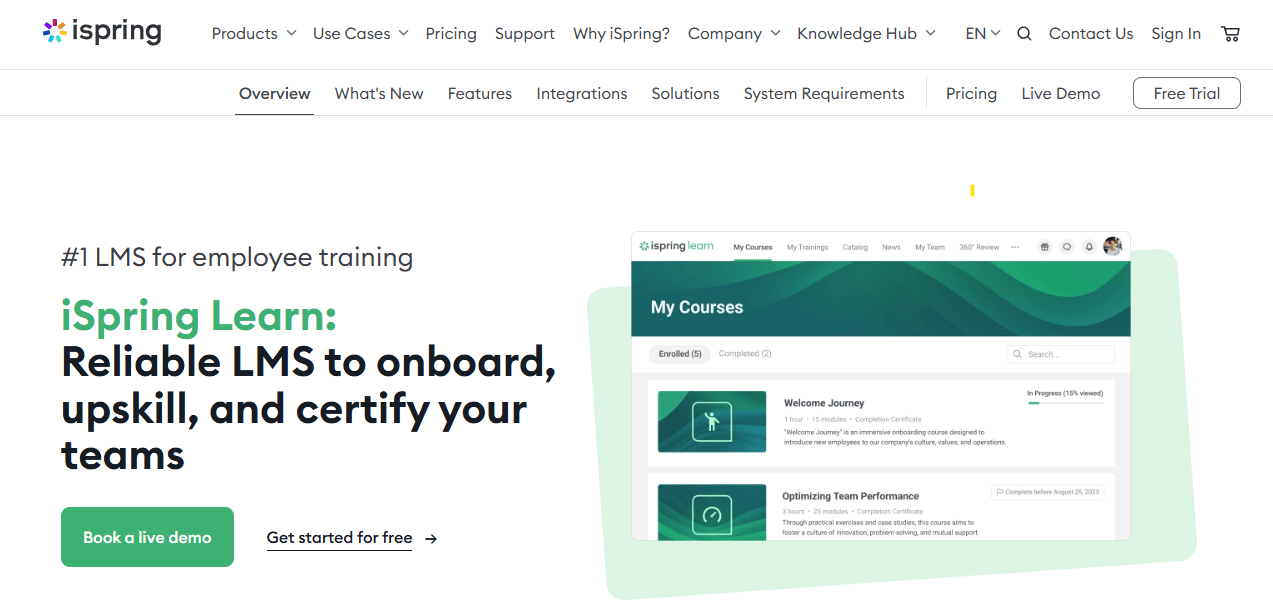
iSpring Learn is a corporate LMS that integrates seamlessly with iSpring Suite, a popular authoring tool. It’s best suited for those who already use iSpring for content creation and want a matching LMS.
The platform excels in delivering engaging learning experiences but is primarily designed for businesses rather than individual creators.
16. Xperiencify

Xperiencify focuses on creating highly engaging courses by gamifying the learning experience. It offers unique features like experience points, badges, and rewards to keep learners motivated.
Though it’s a niche platform, Xperiencify is worth considering if learner engagement is your top priority.
17. Open edX
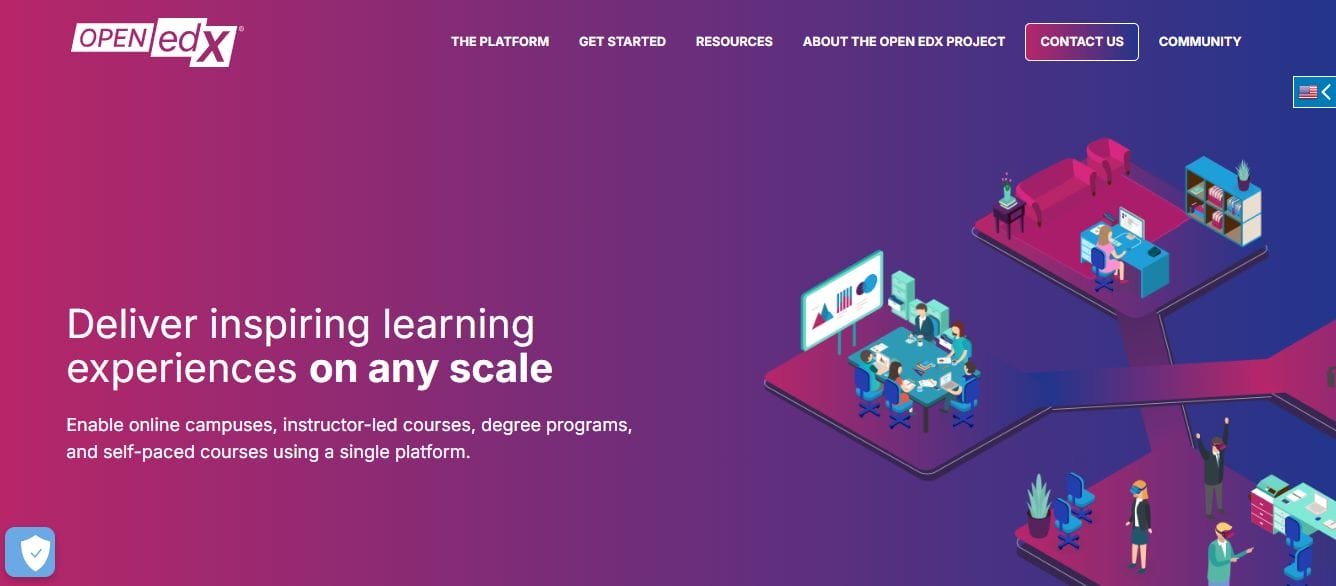
Open edX is an open-source platform used by universities and organizations worldwide. It offers powerful tools for creating and delivering courses, including advanced analytics and certification options.
While Open edX is highly customizable, it requires technical expertise to set up and manage, making it best suited for large institutions or those with development resources.
18. Academy of Mine

Academy of Mine offers a highly customizable LMS platform geared toward professional training and certification programs. It supports a wide range of content types and offers advanced features like SCORM compliance.
Though pricier than some alternatives, Academy of Mine is ideal for those who need a tailored solution.
19. edX for Business
edX for Business is a corporate learning platform that provides access to high-quality courses from leading universities. It’s perfect for businesses looking to upskill their workforce with top-tier content.
However, for individual creators, edX for Business isn’t a viable option. It’s more suited for corporate clients.
20. LearnWorlds
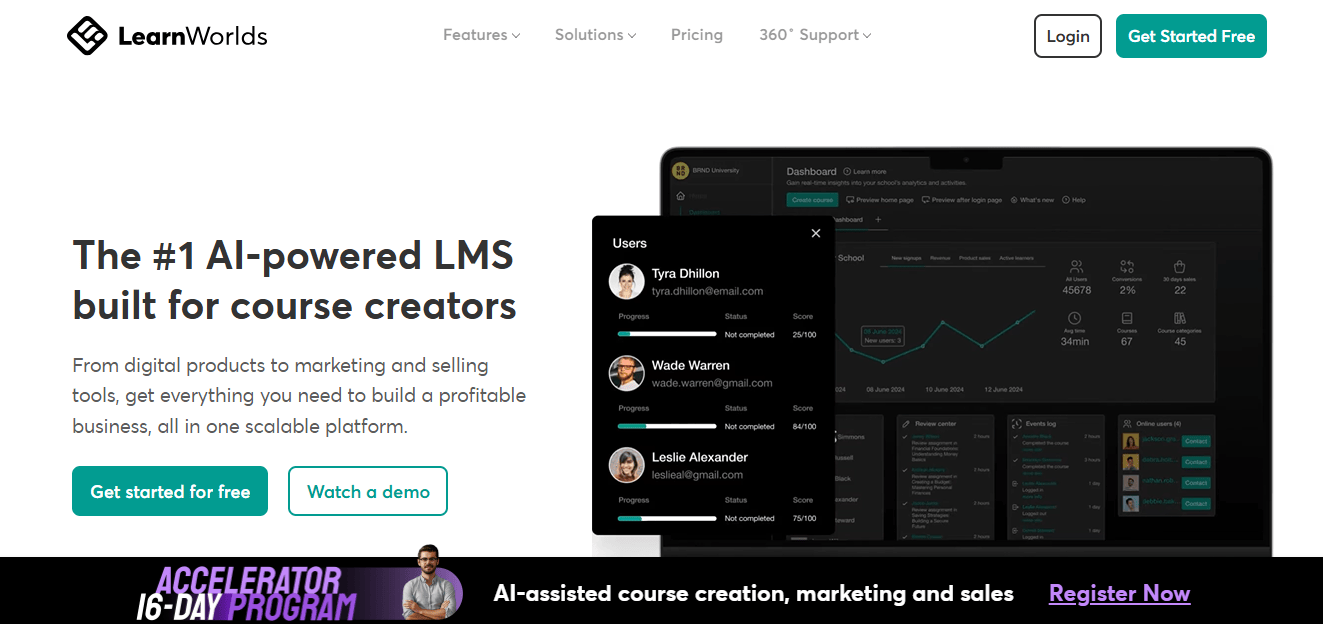
LearnWorlds is a feature-rich platform that offers strong customization options and an engaging learning experience. It supports interactive video content, quizzes, and certificates, making it ideal for those who want to create immersive courses.
LearnWorlds also offers excellent marketing tools, including a built-in sales engine and landing page builder. Its pricing is competitive, and it’s suitable for both beginners and experienced creators.

Online course platform
Choosing the right online course platform depends on your specific goals, technical skills, and budget. For those who prioritize control, customization, and scalability, LearnDash stands out as the clear winner. Its open-source nature, combined with the flexibility of WordPress, makes it the best choice for serious course creators who want to build a sustainable and scalable online education business.
While other platforms like Teachable, Thinkific, and Kajabi offer convenience and built-in features, they often come with higher costs and less flexibility. If you’re looking for a platform that grows with you and allows you to keep 100% of your revenue, LearnDash is the way to go.
Whether you’re just starting out or looking to take your online courses to the next level, investing in the right platform is crucial. With LearnDash, you have the freedom to create a truly unique learning experience that reflects your brand and meets the needs of your audience.
Interesting Reads:

