
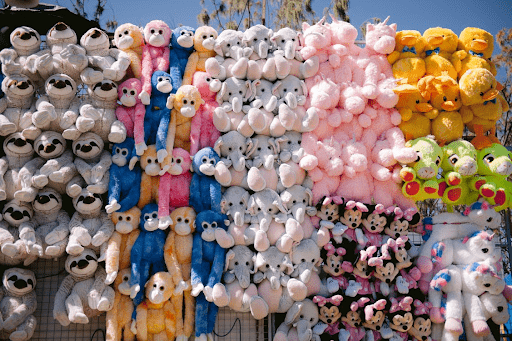
Effective product presentation in retail is crucial for capturing consumer attention and driving sales, particularly in the dynamic toy industry. Toys are an unusual retail category in that the buyer and the user are frequently two different people with two different sets of priorities: a parent evaluating price, safety, and educational value, and a child reacting on pure visual and tactile impulse. A display that only speaks to one of those audiences leaves money on the table. By utilizing creative displays that address both, retailers can enhance the shopping experience, engage their target audience more deeply, and boost toy sales.
Today, we’ll cover practical strategies for creatively displaying toys to attract and delight customers, from understanding your audience to leveraging the latest technological tools, along with a few real-world examples of stores that have gotten this right.
Know Your Audience
Understanding who you sell to is the first step in crafting effective displays. Toy stores cater to a diverse clientele, including children, parents, and collectors, each with unique preferences and purchasing behaviors. Displays tailored to these groups can significantly increase engagement and sales. For example, interactive displays designed for children might feature hands-on play areas, while collectors might appreciate well-lit showcases highlighting the rarity and details of exclusive toys and gifts.
A useful exercise before redesigning any display is to map out your actual customer journey by age bracket. A toddler-focused aisle needs low shelving, rounded edges, and bright primary colors at a height a two-year-old can actually see. A tween-focused collectibles wall works better at adult eye level with better lighting and glass or acrylic cases, since the buying decision there is closer to a hobbyist purchase than an impulse grab. Treating every aisle the same way, regardless of who is actually looking at it, is one of the more common and avoidable mistakes independent toy retailers make.
It also helps to think about the emotional state a shopper is in when they reach a given aisle. Someone buying a birthday gift on a time crunch wants clear guidance and fast decision-making, curated “gift ideas by age” sections work well here. Someone browsing on a weekend with no specific purchase in mind is in exploration mode, and benefits more from open, low-pressure displays that invite touching and discovery rather than tightly organized, catalog-style shelving. Designing a single aisle to serve both moods at once rarely works well; it’s usually better to designate different zones of the store for each kind of shopping behavior.
Understand the Basics of Effective Toy Displays
- Maximize Visibility: Placing toys at eye level and ensuring they are well-lit can dramatically increase their visibility. Bright colors and lights can draw children’s attention, while clear, informative signage helps parents quickly understand product features and benefits. Signage that answers the two questions parents actually ask while standing in the aisle, what age is this for, and what does it teach or develop, does more selling work than a generic “New!” sticker ever will.
- Ensure Accessibility: Toys should be accessible so children can interact with them. Open shelf placements enable touch, a powerful motivator for purchase among younger demographics. This is also where a lot of retailers get nervous about shrinkage or damage, but the data from big-box toy sections consistently shows that locked cases suppress sales of mid-tier items far more than they prevent theft, since a child who can’t touch a toy loses interest and moves to something they can.
- Promote Interaction: Interactive displays that encourage play can significantly enhance sales. Allowing children to experience how toys function can create a memorable connection and increase the likelihood of a purchase. A demo unit for a remote-control car or a building-set sample table where kids can construct something before buying consistently outperforms a shrink-wrapped shelf display, because the purchase decision shifts from “does this look fun in the box” to “I already know this is fun.”
Incorporate Thematic Displays

Thematic displays are an excellent way to make your store visually exciting and engaging. Tie your displays to popular trends, seasons, or holidays. For example:
- Seasonal Themes: Use winter-themed backdrops for holiday toys or beach settings for summer releases. A well-executed holiday endcap, built weeks ahead of the actual gift-buying rush rather than thrown together the week of, captures shoppers who are browsing early and reduces the last-minute scramble that leads to abandoned carts.
- Pop Culture Trends: Showcase toys based on popular movies, TV shows, or video games. Retailers that coordinate a themed display window to launch alongside a major film release, rather than waiting for the licensed merchandise to simply arrive on a truck and get shelved wherever there’s space, consistently see a stronger opening-week bump.
- Educational Themes: Highlight educational toys in a classroom-like setup to appeal to parents seeking learning-focused products. STEM-branded toy lines in particular benefit from a display that shows the finished build or experiment, not just the box art, since the value proposition for a skeptical parent is “will my child actually learn something,” and a finished demo model answers that faster than any amount of packaging copy.
Thematic displays attract attention and create memorable shopping experiences that encourage repeat visits. LEGO’s flagship and branded in-store shops are the clearest large-scale example of this done well: build stations, life-size character models, and a constantly rotating theme calendar tied to new set releases give shoppers a reason to walk back in even when they aren’t actively shopping for anything specific.
Leverage Technology
Incorporating technology such as digital displays and augmented reality can transform traditional toy displays into interactive experiences. Digital screens can show toys in action or offer interactive catalogs, giving customers a better sense of the product before purchase.
Augmented reality, in particular, offers a unique way for customers to engage with toys, providing a virtual experience of the toys in action, which can be especially appealing in the context of games and puzzles. A number of toy brands now ship AR-enabled packaging where scanning the box with a phone camera brings a character to life on screen before the box is even opened, which turns the shelf itself into a demo unit without needing floor space for a physical sample. For independent retailers without the budget for custom AR integration, even a simple looped video on a small tablet mounted near a display, showing the toy actually being played with by a child rather than static product photography, meaningfully increases dwell time at that shelf.
Learning From the Big Retailers
Independent toy stores obviously can’t match the capital budgets of national chains, but several of the display principles the big players rely on scale down to a single-aisle level just fine. American Girl’s retail stores are built almost entirely around the idea of experience over inventory density, doll salons, cafes, and photo areas that turn a purchase into an event rather than a transaction, and the underlying lesson, that a memorable in-store experience drives repeat visits far more than shelf density does, applies just as much to a 1,500-square-foot independent shop as it does to a flagship store.
Nintendo’s retail spaces lean heavily on hands-on demo stations for exactly the reason mentioned earlier, letting a shopper actually try a product removes the biggest source of purchase hesitation. A small store can replicate this at a fraction of the cost with a single well-maintained demo table for its two or three best-selling interactive items, rotated seasonally, rather than trying to make every product demo-able at once.
Cross-Merchandising and Bundling
A display strategy that gets overlooked surprisingly often is cross-merchandising, placing complementary products next to each other rather than strictly by brand or category. A dollhouse displayed next to a small selection of compatible furniture and figures sells better than the same dollhouse shelved alone in a “dollhouses” section three aisles from the accessories. The same logic applies to batteries near anything electronic, art supplies near craft kits, and expansion packs displayed directly beside the base game they extend rather than filed separately by product line.
Bundling physical displays this way also creates a natural upsell moment at exactly the point a customer is already reaching for their wallet, which is a meaningfully better time to suggest an add-on than a generic checkout-counter impulse rack that has nothing to do with what’s actually in the cart.
Maintain and Refresh Displays
Keeping displays fresh and visually appealing is essential for maintaining customer interest. Rotate products regularly to showcase new arrivals and seasonal items. Clean and organize displays frequently to ensure they remain inviting.
Experiment with new designs or layouts to keep the shopping experience dynamic. Customers are more likely to visit your store again if they know they’ll find something new and exciting each time. A practical cadence worth adopting: full seasonal resets four times a year, with a lighter partial refresh, moving one or two endcaps, updating signage, restocking demo units, every four to six weeks in between. Stores that never touch their layout outside of major holidays tend to see repeat-visit frequency flatten out, since regular customers stop expecting anything new.
Measuring What’s Actually Working
It is worth tracking display performance the same way you would track any other marketing spend, rather than relying purely on instinct. Simple methods that work even for a small independent store: compare sell-through rate on an item before and after moving it to a themed or interactive display, track which endcaps get the most restocking requests (a rough proxy for foot traffic and pickup rate), and note which demo or sample units get the most visible wear, since heavily-handled samples are usually your best-performing interactive displays. None of this requires expensive retail analytics software, just a habit of writing down what changed and checking sales figures a few weeks later, ideally in a simple spreadsheet so the pattern is visible across a full season rather than just remembered anecdotally.
Lighting and Color: The Details That Get Skipped
It is easy to spend a display budget on fixtures and props and neglect the two cheapest levers available: lighting temperature and color grouping. Warm white lighting (around 3000K) tends to make toy packaging colors read as more vibrant and inviting than the harsh cool-white fluorescent tubing still common in older retail fit-outs, and swapping bulbs is one of the lowest-cost changes a store can make to an aisle’s overall feel. Spot lighting angled slightly downward onto a featured shelf, rather than flat overhead lighting across the whole aisle, draws the eye specifically to whatever is being promoted that week without needing to move a single product.
Color grouping matters more than most retailers give it credit for. Instead of shelving strictly by brand or product line, some of the most effective toy displays group by color block, all the pastel-toned toys together, all the bold primary-color action figures together, which creates a visual rhythm that’s genuinely more pleasant to browse and tends to slow shoppers down enough to actually look at individual products rather than scanning past a visually chaotic shelf.
Signage That Sells Without Shouting
Toy aisles are often overloaded with signage competing for attention: sale tags, age-range stickers, brand logos, safety certifications, all stacked on top of each other until none of it is actually readable at a glance. The stores that do this well pick a hierarchy: one clear price or promo callout, one age/skill indicator, and nothing else competing for the same three seconds of attention a passing shopper gives an aisle. A single well-designed “Ages 4-8 | Builds Fine Motor Skills” card does more selling work than five overlapping stickers, because a parent scanning a shelf actually processes it.
Handwritten or staff-recommendation cards, “our team’s pick this week,” with a short, genuine note, also outperform generic printed signage in independent toy stores specifically, since shoppers browsing a specialty toy store are often looking for exactly that kind of curated, human recommendation rather than a mass-market advertising message.
Layout and Traffic Flow
Where a display sits inside the overall store layout matters almost as much as what’s on it. Placing your highest-margin or newest items along the natural traffic path from the entrance, rather than tucked into a back corner that only regular customers know to check, gets far more eyes on the items you most want to move. Toy stores in particular benefit from what retail designers call a “decompression zone,” roughly the first six to ten feet inside the door, where shoppers are still adjusting to the space and rarely make purchase decisions. Putting your best display right at the entrance often wastes it; a better placement is just past that initial zone, where browsing behavior actually begins.
End caps and the ends of aisles carry disproportionate value because they get seen by shoppers heading in multiple directions, not just the ones walking down that specific aisle. Rotating your featured or promotional items through end-cap positions, rather than letting the same slow-moving stock sit there indefinitely, keeps that high-visibility real estate working for you instead of becoming visual wallpaper regulars stop noticing.
Common Questions
How often should a small toy store change its window display?
Every four to six weeks is a reasonable baseline outside of major holiday resets, which typically happen four times a year (back-to-school, fall/holiday, post-holiday clearance, and spring/summer). Windows that never change stop pulling in the foot traffic they’re capable of, since regular passersby stop looking once they’ve mentally filed the display as “the same as last time.”
Do interactive demo units actually increase theft risk enough to worry about?
Less than most retailers assume. Industry loss-prevention data consistently shows shrinkage concentrated in small, high-value, easily-pocketed items, not in demo units that are typically larger, tethered, or simply less appealing to steal than they are to just play with in-store. The sales lift from letting customers handle a product before buying it generally outweighs the marginal loss risk, especially for mid-range items priced above the casual-shoplifting threshold.
What’s the single highest-impact, lowest-cost display change a small toy retailer can make?
Lighting. Swapping harsh overhead fluorescent tubes for warmer, more targeted lighting over featured shelves is inexpensive relative to a full display rebuild and has an outsized effect on how inviting the whole space feels, which is the first impression that determines whether a browsing customer slows down at all.
Should online product photography match the in-store display style?
Yes, where possible. If a retailer’s in-store strategy leans on lifestyle and in-use photography, a child actually playing with the toy rather than a plain product shot, carrying that same visual language onto the store’s WooCommerce product pages or social channels creates a consistent brand impression across both channels, and lifestyle imagery consistently outperforms flat product shots in click-through and conversion for toy categories specifically, since the buying decision is emotional as much as functional.
Final Note
Creative product displays are a powerful tool for boosting toy sales. Focusing on the audience, optimizing display locations, and leveraging interactive technologies can achieve an engaging shopping experience that drives purchases. Constantly innovating display strategies, and actually measuring whether those changes move the needle, is key to keeping the consumer experience fresh and exciting and driving new and repeat business.
None of this requires a national retailer’s budget to start. A single refreshed endcap, a warmer bulb over the featured shelf, one working demo unit, and a signage hierarchy that doesn’t compete with itself will move the needle faster and cheaper than a full store redesign, and they’re changes most independent toy retailers can make within a week without closing the doors or hiring outside help.
Interesting Reads:
Best AI Tools for E-commerce Management: Streamlining Your Online Business