
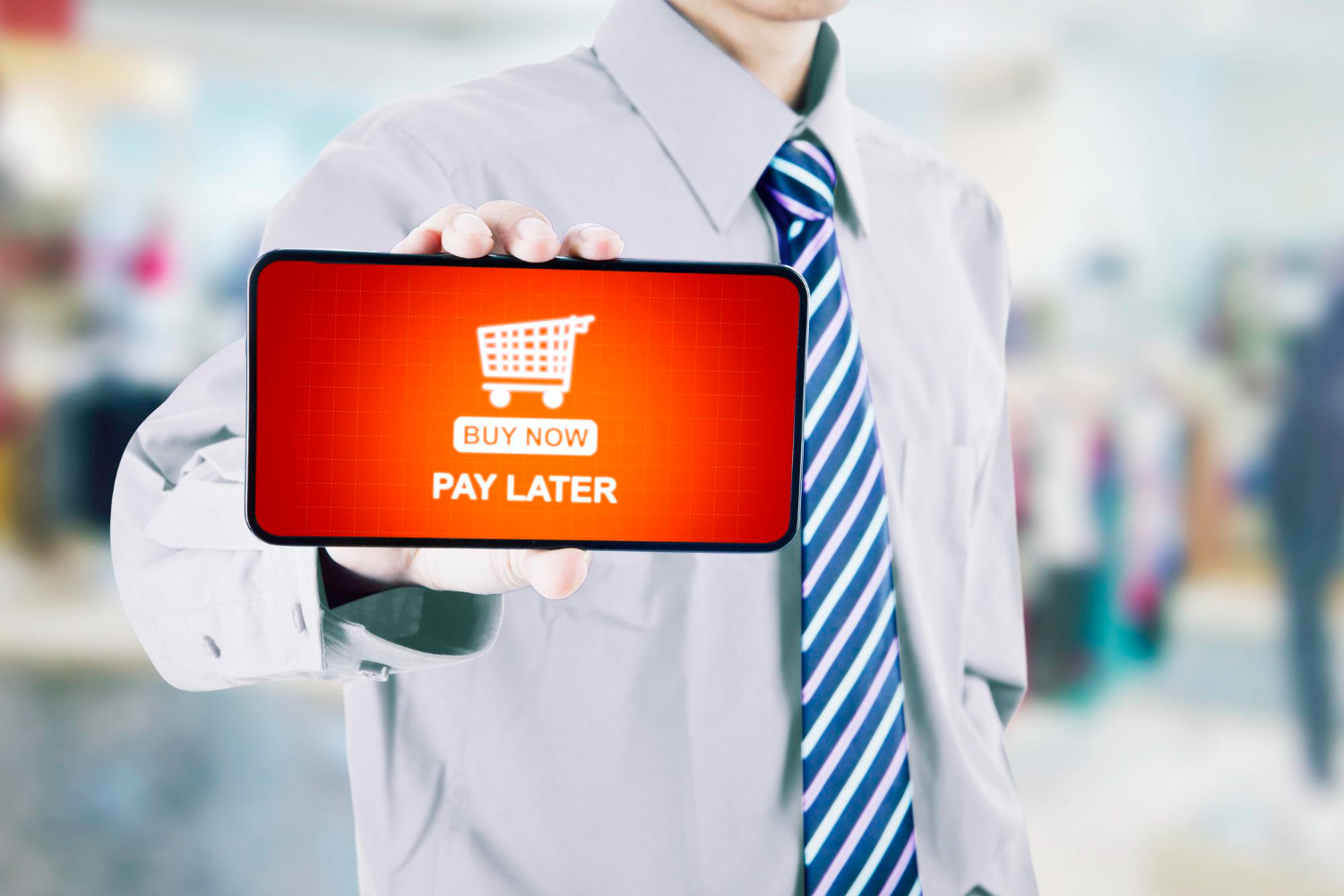
Small businesses keep circling back to one question every time a customer abandons a cart at checkout: would they have finished this purchase if they could pay over time instead of all at once? Buy Now, Pay Later services answer that question directly, letting shoppers split a purchase into manageable installments instead of paying the full amount upfront.
Afterpay has been the name most people recognize in this space, helping merchants reduce cart abandonment and boost average order value with interest-free installment payments. But it isn’t the right fit for every business. Higher transaction fees, limited merchant control, and integration gaps with certain platforms push some businesses to look elsewhere. Others are chasing better customer approval rates, lower fees, or financing terms that fit a specific type of product better than Afterpay’s short installment window does.
The BNPL market has grown enough that several platforms now offer comparable or better terms than Afterpay, each with a different specialty. Here’s a breakdown of the strongest alternatives for small businesses in 2026, and which type of business each one actually fits.
Klarna: A Flexible Alternative With Multiple Payment Structures
Klarna remains one of the most recognized BNPL providers and a genuine Afterpay alternative rather than a copycat. It offers pay-in-4 installments, pay-later-in-30-days terms, and longer financing plans stretching out several months, which gives small businesses more flexibility in matching a payment plan to what they’re actually selling.
- Supports multiple payment plan structures under one integration
- Integrates with Shopify, WooCommerce, and other major platforms
- Merchant protection against fraud and chargebacks
- Reports a higher customer approval rate than Afterpay in many markets
Sezzle: An Interest-Free BNPL Service Built for Small Sellers
Sezzle is designed specifically for small businesses that want a straightforward, affordable BNPL option without a complicated setup. Its sign-up and approval process is fast enough that customers rarely abandon checkout waiting on a decision.
- Simple integration with most online storefronts
- Interest-free installment payments as the default structure
- No credit impact for customers who pay on schedule
- Approval rates that tend to run higher than Afterpay’s for thinner-file customers
Affirm: Built for High-Ticket Purchases
Affirm fits businesses selling more expensive products, with financing terms ranging from a few months up to several years depending on the purchase amount. Where Afterpay is built around short-term, low-dollar installments, Affirm handles the financing math for electronics, furniture, and appliances that a four-payment plan wouldn’t realistically cover.
- No hidden fees or late charges passed to customers
- Long-term financing options for larger purchases
- Merchant fraud protection and predictable payout schedules
- A strong fit for businesses with a higher average order value
Splitit: Installments Through the Customer’s Existing Credit Card
Splitit takes a different approach entirely. Instead of issuing new credit, it lets customers split payments using the credit line they already have on their own card, with no additional application or hard credit check. That structure tends to lower merchant fees compared to a traditional BNPL provider, since Splitit isn’t underwriting new risk the way Affirm or Klarna does.
- No new credit lines or separate applications required
- Merchants get paid upfront while customers pay off the balance in installments
- No added fees passed to the customer
- A solid option for businesses trying to hold down BNPL processing costs
PayPal Pay in 4: The Easiest Add-On for Existing PayPal Merchants
PayPal Pay in 4 splits a purchase into four interest-free payments spread over six weeks. For businesses already running PayPal Checkout, it’s close to a zero-setup addition, since it rides on infrastructure that’s already in place rather than requiring a new merchant account.
- Built directly into PayPal Checkout
- No merchant fees beyond standard PayPal processing rates
- High existing trust among online shoppers who already use PayPal
- Fast approval with a strong acceptance rate
Zip (Formerly Quadpay): Mobile-First Installments
Zip splits purchases into four interest-free installments, similar to Afterpay’s core structure, but leans harder into mobile checkout and its own shopping app. It remains active in the US market and continues to support fast merchant integrations for e-commerce and mobile-first brands.
- Quick integration with common e-commerce platforms
- A checkout experience built around its mobile app
- High customer approval rates
- Interest-free installment structure by default
Sunbit: Point-of-Sale Financing for Local and Service Businesses
Sunbit is built for local businesses, not e-commerce, covering retail counters, auto repair shops, dental and healthcare offices, and optical retailers. Where Afterpay is mostly an online checkout tool, Sunbit focuses specifically on in-person, point-of-sale financing.
- Built for physical storefronts and service-based businesses
- High reported approval rates, including for thinner credit files
- Flexible repayment terms ranging from a few months up to two years
- Integrates with common retail and POS systems, including Stripe-based setups
Regulatory Attention Is Increasing, Not Going Away
BNPL has drawn more regulatory scrutiny over the past few years as usage has grown, with consumer protection agencies in several countries examining disclosure requirements, late fee structures, and how BNPL debt shows up (or doesn’t) on standard credit reports. None of this has shut the industry down, but it has pushed larger providers toward clearer disclosures and, in some cases, changes to how late fees are structured. Merchants aren’t usually on the hook for compliance details themselves, since that sits with the BNPL provider, but it’s worth choosing a provider that’s proactively adapting to this environment rather than one that seems to be waiting to be forced into changes, since a provider caught flat-footed by new regulation can mean a disrupted checkout experience for your customers with little warning.
BNPL vs. Traditional Financing and Layaway
It’s worth placing BNPL against the older options it’s largely replaced, since some merchants still default to those out of habit rather than a real comparison. Traditional store credit or financing typically requires a hard credit check, a formal application, and often a multi-day approval wait, all of which introduce friction at exactly the moment a customer is deciding whether to complete a purchase. Layaway, the older alternative where a customer pays over time before receiving the product, avoids credit risk entirely but delays the sale and the product handoff, which doesn’t fit how most online and even most in-store retail works today.
BNPL sits in between: approval happens in seconds, the merchant gets paid upfront in most models, and the customer walks away with the product immediately. That combination is why it displaced both older models so quickly across small business retail, and why the real competition today is between different BNPL providers rather than between BNPL and what came before it.
How to Actually Choose Between These
Match the platform to what you’re selling rather than picking based on brand recognition. Klarna and Sezzle both work well as general-purpose, interest-free options for typical retail price points. Affirm is the clear choice once average order value climbs into the hundreds or thousands of dollars, since that’s the range its longer terms were built for. Splitit is worth a serious look specifically because it can undercut the others on merchant fees, given that it isn’t underwriting new credit. Businesses already running PayPal gain the most from Pay in 4’s near-zero setup cost. Zip suits mobile-heavy storefronts, and Sunbit is the only option here built for physical, in-person transactions rather than online checkout.
| Provider | Best fit | Structure |
|---|---|---|
| Klarna | General retail, wants flexible terms | Pay-in-4, pay-in-30, longer financing |
| Sezzle | Small sellers wanting simple setup | Interest-free installments |
| Affirm | High-ticket items | Multi-month to multi-year financing |
| Splitit | Merchants minimizing BNPL fees | Customer’s existing credit card |
| PayPal Pay in 4 | Existing PayPal merchants | 4 payments over 6 weeks |
| Zip | Mobile-first storefronts | 4 interest-free installments |
| Sunbit | Physical, in-person businesses | 3 to 24 month terms |
Measuring Whether BNPL Is Actually Working for You
Adding a BNPL option isn’t a set-it-and-forget-it decision. Track a few specific numbers for at least one full quarter before deciding whether it’s earning its fee: cart abandonment rate before and after launch, average order value on BNPL transactions versus card transactions, and the share of BNPL purchases coming from new customers versus repeat ones. A provider that boosts average order value but doesn’t move abandonment much is telling you something different than one that mainly rescues carts that would have otherwise been lost, and that distinction should shape whether you keep, drop, or add a second provider.
Most providers offer a merchant dashboard with at least basic versions of these metrics built in, so this doesn’t require separate analytics tooling in most cases, just the discipline to actually check the numbers rather than assuming the option is paying for itself because sales feel busier.
What These Fees Actually Cost a Small Business
Merchant fees for BNPL providers typically run higher than standard card processing, often landing somewhere in the mid-single digits to low double-digit percentage of each transaction, depending on the provider, your industry, and your negotiated volume. That premium buys higher conversion and larger basket sizes for many merchants, but it’s worth running the actual math on your margins before assuming BNPL is automatically worth adding. A thin-margin business selling low-price items can find that BNPL fees eat more of the upside than the increased conversion delivers, while a higher-margin business selling considered purchases usually comes out ahead. Ask each provider for their current merchant fee schedule directly, since these rates shift with negotiation and change over time across the entire category.
Larger merchants also have more room to negotiate than smaller ones, since most providers price volume-based tiers similarly to how a card processor does. If your transaction volume grows meaningfully after your first few months on a BNPL provider, it’s worth going back and asking for a better rate rather than assuming your initial quote is fixed for the life of the relationship.
How BNPL Approval Actually Works Behind the Scenes
Unlike a traditional credit application, most BNPL providers run a soft credit check, or sometimes no traditional credit check at all, and instead lean on their own risk models built from transaction history, order size, and behavioral signals. That’s part of why approval rates differ so much between providers for the same customer: Sezzle and Zip tend to approve a thinner-file customer that a more conservative underwriter like Affirm might decline, particularly for a larger purchase amount.
For merchants, this matters because a declined BNPL application at checkout is a lost sale in the moment, not a delayed one. Customers who get declined rarely come back later to pay full price; they either abandon the purchase entirely or go find the same product somewhere that approved them. That’s the practical argument for offering more than one BNPL option rather than betting everything on a single provider’s approval algorithm.
Setup and Integration Realities
Most of the providers above integrate directly with Shopify, WooCommerce, BigCommerce, and similar platforms through official plugins, which keeps setup to a few hours rather than a custom development project. Providers built around an existing payment processor, PayPal Pay in 4 being the clearest example, add the least friction since merchants already accepting that processor’s payments don’t need a separate merchant account. Platforms requiring their own dedicated merchant onboarding, like Affirm for larger purchases, generally take longer to approve and activate, so build that lead time into any launch plan rather than assuming same-day activation.
Why Afterpay Still Isn’t a Bad Choice
None of this is a case against Afterpay itself. It remains one of the most recognized BNPL brands among shoppers, which carries real weight at checkout: a payment option customers already trust converts better than an unfamiliar one, even if the unfamiliar option has slightly better terms on paper. Afterpay’s backing by Block (the company behind Square and Cash App) also gives it deep integration with businesses already using Square’s point-of-sale and e-commerce tools, which can outweigh a marginal fee difference for merchants already inside that ecosystem.
The businesses that benefit most from switching or adding an alternative are usually the ones with a specific mismatch: a higher average order value than Afterpay’s short installment window comfortably covers, a customer base with thinner credit files getting declined more than expected, or an existing payment stack (PayPal, Square, a specific e-commerce platform) that one of the alternatives integrates with more cleanly.
Frequently Asked Questions
Can a small business offer more than one BNPL option at checkout?
Yes, and many do. Offering two providers, one general-purpose option and one suited to a specific price range or customer type, tends to capture more approved transactions than relying on a single provider’s approval algorithm.
Do BNPL fees vary by industry?
Yes, significantly. Fees are typically negotiated based on transaction volume, average order value, and perceived risk in a given category, so a fashion retailer and a furniture business can see meaningfully different rates from the same provider.
Does offering BNPL actually increase sales, or just shift how customers pay?
Most providers report both effects: existing customers who would have bought anyway sometimes spend more per order when payments are split, and some new customers convert who wouldn’t have completed a full-price checkout at all. The exact mix varies by business and is worth tracking with your own before-and-after data rather than trusting a vendor’s general marketing claims.
What happens if a customer misses a BNPL payment?
That’s between the provider and the customer in nearly all cases. The merchant is typically paid in full upfront regardless of whether the customer completes their installment schedule, which is one of BNPL’s core appeals for merchants: you’re not the one chasing a missed payment.
Common Mistakes When Adding BNPL to a Small Business
Offering only one BNPL provider. Different customers have different approval outcomes with different providers, based on factors merchants don’t see. Offering two options at checkout, one general-purpose and one suited to your specific price point, catches more approved customers than betting on a single provider.
Not adjusting pricing or margins before launch. BNPL fees need to be priced into your margin structure from day one, not discovered after the first month’s merchant statement arrives.
Ignoring the customer-facing return and refund process. BNPL refunds route through the provider, not directly back to the customer’s original payment method in the way a normal card refund does, and that difference confuses customers if support staff aren’t briefed on it ahead of time.
A Simple Rollout Plan for Adding BNPL
Start with one provider rather than launching all of them simultaneously; adding several at once makes it hard to attribute any change in conversion to a specific cause. Pick the provider that fits your typical order value and existing payment stack from the comparisons above, integrate it, and run it for a full billing cycle while tracking the metrics described earlier. Only add a second provider once you have a baseline for the first one, so the impact of each addition is actually measurable rather than a guess buried in overall sales trends.
Brief your customer support team before launch, specifically on how refunds route through the BNPL provider and what a customer should expect if a payment is declined mid-checkout. Most of the support friction that shows up after a BNPL launch traces back to staff being caught off guard by a question nobody prepared them for, not to the payment technology itself failing.
Choosing the Best Afterpay Alternative
Afterpay remains a solid, well-known BNPL provider, but plenty of small businesses land on something that fits their specific situation better. Klarna and Sezzle cover general-purpose, interest-free installments well. Affirm is the strongest fit for high-ticket sales. Splitit trims merchant costs by using a customer’s existing credit line instead of issuing new credit. Businesses already on PayPal get the fastest path to launch with Pay in 4, while Zip and Sunbit cover mobile-first e-commerce and in-person, point-of-sale financing respectively.
The right pick depends on your business type, typical transaction size, and what your customers actually expect at checkout. Add the wrong one and you’ll see the fee without the conversion lift; add the right one and it pays for itself within the first few months, often faster than a comparable spend on paid advertising aimed at the same abandoned-cart problem.
Interesting Reads:
AppSumo Alternatives: Best Platforms for Lifetime Deals and SaaS Discounts