

AI tools for digital marketers have become indispensable assets in navigating the complexities of today’s digital landscape. In an era where consumers are inundated with information and choices, the significance of digital marketing cannot be overstated. It’s the cornerstone of brand visibility, customer engagement, and ultimately, business success. However, the sheer volume and intricacies of digital marketing tasks can be overwhelming.
This is where AI tools step in, revolutionizing how marketers strategize, execute campaigns, and analyze results. From optimizing ad targeting to personalizing customer experiences, AI tools offer unparalleled capabilities that enhance efficiency and effectiveness. In this blog, we’ll delve into the realm of AI tools for digital marketers, exploring their functionalities, benefits, and the top tools available today. Whether you’re a seasoned marketer or just dipping your toes into digital waters, understanding and harnessing the power of AI tools is essential for staying competitive in the ever-evolving digital landscape.

What Are AI Tools for Digital Marketers?
AI tools for digital marketers are specialized software applications that utilize artificial intelligence (AI) and machine learning algorithms to optimize various aspects of digital marketing campaigns. These tools are tailored specifically for the unique requirements and challenges of digital marketing, offering a wide range of functionalities and features to streamline processes, improve performance, and enhance overall effectiveness. For those seeking to leverage AI-driven platforms, AccsMarket provides a selection of verified ChatGPT accounts, facilitating tasks such as content creation, coding assistance, and customer support automation.
Common functionalities include data analysis, predictive analytics, automated campaign management, personalized content creation, customer segmentation, and sentiment analysis. AI tools leverage vast amounts of data to identify patterns, trends, and insights that inform marketing strategies and decision-making. By automating repetitive tasks and providing actionable insights, AI tools empower digital marketers to make data-driven decisions, personalize experiences for customers, and achieve better outcomes in their marketing efforts.
Also Read: Best AI Tools For Project Management (2024)
Benefits of Using AI Tools for Digital Marketing
Using AI tools for digital marketing offers a multitude of benefits that can significantly enhance the efficiency, effectiveness, and overall success of marketing campaigns. Some of the key benefits include:
- Enhanced Targeting and Personalization: AI tools leverage advanced algorithms to analyze vast amounts of customer data, allowing marketers to target their audience with pinpoint accuracy. This enables personalized marketing campaigns tailored to individual preferences, behaviors, and demographics, resulting in higher engagement and conversion rates.
- Improved Campaign Performance and ROI: By automating tasks such as ad optimization, content creation, and audience segmentation, AI tools optimize marketing campaigns in real time, maximizing performance and return on investment (ROI). These tools continuously analyze data and adjust strategies to ensure campaigns are delivering the best results possible.
- Automation of Routine Tasks: AI tools automate repetitive tasks such as data analysis, email scheduling, and social media posting, freeing up marketers’ time to focus on more strategic initiatives. This automation streamlines workflow processes increases productivity, and allows marketers to devote more time to creativity and innovation.
- Data-Driven Insights and Analytics: AI tools provide valuable insights and analytics derived from data analysis, allowing marketers to make informed decisions and optimize their strategies. These tools uncover trends, patterns, and correlations within data sets, enabling marketers to identify opportunities, mitigate risks, and refine their approaches for better results.
- Streamlined Customer Engagement and Communication: AI-powered chatbots and virtual assistants enable personalized and automated interactions with customers across various channels, such as websites, social media platforms, and messaging apps. These tools provide immediate assistance, answer queries, and guide users through the customer journey, enhancing engagement and satisfaction.
Also Read: Best AI Tools 2024
Criteria for Selecting the Best AI Tools for Digital Marketers
Selecting the best AI tools for digital marketers involves considering several important criteria to ensure that the chosen tools align with the specific needs and objectives of the marketing strategy. Some key criteria to consider include:
- Functionality and Features: Assess the range of functionalities and features offered by the AI tool to determine if it meets the requirements of the marketing strategy. Look for features such as predictive analytics, automated campaign management, customer segmentation, content personalization, and sentiment analysis.
- Integration with Existing Systems: Evaluate whether the AI tool can seamlessly integrate with existing marketing systems, platforms, and workflows. Compatibility with customer relationship management (CRM) software, email marketing platforms, social media management tools, and analytics platforms is essential for smooth operations and data synchronization.
- Customization and Scalability: Determine the level of customization and scalability offered by the AI tool to accommodate the unique needs and growth of the marketing strategy. Look for tools that allow for easy customization of workflows, algorithms, and models, as well as scalability, to handle increasing volumes of data and users.
- User Interface and Ease of Use: Consider the user interface and ease of use of the AI tool, as it directly impacts the adoption and efficiency of the marketing team. Look for tools with intuitive interfaces, clear navigation, and comprehensive documentation and training resources to minimize the learning curve and maximize productivity.
- Cost and Pricing Plans: Evaluate the cost and pricing plans of the AI tool to ensure it fits within the budget constraints of the marketing strategy. Consider factors such as upfront costs, subscription fees, usage-based pricing models, and additional charges for premium features or support.
- Customer Support and Training Resources: Assess the level of customer support and training resources provided by the AI tool vendor to assist with implementation, onboarding, and ongoing usage. Look for vendors that offer responsive customer support, comprehensive documentation, tutorials, webinars, and training programs to help users maximize the value of the tool.
Also Read: Best AI Image Generator Tools
Top 10 AI Tools for Digital Marketers
1. HubSpot
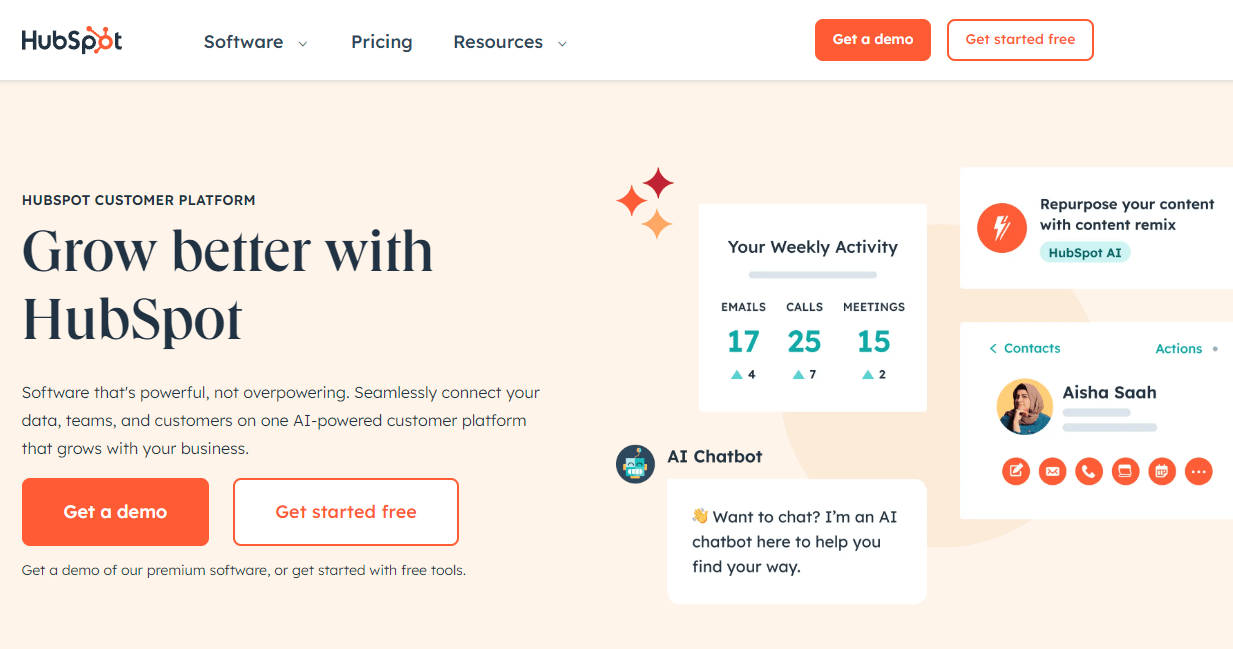
HubSpot is a comprehensive platform offering a suite of AI-powered marketing tools designed to assist businesses in attracting, engaging, and delighting customers throughout the entire customer journey. With HubSpot’s CRM, marketers can manage customer relationships effectively, while its email marketing, social media management, and analytics tools leverage AI to optimize campaigns and drive better results. HubSpot’s AI-driven solutions empower marketers to personalize content, automate tasks, and gain valuable insights into customer behavior, ultimately helping businesses grow and succeed in the digital landscape.
2. Google Ads
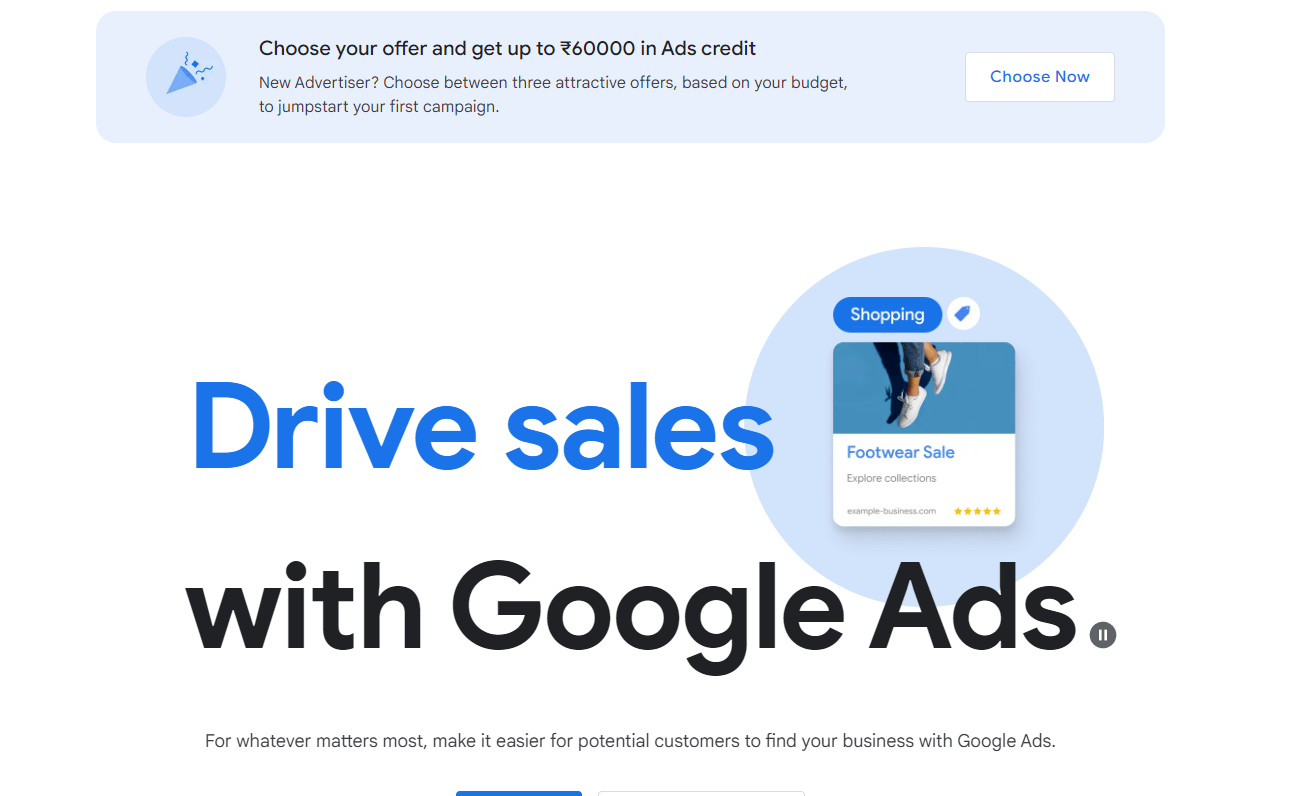
Google Ads is a powerful advertising platform that harnesses the power of AI to optimize ad targeting, bidding strategies, and ad performance across Google’s extensive advertising network. By analyzing vast amounts of data in real-time, Google Ads ensures that advertisers reach their target audience effectively, maximize ROI, and drive measurable results. With its AI-driven algorithms, Google Ads continuously optimizes campaigns to deliver the right message to the right audience at the right time, helping businesses achieve their advertising goals and grow their customer base.
3. IBM Watson Marketing
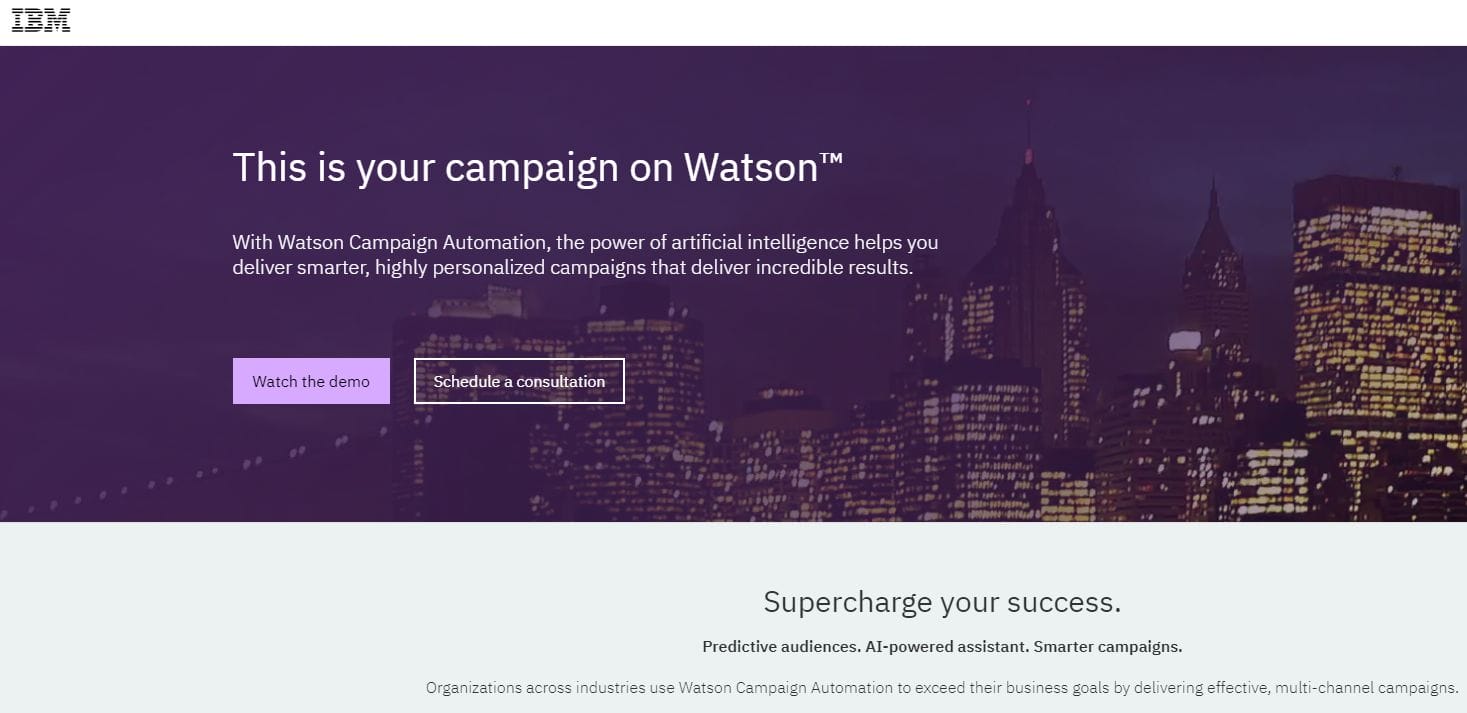
IBM Watson Marketing offers AI-powered solutions for customer analytics, personalized marketing campaigns, and predictive insights. Leveraging the cognitive capabilities of IBM Watson, marketers can gain deeper insights into customer behavior, preferences, and trends, enabling them to create highly targeted and engaging campaigns. IBM Watson Marketing’s AI-driven analytics and predictive modeling tools empower marketers to anticipate customer needs, optimize marketing strategies, and deliver personalized experiences that drive better customer engagement and outcomes.
4. AdRoll
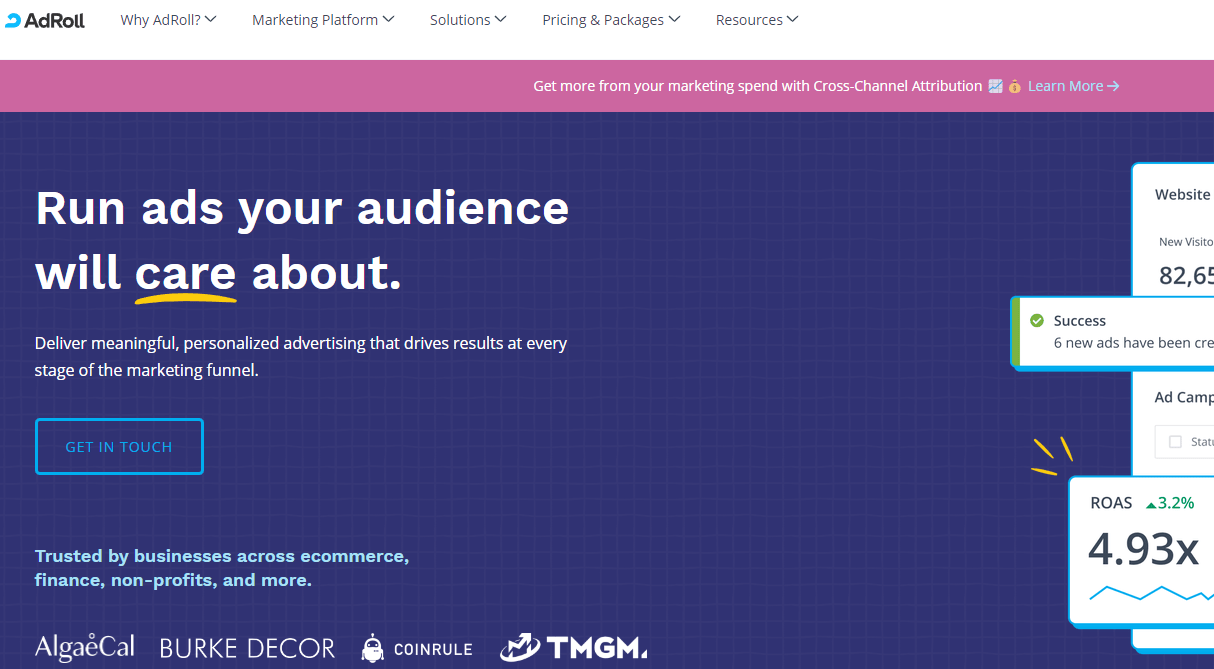
AdRoll is a leading retargeting platform that harnesses AI technology to deliver personalized ads across multiple channels, including social media, email, and the web. With its AI-driven retargeting capabilities, it helps businesses re-engage website visitors, nurture leads, and drive conversions effectively. By analyzing customer data and behavior, AdRoll’s AI algorithms ensure that ads are delivered to the right audience at the right time, maximizing engagement and ROI for advertisers. With its comprehensive suite of AI-powered retargeting tools, AdRoll enables businesses to create highly targeted and effective advertising campaigns that drive results.
5. Optimizely
Optimizely is a leading experimentation and optimization platform that empowers businesses to improve website and mobile app performance through AI-driven testing and personalization. With Optimizely’s AI-powered experimentation tools, marketers can test different variations of content, layouts, and features to identify the most effective strategies for driving engagement and conversion. By leveraging AI algorithms to analyze user behavior and preferences, Optimizely enables marketers to deliver personalized experiences that resonate with their audience and drive better results. With its intuitive interface and powerful AI-driven capabilities, Optimizely helps businesses optimize their digital experiences and achieve their marketing goals.
6. Chatfuel
Chatfuel is a leading chatbot platform that utilizes AI technology to create conversational experiences on messaging platforms such as Facebook Messenger. By leveraging AI, Chatfuel enables businesses to automate customer support, lead generation, and sales processes through interactive chatbots. With its intuitive interface and powerful AI capabilities, Chatfuel helps businesses deliver personalized and engaging experiences to their audience, ultimately driving better engagement and conversion.
7. Albert
Albert is an AI-powered marketing platform that revolutionizes digital marketing campaigns by autonomously managing and optimizing across channels. Using sophisticated machine learning algorithms, Albert analyzes vast amounts of data to drive better performance and results for marketers. From campaign management to audience targeting and optimization, Albert’s AI capabilities enable marketers to achieve their goals more efficiently and effectively. With its ability to adapt and learn in real time, Albert empowers marketers to stay ahead of the curve and drive continuous improvement in their digital marketing efforts.
8. Phrasee
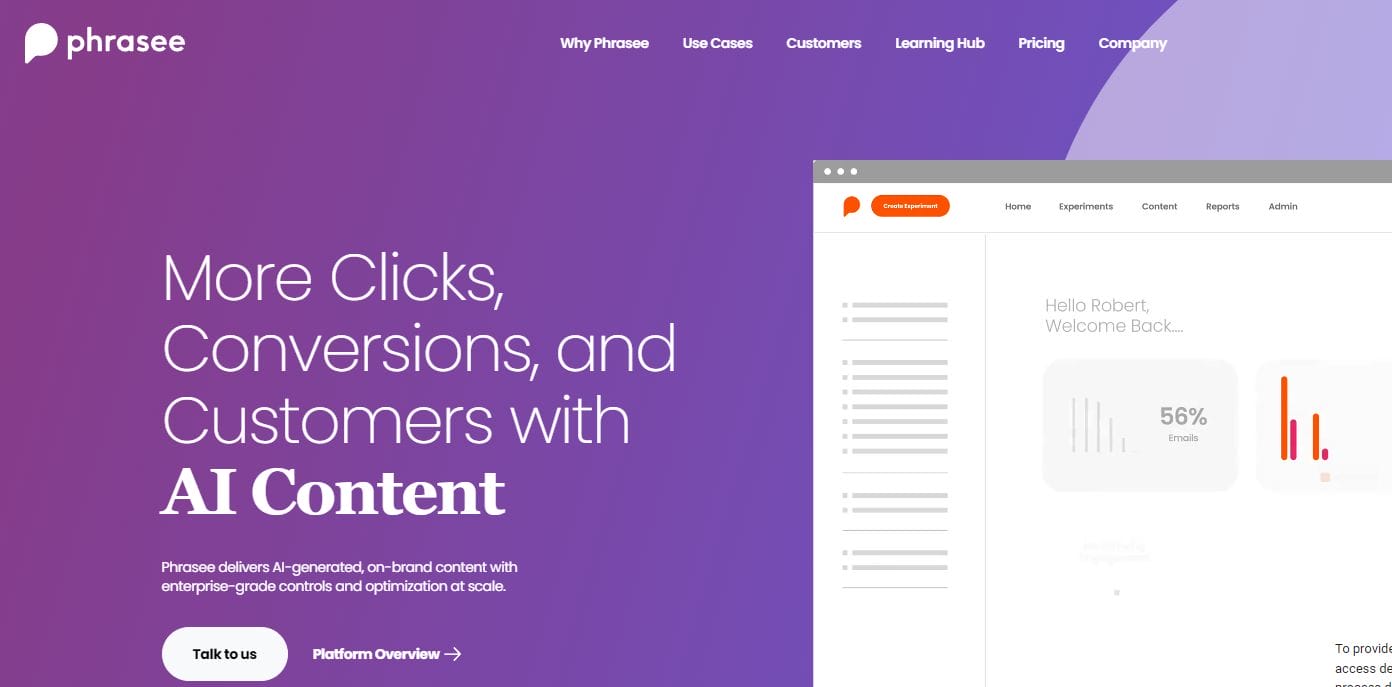
Phrasee is a leading AI-powered copywriting tool designed to generate optimized marketing copy for email subject lines, social media posts, and digital ads. By analyzing language patterns and performance data, Phrasee’s AI algorithms create compelling and engaging content that resonates with audiences and drives better engagement and conversion rates. With its user-friendly interface and powerful AI capabilities, Phrasee helps marketers unlock the full potential of their marketing campaigns and achieve better results.
9. WordStream
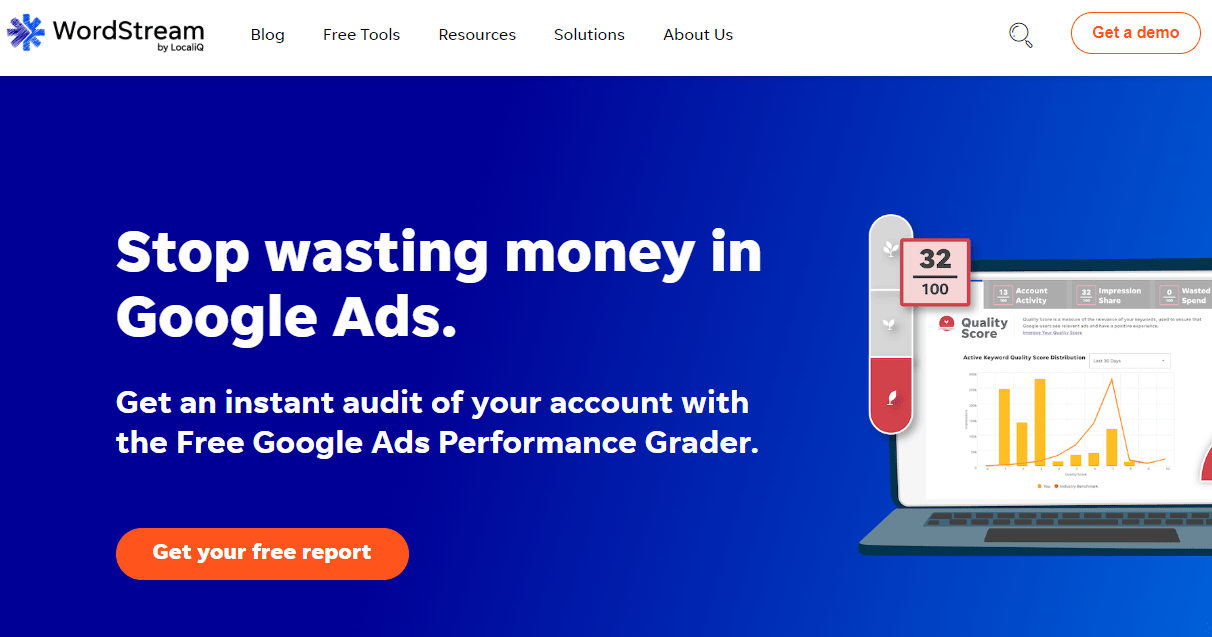
WordStream offers AI-powered advertising solutions for Google Ads, Facebook Ads, and Microsoft Advertising, helping marketers optimize ad campaigns, improve targeting, and increase ROI. With its suite of AI-driven tools, WordStream analyzes campaign performance data and provides actionable insights and recommendations to enhance ad performance and drive better results. Whether it’s keyword optimization, bid management, or ad copy testing, WordStream’s AI capabilities enable marketers to maximize the impact of their advertising efforts and achieve their business objectives.
10. Pardot
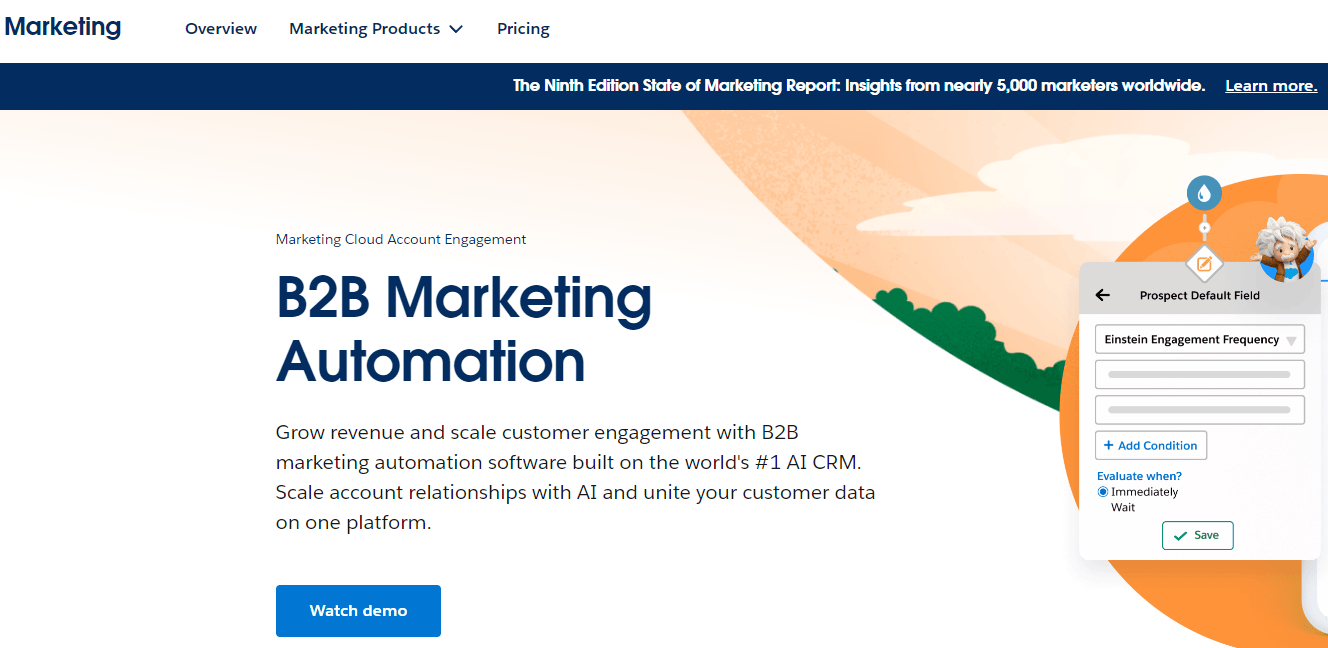
Pardot, a B2B marketing automation platform by Salesforce, leverages AI to streamline lead management, nurture campaigns, and email marketing. With its AI-powered features, Pardot enables marketers to deliver personalized experiences to prospects and customers, driving engagement and revenue growth. From lead scoring and segmentation to automated email workflows and dynamic content, Pardot’s AI capabilities empower marketers to create targeted and impactful campaigns that resonate with their audience and drive results.
Also Read: 5 Best AI Tools For Content Writers (2024)
Role of AI Tools for Digital Marketers
AI tools are crucial in empowering digital marketers with advanced capabilities to optimize their strategies, streamline processes, and drive better results. Some key roles of AI tools for digital marketers include:
- Data Analysis and Insights: AI tools analyze vast amounts of data to uncover valuable insights into customer behaviors, preferences, and trends. By processing and interpreting data more efficiently than humans, AI helps marketers make data-driven decisions and refine their strategies for better performance.
- Personalization and Targeting: AI tools enable marketers to personalize content, offers, and recommendations based on individual customer profiles and behaviors. By leveraging AI algorithms to analyze customer data and predict preferences, marketers can deliver highly targeted and relevant messages that resonate with their audience.
- Automation of Routine Tasks: AI tools automate repetitive tasks such as data entry, scheduling, and reporting, freeing up marketers’ time to focus on more strategic activities. Automation streamlines workflow processes increases productivity, and allows marketers to allocate their resources more efficiently.
- Optimization of Marketing Campaigns: AI tools optimize marketing campaigns in real time by analyzing performance metrics and adjusting strategies accordingly. From ad targeting and bidding to content optimization and A/B testing, AI algorithms continuously monitor and optimize campaigns to maximize ROI and achieve marketing objectives.
- Customer Engagement and Interaction: AI-powered chatbots and virtual assistants enable personalized and automated interactions with customers across various touchpoints, such as websites, social media platforms, and messaging apps. These AI-driven interactions provide immediate assistance, answer queries, and guide users through the customer journey, enhancing engagement and satisfaction.
- Predictive Analytics and Forecasting: AI tools use predictive analytics to forecast future trends, behaviors, and outcomes based on historical data and patterns. By predicting customer churn, demand fluctuations, and market trends, AI helps marketers anticipate changes and proactively adjust their strategies to stay ahead of the curve.
- Content Creation and Optimization: AI tools assist marketers in creating and optimizing content by generating headlines, writing copy, and recommending keywords. Through natural language processing (NLP) and machine learning algorithms, AI can produce high-quality, engaging content that resonates with the target audience and aligns with SEO best practices.

Conclusion
In conclusion, the adoption of AI tools has revolutionized the landscape of digital marketing, offering many benefits and opportunities for marketers to enhance their strategies and drive better results. From data analysis and personalization to automation and predictive analytics, AI empowers marketers with advanced capabilities to optimize campaigns, streamline processes, and deliver exceptional customer experiences. As technology continues to evolve, a wealth of AI tools is available for digital marketers to explore and experiment with. By embracing innovation and staying abreast of the latest advancements in AI, marketers can stay ahead of the curve, adapt to changing consumer behaviors, and unlock new opportunities for growth and success in the dynamic digital landscape.

