

AI tools for supply chain management have emerged as indispensable assets in the contemporary business landscape, fundamentally transforming the way companies manage their operations. In the intricate web of global commerce, efficient supply chain management stands as a cornerstone for success, impacting everything from production and distribution to customer satisfaction. However, the complexity and scale of modern supply chains pose significant challenges, necessitating innovative solutions.
This is where AI steps in, offering a suite of advanced technologies capable of revolutionizing traditional supply chain practices. From demand forecasting and inventory optimization to logistics planning and supplier relationship management, AI tools bring unparalleled efficiency, agility, and intelligence to every stage of the supply chain. Incorporating a robust purchasing platform can complement AI tools, streamlining procurement processes and enhancing overall supply chain efficiency. As businesses increasingly recognize the strategic importance of leveraging AI in their operations, they embark on a journey toward enhanced productivity, cost savings, and competitive advantage.

Understanding the Role of AI in Supply Chain Management
In supply chain management, AI plays a pivotal role by leveraging advanced algorithms and machine learning to optimize various processes. It excels in demand forecasting, inventory management, logistics optimization, and supplier relationship management. AI enables accurate demand predictions, efficient inventory control, optimized route planning, and proactive supplier management. By harnessing the power of AI, businesses can achieve greater efficiency, agility, and cost savings throughout their supply chains, ultimately gaining a competitive edge in the market.
Also Read: 7 Best AI Tools for Online Learning (2024)
Top AI Tools for Supply Chain Management
1. Blue Yonder (formerly JDA Software)

Blue Yonder, formerly known as JDA Software, is a leading provider of AI-powered solutions for supply chain management. With a comprehensive suite of tools, Blue Yonder enables businesses to optimize their supply chain operations, from demand forecasting and inventory optimization to transportation management and warehouse automation. Leveraging advanced algorithms and machine learning techniques, Blue Yonder helps companies make data-driven decisions, improve forecast accuracy, minimize inventory holding costs, and enhance overall operational efficiency. By integrating AI-driven insights into their supply chain processes, businesses can adapt quickly to changing market conditions, reduce supply chain risks, and deliver exceptional customer experiences. Learn more about Blue Yonder
2. IBM Watson Supply Chain
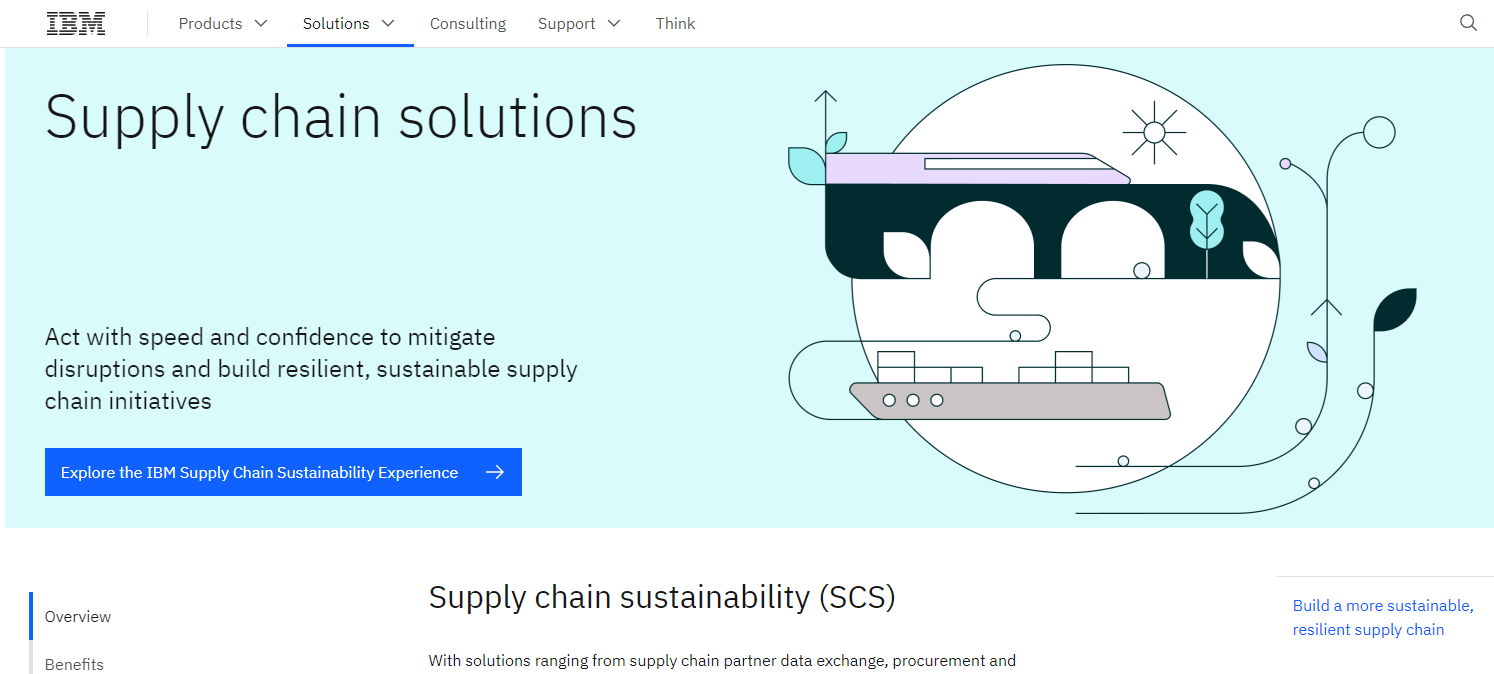
IBM Watson Supply Chain is a comprehensive suite of AI-powered solutions designed to revolutionize supply chain management. Leveraging IBM’s cutting-edge artificial intelligence platform, Watson, this suite offers advanced capabilities for demand forecasting, inventory optimization, logistics planning, and supplier management. IBM Watson Supply Chain employs machine learning algorithms to analyze vast amounts of data from multiple sources, including historical sales data, market trends, and weather patterns, to generate accurate demand forecasts and optimize inventory levels. Additionally, the platform utilizes natural language processing (NLP) and cognitive computing to enable real-time insights and decision-making, enhancing supply chain visibility and agility. With its scalable architecture and flexible deployment options, IBM Watson Supply Chain can be tailored to meet the unique needs of businesses across industries, empowering them to streamline operations, reduce costs, and deliver exceptional customer experiences. Learn more about IBM Watson Supply Chain
3. Llamasoft Supply Chain Guru
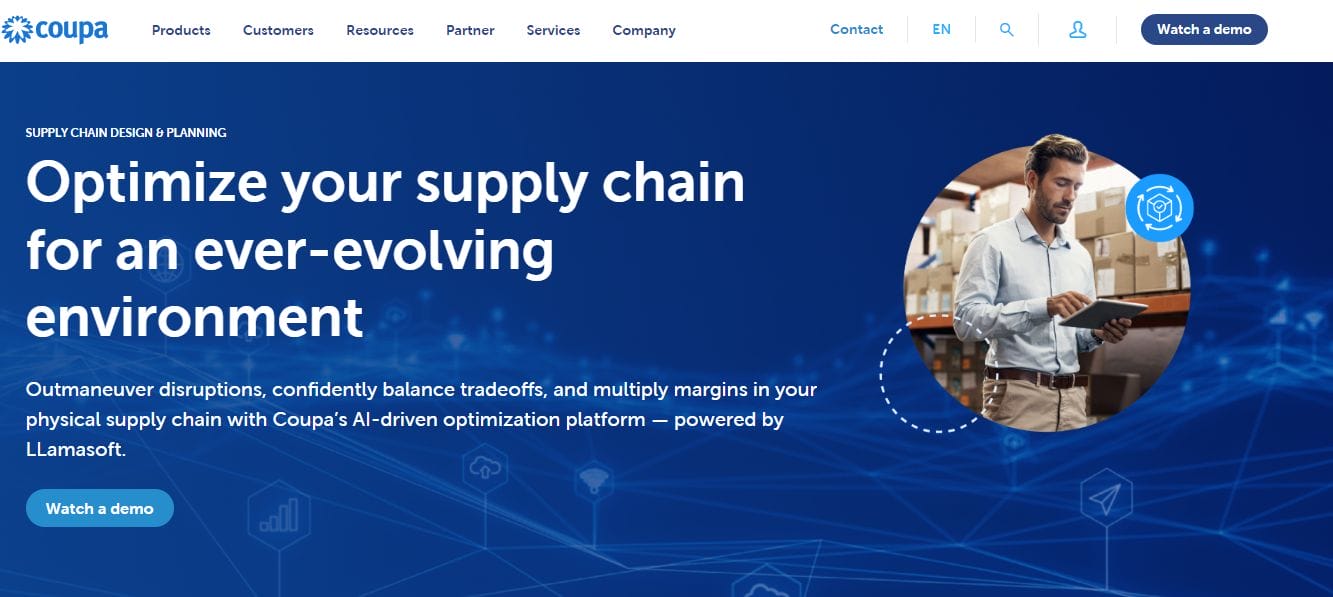
Llamasoft Supply Chain Guru is a leading AI-powered supply chain design and optimization platform. Utilizing advanced modeling techniques and optimization algorithms, Llamasoft Supply Chain Guru enables businesses to design, simulate, and optimize their end-to-end supply chain networks. The platform provides capabilities for network optimization, transportation optimization, inventory optimization, and scenario analysis, helping businesses identify opportunities to reduce costs, improve service levels, and enhance overall supply chain performance. With its intuitive interface and powerful analytical capabilities, Llamasoft Supply Chain Guru empowers supply chain professionals to make strategic decisions that drive operational excellence and deliver measurable business value. Learn more about Llamasoft Supply Chain Guru
Also Read: 5 Best AI Tools For Contract Management 2024
4. ToolsGroup SO99+
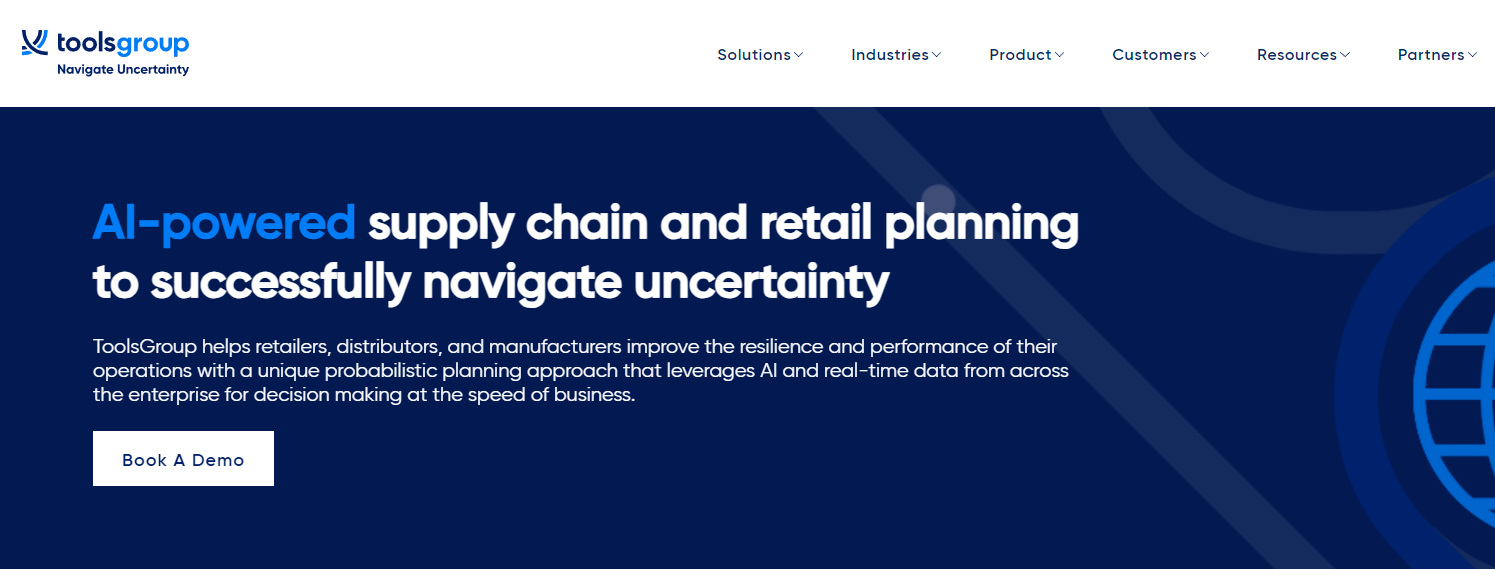
ToolsGroup SO99+ is a market-leading AI-driven supply chain planning and optimization platform. Leveraging advanced machine learning algorithms and demand sensing capabilities, ToolsGroup SO99+ helps businesses achieve high service levels with minimal inventory investment. The platform provides capabilities for demand forecasting, inventory optimization, replenishment planning, and sales and operations planning (S&OP), enabling businesses to optimize their end-to-end supply chain processes and respond quickly to changing market dynamics. With its robust analytics and scenario planning capabilities, ToolsGroup SO99+ empowers supply chain professionals to make informed decisions that drive business growth and improve customer satisfaction. Learn more about ToolsGroup SO99+
5. Oracle AI Applications for Supply Chain Management
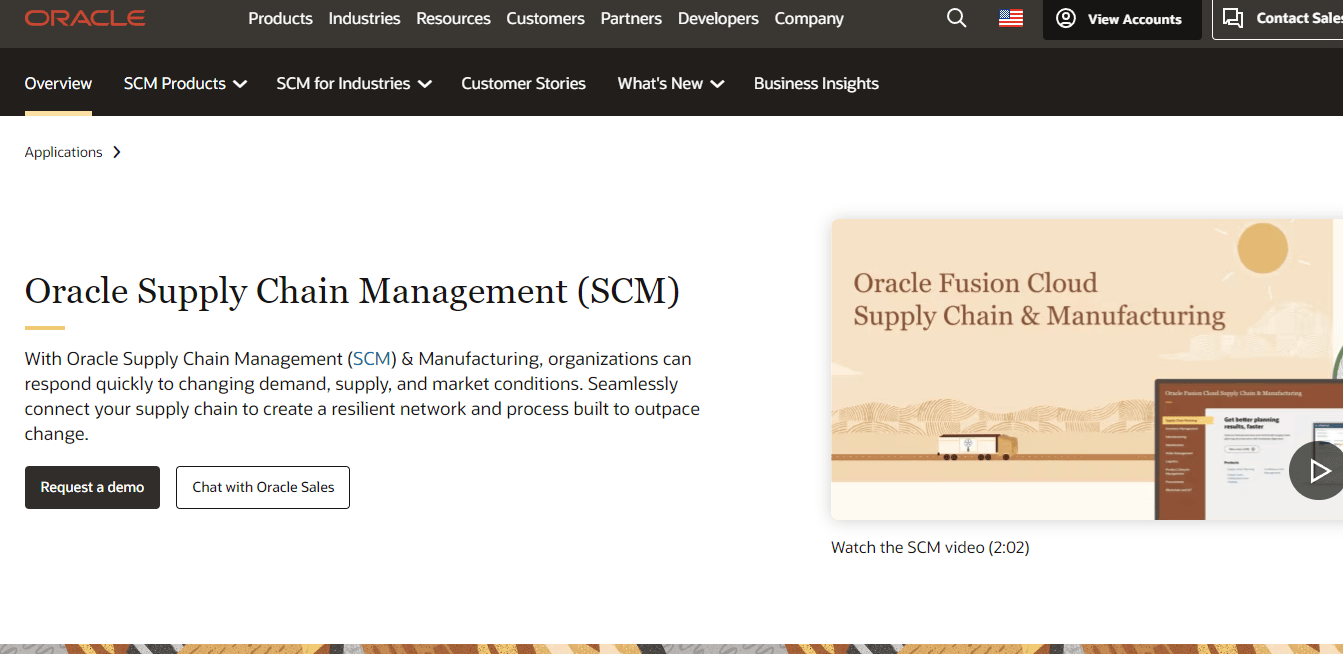
Oracle AI Applications for Supply Chain Management is a suite of AI-powered solutions designed to optimize supply chain operations and improve decision-making processes. Leveraging Oracle’s expertise in cloud technology and AI, these applications provide advanced capabilities for demand forecasting, inventory optimization, supply planning, and order management. By analyzing vast amounts of data from internal and external sources, Oracle AI Applications for Supply Chain Management helps businesses improve forecast accuracy, reduce inventory holding costs, and enhance overall supply chain efficiency. With its scalable and flexible architecture, these applications can be easily integrated with existing systems and tailored to meet the unique needs of each organization. Learn more about Oracle AI Applications for Supply Chain Management
Also Read: How to Rename BuddyPress Profile Nav Items
Integration and Implementation Challenges
Integration and Implementation Challenges:
- The complexity of existing supply chain infrastructure and data silos: Many organizations have intricate supply chain networks with multiple systems and processes in place. These systems may not communicate effectively with each other, leading to data silos and inefficiencies. Integrating AI tools into such complex infrastructures requires careful planning and coordination to ensure seamless data flow and interoperability.
- Fragmentation and inconsistency of data across systems: Data fragmentation occurs when information is scattered across different databases, applications, or departments within an organization. Inconsistent data formats, naming conventions, and quality issues further exacerbate this challenge, making it difficult to aggregate and analyze data for AI-driven insights.
- Lack of compatibility with legacy systems: Legacy systems, often outdated or proprietary, may not support the advanced analytics and integration capabilities required by AI tools. Upgrading or replacing these systems to ensure compatibility with modern AI solutions can be costly and time-consuming, posing a significant barrier to implementation.
- Limited expertise and resources for AI implementation: Implementing AI tools requires specialized technical expertise in areas such as data science, machine learning, and software development. Many organizations lack in-house talent or resources to effectively deploy and maintain AI solutions, leading to implementation challenges and delays.
- Resistance to change and cultural barriers within the organization: Resistance to change is a common barrier to AI adoption, particularly among employees who may fear job displacement or lack confidence in new technologies. Overcoming cultural resistance and fostering a culture of innovation and collaboration are essential for successful AI implementation.
- Uncertainty about the ROI and business value of AI initiatives: Despite the potential benefits of AI in supply chain management, organizations may struggle to quantify the return on investment (ROI) or demonstrate the tangible business value of AI initiatives. Establishing clear metrics and success criteria upfront can help address this uncertainty and justify investment in AI.
- Security and privacy concerns related to data sharing and access: AI tools rely on large volumes of data to train algorithms and generate insights. However, concerns about data security, privacy, and compliance with regulations such as GDPR or HIPAA may hinder data sharing and access, complicating AI implementation efforts.
- Difficulty in identifying and prioritizing AI use cases: With a wide range of AI applications available, organizations may find it challenging to identify the most suitable use cases for their specific supply chain challenges. Prioritizing use cases based on strategic objectives, feasibility, and potential impact is crucial for effective AI implementation.
- Potential disruptions to existing workflows and processes: Implementing AI tools often involves changes to existing workflows, processes, and roles within the organization. Managing these changes effectively and minimizing disruptions to day-to-day operations is essential for ensuring smooth AI adoption and acceptance.
- Integration with third-party vendors and partners: Supply chains are often interconnected ecosystems involving multiple stakeholders, including suppliers, manufacturers, distributors, and logistics providers. Integrating AI tools with third-party systems and partners’ infrastructure requires collaboration, data sharing agreements, and interoperability standards.
- Regulatory compliance requirements for data handling and processing: Organizations must adhere to various regulatory requirements governing data handling, processing, and privacy, particularly when implementing AI solutions. Ensuring compliance with relevant regulations and standards is essential for mitigating legal risks and maintaining stakeholder trust.
Addressing these integration and implementation challenges requires a strategic approach, collaboration across departments, and a commitment to ongoing learning and adaptation.
Also Read: Best AI Tools for Customer Relationship Management (CRM)
Future Trends and Opportunities
Here are some best future trends and opportunities
- Advanced Predictive Analytics: Continued advancements in AI and machine learning will enable more accurate and granular predictive analytics capabilities in supply chain management. This includes improved demand forecasting, inventory optimization, and risk prediction, allowing businesses to anticipate market trends and mitigate potential disruptions proactively.
- AI-driven Automation: The integration of AI-powered automation technologies, such as robotic process automation (RPA) and autonomous vehicles, will revolutionize supply chain operations. From automated order processing and warehouse management to driverless delivery vehicles, AI-driven automation will streamline processes, reduce costs, and enhance efficiency across the entire supply chain.
- Real-time Visibility and Tracking: The proliferation of IoT devices and sensor technology will enable real-time tracking and monitoring of goods throughout the supply chain. AI algorithms will analyze streaming data from these devices to provide actionable insights into inventory levels, shipment status, and asset performance, enabling businesses to optimize logistics operations and improve customer service.
- Blockchain-enabled Supply Chains: Blockchain technology will play an increasingly important role in supply chain management, providing greater transparency, traceability, and security across complex supply networks. AI algorithms will leverage blockchain data to track product provenance, verify authenticity, and streamline transactions, reducing fraud, counterfeiting, and supply chain disputes.
- Personalized Supply Chains: AI-driven personalization will enable businesses to tailor their supply chain processes to individual customer preferences and behavior. By analyzing customer data and market trends, AI algorithms will recommend personalized products, pricing, and delivery options, enhancing customer satisfaction and loyalty.
- Sustainable and Ethical Supply Chains: AI tools will help businesses optimize their supply chains for sustainability and ethical practices. This includes identifying environmentally friendly sourcing options, optimizing transportation routes to reduce carbon emissions, and ensuring compliance with labor and human rights standards. AI-driven analytics will enable businesses to measure and report on their sustainability performance, enhancing brand reputation and stakeholder trust.
- Collaborative Supply Chain Networks: AI-enabled collaboration platforms will facilitate greater collaboration and information sharing among supply chain partners. By connecting manufacturers, suppliers, distributors, and retailers in real-time, these platforms will improve supply chain visibility, coordination, and responsiveness, enabling faster decision-making and problem-solving.
- Continuous Innovation: The pace of innovation in AI and supply chain management will continue to accelerate, driving new opportunities for efficiency, agility, and competitiveness. Businesses that embrace emerging technologies and adopt a culture of innovation will be well-positioned to thrive in an increasingly dynamic and competitive global marketplace.

Conclusion
In conclusion, the transformative role of AI in supply chain management cannot be overstated. From demand forecasting and inventory optimization to logistics planning and supplier relationship management, AI has revolutionized traditional practices and introduced unprecedented levels of efficiency and intelligence. By leveraging advanced algorithms and machine learning techniques, AI tools empower businesses to analyze vast amounts of data, make informed decisions in real time, and optimize every aspect of their supply chain operations.
However, the key to unlocking the full potential of AI lies in selecting the right tools tailored to specific business needs. With a multitude of AI solutions available, businesses must carefully evaluate their requirements, consider factors such as scalability, compatibility, and ease of integration, and choose AI tools that align with their strategic objectives and operational workflows. Therefore, I urge businesses to explore and adopt AI solutions for a more efficient and agile supply chain. By embracing AI-driven innovation, businesses can gain a competitive edge, adapt to changing market dynamics, and drive sustainable growth in the digital age.
Interesting Read:
How to Create Your Social Networking Website?
Take The Stress Out Of Best Online Community Platforms
Building an Online Community From Scratch: The Definitive Guide

