
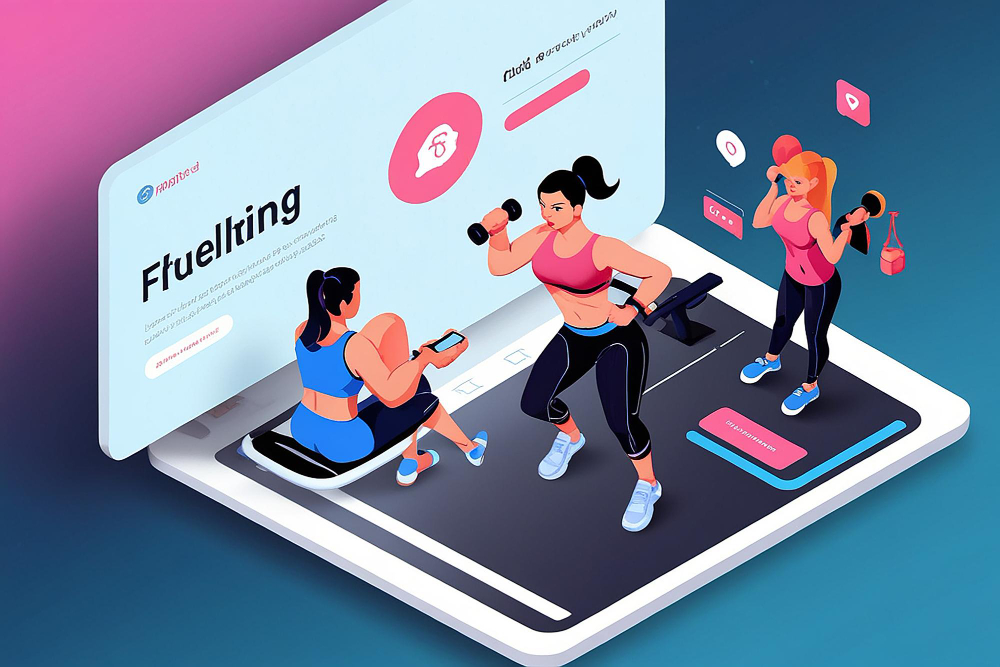
The fastest-growing fitness communities in 2026 are built on owned platforms, not rented space inside a social media group. A dedicated fitness and personal training network website gives trainers, gym owners, and wellness entrepreneurs a space to connect members, run challenges, deliver programming, and monetize expertise, all under their own brand rather than an algorithm-controlled feed that can change the rules or bury their content overnight. The best stack for this: WordPress with BuddyX Pro, BuddyPress, and plugins for gamification and service booking. Here’s how to build it.
Why a Fitness Network Website Is Worth Building
A fitness and personal training network website brings together people who share a passion for health and wellness in a structured, focused environment. Unlike social media, where fitness discussions get buried in unrelated content and a trainer’s posts compete for attention against everything else in a follower’s feed, a dedicated community keeps every interaction on topic and every member actually there because they care about the subject.
There’s also a data ownership angle that matters more than most trainers realize until they’ve lost access to a platform once. A social media account, no matter how many followers it’s accumulated, can be suspended, shadowbanned, or deprioritized by an algorithm change with zero warning and no real recourse. A community built on your own domain and your own database means the member list, the engagement history, and the relationships built over years stay yours regardless of what any third-party platform decides to change next.
From a business perspective, owning your platform creates multiple monetization paths: premium workout programs, tiered membership plans, one-on-one coaching services, and virtual training subscriptions. You control the content, the pricing, and the member experience, and none of it disappears if a social platform changes its algorithm, restricts organic reach, or bans a specific type of promotional content overnight. That kind of platform risk has burned plenty of fitness businesses that built their entire following on rented ground.
What Makes a Successful Fitness Community Website?
An effective fitness community website keeps members motivated, connected, and coming back. The core requirements:
- Easy registration and profile setup so members can personalize their fitness journey from the first visit.
- Groups and forums for different training styles, goals, or challenges, so members find their specific niche rather than a generic catch-all feed.
- Activity tracking and progress sharing tools that make consistency visible and worth celebrating.
- Live workout or content delivery capabilities for members who want structured programming, not just discussion.
- Mobile responsiveness, since most members will check in and log activity from their phones, often mid-workout.
- Monetization tools for trainers offering paid programs or coaching directly through the platform.
How to Set Up Your Fitness Network Website
1. Choose a Domain and Hosting
Start with a domain name that reflects your fitness brand and a reliable hosting provider that can handle video content and community traffic without performance problems. Managed WordPress hosts like Kinsta or WP Engine work well for community-heavy sites, since they’re built to handle the database load that comes with active member profiles, activity feeds, and frequent uploads.
2. Install WordPress and BuddyX Pro
Install WordPress, then activate BuddyX Pro, the theme built specifically for BuddyPress-powered communities. BuddyX Pro gives you member profiles, activity streams, groups, private messaging, and a community-first layout from day one, without needing custom development or a developer on retainer just to get the basics working.
3. Set Up BuddyPress and Community Features
Install BuddyPress and configure member profiles, groups, and activity feeds. Create groups for different fitness disciplines, strength training, HIIT, yoga, nutrition, so members can find their niche within the larger community instead of a single undifferentiated discussion thread trying to serve everyone at once.
4. Add Gamification for Challenges and Motivation
Fitness communities thrive on accountability and friendly competition, arguably more than almost any other niche. WB Gamification adds points, badges, leaderboards, and achievement levels to your WordPress community. Members earn points for logging workouts, completing challenges, posting in forums, and hitting milestones, which drives consistent engagement and keeps members motivated on the days between sessions when showing up is hardest.
5. Enable Trainer Service Bookings
Personal trainers and coaches can monetize their expertise directly on your platform with WP Sell Services Pro. It lets trainers list coaching packages, set pricing, and accept bookings, turning your community site into a marketplace where members can hire experts without ever leaving the platform to find them elsewhere.
6. Run Polls and Collect Member Input
Keep the community direction member-driven by using WordPress Polls to vote on upcoming challenge themes, preferred workout formats, or content topics. Polls generate high engagement with minimal effort from admins, and they make members feel genuinely invested in shaping where the community goes next rather than just consuming whatever gets posted.
Key Features to Include
Member Profiles and Fitness Tracking
BuddyX Pro personalizes the member experience with profile pages where users can share their fitness goals, achievements, and progress. Members can update their stats and share milestones with the community, which turns a solo fitness journey into something visibly shared with people who understand exactly what a personal best actually means.
Group Challenges and Events
Community challenges, thirty-day plans, weekly competitions, monthly leaderboards, are consistently the highest-engagement content format in fitness communities. BuddyPress groups make it straightforward to run these at scale, and WB Gamification tracks participation and ranks members automatically, so nobody’s manually tallying scores in a spreadsheet every week.
Job Board for Fitness Professionals
For larger networks, a job board or freelance listings section lets fitness professionals find work through the community. Trainers seeking clients and gym owners seeking staff can connect within the platform, which adds an entirely separate revenue and retention angle beyond the core social features.
Nutrition and Habit Tracking Groups
Fitness results depend as much on nutrition and daily habits as on structured workouts, and communities that only cover training leave a substantial part of the member experience unaddressed. A dedicated nutrition group, staffed by a coach or nutritionist if your platform includes one, or simply moderated peer-support for members sharing meal plans and habit-tracking wins, extends engagement well beyond workout days specifically. Members who are between training sessions still have a reason to check in, log a meal, or ask a nutrition question, which keeps the platform relevant on rest days instead of only during active training windows.
Video Content and Live Streaming
Integrate workout video libraries and live streaming for virtual training sessions. This extends your platform’s value well beyond discussion and makes it a genuine destination members return to for actual workouts, not just a place to chat between gym visits.
Handling Growth Once the Community Takes Off
A fitness community that’s succeeding brings its own new set of problems, and planning for them before they hit avoids a scramble later. Growing member volume means moderation needs to scale beyond a single admin manually reviewing every post, which is exactly where delegated moderator roles and a clear reporting system become necessary rather than optional. Video content and live streaming, if the platform offers them, start to strain hosting resources faster than text-based activity does, so keeping an eye on bandwidth and storage costs as usage climbs prevents an unpleasant hosting bill surprise a few months into rapid growth.
Success also tends to surface feature requests faster than a single trainer or small team can build them. Prioritizing based on what actually drives engagement and retention, rather than building whatever the loudest member requested most recently, keeps development effort pointed at what moves the community forward instead of chasing every individual suggestion that comes in through the feedback channel.
Standing Out From General-Purpose Fitness Apps
Members already have access to major fitness apps with polished interfaces and huge content libraries, so a niche community website needs a genuinely different value proposition to compete for attention. The advantage a dedicated community has over those apps isn’t production polish, it’s specificity and relationship. A general fitness app serves millions of anonymous users with generic programming. A dedicated community serves a specific group, powerlifters training for a meet, new parents rebuilding fitness postpartum, endurance athletes training for a specific event, with programming and peer support tailored to exactly that shared context.
That specificity is also what justifies charging for access when free alternatives exist everywhere. Members pay for community and expertise, not just workout content, since workout content alone is genuinely commoditized at this point. A trainer who shows up, answers questions, and builds real relationships with community members offers something no general-purpose app can replicate, no matter how good that app’s algorithm-generated program feels on paper.
Choosing the Right Membership Structure
Most successful fitness communities settle into one of a few membership models, and picking the right one early saves a painful restructuring later. A free-to-join community with paid coaching add-ons works well for trainers building an audience first and monetizing coaching relationships second. A fully gated, subscription-based model suits established brands with a proven audience willing to pay for access from day one. A hybrid, free community access with premium content, programs, or coaching tiers layered on top, tends to give the widest reach while still generating real revenue, and it’s the model most fitness communities eventually converge on once they’ve tested what their specific audience actually values enough to pay for.
Keeping Members Engaged Past the First Month
The hardest part of running a fitness community isn’t the initial sign-up wave, it’s keeping members active once the novelty wears off, which in fitness specifically tends to happen faster than in most other niches given how common it is for New Year’s resolutions and initial motivation to fade by February. A few patterns consistently keep retention higher: recurring challenges with a fixed start and end date create natural re-engagement points throughout the year rather than relying on constant, open-ended motivation. Visible progress tracking, tied into the gamification system, gives members a concrete reason to check back in even on days they don’t feel like posting. And direct trainer involvement, coaches actually showing up in group discussions and responding to member posts, makes the difference between a community that feels alive and one that quietly goes quiet within a few weeks of launch.
Why BuddyX Pro Is the Right Theme for This
BuddyX Pro is designed for exactly this type of community. Key advantages:
- Native BuddyPress integration for all social and community features, with no compatibility patchwork needed.
- LearnDash, TutorLMS, and LifterLMS support for delivering structured fitness programs alongside the social layer.
- WooCommerce compatibility for selling merchandise, plans, or digital products directly through the same site.
- PMPro and other membership plugin integrations for tiered access levels, from free to premium to one-on-one coaching.
- Fully responsive layout optimized for mobile use, which matters enormously for a fitness audience checking in from the gym floor.
- Extensive customization options to match your fitness brand’s look and feel without needing a custom theme build.
These integrations matter because a fitness community rarely stays purely social for long. A group of members who bond over shared training goals naturally wants structured programs, merchandise, or paid coaching eventually, and building on a theme that already supports those paths avoids the awkward, costly rebuild that happens when a purely social platform tries to bolt on ecommerce or membership features years after launch.
Launching Without a Full Member Base Already in Place
Most trainers building a community website don’t start with thousands of ready members, and that’s fine, but it does mean the early launch strategy needs to account for a quiet start rather than assuming instant activity. Seeding the community with an initial cohort of existing clients or followers before opening registration widely gives new visitors something active to join rather than an empty forum with zero posts, which tends to kill first impressions fast. Running a founding-member promotion, discounted or free access for an early group in exchange for active participation and feedback, is a common and effective way to build that initial critical mass before a broader marketing push.
It also helps to launch with a fixed-length challenge or program rather than an open-ended, ongoing community from day one. A four-week or eight-week structured challenge gives early members a concrete reason to show up regularly and a natural point to invite friends to join mid-program, which tends to generate more organic growth in the first few months than an undefined, always-open community structure would.
Content Strategy Beyond the Community Feed
A fitness community’s activity feed handles the social side, but pairing it with a genuine content library extends the platform’s value well past what any single social post can deliver. Structured programs, an eight-week strength progression, a nutrition guide, a mobility routine, give members a clear path to follow rather than relying entirely on scattered forum advice. Delivering that content through an LMS layer like LearnDash or TutorLMS, both of which BuddyX Pro supports natively, turns a static PDF workout plan into something trackable, with completion progress members can see and share back into the community feed.
This pairing matters more than it might seem. A community with only social features tends to plateau once the novelty of meeting other members wears off, while a community that also delivers structured, ongoing value, real programming members can follow week after week, gives people an actual reason to keep their subscription active beyond social habit alone.
Pricing Coaching and Programs Realistically
Trainers new to selling directly through their own platform often underprice their first offerings out of uncertainty about what the market will bear. A useful starting point: research what comparable coaching packages cost through established platforms and marketplaces, then price your own offerings competitively rather than deeply undercutting, since a price that’s too low signals lower quality just as easily as it signals accessibility. WP Sell Services Pro’s flexible package and pricing structure makes it easy to test a few different tiers, a lower-cost group program alongside a premium one-on-one option, and see which one your specific community actually responds to before committing to a single pricing model long-term.
It’s also worth building in a clear upgrade path from free community participation to paid services. Members who’ve been active in group challenges and forum discussions for a few months, and who’ve seen a trainer’s expertise firsthand through free content, convert to paid coaching at a meaningfully higher rate than someone arriving cold to a sales page with no prior relationship to the trainer or the community.
Building a Fitness Community That Lasts
Building a fitness and personal training network community website in 2026 is more achievable than ever with the right WordPress stack. BuddyX Pro provides the community infrastructure, WB Gamification drives member retention, WP Sell Services Pro enables trainer monetization, and WordPress Polls keeps the community engaged and heard. Together, they give you a complete platform that competes with expensive hosted fitness apps, without the recurring platform fees or the risk of a third-party app shutting down and taking your community with it.
Starting with the core BuddyPress and BuddyX Pro setup, then layering in gamification and monetization once the community has real members and real activity, keeps the build manageable instead of trying to launch every feature simultaneously. A fitness community that grows around genuine engagement first, with monetization tools ready to activate once that engagement is real, tends to outlast one built the other way around.
The trainers and gym owners who get the most out of this approach treat the website as a long-term asset rather than a quick project to finish and forget. Regularly reviewing which challenges got the most participation, which content members actually engaged with, and where drop-off tends to happen keeps the platform improving over time instead of stagnating a few months after launch, which is exactly the point where a lot of community projects quietly lose momentum if nobody’s paying attention to what’s actually working.
Interesting Reads:
Building a Best E-commerce Business Owners Community Website
How to Create a Blockchain & Web3 Professionals Forum Community Website
Create a Best Medical Practitioners Network Community Website