

The visual identity of a brand can make or break how the market perceives it. That’s where graphic design companies come in, crafting memorable logos, eye-catching marketing materials, and cohesive brand strategies that carry a business across every touchpoint a customer sees. Choosing the right design partner can meaningfully improve how well a brand connects with its audience, but the “right” agency looks very different depending on your budget, your industry, and the scale of work you actually need.
This guide breaks down what graphic design companies actually do, what to evaluate before hiring one, and a look at several respected agencies at different tiers, from the global brand consultancies behind some of the world’s most recognizable logos, to smaller, specialized studios and WordPress-focused design shops better suited to growing businesses that don’t need (or can’t afford) an enterprise-level retainer.
What Do Graphic Design Companies Do?
Graphic design companies specialize in creating visual content that communicates a message, strengthens brand identity, and engages an audience. Their work generally spans several core areas:
Brand identity development: logos, brand guidelines, and the visual system that defines a company’s recognizable identity.
Marketing materials: brochures, flyers, banners, and other promotional assets that support ongoing marketing campaigns.
Website design: user-friendly, visually coherent layouts that strengthen a brand’s online presence.
Social media graphics: engaging posts, cover images, and ad creative tailored to each platform’s format and audience.
Packaging design: product packaging that reflects brand identity and stands out on a shelf or in a product photo.
Infographics and illustration: turning data and abstract ideas into visually digestible, shareable formats.
What to Look for in a Graphic Design Company
1. Portfolio quality. Review the company’s past work for diversity, craft, and whether the style genuinely aligns with your brand’s direction rather than just looking impressive in isolation.
2. Industry experience. Agencies with proven experience in your industry, or with businesses at a similar scale, tend to ramp up faster and ask sharper questions early on.
3. Client testimonials and references. Reviews and direct references from past clients reveal far more about reliability and communication than a polished case study page ever will.
4. Range of services. Confirm the company actually offers what you need, branding, print, UI/UX, social graphics, rather than assuming a broad “creative agency” label covers everything.
5. Team expertise. Look into the specific team’s background, tools, and track record, especially for specialized work like packaging or motion design.
6. Customization over templates. Be wary of agencies pushing one-size-fits-all solutions. The best partners design around your brand’s actual identity rather than repurposing a formula that worked for a previous client.
Leading Global Design Agencies
The agencies below have built decades-long reputations working with some of the largest brands in the world. They’re worth studying for the caliber of their craft even if their retainers sit well outside a small business budget.
1. Pentagram

Pentagram is one of the world’s largest independently owned design consultancies, structured as a partnership of individual designers rather than a single centralized studio. Its multidisciplinary approach spans branding, digital, packaging, and environmental design.
- Known for: identity work for major global brands across finance, media, and entertainment
- Structure: a partnership model of independent designer-partners under one name
- Headquarters: New York, with additional studios internationally
2. Landor & Fitch

Formed from the merger of two long-established branding houses, Landor & Fitch is part of the WPP network and works primarily with large multinational clients on brand strategy and visual identity at global scale.
- Known for: large-scale rebranding and brand strategy work for multinational corporations
- Part of: the WPP advertising and marketing holding group
- Headquarters: London, with offices across multiple continents
3. MetaDesign

MetaDesign built its reputation on turning complex corporate identities into coherent visual systems, with particular strength in automotive and technology rebranding work.
- Known for: corporate identity systems and digital brand experience design
- Specialization: automotive, technology, and large-scale rebranding
4. Sagmeister & Walsh

Known for a bold, unconventional, and often provocative visual language, Sagmeister & Walsh pushes past traditional corporate design norms toward something more artistic and emotionally driven.
- Known for: experimental, emotionally driven brand and packaging design
- Founded by: Stefan Sagmeister, a widely recognized figure in contemporary graphic design
Also Read: Top 10 Digital Design Agencies 2025
5. Studio Dumbar / DEPT®

Studio Dumbar, now operating under the DEPT® network, is known for motion-driven, systems-based identity design that holds up across digital and physical touchpoints alike.
- Known for: motion graphics and dynamic, systems-based branding
- Headquarters: Rotterdam, Netherlands
6. Chermayeff & Geismar & Haviv

One of the longest-running identity design firms still operating, this studio is behind some of the most enduring corporate logos of the past six decades, work still recognized decades after it was originally designed.
- Known for: timeless, simplified logo design with lasting cultural recognition
- Headquarters: New York City
7. Huge

Huge blends user experience and graphic design into cohesive digital and print campaigns, positioning itself more as a digital transformation partner than a pure design studio.
- Known for: UX-driven digital campaigns for large consumer brands
- Headquarters: Brooklyn, New York
8. Wolff Olins
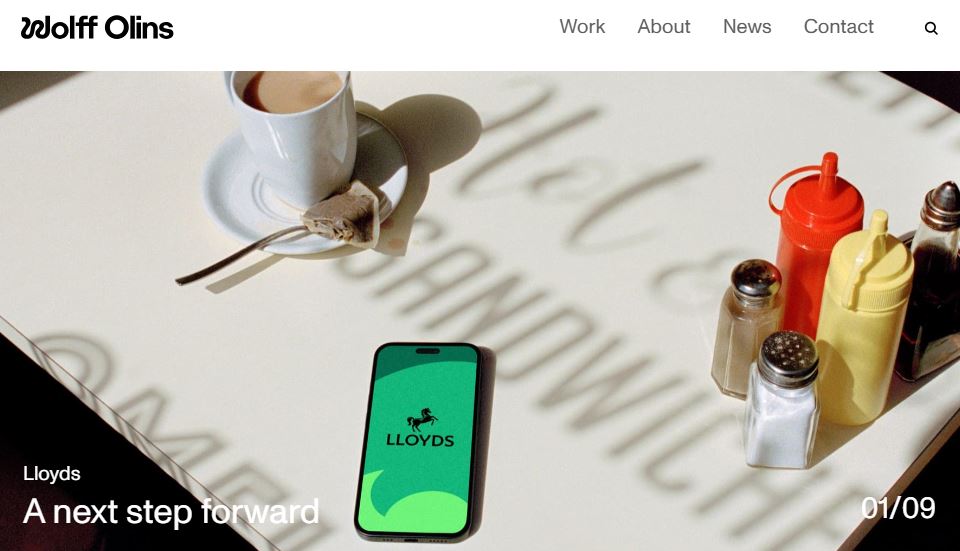
Wolff Olins focuses on transforming brand strategy through bold, distinctive identity systems designed to help large organizations stand out in crowded, competitive markets.
- Known for: ambitious brand strategy and identity work for technology and media companies
- Headquarters: London, with additional offices internationally
9. Frog Design

Frog Design blends creativity and technology, with a legacy in industrial and product design that extends into visual identity and digital experience work for large-scale clients.
- Known for: product-adjacent design and technically grounded visual systems
- Headquarters: San Francisco, with a global studio network
Where to Look for WordPress-Focused and Small Business Design Support
Global consultancies like the ones above are built for enterprise budgets and multi-year retainers, they’re rarely the right fit for a small business, a course creator, or a growing WordPress site that needs a professional brand identity without a six-figure engagement. If that’s your situation, a few practical alternatives tend to serve better:
Freelance design marketplaces connect you directly with individual designers whose portfolios you can review before committing, often at a fraction of an agency’s overhead cost. Vet freelancers the same way you’d vet an agency: check reviews, ask for references, and confirm they’ve delivered work at your scale before signing on.
Boutique branding studios that specialize in small business and startup identity work often deliver more attentive service than a large agency juggling enterprise accounts, since your project represents a meaningful share of their workload rather than a small line item.
WordPress theme and plugin companies with design expertise, agencies like Wbcom Designs, which builds WordPress themes and community plugins, understand how brand assets need to translate specifically into a working WordPress site, banners, headers, and layouts that hold up across a real content management system rather than existing only as static mockups. That practical, implementation-aware perspective is worth factoring in in addition to raw creative polish, especially if your brand identity needs to launch on a working website rather than live only as a brand deck.
Matching the Agency Tier to Your Actual Budget
A global consultancy retainer can run into six or seven figures annually, appropriate for a Fortune 500 rebrand, wildly disproportionate for a small business logo refresh. Before reaching out to any agency, get honest about your actual budget range and look for a partner operating at that tier rather than admiring portfolios you can’t realistically afford.
A useful rule of thumb: request a project-based quote rather than an open-ended retainer for a first engagement with any new design partner, regardless of size. It caps your exposure, gives you a concrete deliverable to evaluate, and makes it far easier to decide whether an ongoing relationship makes sense once you’ve seen how they actually work.
Red Flags Worth Watching For
A portfolio that only shows finished hero shots, with no process work, no client names, and no way to verify the projects are genuinely theirs, deserves a second look. Ask directly which pieces in a portfolio the person you’re talking to personally worked on, agencies sometimes showcase the studio’s best work broadly even when a specific salesperson or junior designer had limited involvement in it.
Be cautious of any agency promising a finished brand identity in an unreasonably short timeframe for the scope described. Quality identity work, research, concept development, revisions, typically takes weeks rather than days for anything beyond a simple logo mark, and a rushed timeline often shows up later as generic or poorly considered design choices.
What a Typical Engagement Actually Looks Like
Understanding the process before you sign anything helps set realistic expectations, regardless of which tier of agency you choose. Most identity projects, from a global consultancy or a boutique studio, follow a similar arc even if the timeline and price tag differ dramatically.
Discovery and research. A serious agency starts by asking about your business, competitors, and audience before opening any design software. If a company jumps straight to logo concepts in the first meeting without asking substantive questions about your brand strategy, that’s usually a sign of a shortcut rather than a good process.
Concept development. Expect two to four distinct creative directions, not dozens of near-identical variations. A smaller number of genuinely different concepts, each with a clear rationale, is a stronger signal of thoughtful work than a large volume of minor tweaks on a single idea.
Refinement and feedback rounds. Clarify upfront how many rounds of revisions are included in the quoted price. Unlimited revisions sounds appealing but often signals a project that will drag on indefinitely without a clear endpoint; two or three structured rounds with specific feedback usually produces a better result faster.
Delivery and brand guidelines. A complete engagement should end with source files (not just flattened images), color codes, font licenses where applicable, and a basic style guide showing how the identity applies across different contexts. If an agency’s deliverable list stops at “a logo file,” ask what happens when you need a variation for a new use case six months later.
Questions Worth Asking Before You Sign
A short, direct list of questions during the sales conversation tends to reveal more about an agency’s actual process than anything in their pitch deck:
- Who specifically will work on my project, and can I see examples of their individual work rather than just the studio’s overall portfolio?
- What happens if I’m not satisfied with the initial concepts, is there a built-in checkpoint to redirect before too much time is invested in one direction?
- What file formats and usage rights do I own at the end of the engagement?
- Can you share a reference client I can actually contact, not just a testimonial quote on your website?
- What’s a realistic timeline for a project of this scope, and what could push that timeline out?
An agency confident in its process answers these directly and specifically, without dodging or redirecting to a generic case study instead. Vague or evasive answers to any of them, particularly the reference-client question, are worth treating as a genuine warning sign regardless of how polished and reassuring the rest of the sales pitch feels in the moment.
Why Design Consistency Matters More Than the Initial Logo
A striking logo is only the most visible part of a brand identity, and it’s often the part that matters least to long-term recognition. Consistency, using the same colors, typography, and visual tone across every touchpoint, a website, social posts, email newsletters, packaging, does more to build recognition over time than any single clever mark. A brand that changes its visual approach every few months never gives an audience the chance to actually learn to recognize it.
This is where the choice between a one-off design project and an ongoing design relationship matters. A single engagement gets you a strong starting identity; ongoing support, whether from an in-house designer, a retained freelancer, or a smaller studio on a monthly arrangement, is what keeps that identity consistent as new marketing materials, product lines, and campaigns get produced over the following years. Budget for that ongoing need from the start rather than treating the initial logo project as the end of the design relationship.
Making the Final Decision
Finding the right graphic design partner comes down to matching creative quality, industry fit, and budget realistically, rather than chasing the most prestigious name on a list. The best graphic design companies combine genuine creativity with technical execution and a real understanding of your brand’s specific needs, whether that’s a global consultancy capable of a Fortune 500 rebrand or a smaller, WordPress-savvy studio that can turn a fresh identity into a functioning website. Evaluate portfolios carefully, talk directly to references, and choose the partner whose actual scale and specialty match the project sitting in front of you, not the one whose name simply looks most impressive on a proposal document.
Building an Internal Brief Before You Start Reaching Out
Agencies do their best work when they’re not guessing at what you actually want. Before contacting anyone on this list, or anyone else, spend an hour writing a short brief covering your business goals, your target audience, three to five competitor brands you admire or want to differentiate from, and any hard constraints, budget, timeline, existing brand elements that need to carry over. This document doesn’t need to be polished. It needs to be specific enough that a designer reading it for the first time understands the actual problem you’re hiring them to solve.
A vague brief (“we want something modern and professional”) produces vague concepts, because there’s nothing concrete for a designer to push against. A specific brief (“we want to move away from the generic tech-startup blue gradient look that every competitor in our space uses, toward something warmer that reflects our focus on personal service”) gives an agency an actual creative problem worth solving, and it filters out agencies that don’t ask clarifying questions in response, which is itself useful information about how they’ll handle the rest of the project.
Evaluating Work Samples Beyond the Highlight Reel
Every agency’s portfolio page shows its best work under ideal conditions, professional photography, curated case studies, and outcomes framed in the most flattering light possible. That’s normal and expected, but it’s also only half the picture. Where possible, ask to see a project that didn’t go perfectly, one where the client pushed back significantly or the brief changed midway through. How an agency describes handling a difficult project tells you more about what working with them will actually feel like than any polished before-and-after slide ever will.
It’s also worth checking whether a portfolio piece still holds up in the real world. Visit the actual live website or look up the actual physical packaging of a case study a design firm claims credit for, rather than judging the work only from a polished mockup image sitting on their own portfolio site. Brand identities sometimes look different once implemented across a real product line or a live website than they do in a polished presentation deck, and seeing the finished result in context tells you whether the agency’s design translates cleanly into production or only photographs well in isolation.
Setting Expectations for the First Ninety Days After Launch
A finished brand identity isn’t the end of the project, it’s the start of rolling it out consistently. Plan for a transition period after delivery where your team, or the agency on a follow-up engagement, updates every existing touchpoint: website headers, email templates, social profile images, business cards, signage. Partial rollouts, where an old logo lingers on some materials while a new one appears on others, confuse customers and dilute the impact of the rebrand you just paid for.
Build a simple checklist of every place your current brand appears before the project even starts, so nothing gets missed once new assets are ready. That single piece of project management, more than any creative decision made along the way, is often what separates a rebrand that lands cleanly and feels finished from one that drags on messily for months after the “official” launch date has already come and gone.
Interesting Reads
10 Best Website Design Softwares