
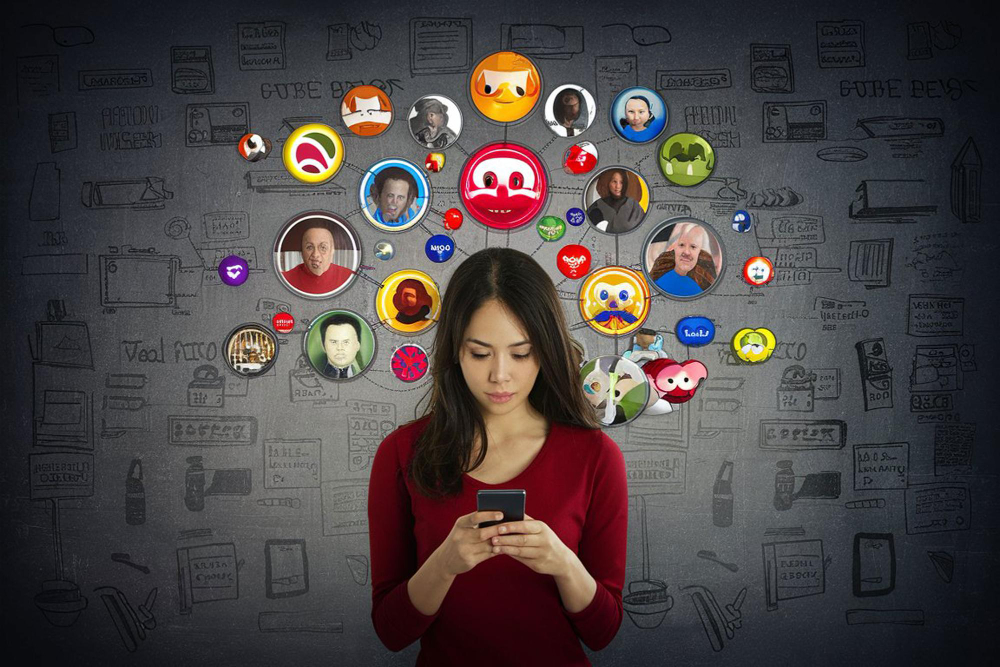
Organic social media means posting content on your brand’s social pages without paying for ads. It’s the kind of content people come across naturally while scrolling. In a world filled with paid ads, organic social still matters. It shows people who you are without trying to sell something right away.
When brands show up consistently with helpful, fun, or interesting content, people start to notice. Over time, this can lead to real trust, and trust is the heart of loyalty. People are more likely to stick with brands they feel connected to, not just the ones that spend the most on ads.
What Is Organic Social Media?
Organic social media is all the free content you post on platforms like Instagram, Facebook, TikTok, Twitter, and LinkedIn. Think of things like an Instagram story showing how a product is made, or a funny TikTok that relates to your audience. These aren’t paid ads, they’re regular posts that show off your brand’s personality.

The big difference between organic and paid is money. Paid social means you’re spending to boost a post or run an ad. Organic, on the other hand, grows slowly over time. It’s about building real relationships with your audience, not just pushing a sale.
There’s a third category worth naming too: earned social, when other people share your content without you asking. Earned reach is the reward for organic done well. A brand that posts consistently and treats followers like people eventually gets reposted, tagged, and recommended by others, and that word-of-mouth carries more weight than anything the brand says about itself.
Why Brand Loyalty Matters More Than Ever
When customers stick around for the long haul, it’s better for your business. Loyal followers don’t just buy once, they come back, tell their friends, and even defend your brand online. It’s way easier to keep a loyal customer than to get a new one.
People today are bombarded with choices and ads. That makes trust even more important. When someone finds a brand they like and believe in, they tend to stick with it. That loyalty can last for years if you keep showing up in the right way.
The math behind this is simple even if brands often ignore it. Acquiring a new customer typically costs far more than keeping an existing one happy. A follower who trusts your brand doesn’t just buy again, they become a source of free advertising every time they mention you to a friend or share your post without being asked. Organic social is the channel where that trust gets built, slowly, one honest interaction at a time.
The Power of Authentic Engagement
Organic social works best when it feels real. People are tired of being sold to all the time. When a brand shows up as a “person” and not just a company, it stands out. That’s where engagement comes in, talking with your audience instead of just at them.
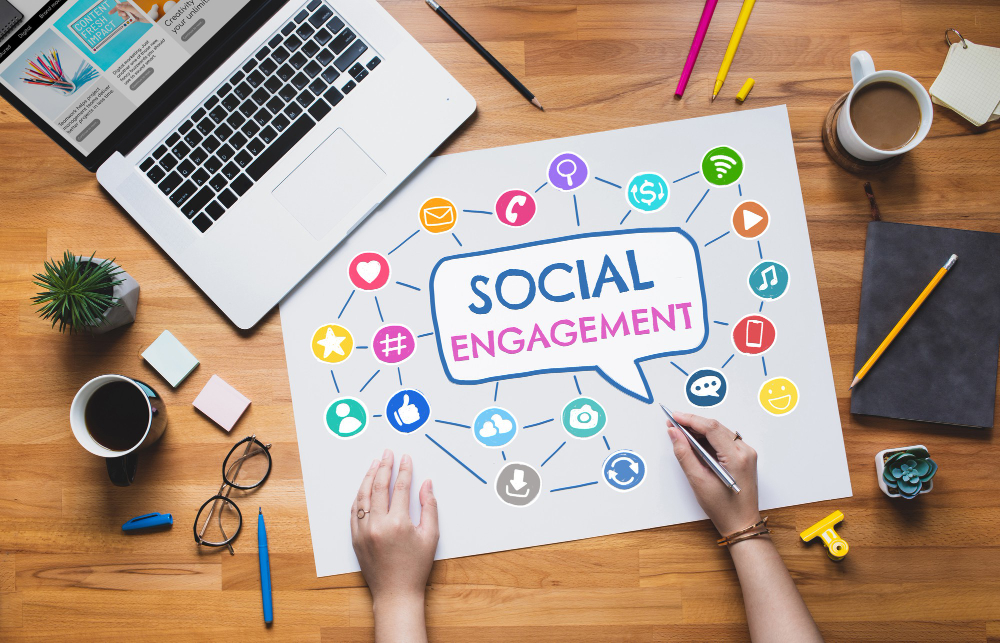
You can do this through fun polls, answering questions in your comments, or even showing behind-the-scenes clips of your team. These small touches make your brand feel more human, and that’s what people connect with.
Authenticity is easy to claim and hard to fake. Audiences can tell within a few posts whether a brand’s voice is written by a real person who cares about the topic or by a marketing calendar filling a slot. The brands that get this right usually have one thing in common: whoever writes the captions is genuinely close to the product, a founder, an early employee, someone who could answer a customer question without checking a script.
Strategies to Build Loyalty Organically
One of the best things you can do is show up regularly. Consistency builds trust. If your audience sees you posting helpful or fun content often, they’ll start looking forward to it. It’s also important to keep your tone honest and friendly, not too polished or stiff.
Another great tactic is using content from your customers. If someone tags you in a post, share it. This shows appreciation and makes others want to join in. You can also run challenges or weekly series to get people involved. The more your audience feels like part of your world, the stronger the bond.
A few more tactics worth building into a regular rhythm:
- Reply publicly, not just privately. A public reply to a comment shows every other visitor how the brand treats people, not just the one person who wrote in.
- Show the process, not just the product. Behind-the-scenes content, a failed prototype, a messy workspace, a team debate about a design choice, builds more trust than another polished product shot.
- Let customers ask questions in real time. A weekly Q&A story or live session gives people a reason to show up on a schedule instead of scrolling past.
- Admit mistakes openly. When something goes wrong, a shipping delay, a bug, a bad batch, a brand that says so plainly and explains the fix earns more trust than one that stays silent and hopes nobody noticed.
Building a Weekly Content Rhythm That Doesn’t Burn Out Your Team
The biggest reason brands abandon organic social isn’t lack of ideas, it’s lack of a repeatable system. Posting daily with no plan turns into posting three times a week, then once a week, then not at all. A simple content rhythm fixes this before it starts.
A pattern that works for a lot of small teams: pick three content types and assign each one a day. One day for value (a tip, a how-to, something genuinely useful), one day for personality (behind-the-scenes, team moments, humor), one day for community (reposting customer content, answering questions, running a poll). Repeat weekly. The specific days matter less than the repetition, audiences learn the pattern and start expecting it.
Batching content production helps too. Instead of scrambling to post something new every single day, spend two hours every other week shooting and writing a batch of ten to fifteen posts. This keeps quality higher and removes the daily pressure that leads most small teams to give up on organic social within a few months.
Case Studies: Brands That Won with Organic Social
Take Glossier, for example. They built a beauty brand mainly by sharing content from real users and chatting with their followers. People felt seen and heard, which built a strong community.
Gymshark is another one. They’ve used funny posts, motivational stories, and regular updates to grow a loyal fan base. Their content feels personal, not corporate. Patagonia connects deeply with their audience by sharing stories that match their environmental values. They don’t chase trends, they stay true to what they believe in.
What ties these three together isn’t budget or platform, it’s a clear point of view held consistently over years. Glossier’s whole brand voice comes from treating customers as co-creators. Gymshark built an early community of fitness influencers before it had the ad budget to compete with bigger athletic brands, and that grassroots network still shapes how the brand talks today. Patagonia’s environmental stance isn’t a campaign, it shows up in nearly every post, which is exactly why it reads as sincere rather than opportunistic.
Measuring the Impact of Organic Social on Loyalty
Even though it’s not about fast sales, organic social still has things you can track. Look at engagement rates, how many people like, comment, or share. See if the same people keep messaging or replying. That’s a good sign they’re coming back because they care.
There are also tools that help you see how often your brand is mentioned or what kind of feelings people express when they talk about you. These small clues can show whether your content is actually building connection over time.
A few specific numbers worth tracking beyond the obvious like-and-comment count:
- Repeat commenters. Track whether the same names show up across multiple posts over a month. A shrinking pool of repeat commenters is an early warning sign, even if total engagement looks fine.
- Save and share rate relative to reach. Saves and shares signal that someone valued the content enough to act on it later or pass it along, a stronger loyalty signal than a quick like.
- Sentiment in comments and mentions. Volume alone doesn’t tell you if people are happy. A spike in mentions paired with negative sentiment is a problem dressed up as a win.
- Direct message volume. An audience that feels comfortable messaging a brand directly, rather than only commenting publicly, usually trusts it more.
Organic vs. Paid Social: Which Builds Better Loyalty?
Paid social can get your message out fast, but it doesn’t always build trust. People know when they’re being advertised to, and they may scroll past. Organic content, on the other hand, feels more real. It shows up in people’s feeds without interrupting them.
Paid can be helpful to boost good content, but it shouldn’t be the only thing you rely on. You can’t buy loyalty, you have to earn it. That happens when you keep showing up with something worth seeing.
The two aren’t really competitors, they solve different problems. Paid is efficient at reaching people who’ve never heard of a brand. Organic is what keeps those people around after the ad stops running. A brand that only runs paid ads with no organic presence tends to see the same pattern: a spike in followers after a campaign, then a slow bleed of unfollows once the ads stop, because nothing was built to keep people engaged in between.
What to Do When Engagement Plateaus
Every account that grows organically eventually hits a flat stretch where numbers stop climbing even though nothing has changed. This is normal, and it’s usually not a sign to abandon the strategy, it’s a sign to change the input.
Start by separating reach from resonance. A plateau in follower count paired with steady or rising comments and saves means the content is still connecting, it’s just not spreading to new people as fast. That’s a discovery problem, worth testing new formats or hooks, not a loyalty problem.
A plateau paired with declining comments and saves is different. That usually means the content has gotten repetitive or the brand has drifted from whatever made it feel authentic in the first place. Going back and rereading the first month of posts, the ones written before there was a system to follow, often reveals a voice that got polished away over time. Sometimes the fix isn’t a new tactic, it’s returning to how the account sounded before it started optimizing.
Either way, resist the instinct to post more, faster, as a fix. A plateau is rarely solved by volume. It’s usually solved by paying closer attention to what the existing audience is actually responding to and doing more of that specific thing, rather than more of everything at once.
Common Mistakes That Quietly Kill Organic Reach
A few habits show up again and again in accounts that struggle to build loyalty, even when the content itself isn’t bad:
- Posting only promotional content. An account that only announces sales and product launches gives followers no reason to check in between purchases.
- Going silent for weeks, then posting five times in a day. Irregular posting confuses the algorithm and the audience. Consistency, even at a lower volume, outperforms bursts.
- Ignoring comments. A brand that posts but never replies signals that the account is a broadcast channel, not a conversation. Followers notice, and engagement drops accordingly.
- Copying trends without a point of view. Jumping on every trending audio or format without connecting it to the brand’s actual voice reads as noise rather than personality.
How Organic Loyalty Plays Out Differently by Platform
The mechanics of organic loyalty shift depending on where you’re building it. A tactic that works well on TikTok can flop on LinkedIn, and the reverse is just as true.
- Instagram rewards visual consistency and Stories engagement. Polls, question stickers, and behind-the-scenes Reels tend to outperform polished product shots for building repeat visitors.
- TikTok rewards raw, fast, personality-driven content over production value. Accounts that try to post a scaled-down TV commercial usually underperform ones that just point a phone at someone explaining something honestly.
- LinkedIn rewards expertise and specificity. Generic company updates get ignored; a founder or team member sharing an honest lesson learned, including a failure, tends to travel further.
- Facebook still works well for community groups and long-form discussion, particularly for brands with an older audience or a strong local component.
Trying to run the exact same content across every platform usually produces mediocre results everywhere. Picking one or two platforms where the brand’s actual audience spends time, and doing those well, beats a thin presence spread across five.
A Simple 30-Day Starter Plan
For a brand just starting to take organic social seriously, a month is enough time to build a real habit and see early signals. A workable outline:
- Week 1, audit what’s already been posted. Note which past posts (if any) got the most genuine engagement, not just reach, and look for a pattern in topic or tone.
- Week 2, set the weekly content rhythm (value day, personality day, community day) and batch-produce the first two weeks of posts in one sitting.
- Week 3, start replying to every single comment and message within 24 hours, without exception. This is the habit that most determines whether early engagement compounds or fades.
- Week 4, review the numbers that actually matter: repeat commenters, saves, and direct messages. Adjust the content mix based on what people responded to, not what felt easiest to produce.
Thirty days won’t build deep loyalty on its own, that takes months of consistency, but it’s enough time to know whether the rhythm is sustainable and whether the content is starting to resonate.
Tips for Long-Term Success
Talk to your audience. If someone leaves a comment, reply to it. If they share a story, thank them. These small interactions matter more than most people think.
Also, focus on sharing stories that people can relate to. Whether it’s a funny moment or a meaningful lesson, stories stick. Keep your tone, style, and message the same over time so your brand feels familiar and dependable.
Organic social isn’t about overnight wins. It’s about showing up again and again in a way that feels real. When done right, it creates a brand that people want to follow, trust, and stay loyal to.
The long game may take time, but it’s worth it. In the end, people remember how you made them feel, not just what you sold them.
Frequently Asked Questions
How long does it take for organic social to build real loyalty? Most brands start seeing early signs, repeat commenters, direct messages, saves, within two to three months of consistent posting. Deeper loyalty, the kind that shows up as unprompted referrals and defense of the brand in public comments, usually takes six months to a year of steady effort.
Should a small business post on every platform at once? No. Spreading thin across five platforms with generic content usually performs worse than doing one or two platforms well. Pick where the actual target audience spends time and go deep there first.
What’s a realistic posting frequency for a small team? Three to four times a week, done consistently, beats daily posting that burns out after a month. Consistency matters more than raw volume.
Does organic social replace paid ads entirely? No, they do different jobs. Paid is efficient for reaching new people who’ve never heard of the brand. Organic is what keeps those people engaged and loyal after the ad budget runs out. The strongest brand-building strategies use both, not one instead of the other.