
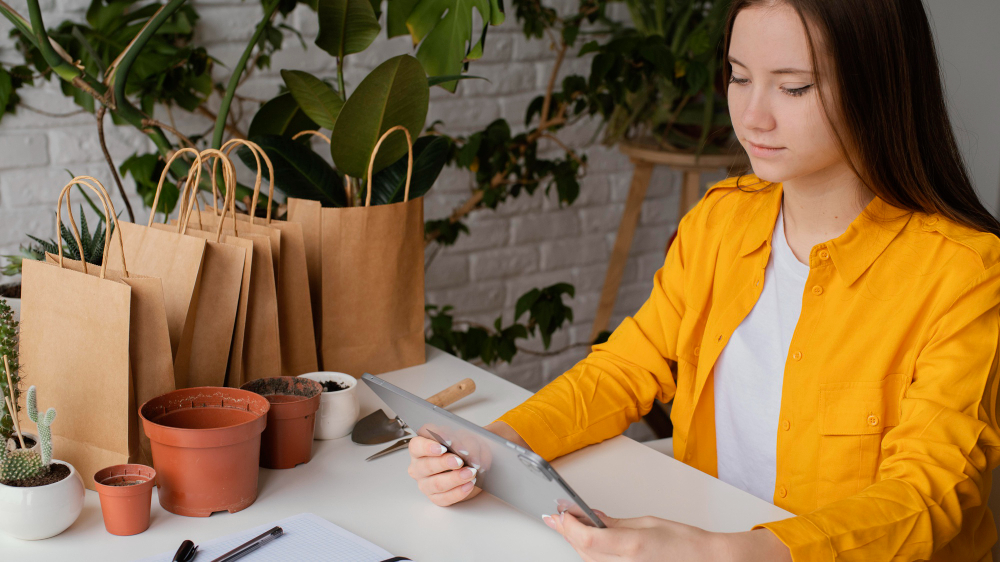
Packaging design is more than just a protective layer for a product; it is the first impression that can captivate customers and drive sales. A shopper standing in front of a shelf makes a purchase decision in a matter of seconds, often before reading a single word of copy, and that decision is shaped almost entirely by what the packaging communicates in that instant. Great packaging speaks to the brand’s essence, connects with its audience, and sets it apart in a crowded market. Finding the right packaging designer is critical for businesses aiming to make an impact. This roundup covers ten packaging studios that excel at combining creativity and strategy to create designs that genuinely resonate with the people standing in front of the shelf, not just with the marketing team that signed off on the brief. Whether you are a startup shipping your first product or an established brand refreshing a decades-old line, these studios can bring your vision to life.
What Do Packaging Designers Do?
Packaging designers specialize in creating visually appealing, functional, and brand-aligned product packaging. Their role involves:
Visual Design: Crafting attractive graphics, typography, and color schemes that reflect the brand identity.
Structural Design: Designing the shape, size, and structure of packaging for functionality, durability, and user convenience.
Material Selection: Choosing materials that balance cost, sustainability, and practicality.
Brand Integration: Ensuring packaging aligns with the overall marketing and branding strategy to create a cohesive brand experience.
Market Analysis: Conducting research on industry trends, consumer preferences, and competitor packaging to create designs that stand out.
User Experience (UX): Enhancing customer interaction through intuitive designs that are easy to open, handle, and store.
A part of the job that rarely gets discussed outside the industry is shelf testing. Before a design goes to print, strong studios mock it up at real scale and place it next to competitor products in a simulated retail environment, sometimes literally photographing it on a shelf, to see whether it actually stands out or disappears into the visual noise around it. A design that looks stunning as an isolated render can still fail this test completely.
What to Look for in Top Packaging Designers
1. Creative Portfolio: Review their previous work to ensure they excel in creating unique, innovative designs that align with various brand identities.
2. Industry Experience: Designers with experience in your product category will better understand the target audience and packaging requirements.
3. Material Expertise: Look for designers knowledgeable about materials, sustainability, and cost-effective options to suit your needs.
4. Market Research Skills: A top designer conducts thorough research on trends, competitors, and consumer preferences to craft compelling packaging.
5. Attention to Functionality: Beyond aesthetics, packaging should be durable, practical, and easy to use. Ensure the designer prioritizes functionality.
6. Regulatory Compliance: They must understand and adhere to industry regulations for packaging standards, labeling, and safety requirements.
Top Packaging Designers
1. Design Bridge and Partners

Design Bridge merged with strategy consultancy Consulate in 2022, and the combined studio now operates as Design Bridge and Partners, part of Accenture Song. The firm is known for iconic designs that blend artistry and storytelling, often redefining category conventions with bold, vibrant packaging that gets noticed even in the most crowded beverage and confectionery aisles.
- Notable Clients: Coca-Cola, Dove, Cadbury.
- Leadership Experience Score: 9.7/10.
- Company Size: 150+ employees.
- Years in Business: 35+ years.
- Headquarters: London, UK.
2. Turner Duckworth

With a reputation for clean and timeless designs, Turner Duckworth crafts packaging that emphasizes brand identity and consumer connection. Their long-running relationship with Coca-Cola in particular shows their discipline: the studio has managed to evolve one of the most recognized packaging systems in the world incrementally, without ever risking the equity built up over decades of consistent branding.
- Notable Clients: Amazon, Burger King, Coca-Cola.
- Leadership Experience Score: 9.5/10.
- Company Size: 120+ employees.
- Years in Business: 30+ years.
- Headquarters: San Francisco, USA.
3. Pentagram

Pentagram’s multi-disciplinary approach has made it a go-to choice for companies seeking creative, out-of-the-box packaging ideas that reflect their brand ethos. Structured as a partnership of independent designers rather than a traditional hierarchy, the studio brings a genuinely wide range of aesthetic sensibilities to its packaging work, which shows in how different its client portfolio looks from project to project.
- Notable Clients: Tiffany & Co., Samsung, Warner Bros.
- Leadership Experience Score: 9.6/10.
- Company Size: 200+ employees.
- Years in Business: 50+ years.
- Headquarters: London, UK.
4. Pearlfisher

Pearlfisher brings a distinct perspective to packaging, focusing on designs that highlight both aesthetic and functional value. The studio has built a particular niche in food and beverage rebrands, where getting the tone right between premium and approachable can make or break how a product performs at retail.
- Notable Clients: Heineken, Starbucks, Target.
- Leadership Experience Score: 9.4/10.
- Company Size: 150+ employees.
- Years in Business: 25+ years.
- Headquarters: London, UK.
Also Read: Top 10 Digital Marketing Agencies 2026
5. Smurfit Westrock (formerly Smurfit Kappa)

Smurfit Kappa completed its merger with WestRock in 2024, and the combined company now operates globally as Smurfit Westrock. Specializing in sustainable paper-based packaging, the firm ensures that every design is eco-friendly while still delivering a strong brand message, a combination that has become non-negotiable for large consumer goods brands under pressure to cut plastic use.
- Notable Clients: Kellogg’s, Unilever, Nestlé.
- Leadership Experience Score: 9.3/10.
- Company Size: 250+ employees.
- Years in Business: 85+ years.
- Headquarters: Dublin, Ireland.
6. Stranger & Stranger

This agency thrives on creating unique and quirky packaging for beverages, making it a favorite for spirits and wine brands looking to break away from category conventions. Their bottle shapes and label treatments often look more like small sculptures than typical shelf packaging, which is exactly the point in a category where differentiation sells.
- Notable Clients: Jack Daniel’s, Bombay Sapphire, Kraken Rum.
- Leadership Experience Score: 9.5/10.
- Company Size: 50+ employees.
- Years in Business: 25+ years.
- Headquarters: London, UK.
7. Landor

Landor, which simplified its name from Landor & Fitch back to Landor as part of a broader brand refresh, excels in crafting visually striking and strategically grounded packaging for global brands across industries. As one of the oldest branding houses in the world, its packaging work tends to sit inside a much larger identity system rather than existing as a standalone deliverable.
- Notable Clients: Apple, P&G, BP.
- Leadership Experience Score: 9.6/10.
- Company Size: 300+ employees.
- Years in Business: 80+ years.
- Headquarters: San Francisco, USA.
8. Jones Knowles Ritchie (JKR)

JKR is a powerhouse in packaging design, blending creativity with an acute understanding of consumer behavior to deliver standout solutions. The studio has become particularly known for confident, oversized logo treatments on packaging, a style choice that has been widely copied across the industry since JKR popularized it for several major food brands.
- Notable Clients: Dunkin’, Budweiser, Reese’s.
- Leadership Experience Score: 9.4/10.
- Company Size: 200+ employees.
- Years in Business: 30+ years.
- Headquarters: New York, USA.
9. Bulletproof

Bulletproof specializes in designing packaging that tells a brand story, making it memorable for consumers and effective at boosting sales at the point of purchase. Their work spans everything from mainstream grocery brands to premium spirits, a range that requires genuinely different design instincts depending on the shelf the product will end up on.
- Notable Clients: PepsiCo, Johnnie Walker, Cadbury.
- Leadership Experience Score: 9.5/10.
- Company Size: 120+ employees.
- Years in Business: 20+ years.
- Headquarters: London, UK.
10. CBX
CBX is a brand and packaging design agency working on shelf-ready consumer packaged goods design for retail and consumer brands.
Headquarters:
New York, NY.
Years in Business:
Founded in 1980.
Independent Studios Versus Agency Networks
One decision brands face early in the vetting process is whether to hire an independent specialist like Stranger & Stranger or Pearlfisher, or a division of a larger network like Landor or Design Bridge and Partners. Neither structure is automatically better, but they serve different needs well. Independent studios tend to offer more senior attention on smaller accounts, since a mid-sized brand is not competing for the same partner’s time against a multinational client relationship worth tens of millions in annual billings. They also tend to move faster, with fewer internal approval layers between a creative idea and a client presentation.
Network-affiliated studios, on the other hand, bring resources an independent shop simply cannot match: in-house research teams, global production oversight for brands launching the same packaging across a dozen markets simultaneously, and closer coordination with sister agencies handling advertising or digital work for the same client. A global CPG brand rolling out a redesign across forty countries has genuinely different needs than a direct-to-consumer startup launching its first product line, and the right studio structure depends heavily on which situation you are actually in.
Where Wbcom Designs Fits In
Wbcom Designs builds WordPress plugins and themes; it does not design physical product packaging, so it has no legitimate place in a packaging design ranking. Its real specialty is WordPress community, membership, and LMS platforms. For packaging design, the studios above are the ones actually built for that work.
How Packaging Design Impacts Brand Perception
Packaging design serves as the first interaction between a product and its potential customers, making it a critical component of brand perception. A well-crafted design communicates the brand’s values, quality, and uniqueness, influencing how consumers view the product before they have used it at all. Luxurious and minimalist packaging often signals sophistication, while bold and vibrant designs can suggest creativity and energy. The materials used play a role too, with visibly sustainable packaging signaling environmental responsibility to a growing share of shoppers who factor that into their buying decisions. Beyond aesthetics, functional and user-friendly packaging builds trust by demonstrating attention to detail, and effective packaging design reinforces brand identity in a way that encourages repeat purchases long after the first impression has faded.
Sustainability Is No Longer a Nice-to-Have
A shift worth understanding before briefing any of these studios: sustainability requirements have moved from a marketing talking point to a hard constraint baked into most enterprise packaging briefs. Regulatory pressure in the European Union around packaging waste, combined with retailer-level mandates from major chains that now require recyclability disclosures before a product gets shelf space, means packaging designers increasingly need material science knowledge alongside their creative skills.
This is part of why the Smurfit Kappa and WestRock merger into Smurfit Westrock matters beyond a simple corporate name change. The combined company now has significantly more scale in fiber-based packaging research, which translates directly into more material options for brands trying to move away from plastic without sacrificing shelf appeal. When evaluating a packaging studio today, ask specifically how they approach material selection relative to your sustainability commitments, not just how the final design looks in a rendered mockup.
Structural Design Deserves as Much Attention as Graphics
It is easy to focus entirely on the graphic layer of packaging, the colors, the logo treatment, the typography, and forget that the physical structure carries just as much weight in how a product performs. A beautifully designed label wrapped around a box that is awkward to open, difficult to reseal, or prone to damage in transit will generate return complaints no amount of graphic polish can fix. The strongest studios on this list run structural prototyping in parallel with visual design rather than treating structure as an engineering afterthought handed off once the graphics are locked.
This matters even more for e-commerce brands, where packaging has to survive a shipping journey most retail packaging was never designed for. A design that looks premium on a photography set can still fail if it arrives dented after a courier drops it twice between the warehouse and the customer’s doorstep. If a meaningful share of your sales happen online, ask any prospective packaging partner directly about their experience with drop-test standards and shipping-safe structural design, since not every studio with an impressive retail portfolio has deep experience here.
What a Packaging Redesign Actually Costs
Budget ranges in this industry are wide enough to be almost useless without context, so it helps to understand what drives the number up or down. A single SKU refresh, meaning updated graphics on an existing structure with no new tooling required, can run anywhere from $15,000 to $50,000 at a mid-tier studio. A full brand system redesign spanning a product line of ten or more SKUs, including new structural development and multiple rounds of consumer testing, is where costs at the top-tier studios on this list climb into six figures and sometimes well beyond, particularly when new tooling for bottle molds or custom box dies is involved.
Consumer testing itself is a line item worth budgeting for separately rather than assuming it is bundled into a flat design fee. Quantitative shelf testing, where a design is measured against competitors for standout and purchase intent using eye-tracking or simulated shopping software, typically adds several thousand dollars per round but pays for itself by catching a design that photographs well internally yet fails to actually attract attention on a real shelf.
Timing a Redesign Around Your Supply Chain
One mistake brands make repeatedly: briefing a packaging redesign without first talking to their own supply chain and manufacturing teams. A gorgeous new bottle shape means nothing if your co-packer’s filling line cannot handle it without a costly retrofit, and a switch to a new sustainable material sometimes requires lead times of six months or more for the packaging supplier to tool up production at scale. The studios on this list that operate at enterprise scale, Smurfit Westrock especially given its position as both a designer and a manufacturer, tend to build this coordination directly into their process because they understand both sides of the equation.
A realistic redesign timeline that includes structural changes typically runs six to twelve months from initial brief to product on shelf, once you account for design rounds, consumer testing, tooling lead times, and the inevitable production trial runs that catch issues no amount of digital prototyping can predict. Brands that compress this timeline under pressure from a marketing calendar often end up launching with printing errors, color drift between batches, or structural issues that a longer validation period would have caught.
Choosing the Right Studio for Your Brand
Choosing the right packaging designer is more than a creative decision; it is a strategic one that can elevate your brand and resonate with your target audience. The best studios combine innovation, functionality, and brand alignment to create packaging that captures attention, tells a story, and drives consumer trust. Whether you are launching a new product or refreshing an existing one, partnering with a skilled packaging designer ensures your brand stands out in a competitive market. By weighing quality, sustainability, and shipping performance alongside pure aesthetics, the right packaging design can turn a product into a memorable brand asset rather than just a container.
Before signing with any of the ten studios above, ask to see work that failed, not just the polished case studies on their site. Every experienced packaging designer has a redesign that tested poorly with consumers or a structural idea that did not survive contact with a production line, and how they talk about that experience tells you a lot about whether they will be honest with you when your own project hits a snag. A studio that only shows you wins is a studio that has not been tested the way your project inevitably will be.
Ultimately, the packaging that wins on shelf rarely happens by accident. It comes from studios that treat structure, sustainability, and shipping performance as seriously as they treat color and typography, and that stay involved through production and the first several months on shelf rather than disappearing once the final files are handed off.
Above all else, budget enough time for at least two full rounds of consumer testing before committing to a print run at scale. A design that tests well in a boardroom does not always test well with the shoppers who will actually decide whether it succeeds, and no amount of internal confidence in a concept substitutes for watching a real customer pick it up off a real shelf.