

Mobile applications have revolutionized how we interact with the world. From banking and shopping to fitness and education, apps are at the heart of modern life. But behind every seamless interface and intuitive feature lies a robust foundation - software for mobile app development. Choosing the right development tool is crucial to creating high-performance, secure, and scalable apps. Whether you’re a startup founder, an enterprise developer, or a freelancer aiming to deliver value, the right software can make or break your app’s success.
This article delves deep into the best software solutions available for mobile app development. We’ll also explore the reasons these tools matter, how to choose the right one, and what features to prioritize. This isn’t just a list - it’s a strategic guide for developers seeking long-term impact.
What is Mobile App Development Software?
Mobile app development software refers to the platforms and tools used to design, build, test, and deploy applications for mobile devices. These tools streamline the development process, often providing pre-built templates, reusable components, and debugging environments.
Typically, such software includes integrated development environments (IDEs), SDKs (software development kits), and sometimes even drag-and-drop builders. These platforms cater to various coding skill levels - from those who prefer low-code environments to seasoned developers who thrive on full customization.
Understanding this category helps you recognize the versatility of software for mobile app development and how it aligns with different business goals and user needs.
Why Choosing the Right Software Matters
Selecting the most effective software isn’t just a technical decision; it’s a strategic one. The quality of your mobile app - its speed, performance, and user interface - depends heavily on the software you use.
A robust platform enhances productivity, shortens development cycles, and reduces bugs. More importantly, it helps deliver apps that meet user expectations. Poor software choices, on the other hand, lead to scalability issues, limited integrations, and higher maintenance costs.
In essence, the right software for mobile app development empowers teams to innovate confidently, ensuring that your digital solution remains competitive in a saturated market.
How to Choose the Best Software for Mobile App Development
Finding the perfect tool requires more than googling the top platforms. Consider the following factors:
-
Target Platforms: Are you building for Android, iOS, or both?
-
Development Approach: Do you prefer native, cross-platform, or hybrid apps?
-
Ease of Use: How steep is the learning curve?
-
Performance: Does the software support high-performing applications?
-
Community & Support: Is there a strong developer community or dedicated support?
Choosing wisely means balancing functionality with flexibility. The ideal software should support your current project and scale with your future needs.
1. Flutter: Google’s UI Toolkit Redefining Mobile Development
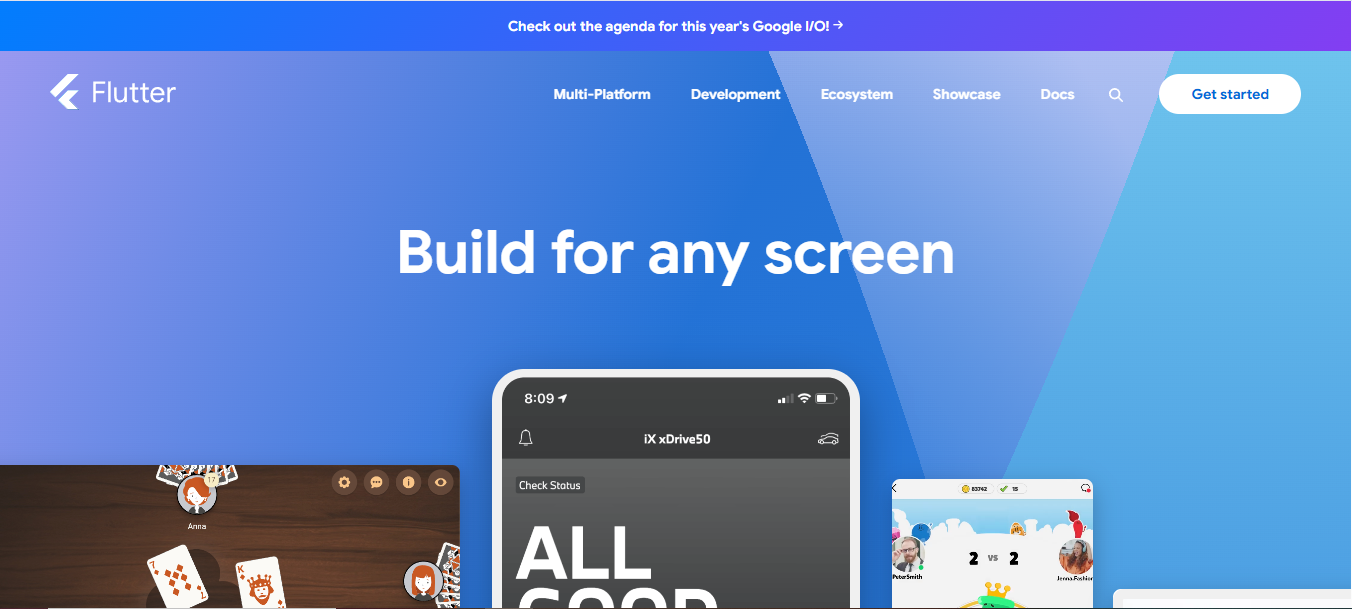
Flutter has quickly become a favorite among developers due to its versatility and performance. Created by Google, it uses a single codebase to develop applications for Android, iOS, web, and even desktop.
What makes Flutter a standout is its hot reload feature, which allows developers to instantly see the results of changes without restarting the application. This speeds up development significantly and enhances experimentation. Additionally, its widget-rich environment simplifies UI design, helping developers craft stunning user interfaces with minimal effort.
Flutter is one of the most reliable software for mobile app development in the market today, especially for teams focused on rapid iteration and eye-catching design.
2. React Native: JavaScript-Powered Innovation
Developed by Facebook, React Native allows developers to use JavaScript and React to build mobile apps that feel truly native. It supports both Android and iOS, making it a powerful choice for cross-platform development.
React Native’s large community and third-party plugin ecosystem enhance its functionality. Developers benefit from code reusability and strong performance, particularly in apps requiring dynamic content and real-time updates.
This platform is excellent software for mobile app development when speed and cost-efficiency are top priorities without compromising user experience.
3. Xamarin: Microsoft’s Cross-Platform Marvel
Owned by Microsoft, Xamarin offers a unique advantage - it lets you build apps using C# and .NET, allowing deep integration with the Microsoft ecosystem. It’s a go-to choice for enterprises already invested in Microsoft technologies.
Xamarin Forms provides a UI toolkit that works across platforms, significantly reducing development time. Plus, Xamarin offers native API access and performance optimization, making the final product indistinguishable from apps built with native SDKs.
For developers who prefer a strong IDE like Visual Studio, Xamarin offers one of the most comprehensive software for mobile app development available.
4. Swiftic: Simplified App Creation for Non-Coders
Swiftic is tailored for small businesses and individuals with limited coding knowledge. With a drag-and-drop interface and a plethora of templates, Swiftic turns app building into a more approachable task.
It provides features like push notifications, loyalty programs, and in-app coupons, making it perfect for customer-facing applications. While it may not suit complex enterprise apps, it’s one of the most user-friendly software for mobile app development for beginners.
5. Android Studio: The Official IDE for Android Development
When it comes to building Android apps, Android Studio is the gold standard. As Google’s official IDE, it offers everything a developer needs - an intelligent code editor, emulators, and advanced debugging tools.
Android Studio supports Kotlin and Java, and its tight integration with Google’s ecosystem ensures developers can leverage the latest Android capabilities with ease.
For anyone focusing solely on Android, this is the most powerful software for mobile app development, tailored for maximum performance and flexibility.
6. Xcode: Apple’s Weapon of Choice
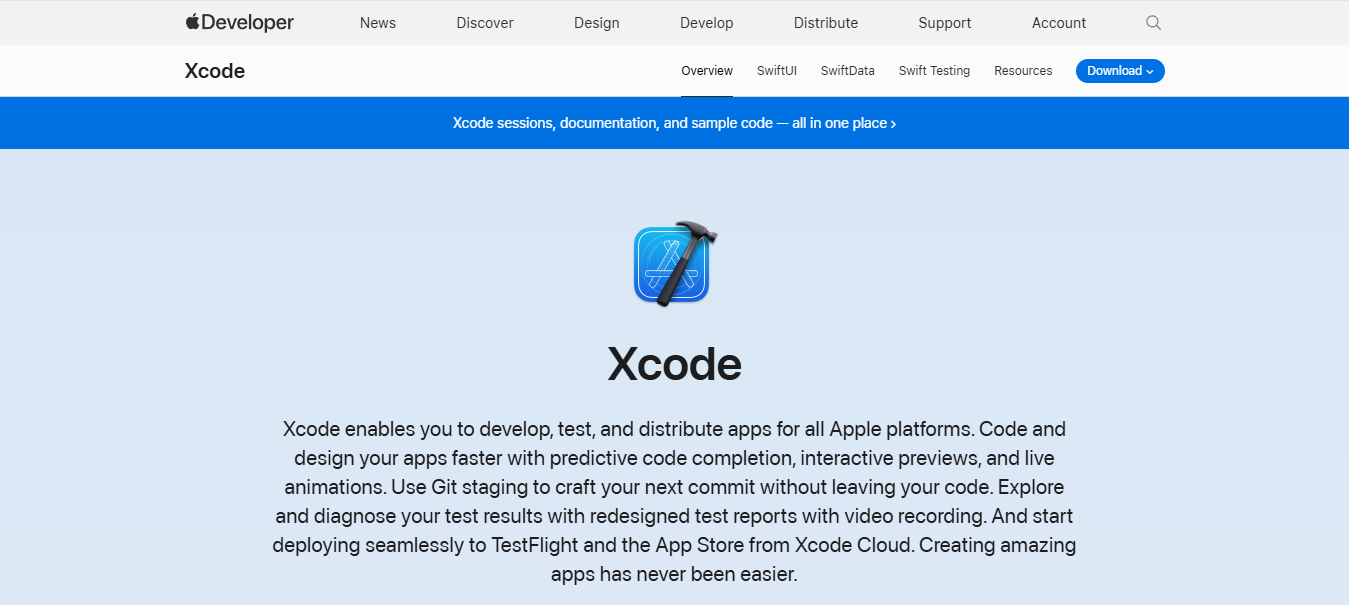
For iOS developers, Xcode is indispensable. It supports Swift and Objective-C and comes with a suite of tools for coding, debugging, and interface design.
The Interface Builder, Storyboards, and integrated testing make Xcode ideal for developing apps that meet Apple’s rigorous App Store guidelines. The platform provides real-time feedback and performance metrics, essential for building high-quality applications.
If your target market leans heavily toward iOS users, Xcode is arguably the most refined software for mobile app development in the Apple universe.
7. Appgyver: Visual Development with Professional Muscle
Appgyver is a low-code platform that doesn’t compromise on capabilities. Aimed at professional developers and business users alike, it offers drag-and-drop components and powerful backend integrations.
You can build fully functional apps without writing a single line of code or injecting custom JavaScript when needed. Its flexibility makes it ideal for rapid prototyping or internal business apps.
Appgyver represents the future of software for mobile app development by bridging technical complexity with creative freedom.
8. OutSystems: Enterprise-Level Low-Code Excellence
OutSystems is known for its enterprise-grade capabilities, offering full-stack development in a low-code environment. From mobile to web, the platform excels at delivering scalable, secure, and high-performing applications.
What makes OutSystems different is its integration power. Whether it’s CRM, ERP, or third-party APIs, OutSystems handles complex systems with ease.
It’s premium software for mobile app development for organizations with serious long-term goals and complex infrastructure needs.
9. BuildFire: The Business-Centric Development Platform
BuildFire caters specifically to business applications, with robust features like push notifications, analytics, and custom integrations. Its intuitive backend allows companies to update content in real time.
For developers, BuildFire offers a developer SDK to add custom functionality, blending low-code ease with high-code customization.
If you’re targeting verticals like education, fitness, or e-commerce, BuildFire is an ideal software for mobile app development tailored for business impact.
10. Ionic: Hybrid Power with Native Performance
Ionic is a powerful framework that lets developers build hybrid mobile apps using web technologies like HTML, CSS, and JavaScript. Its performance is nearly on par with native apps, thanks to integrations with native SDKs via Capacitor.
Ionic’s library of pre-designed components accelerates development while maintaining visual consistency. With strong community support and extensive documentation, it’s one of the most accessible software for mobile app development platforms available.
11. Kodular: Android Apps with No Code
Kodular is designed for aspiring developers who want to build Android apps without traditional coding. With a block-based design interface similar to MIT App Inventor, it allows users to create functional apps through a visual logic builder.
Perfect for educational environments and hobbyists, Kodular proves that app development can be both fun and accessible.
Though limited in advanced functionality, Kodular is a unique software for mobile app development aimed at democratizing the app creation process.
12. Apache Cordova: Classic Hybrid App Development

Apache Cordova (formerly PhoneGap) allows developers to use web technologies to build mobile apps. It wraps HTML, CSS, and JavaScript code into a native container, enabling it to run on mobile devices.
While newer frameworks have gained popularity, Cordova remains a reliable tool for simpler applications that require multi-platform support without native complexity.
It may not be the flashiest, but it’s dependable software for mobile app development, especially when working on budget-sensitive or legacy projects.
Final Thoughts: Future-Proofing Your Mobile App Development Strategy
Innovation in mobile app development is constant. Whether you’re developing apps for internal enterprise use or public-facing services, selecting the right software is vital. The best platforms offer speed, scalability, user experience, and cost-efficiency.
By understanding what each tool excels at and aligning it with your goals, you can turn app ideas into impactful realities. The best software for mobile app development isn’t always the most expensive or the most popular - it’s the one that fits your unique vision.
Interesting Reads:
12 Best Software for Web Development In 2025