

Running a social media contest sounds simple until you actually try to organize one. Entries pile up in a spreadsheet, someone has to manually check whether people actually followed the rules, and picking a winner fairly becomes its own small project. The tools on this list exist to remove that friction. Each one handles entry collection, rule enforcement, and winner selection so you can focus on the creative side of the campaign instead of the bookkeeping.
Contests remain one of the fastest ways to grow a following, collect emails, or get user-generated content flowing, but only when the mechanics behind them are solid. A broken entry form or a winner-selection process nobody trusts can undo weeks of goodwill in a single afternoon. Below are ten platforms worth evaluating in 2026, what each one does well, where it falls short, and how to decide which one fits your next campaign.
Why Social Media Contests Still Work
Organic reach on most platforms has been shrinking for years, which makes contests one of the few remaining tactics that reliably spikes engagement without paid promotion. A well-run giveaway gets shared by participants themselves, since most entry mechanics reward people for tagging friends or reposting content. That built-in incentive to spread the word is what makes contests different from a normal post.
Beyond reach, contests are useful for specific, measurable goals: growing an email list before a product launch, collecting photos or videos from real customers, or simply re-engaging a dormant audience. The format also travels well across platforms. A photo contest can run on Instagram, a sweepstakes can live on a landing page linked from TikTok, and a quiz can sit inside a Facebook ad. The tool you pick should match the goal, not just the platform you happen to be most active on.
What has changed heading into 2026 is scrutiny. Instagram and Facebook enforce their promotion guidelines more consistently than they used to, and regulators in several regions have tightened rules around prize disclosures and data collection during giveaways. Every tool below supports the basic compliance features, official rules pages, eligibility restrictions, and clear winner-selection logs, that keep a contest defensible if anyone questions it later.
What to Look For Before You Pick a Tool
Not every contest tool is built for the same job, so match the feature set to what you actually need rather than picking whatever ranks first in a search. A few questions worth asking before you commit to a subscription:
- Where does the contest need to live? Some tools are built for standalone landing pages, others embed directly inside Instagram or Facebook posts, and a few work across both.
- How complex are your entry rules? A simple “follow and comment” giveaway needs far less than a multi-step referral campaign with bonus entries.
- Do you need lead capture? If email addresses matter more than social shares, prioritize tools with strong CRM and email-marketing integrations.
- What’s your actual budget? Several tools listed here have usable free tiers for a single small giveaway, but ongoing or multi-channel campaigns usually require a paid plan.
The 10 Best Social Media Contest Tools for 2026
1. KingSumo: Best for Fast, No-Frills Giveaways

KingSumo, part of the AppSumo family of products, focuses on one thing: viral giveaways that grow your email list fast. Entrants sign up once and then earn bonus entries for referring friends, which turns every participant into a small distribution channel on their own.
Key features: unlimited concurrent giveaways, automatic bonus entries for referrals, built-in fraud detection to catch fake entries, and direct export to major email marketing platforms.
Pros: genuinely simple to set up, the referral mechanic drives real organic growth, and pricing includes a lifetime-access option rather than forcing an ongoing subscription.
Cons: the design options are minimal compared to more visual competitors, so it’s not the right choice if brand presentation matters as much as entry volume.
2. Gleam: The Versatile All-Rounder
Gleam handles a wider range of contest types than most competitors: referral campaigns, user-generated content collection, simple sweepstakes, and Instagram-specific giveaways all run through the same dashboard.
Key features: multiple entry methods (social follows, email sign-ups, content submissions), integrations with more than 30 platforms including Shopify and WordPress, and detailed analytics on where entries come from.
Pros: highly customizable entry flows and solid reporting for tracking which channels actually drive results.
Cons: the premium tiers get expensive quickly if you’re running frequent campaigns, and the interface has a learning curve for first-time users.
3. ShortStack: Built for Visual Brands
ShortStack leans into design. It ships with templates for photo contests, quizzes, and giveaways that look like a custom-built microsite rather than a generic embedded widget.
Key features: fully branded custom landing pages, a drag-and-drop builder, and templates aimed specifically at visually driven campaigns like photo and video contests.
Pros: strong for brands that care about matching campaign visuals to their existing identity, and the landing pages double as standalone microsites.
Cons: newcomers need time to get comfortable with the builder, and some of the more advanced layout options require patience to configure correctly.
Also Read: How to Set Up Salesforce Integration in WooCommerce
4. Woobox: The AI-Assisted Campaign Builder
Woobox has quietly been running contest and survey tools for over 15 years and has leaned into AI-assisted campaign creation for its 2026 lineup, letting you describe a campaign in plain language and get a working draft back.
Key features: a centralized dashboard for managing sweepstakes, quizzes, photo contests, and polls, AI-generated campaign drafts, and reporting that covers submissions across every campaign type in one place.
Pros: the scale is reassuring, the platform reports powering more than a billion submissions across its customer base, and the AI builder cuts setup time significantly for straightforward giveaways.
Cons: deep customization still requires manual editing after the AI draft, and some legacy features feel dated compared to newer competitors.
5. Outgrow: For Lead-Gen-Focused Campaigns
Outgrow is less a contest tool and more an interactive content builder that happens to be excellent for giveaways tied to quizzes and calculators. It’s the strongest option here if lead quality matters more than entry volume.
Key features: personalized quiz and calculator builders, native integrations with major email marketing tools, and conditional logic that changes the experience based on a user’s answers.
Pros: exceptional for B2B lead generation disguised as an engaging quiz, with strong conversion tracking built in.
Cons: it’s overkill for a simple “comment to enter” giveaway, and the pricing reflects its B2B lead-gen positioning rather than casual contest use.
6. Wishpond: The Full Marketing Suite
Wishpond bundles contest tools into a broader marketing automation platform, which makes sense for brands that want giveaways to feed directly into ongoing email nurture sequences rather than existing as one-off events.
Key features: lead capture built for list growth, automated follow-up sequences after entry, and retargeting integrations for paid campaigns.
Pros: comprehensive enough to replace several separate tools for small and mid-sized marketing teams.
Cons: the breadth of features can feel like overkill if all you need is a single contest widget.
7. Canva: The Design Companion
Canva isn’t a dedicated contest platform, but no list of contest tools is complete without it. Every giveaway needs promotional graphics, and Canva remains the fastest way to produce them without a design team.
Key features: a drag-and-drop editor, thousands of templates including ones built specifically for giveaways and announcement posts, and one-click resizing for every social platform’s dimensions.
Pros: the free tier is genuinely usable, and it’s approachable for anyone regardless of design background.
Cons: zero contest-management functionality on its own, it’s strictly a visuals companion to whichever platform above you choose for entry handling.
8. SweepWidget: The Customization Specialist
SweepWidget is built for running the same giveaway across many platforms at once, TikTok, Instagram, YouTube, Twitch, and more, with granular control over how many entries each action is worth.
Key features: multi-platform entry tracking, embeddable widgets for your own site, and per-action entry weighting so you can reward higher-value actions like referrals more than simple follows.
Pros: the cross-channel tracking is genuinely useful for brands running the same campaign everywhere at once.
Cons: most of the useful customization sits behind paid tiers, so the free plan is mostly a trial experience.
9. AgoraPulse: Social Management With Contest Muscle
AgoraPulse is primarily a social media management platform, scheduling, inbox management, listening, used by more than 31,000 teams, but its contest and comment-picker tools are strong enough to include here for brands already using it daily.
Key features: a random comment picker for Instagram and Facebook giveaways, unified inbox tracking for contest-related mentions, and reporting that ties contest performance to broader social metrics.
Pros: if your team already lives inside AgoraPulse for scheduling and monitoring, running a contest without switching tools is a real convenience.
Cons: it’s not a purpose-built contest platform, so brands running frequent, complex giveaways may find the feature set thinner than dedicated alternatives.
10. Easypromos: Flexible and Fraud-Aware
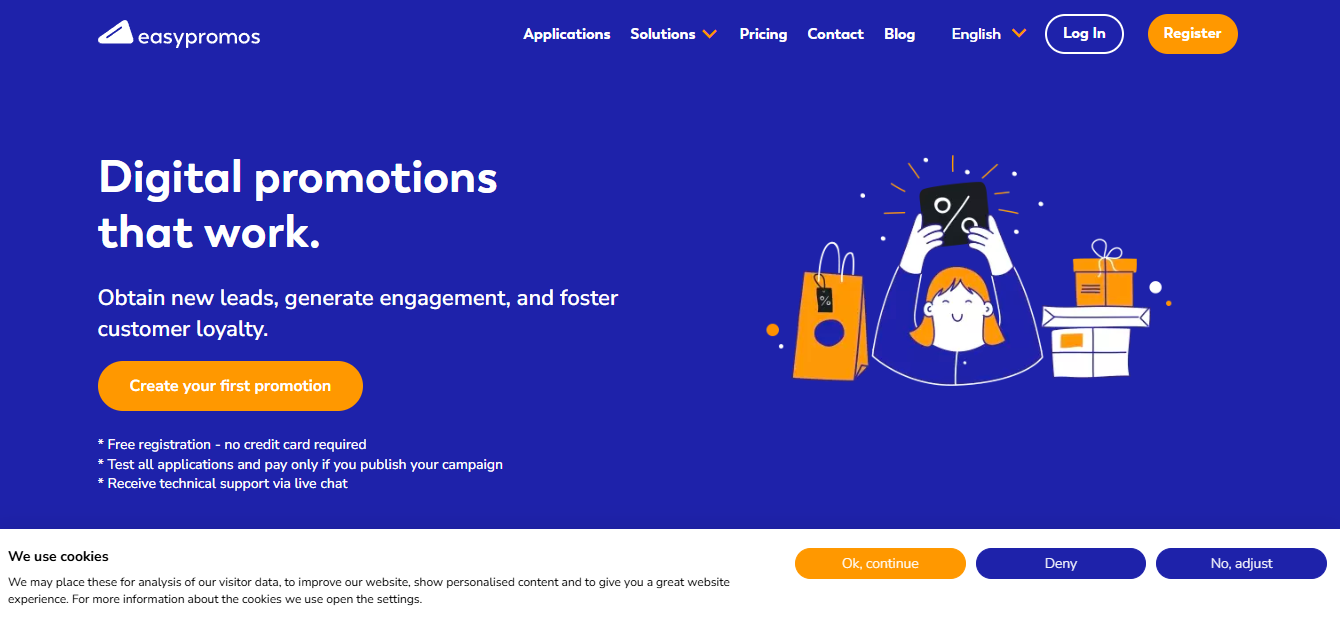
Easypromos covers contests, raffles, and instant-win games across multiple platforms, with fraud detection built in from the start rather than bolted on as an afterthought.
Key features: pre-built templates for fast setup, automated fraud and duplicate-entry detection, and support for running promotions that comply with regional prize-disclosure rules.
Pros: pricing stays reasonable for small businesses, and the fraud protection gives real peace of mind when prizes have significant value.
Cons: the more advanced compliance and reporting features require a paid plan.
Also Read: How to Show Price History for WooCommerce to Boost Sales
Comparison Table: 10 Best Social Media Contest Tools for 2026
| Tool | Best For | Standout Feature | Watch Out For |
| KingSumo | Fast email-list growth | Referral-driven bonus entries | Limited design options |
| Gleam | Multi-format campaigns | 30+ platform integrations | Premium tiers get pricey |
| ShortStack | Visually branded contests | Custom landing page builder | Learning curve for beginners |
| Woobox | AI-assisted setup | Campaign drafts from plain-language prompts | Deep customization still manual |
| Outgrow | Lead-gen quizzes | Conditional quiz logic | Overkill for simple giveaways |
| Wishpond | Marketing automation | Built-in nurture sequences | More than most small teams need |
| Canva | Promotional visuals | One-click platform resizing | No entry management at all |
| SweepWidget | Cross-platform campaigns | Per-action entry weighting | Best features are paid-only |
| AgoraPulse | Teams already using it for scheduling | Random comment picker | Thin for complex giveaways |
| Easypromos | Fraud-sensitive, high-value prizes | Automated duplicate-entry detection | Compliance tools are paid-tier |
Matching the Tool to the Goal
If the objective is pure list growth, KingSumo or Wishpond will get you there fastest since both are built around capturing an email address as the entry requirement. If the goal is collecting real content from customers, photos, videos, testimonials, ShortStack and Easypromos both handle submission review and moderation better than the referral-focused tools.
Teams that already run their social calendar through AgoraPulse should try its native contest picker before adding another subscription; there’s a real cost to fragmenting your workflow across five different logins for what amounts to one campaign. And if budget is the primary constraint, start with Canva for the creative assets and a free tier of Gleam or SweepWidget for entry collection before upgrading to a paid plan once you’ve proven the campaign format works.
Staying on the Right Side of Platform Rules
Every major platform, Instagram and Facebook in particular, requires that contest rules be visible somewhere in the post or linked landing page, that the giveaway not encourage tagging people in photos they aren’t actually in, and that the platform itself be released from any responsibility for administering the promotion. Most of the tools above generate a compliant rules page automatically, but it’s worth reading it before publishing rather than assuming the defaults cover your specific prize and region.
Data privacy adds another layer worth planning for. If your contest collects email addresses, you’re responsible for how that data gets stored and used afterward, not just during the giveaway itself. Choose a tool with clear data export and deletion controls, and say plainly in your rules what happens to entrant data once the contest ends.
Prize disclosure rules also vary more by region than most marketers expect. A giveaway open to entrants in the United States, the United Kingdom, and the European Union may need three slightly different rules pages to stay compliant with each jurisdiction’s advertising and sweepstakes law. If your audience is genuinely international, either restrict eligibility to a single region you understand well, or budget time to have someone review the rules for each market you’re opening the contest to. It’s a small step that prevents a real headache if a regulator or an unhappy entrant ever asks questions about how the prize was awarded.
Measuring Whether a Contest Actually Worked
Entry count is the easiest number to look at and the least useful one on its own. A giveaway can pull in thousands of entries and still be a bad investment if most of those entrants were only after the prize and never engage with the brand again. Before launching, decide what success actually looks like: new email subscribers who open a follow-up sequence, pieces of usable user-generated content, or a measurable bump in followers who stick around past the contest window.
Most of the tools above export entrant data in a format that plugs into whatever email platform or CRM you already run, so the real measurement work happens after the contest closes. Tag contest-sourced subscribers separately from your regular list and watch their open and click rates over the following month. If that segment performs meaningfully worse than your existing list, the prize probably attracted bargain hunters rather than people genuinely interested in what you sell, and it’s worth adjusting the prize or entry requirements for the next round.
For content-focused contests, judge success by usable output rather than raw submission count. Ten polished, on-brand photos you can repurpose in future marketing are worth more than two hundred rushed low-quality entries. ShortStack and Easypromos both include moderation queues that make it easier to sort the usable submissions from the rest before picking a winner.
Budget-Conscious Setups That Still Work
Not every brand running a contest has a marketing software budget to spend on it. If you’re testing the format for the first time, a workable free-tier stack looks like this: Canva for the announcement graphic and any supporting social assets, the free tier of Gleam or SweepWidget for entry collection and rule enforcement, and your existing email tool for the follow-up sequence once the contest wraps. That combination costs nothing beyond time and still produces a fully compliant, trackable campaign.
Once a contest format proves itself, in other words once you can point to a specific metric that improved because of it, upgrading to a paid plan on whichever tool handled entries becomes an easier decision to justify internally. Most of the platforms above offer month-to-month pricing specifically so you can run one paid campaign, evaluate the return, and decide whether an annual plan makes sense before committing.
Getting the Most Out of Your Next Contest
A contest tool only does half the job. The other half is a clear prize that actually matters to your specific audience, an entry mechanic simple enough that people don’t abandon it halfway through, and a follow-up plan for everyone who entered but didn’t win. Skip any of those three and even the best software on this list won’t save the campaign.
Start small if you haven’t run a giveaway before. Pick one tool, run a single-platform contest with a modest prize, and use what you learn about entry rates and drop-off points before committing to a bigger, multi-channel campaign later in the year.
One more thing worth planning ahead of time: what you’ll do with the entrants who don’t win. A contest that ends with a single winner announcement and silence for everyone else wastes most of the goodwill it generated. Send a thank-you email with a smaller consolation offer, a discount code, early access to a new feature, or simply an invitation to follow your other channels. That single follow-up touch is often what separates a contest that pays for itself from one that just produces a short-lived spike in your analytics dashboard.
Interesting Reads:
Best Deepfake Software: Top Tools to Explore
Best Advertising Management Software for Streamlined Campaigns
Top Remote Employee Management Software for 2024: Features and Benefits