

Instagram is where a lot of your customers already spend their time browsing, tapping, and buying. Connecting it to your WooCommerce store means fewer steps between a product photo and a completed order.
A good Instagram plugin lets you tag products in posts, pull a live feed onto your site, or turn your grid into a shoppable gallery. Some do all three. Below are five options worth checking out, what each one actually costs today, and where each one falls short.
This is not a hypothetical exercise. Social commerce keeps growing as a share of overall e-commerce traffic, and for stores selling visually appealing physical products, clothing, home decor, handmade goods, jewelry, Instagram is a meaningful referral source alongside organic search and direct traffic. A store that ignores that channel is leaving potential customers stuck one extra step away from checkout: browse a photo, leave the app, search for the product manually, and hope they remember to finish the purchase.
What These Plugins Actually Do
Most Instagram-WooCommerce plugins fall into one of two camps: feed-display tools (pull your Instagram photos onto a page or widget) and shopping tools (let you tag products directly in posts so visitors can buy without leaving Instagram).
A few do both. Know which job you need before you pick one, a pretty feed widget won’t help if what you actually want is product tagging, and vice versa.

Why the Instagram API matters more than the plugin name
Before picking a plugin, it helps to understand what actually broke a lot of Instagram feed widgets in the last couple of years. Meta deprecated the Instagram Basic Display API in December 2024, the endpoint a huge share of older feed plugins relied on to pull photos without going through a full Facebook Business setup. Developers had to migrate to the newer Instagram API with Instagram Login (or Instagram API with Facebook Login for Business), which requires a different connection flow and, in some cases, a Meta app review.
Plugins that had the development resources to migrate kept working. Plugins that did not, especially smaller, less-maintained ones, quietly stopped pulling new photos, sometimes without any visible error to the site owner. This is the real reason “update frequency” and “active install count” matter more than they might seem to for a plugin that just displays photos: a large user base and paid support usually means a team that stays ahead of Meta’s API changes, while an abandoned free plugin can silently go stale for months before anyone notices the feed stopped refreshing.
5 Best WooCommerce Instagram Plugins
1. Instagram Sync for WooCommerce
This extension used to be sold as plain “WooCommerce Instagram.” It has since been rebranded to Instagram Sync for WooCommerce and is now built and supported by Kestrel, a third-party developer that maintains a number of official WooCommerce extensions, not the Woo.com team itself.
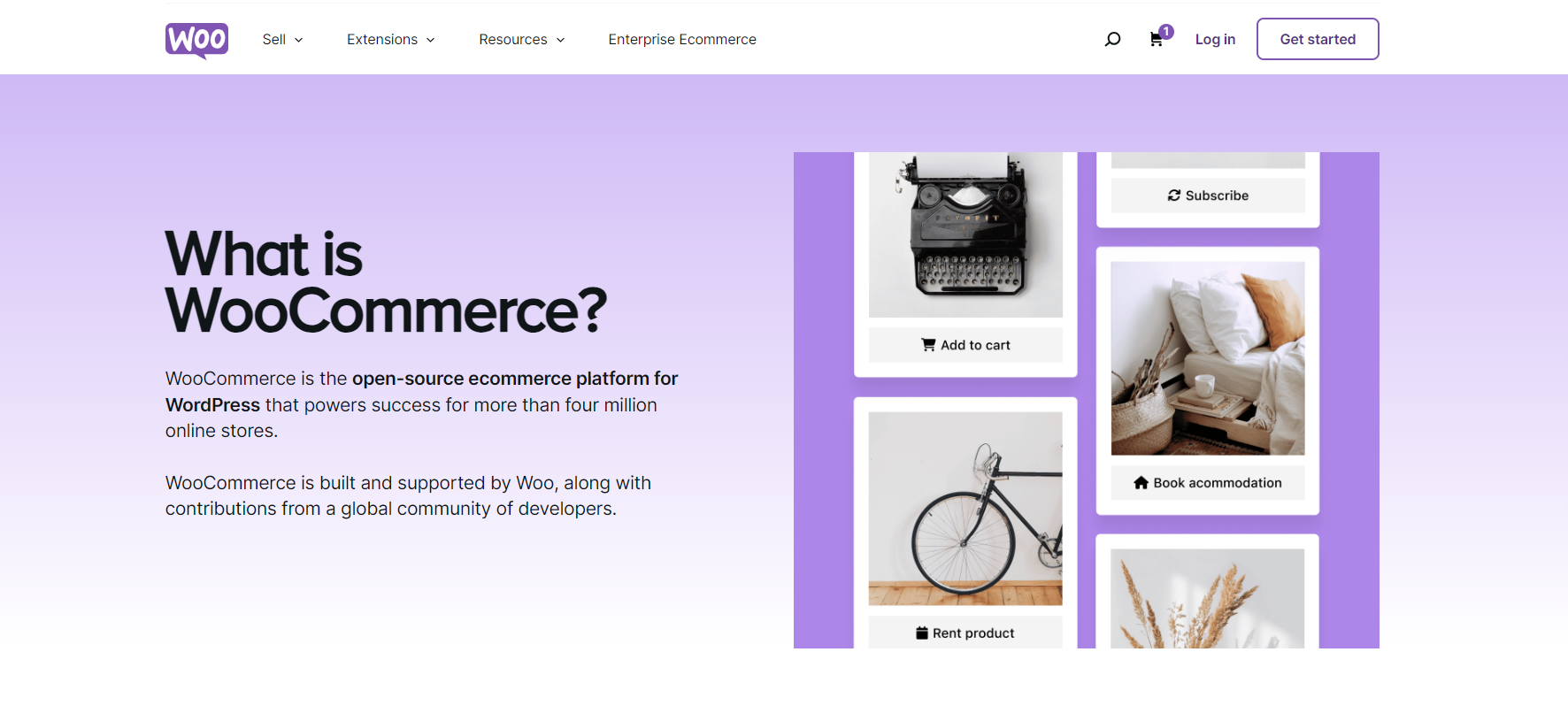
What it does: pulls your product catalog into Instagram Shopping, lets you create shoppable posts and stories, and sends a click on any tagged photo straight to the matching product page.
- Syncs your WooCommerce catalog with Instagram Shopping.
- Tag products in Instagram posts and stories.
- One click from the tagged photo to checkout.
- Set up product-specific hashtags customers can tag their own photos with.
How to get started
- Buy the extension from the vendor’s product page.
- Install and activate it on your WooCommerce store.
- Go to WooCommerce > Settings > Integrations > Instagram and connect your account.
Pricing: listed at ₹9,540/year for a single site on the vendor’s site (roughly $110-115 depending on exchange rate), there’s no flat USD price on the page, so check it directly before buying. A 2-year plan runs about 20% cheaper per year. As of this writing the listing shows 4,000+ active installs and version 5.1.2, which tells you it is actively maintained rather than sitting untouched.
Who it fits: stores that already run WooCommerce checkout and want Instagram to function as another storefront, not just a photo wall. If you sell physical products with decent visual appeal, clothing, jewelry, home goods, this is the plugin built for that exact use case rather than a general feed display bolted onto a shopping feature.
2. Smash Balloon Instagram Feed Pro
Smash Balloon is a display plugin, not a shopping one, it pulls your Instagram feed onto your site with a real layout editor behind it. Grid, carousel, or a single highlighted post; hashtag feeds; lightbox previews.
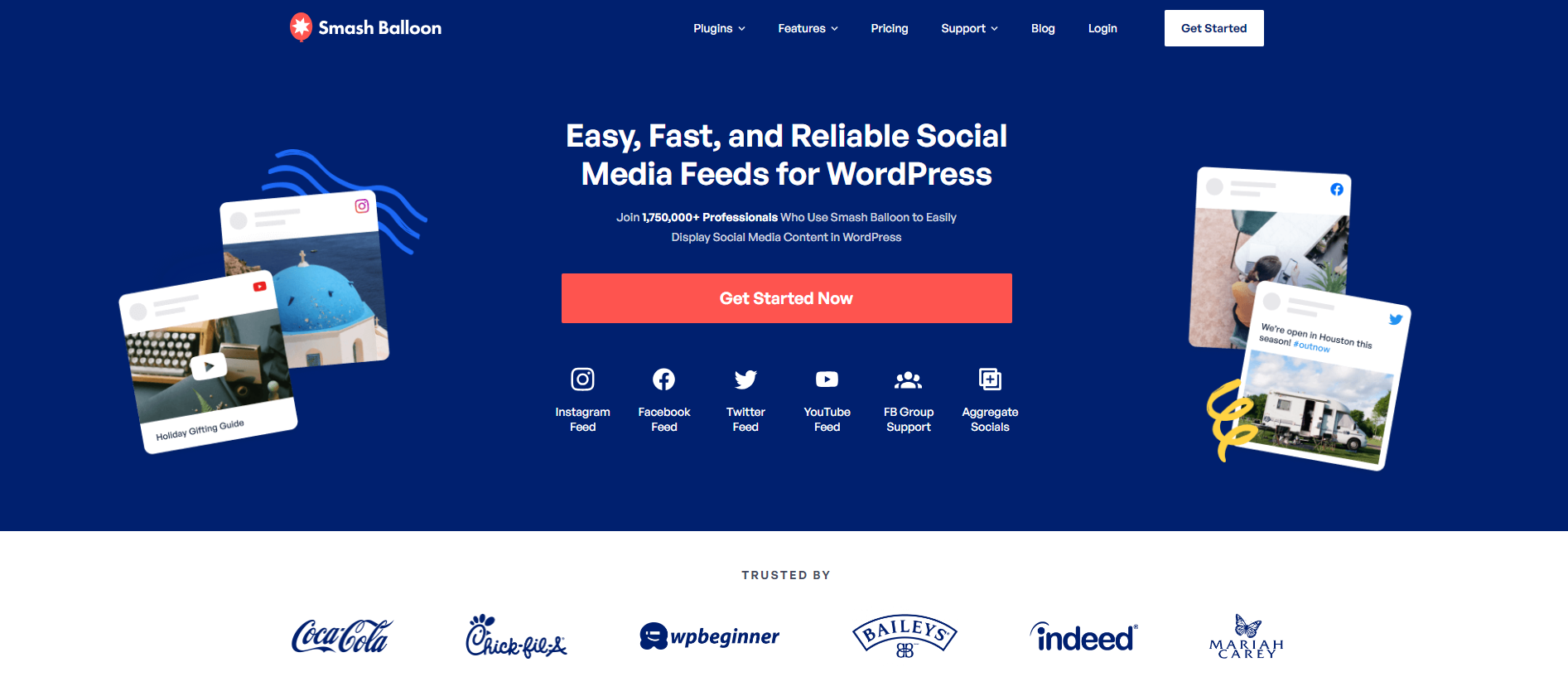
It’s a mature product, 1.75 million+ sites use some version of it across its full plugin family, and updates keep pace with Instagram’s API changes, which matter more here than with most plugins since Instagram tends to break things without warning, as the Basic Display API deprecation showed.
- Drag-and-drop layout editor, no code required.
- Responsive out of the box across desktop, tablet, and mobile.
- Hashtag feeds, Stories, and carousel layouts on the higher tiers.
- Regular updates tied to Instagram API changes.
Pricing: Basic $49/year (1 site), Plus $99/year (5 sites), Elite $149/year (10 sites). These are current introductory rates, discounted from the listed $98/$198/$298, the vendor’s own pricing page notes renewals go back to full price, so budget for that in year two.
Who it fits: stores that want their Instagram content to look like a designed part of the site rather than an embedded widget, and that are willing to pay for a plugin backed by a team that has a track record of surviving Meta’s periodic API overhauls. If your WooCommerce products are not the kind of thing people buy directly off Instagram (services, B2B, niche parts), a feed display without shopping tags is often the more honest fit than a full shopping integration.
3. Instagram Feed by Elfsight
Elfsight’s version is the one to try first if you’re not sure you want to pay for anything yet, there’s a genuine free tier, not just a trial.
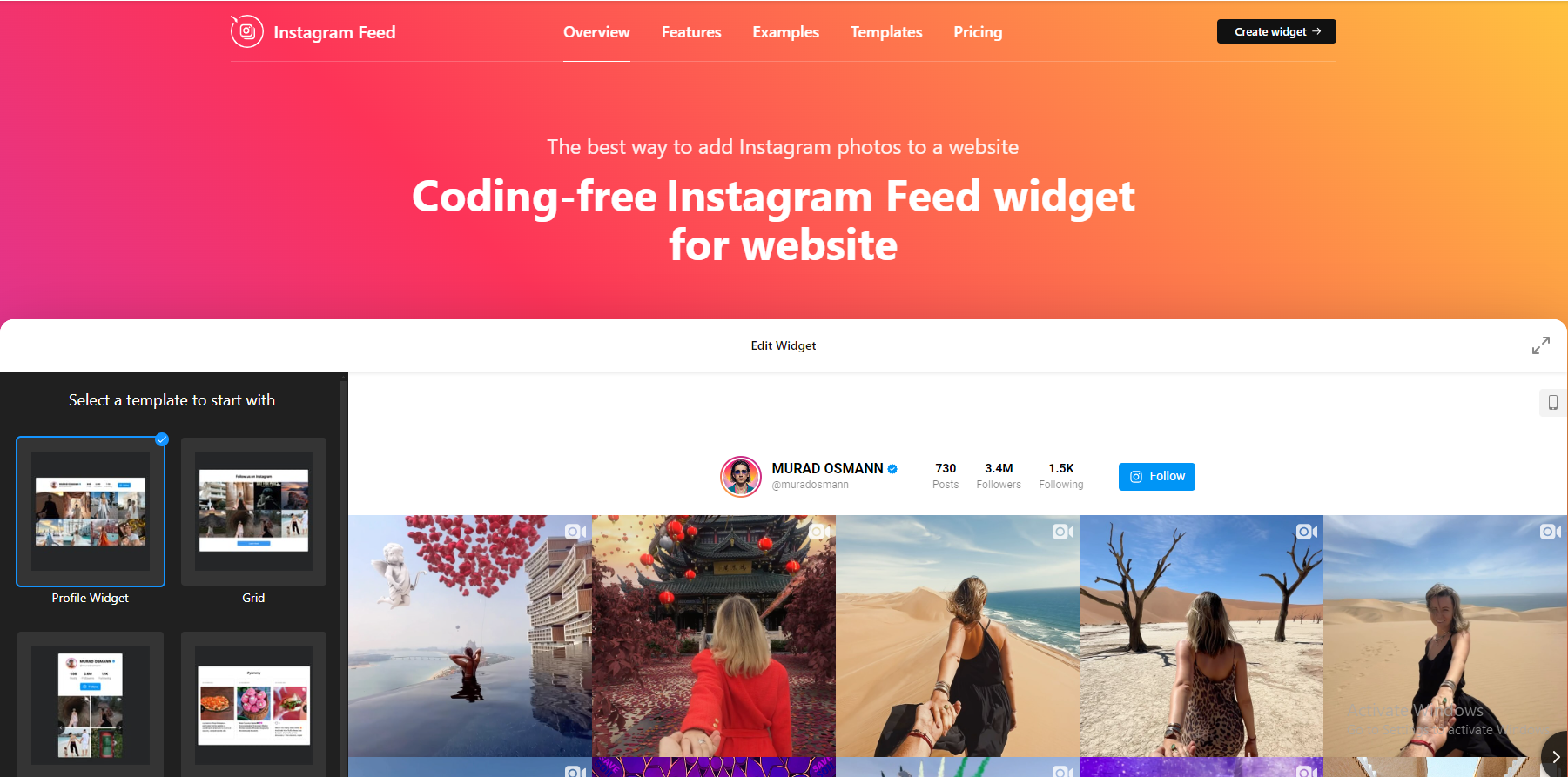
Free covers one widget, five sources, and 200 monthly views, fine for a small store testing the waters. Paid tiers scale up widgets, sources, and view limits, and add moderation tools so you can filter out tagged photos you don’t want showing on your site.
- Free plan: 1 widget, 5 sources, 200 views/month.
- Grid, carousel, or slideshow layouts, matched to your site’s design.
- Content moderation to filter unwanted tagged photos.
- Built-in analytics on the paid tiers.
Pricing: Free forever tier available. Paid plans run $6-$24/month billed annually (currently discounted about a third off, per the vendor’s site), scaling by widget count, source count, and monthly views.
Worth knowing: Elfsight widgets load through Elfsight’s own hosted service rather than running entirely on your server, which is part of how the company keeps the free tier maintained without you needing to manage API keys directly. That is convenient, but it also means your feed’s uptime depends partly on Elfsight’s infrastructure, not just your own hosting. For most small stores that tradeoff is a non-issue; for a high-traffic storefront where every widget load matters, it is worth testing before committing fully.
4. Spotlight Social Media Feeds
The original version of this post listed a plugin here called “Instagram Journal”, it doesn’t exist under that name on WordPress.org or anywhere else searchable, so it’s been swapped for a real, actively maintained option instead.
Spotlight (by RebelCode) is a free feed plugin with 60,000+ active installs, tested against current WordPress releases. It won’t do product tagging, but if all you need is a clean Instagram feed embedded somewhere on your store without paying for one, it’s a solid no-cost pick.
- Free, no premium tier required for basic feed display.
- Grid and carousel layout options.
- Works from a shortcode or block, so it drops into most page builders.
Pricing: free.
5. Simple Social Icons
This one is worth separating from the other four, it doesn’t pull in a feed or tag products at all. It just places clean, customizable social icons (Instagram included) somewhere on your site, usually a footer or sidebar widget.
If your goal is a full shopping integration, skip straight to option 1 or 2. If you just want a simple link to your Instagram profile without any of the setup overhead, this covers it in a few minutes.
- Simple icon links to your social profiles, Instagram included.
- Customizable icon style, size, color, and alignment.
- 100,000+ active installs, still receiving updates (v4.1.0 released roughly a month ago with new icon additions).
Pricing: free.
A note on using customer photos legally
If any of these plugins pull in tagged photos from customers, hashtag campaigns, or user-generated content sources, that content is still someone else’s copyrighted photo, not yours to use freely just because it mentions your product. A tag or a public hashtag is not the same thing as a usage license. Before featuring a customer’s photo prominently on a product page (rather than a low-key feed widget), it is worth getting explicit permission, either through a direct message, a clearly stated hashtag campaign policy (“tag us and we may feature your photo”), or a dedicated UGC rights-management tool. Elfsight and Instagram Sync for WooCommerce both include moderation tools specifically so you are not auto-publishing content without a review step, which is worth turning on regardless of which plugin you pick.
Setup basics that apply across all five
Regardless of which plugin you choose, a few setup steps apply broadly. First, you need a professional Instagram account, either a Business or Creator account, connected to a Facebook Page, since the personal-account API access that older tools relied on has largely been phased out. Second, expect a Meta authorization screen during setup where you grant the plugin permission to read your account’s media, this is normal and not a sign of anything wrong with the plugin. Third, test your feed or shopping tags immediately after connecting, since a misconfigured Meta app connection sometimes shows an empty feed silently rather than a clear error message, and it is easier to catch that on day one than three months later when you finally check the page again.
Performance: what a feed widget actually costs your page speed
An Instagram feed is one more external request your page has to make, and it is easy to overlook the page-speed cost until a Core Web Vitals report flags it. A few practical points that apply across all four feed-capable options here:
- Lazy-load the feed: most of these plugins, including Smash Balloon and Elfsight, support lazy loading so the feed images only load once a visitor scrolls near them, rather than blocking the initial page render.
- Limit the photo count: a nine-photo grid loads faster and looks cleaner than a thirty-photo wall. More is not automatically better, especially on mobile connections.
- Check image dimensions: Instagram’s API returns full-resolution images by default in some configurations. A plugin that does not resize or serve responsive images for your grid can quietly add real weight to your page, so check the network tab in your browser’s developer tools after setup rather than assuming it is optimized out of the box.
- Cache the feed: refreshing live from Instagram’s API on every single page load is unnecessary for a feed that visually changes a few times a week at most. Look for a caching interval setting, most of these plugins default to caching for an hour or more, and there is rarely a reason to shorten that.
Which One Should You Pick?
Selling directly through tagged posts? Instagram Sync for WooCommerce or Smash Balloon’s Pro tier are built for that.
Just want a feed on your homepage, no budget attached? Elfsight’s free plan or Spotlight will cover it.
Want the bare minimum, just a link to your profile? Simple Social Icons takes five minutes and costs nothing.
If you are still unsure, start free. Install Spotlight or Elfsight’s free tier this week, watch how much traffic and engagement the feed actually generates over a month, then decide whether the numbers justify paying for a shopping-focused plugin like Instagram Sync for WooCommerce or Smash Balloon’s Pro tier. That gives you real data from your own store instead of a guess based on what worked for someone else’s.
Budget planning: what a full year actually costs
Sticker prices on a pricing page rarely tell the whole story, since most of these vendors run ongoing discounts on the first year and renew at a higher rate. Roughly, here is what to budget for a single-site store over a full year, based on current listed pricing:
- Free stack: Spotlight for the feed plus Simple Social Icons for profile links costs nothing, and covers a store that just wants a visual presence with no shopping features.
- Low-budget shopping stack: Elfsight’s free tier plus manual product links in your Instagram bio (no automated tagging) works for a store not ready to pay for a dedicated shopping integration yet.
- Mid-range: Smash Balloon Basic at $49/year for a polished feed display, without shopping tags, fits a store where Instagram is mainly a visual trust signal rather than a direct sales channel.
- Full shopping integration: Instagram Sync for WooCommerce at roughly $110-115/year is the more direct cost for a store that wants tagged, shoppable posts feeding traffic straight into WooCommerce checkout.
None of these numbers are large in the context of a WooCommerce store’s overall software budget, hosting, other extensions, payment processing fees, so the decision usually comes down to which feature set your store actually needs rather than which option is cheapest.
Frequently asked questions
Do I need a Facebook Page to connect Instagram to WooCommerce?
In most cases, yes. Instagram’s current API access for feed and shopping plugins runs through a Business or Creator account connected to a Facebook Page. If you only have a personal Instagram account, you will need to convert it and link a Page before any of these plugins can pull your content.
Will a free plugin work as well as a paid one?
For a basic feed display, yes, Spotlight and Elfsight’s free tier both do the job. Where paid plugins earn their price is shopping features (product tagging, checkout links), higher view or source limits, and a development team more likely to react quickly when Meta changes its API again.
Why did my Instagram feed stop updating?
The most common cause is an expired or revoked API connection, often triggered by Meta’s periodic API changes, like the December 2024 Basic Display API deprecation. Reconnecting your account in the plugin’s settings usually fixes it. If it keeps happening, that is a sign the plugin is not being updated fast enough to keep pace with Instagram’s changes.
Can I combine a feed plugin with a shopping plugin?
Yes, there is no technical conflict running Instagram Sync for WooCommerce for shopping tags alongside Smash Balloon or Elfsight for a nicer-looking feed display elsewhere on the site. Just be mindful of page load time if you are running more than one social plugin on the same page.
Is it worth building a custom Instagram integration instead of using a plugin?
For most WooCommerce stores, no. Meta’s API terms and review process change often enough that maintaining a custom integration is a genuine ongoing cost, staff time, security patching, compliance with API terms, that a maintained plugin already absorbs for you through its subscription or update cycle. Custom integrations make more sense for large stores with specific technical requirements a plugin cannot meet, not as a cost-saving measure for a typical WooCommerce store.
What happens if I switch plugins later?
Switching between feed-display plugins is usually painless since none of them store your product data, they just render Instagram content on a page. Switching shopping plugins is a bigger step, since you may need to reconnect your Meta catalog integration and rebuild any tagged post mappings. If you are still deciding between options, it is generally safer to start with a free or low-commitment tier and upgrade once you know the feature set you actually use, rather than locking into an annual shopping plugin subscription on day one.
Also read
10 Best WooCommerce Wallet Plugins
WooCommerce Marketing Plugins: Which One Solves Your Problem
How Load More Products for WooCommerce Plugin Benefits E-Commerce Sites