

Events give a website a reason for people to come back, community building, marketing content, and a direct line to your audience all in one feature. WP Event Manager is one of the more established plugins for adding that to WordPress. Active, v3.4.1, updated within the last week, 1 million+ total downloads.
What Is WP Event Manager?
A free core plugin for creating, editing, and promoting events, with calendar views, categories, and search built in. Compatible with most themes and responsive by default. It follows the same general architecture as WP Job Manager (the same team built both), a lightweight core plugin that handles the essential job (in this case, events) well on its own, with paid add-ons filling in more specialized needs rather than bloating the free version with features most sites won’t use.
That architecture choice matters more than it sounds. A lot of “all-in-one” event plugins try to cram ticketing, payments, calendar sync, and social promotion into a single install, which tends to mean a heavier plugin, more settings screens you don’t need, and more surface area for something to break after a WordPress core update. WP Event Manager’s core stays focused on listing, submitting, and searching events, and you add exactly the extra capability you actually need rather than carrying the weight of features you don’t.
Key Features
- Event listings with a clean, organized display
- Calendar view
- Advanced search with categories and tags
- Frontend event submission
- Customizable event pages
- Google Maps integration (paid add-on)
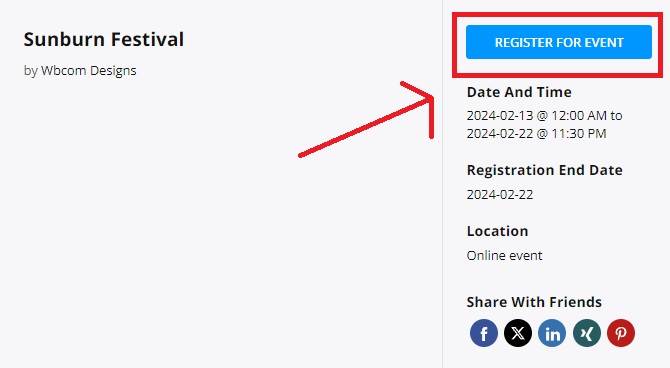
- Event registration and ticketing (via add-ons)
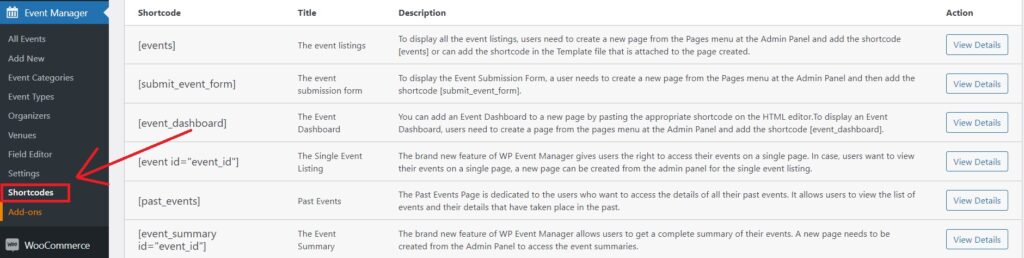
- Widgets and shortcodes
Advanced Search
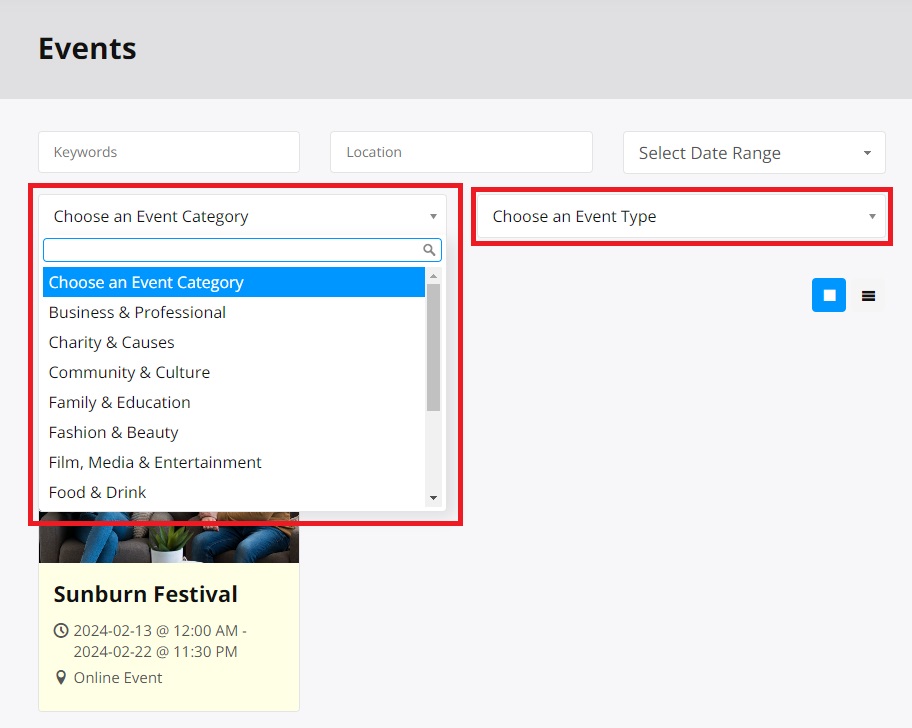
Filters by date, location, and keyword, with categories grouping events by theme and tags adding finer-grained filtering underneath. The search itself runs as a standard WordPress query against the Event custom post type, so on a site with a genuinely large number of listed events, the usual WordPress performance considerations apply, indexed meta fields and reasonable pagination matter once you’re past a few hundred active listings, the same way they’d matter for any other custom post type search at scale.
Frontend Event Submission
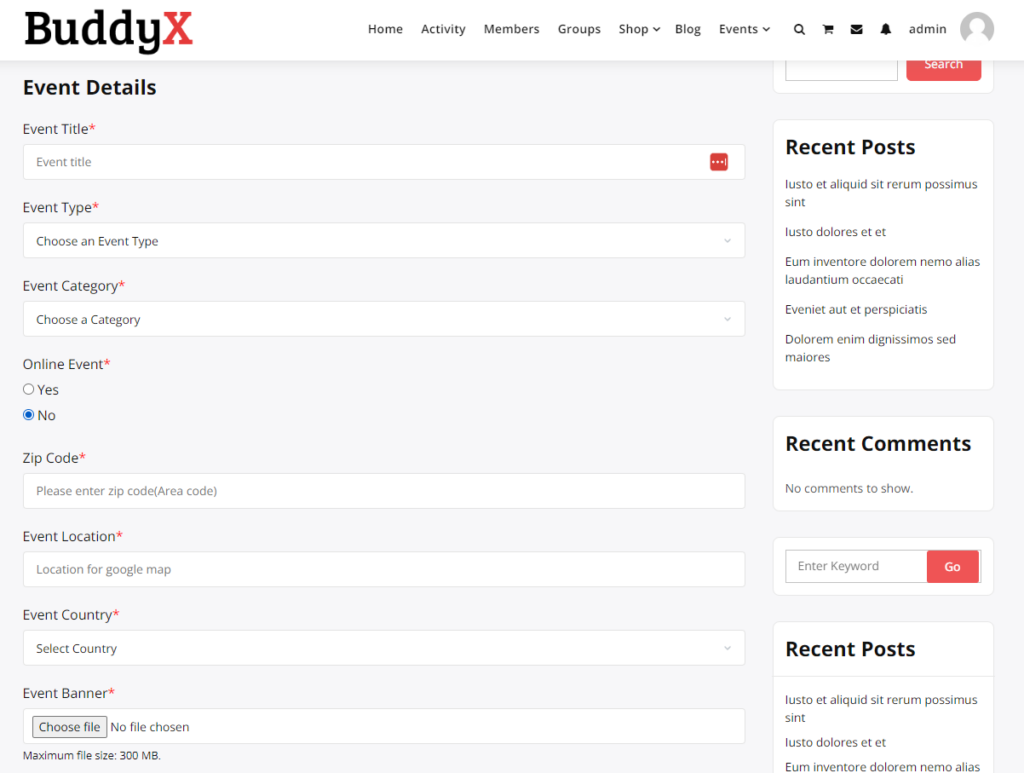
Organizers submit and manage events directly from the site’s frontend, no dashboard access required, useful if you want members or non-admin contributors adding their own events. The submission form is genuinely customizable through the plugin’s field editor, add, remove, or reorder fields without touching code, which matters if your event types need different information than the default template covers, a conference needs speaker bios and session tracks, a local meetup mostly needs a date, address, and RSVP count.
Worth deciding upfront whether submitted events publish immediately or need moderation. On a public-facing site where anyone can submit, moderation queues matter, not just for spam prevention but for quality control, an unreviewed event with a broken address or wrong date does more harm to trust than no listing at all. The plugin supports a pending-review workflow through standard WordPress post status, so it’s a settings decision rather than something requiring custom development.
Customizable Event Pages
Add images, video, and detailed descriptions per event page, giving each listing its own presentation rather than a generic template. Since events are a standard custom post type under the hood, the individual event page template inherits from your active theme’s post templates, which means an event page styled with BuddyX or another well-built modern theme looks like a natural extension of your site rather than a plugin-generated page that visually clashes with everything around it.
Google Maps Integration
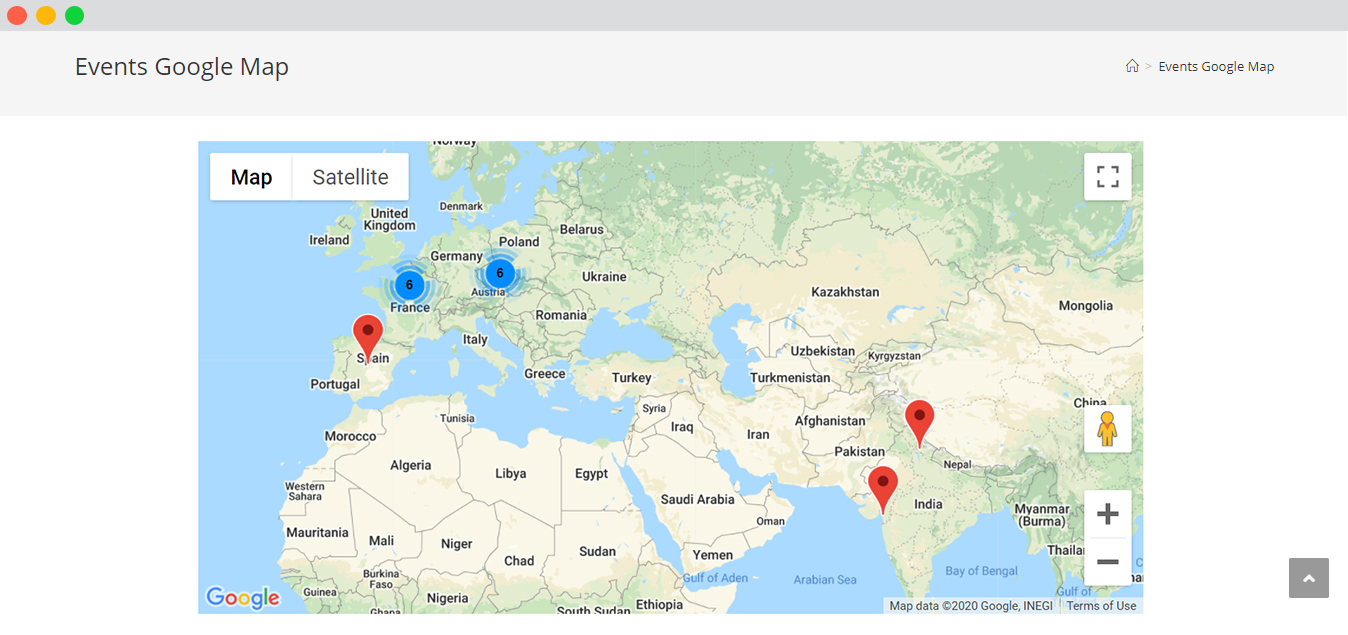
Embeds a map directly into event listings for venue location. This is a paid add-on, not part of the free core plugin. Worth knowing before you rely on it: Google Maps embeds require a valid Google Cloud API key with billing enabled on the account, Google’s free usage tier covers most small-to-medium sites comfortably, but the setup step of generating and restricting that API key (locking it to your domain to prevent misuse) is one people skip and then get confused when the map silently fails to load with no obvious error on the page itself, just a blank gray box where the map should be.
Event Registration and Ticketing
Depending on which add-ons you install, attendees can register or purchase tickets through a frontend form, covering both offline and online events. The registration add-on handles the RSVP and attendee list side without payment processing attached, useful for free events or ones where payment happens elsewhere (at the door, through a separate invoice). For paid ticketing specifically, the plugin integrates with WooCommerce for checkout, which means ticket sales run through the same payment gateway and order system you’d already be using for anything else you sell, rather than a second, separate payment flow to maintain.
Widgets, Shortcodes, and the Event Dashboard
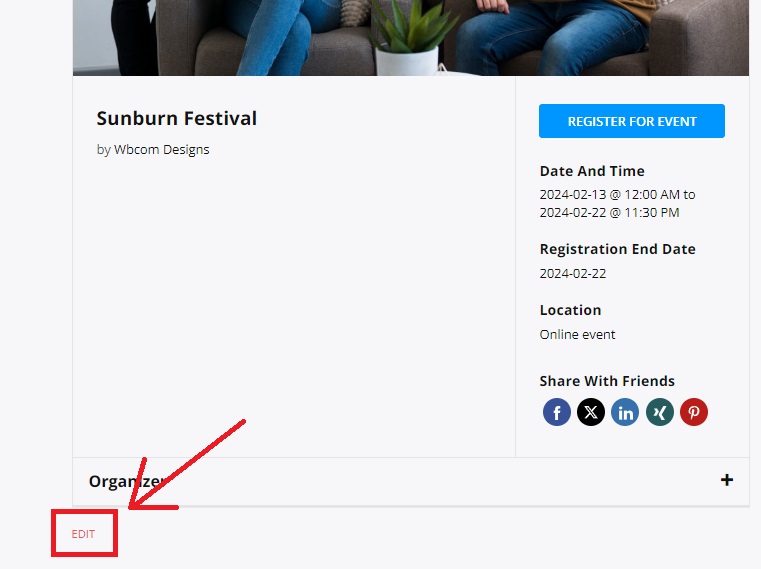
The setup wizard generates standard pages with their shortcodes pre-filled, click “Create selected pages” and they’re ready to use. The Event Dashboard shortcode gives users a frontend page to manage events they’ve already submitted. This dashboard page is worth customizing rather than leaving at the default styling, it’s the page organizers interact with most after their initial submission, editing details, checking registration counts, marking an event as cancelled, and a dashboard that feels like an afterthought undermines confidence in the rest of the event system even if the public-facing listings look polished.
Setting it up properly, beyond the wizard
The setup wizard covers the mechanical steps, install, activate, generate pages, but a few decisions early on save real reconfiguration work later. First, decide your event categories and tags structure before organizers start submitting, retrofitting a taxonomy after fifty events already exist means going back through each one to reclassify it, versus setting it up once with room for growth from the start. Second, check your permalink structure, event pages need a clean, pretty permalink setting active (Settings > Permalinks, anything other than the default “Plain” option) or your event URLs end up as ugly query-string links that neither look professional nor perform as well for SEO.
Third, and easy to overlook: set a clear policy for what happens to past events. By default they stay published and browsable, which is fine for some sites (a portfolio of past conferences, historical record) but clutters an active event listing for others. The plugin’s filtering supports separating upcoming from past events in your listing pages, worth configuring deliberately rather than letting your main events page slowly fill with events that already happened.
Common issues and how to actually fix them
Events not showing on the calendar or listing page despite being published usually traces back to one of two things: a timezone mismatch between the event’s set date and your WordPress site’s timezone setting (Settings > General), which can push an event just outside the date range your listing query expects, or a caching plugin serving a stale version of the events page from before the new event was added. If a fresh event genuinely isn’t appearing, clear your page cache before assuming something’s broken in the plugin itself.
A blank or broken map, as mentioned above, is almost always the API key, either missing, unrestricted (which Google’s console will flag), or attached to a billing account that’s hit its free tier limit. Check the browser console for a specific Google Maps API error message rather than guessing, it usually names the exact problem (invalid key, billing not enabled, referrer not allowed) directly.
Frontend submission forms that silently fail to submit, no error, nothing happens, are frequently a JavaScript conflict with another plugin or a page builder loading its own competing form validation script. Testing the submission form with all other plugins temporarily deactivated (on a staging copy, not live) isolates this quickly if you suspect a conflict rather than a genuine bug.
With the BuddyX Theme
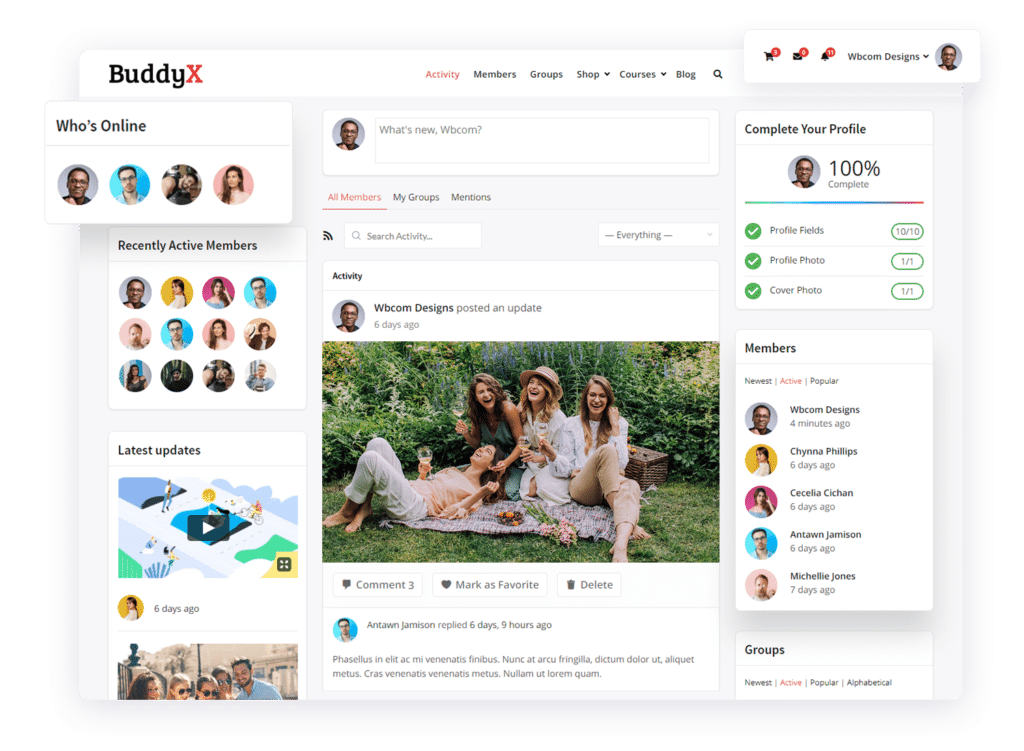
WP Event Manager works cleanly with BuddyX, event listings inherit BuddyX’s design system rather than clashing with it, useful if events are one piece of a broader community site rather than the whole point of it. Pairing the two makes particular sense on a BuddyPress-driven community, since a group or member profile can link out to events that group is hosting, and the event submission flow can sit alongside a member’s other community activity rather than feeling like a bolted-on separate tool.
An Alternative Worth Knowing
If you’re evaluating options rather than committed to WP Event Manager specifically, Eventonomy is a newer, actively developed community-events plugin with unlimited events and attendees, RSVPs with waitlists, recurring series, and multiple calendar views free in its core, plus an optional paid tier for ticketing through Stripe, PayPal, Square, Mollie, or WooCommerce with no per-ticket platform fees. Different product, different developer (Wbcom Designs), genuinely worth a look alongside WP Event Manager rather than instead of it.
The practical difference worth weighing: WP Event Manager’s add-on model means you pay incrementally for exactly the pieces you need (maps, WooCommerce ticketing, and so on), which suits a site that wants tight control over cost and only needs a couple of specific extras. Eventonomy’s broader free core, recurring events and waitlists included without a separate purchase, suits a site that wants more built-in out of the gate, particularly one already leaning on recurring meetups or series rather than one-off listings.
Neither is objectively better across the board, they’ve made different bets on what belongs in the free tier versus what’s worth charging separately for. If recurring events (a weekly meetup, a monthly workshop) are central to what you’re running, check how each handles that specifically before committing, since a plugin built primarily around one-off listings can make recurring series feel like a workaround rather than a native feature, and that gap shows up quickly once you’re actually managing a real recurring schedule.
Budgeting for add-ons
The free core plugin genuinely works standalone for basic listings, submission, and search, no purchase required to get a functional events section live. Where cost enters is the specific add-ons: Google Maps integration, WooCommerce Paid Listings for charging organizers to submit a featured or paid event, and the registration/RSVP add-ons for tracking attendees. Pricing on WP Event Manager’s own add-ons changes periodically and is sold per-add-on rather than one flat bundle in many cases, so check current pricing directly on their site before budgeting, rather than relying on a number that might be a version or two out of date by the time you’re reading this.
A reasonable way to scope the budget: start with the free core and the setup wizard’s default pages, run it for a few weeks with real events, and only then decide which specific paid add-on actually addresses a gap you’ve hit in practice. Buying every add-on upfront on the assumption you’ll need all of it tends to mean paying for features that turn out not to matter for how your site actually gets used.
Mobile RSVP and submission, worth testing directly
A meaningful share of event discovery and RSVP activity happens on a phone, someone hears about an event from a friend, pulls up the link on their phone right then, and either RSVPs or bounces. If the registration form isn’t genuinely usable on a small screen, tap targets close enough together to mis-tap, a date picker that’s awkward with a touch keyboard, that friction costs you real attendees who would have RSVP’d on desktop. Test the actual submission and registration flow on a real phone before assuming the responsive theme styling alone covers it, plugin-generated forms don’t always inherit a theme’s mobile refinements as cleanly as the theme’s own native templates do.
SEO for event pages, worth setting up deliberately
An event page has a genuine SEO opportunity most sites leave on the table: structured data. Google supports Event schema markup specifically, which can make an event eligible for rich results in search, showing the date, location, and sometimes a “buy tickets” link directly in the search listing rather than a plain blue link. WP Event Manager doesn’t generate this schema automatically out of the box in every configuration, so it’s worth checking whether your SEO plugin (Rank Math and Yoast both support custom schema types) picks up event data correctly, or whether you need to map the plugin’s custom fields to schema properties manually.
Beyond schema, treat each event page like any other content page for on-page SEO, a genuinely descriptive title rather than just “Event,” a real description in the excerpt or meta description field rather than leaving it blank, and internal links from relevant blog posts or category pages pointing at upcoming events. An events section that only gets discovered by people who already knew to check the events page is missing most of its potential traffic.
How it compares to the bigger-name alternatives
The Events Calendar (by The Events Calendar / StellarWP) and Modern Events Calendar are the two plugins people most often compare WP Event Manager against, and the comparison is worth a quick word since all three solve overlapping but not identical problems. The Events Calendar leans more heavily into the calendar-view experience itself, month/week/day grid layouts, and has a larger overall install base and ecosystem of add-ons. Modern Events Calendar packs more features into its free tier out of the box, various calendar skins, booking forms, but has a reputation for a heavier, more complex settings experience as a result.
WP Event Manager’s differentiator is the frontend submission model, treating events more like job listings (unsurprising, given the shared codebase heritage with WP Job Manager), which fits a site where the community itself is creating and managing events, not just an admin publishing a curated calendar. If your use case is closer to “we run our own events and want a calendar,” The Events Calendar’s stronger calendar-view focus may fit better. If it’s closer to “our members or vendors submit their own events,” WP Event Manager’s submission-first design is the more natural fit.
Migrating from another event plugin
If you’re moving from a different event plugin rather than starting fresh, the practical challenge is almost never the plugin switch itself, it’s the data. Event listings, dates, locations, and any custom fields specific to your old plugin don’t transfer automatically between different plugins’ custom post type structures, since each one defines its own meta field names and taxonomy setup. A small site with a handful of events is usually faster to just recreate manually than to script a migration. A larger archive of past and upcoming events justifies exporting via CSV (most event plugins support this) and using WP All Import or a similar import tool to map the old fields to WP Event Manager’s expected structure, tested first against a handful of records on staging before running the full import live.
Summary
WP Event Manager covers the core of event management well: listings, calendar view, frontend submission, and a dashboard for organizers, all free. For a site where events are a genuine feature rather than an occasional add-on, that free foundation is enough to launch on and prove out demand before spending anything on add-ons at all. Maps, advanced ticketing, and some registration features require paid add-ons, so budget for those if you need them beyond the basics. The lightweight core-plus-add-ons approach keeps the base install fast and focused, and the plugin’s maturity, backed by the same team behind WP Job Manager, means it’s held up well across years of WordPress core updates without the kind of abandonment risk that shows up with smaller, single-developer event plugins.